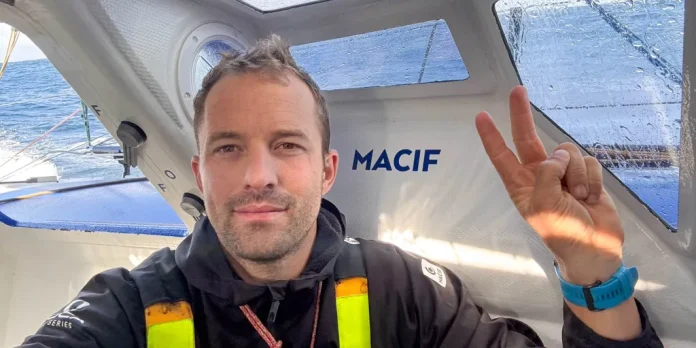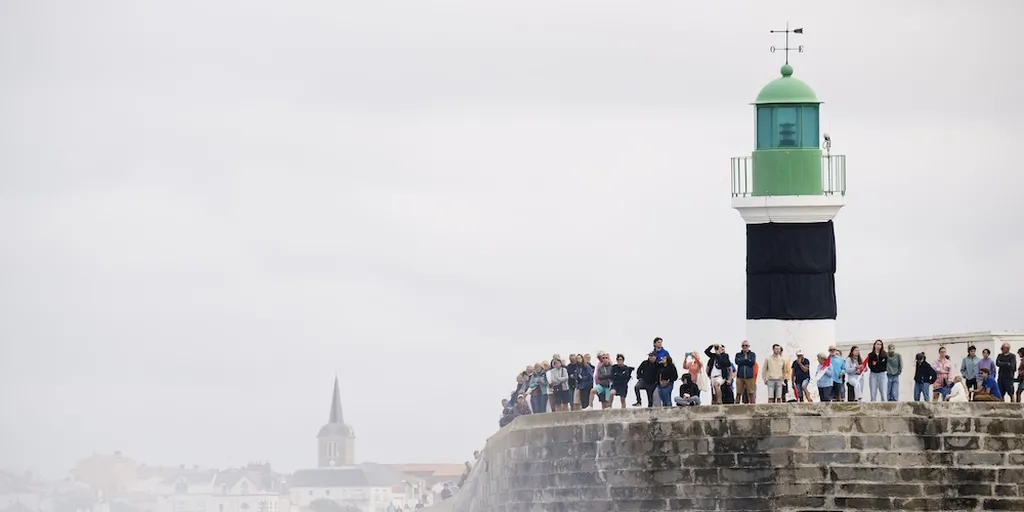
Charlie hung in the air above Les Sables-d’Olonne on Tuesday morning as the first four IMOCA boats threaded the channel toward dock. Not in name alone, but in the black flag snapping from the mast of MACIF Santé Prévoyance, the boat he’d raced to victory in the last Vendée Globe. Sam Goodchild steered her through waters that felt heavier than usual, and everyone watching understood the weight of what they were witnessing.
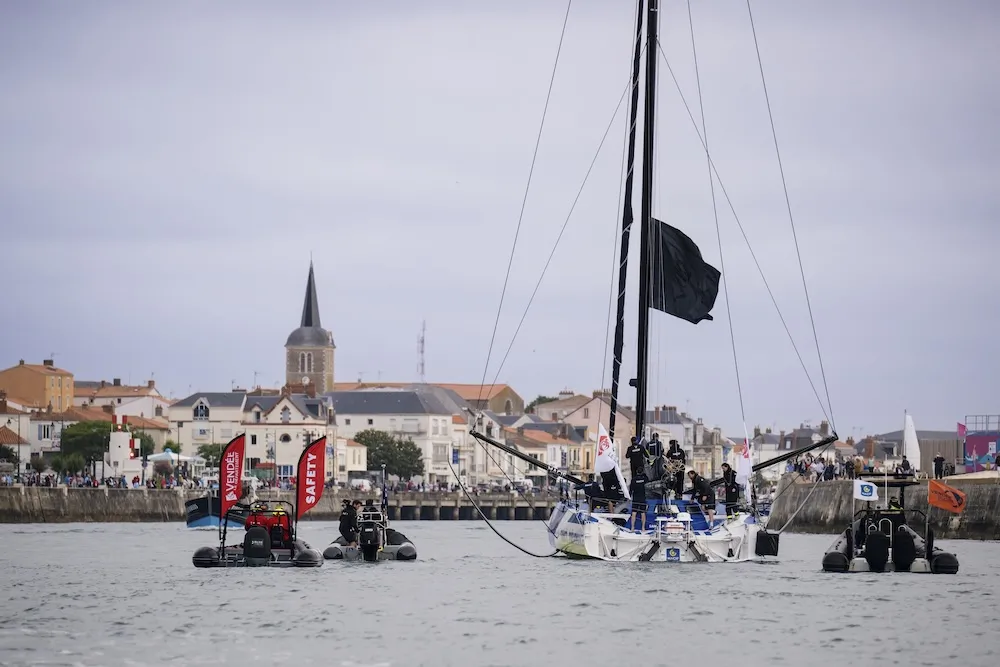
The sky had turned its back too—low, white, bleached of colour. Even the yachts lost their shine. Only the black flag moved, alive and furious in the wind, and it was the only thing that seemed to matter. When Goodchild’s boat entered the channel around 7:30am NZST, the protocol demanded he emerge, wave, acknowledge the crowd. He did what was expected. But the watching sailors and supporters read the truth in how he moved. These past days he’d fought sadness by grinding through manoeuvres, by pouring himself into the machine that Charlie had shaped with his own hands.
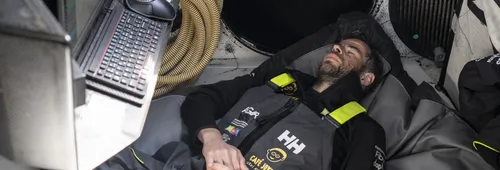
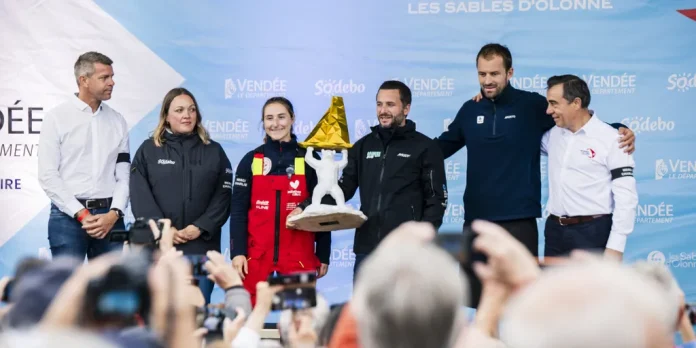
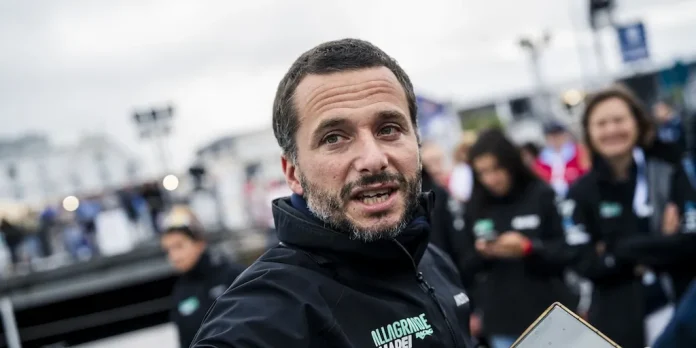
Coming ashore meant facing what had been held at bay by the motion of racing. Ambrogio Beccaria, the Vendée Arctique 2026 victor, said twice during interviews about his race that “there is something far graver.” Around the channel and on the pontoons, Charlie’s presence moved through half-finished sentences, through eyes that glistened, through the silences people couldn’t fill. This wasn’t arrival day like any other. This was something suspended in time, a moment everyone knew would sit apart from all the rest.
The four skippers who’d pushed hardest across those northern waters came back to a community holding its breath, to a place where grief and finish-line protocol collided without one cancelling the other out. Goodchild brought his boat home. The black flag still flew.