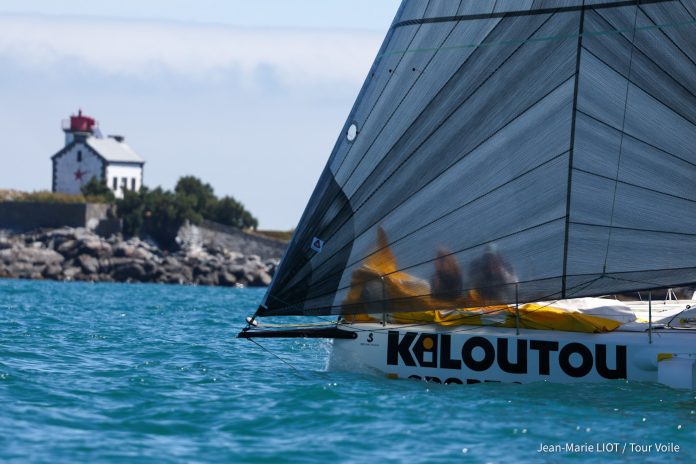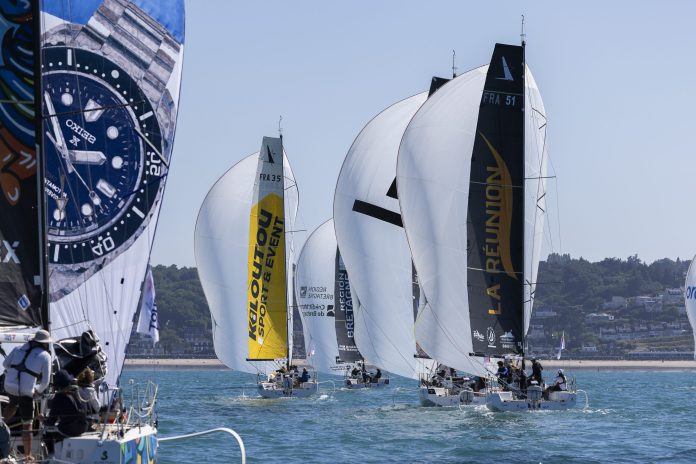
The nine crews competing in Tour Voile’s third stage discovered a harsh lesson as they departed Plérin: in light winds along Brittany’s northern coast, precision matters far more than raw speed or power. A few dozen metres, a rocky outcrop, a tidal turn, or an unexpected current can completely reshuffle the fleet hierarchy—and the race course director deliberately engineered exactly those conditions.
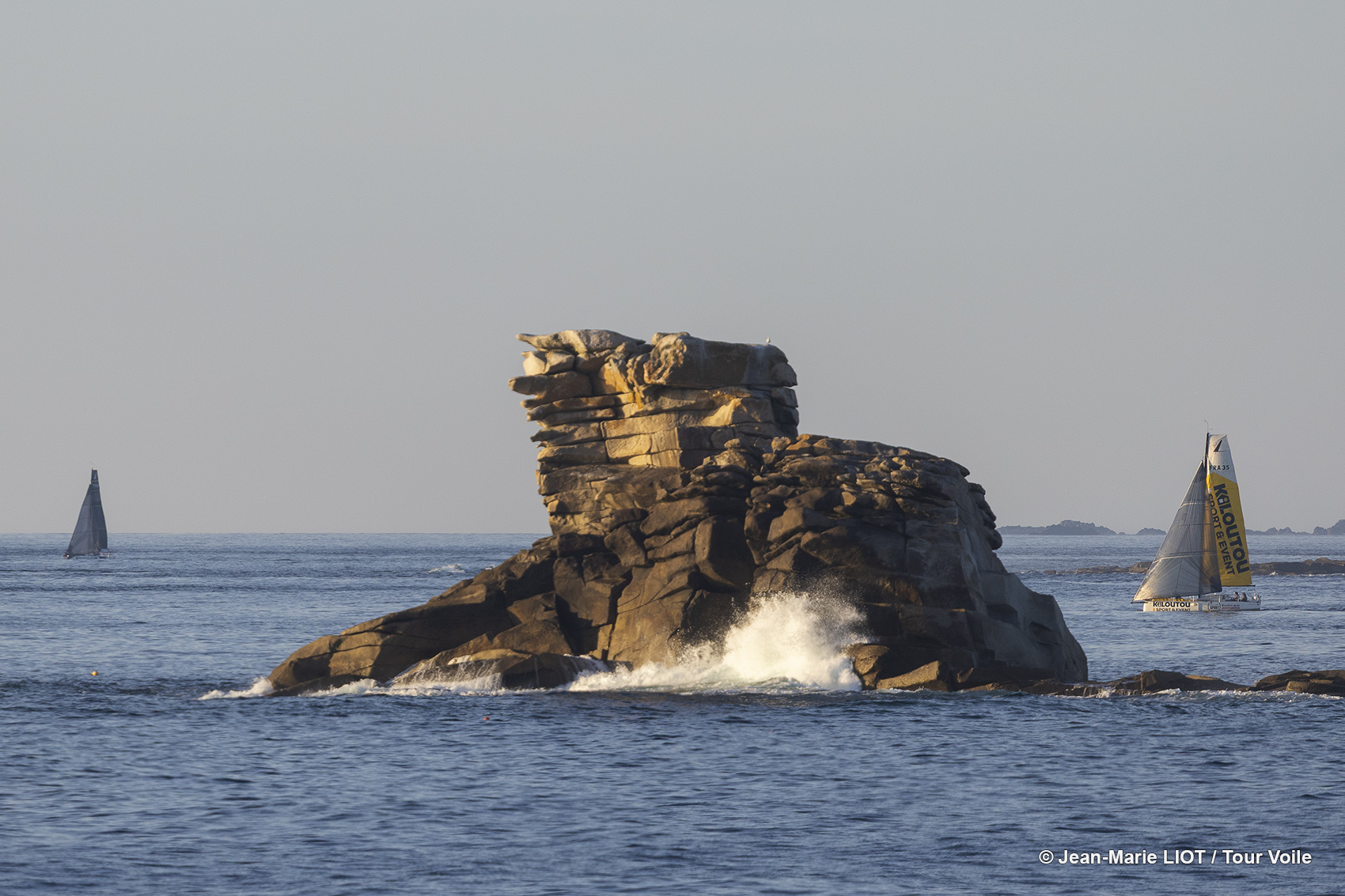
Yann Chateau, who designed this leg of the Figaro Beneteau 3 event, chose to place no mandatory waymarks along the north Breton coastline. Instead, he handed control to the landscape itself: the rocks, reefs, and tidal flows would serve as the race’s true arbiters. “That’s the richness of this playing field,” Chateau said. “In light wind, certain zones naturally become chokepoints capable of splitting the fleet in two. That’s precisely what happened at Trégastel.”
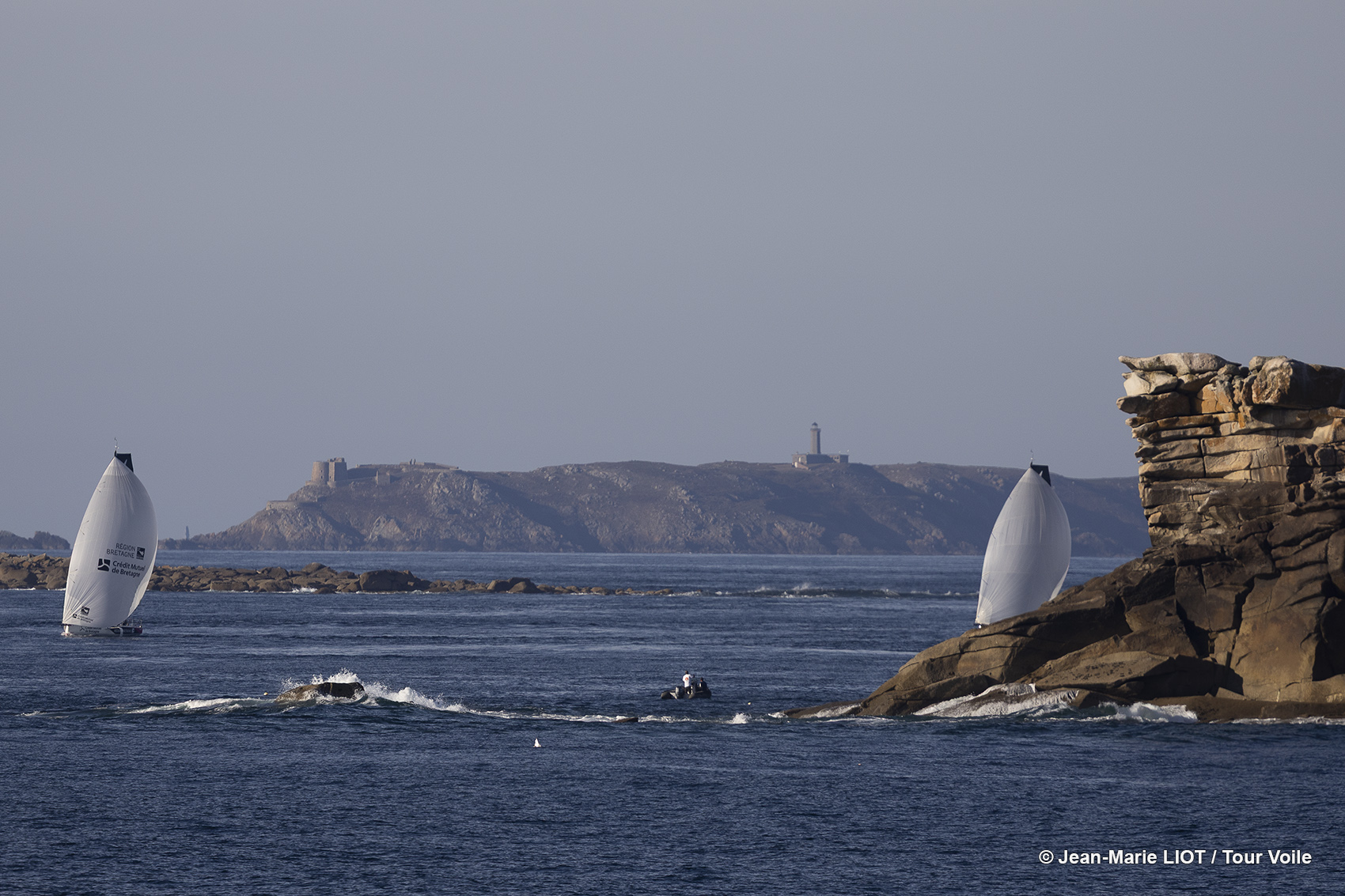
The Trégastel Bottleneck
At Trégastel, timing proved everything. Boats that rounded the headland at exactly the right moment could slip through in the lee of the rocks, where the current weakened dramatically to around one knot. A few hundred metres offshore, the same current exceeded three knots. Without meaningful wind, that difference proved devastating.

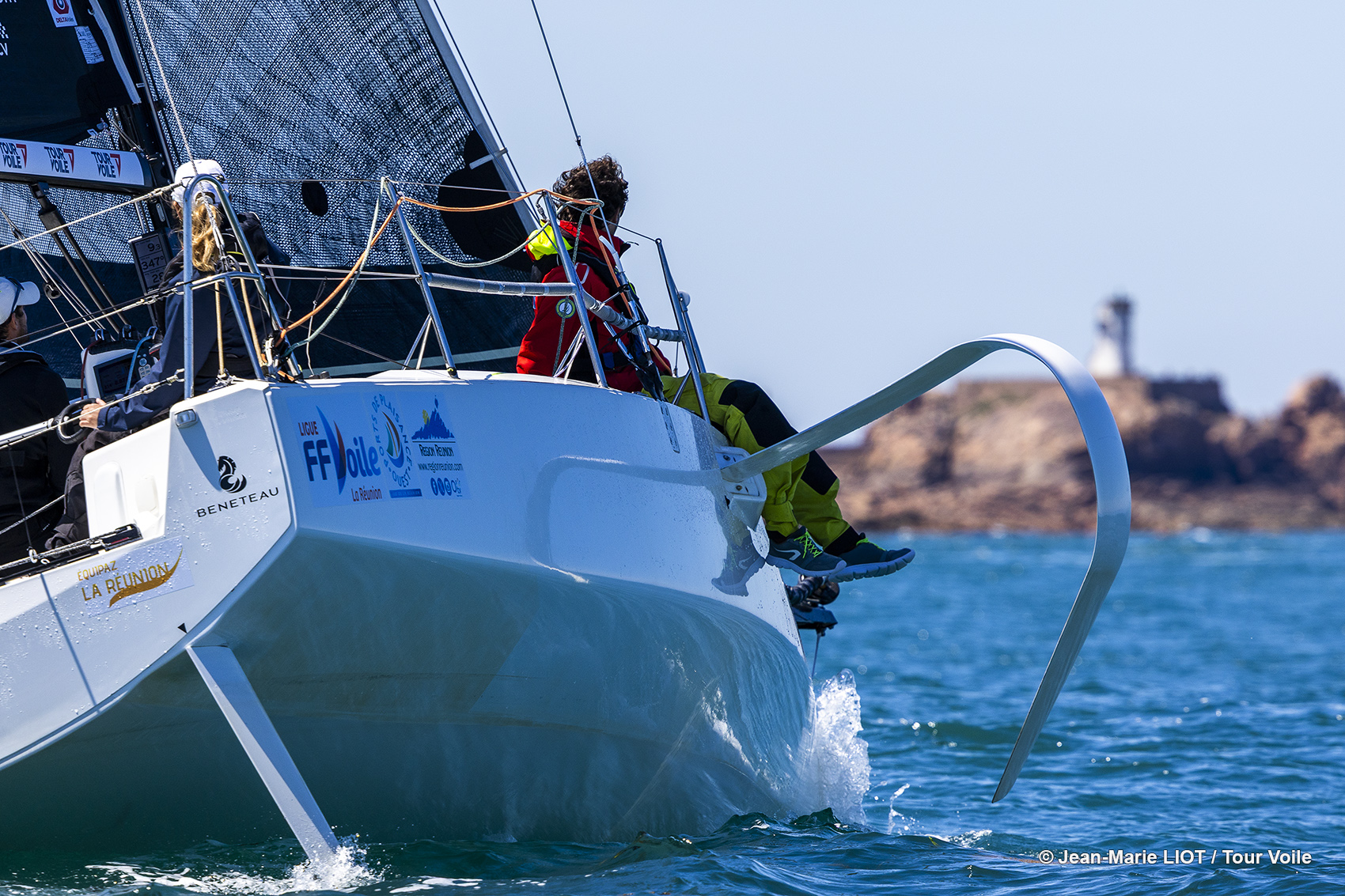
Région Bretagne – CMB Espoir and La Réunion threaded the needle. Nearly everyone else behind them found themselves blocked, forced to drop anchor rather than watch hours of sailing progress evaporate beneath a tide pushing harder than the wind. The GPS traces told the story: some boats drew impossible loops, perfect circles, or hesitant arabesques across the chart before recovering any forward motion. When current overpowers wind, logic—and navigation—become surreal.
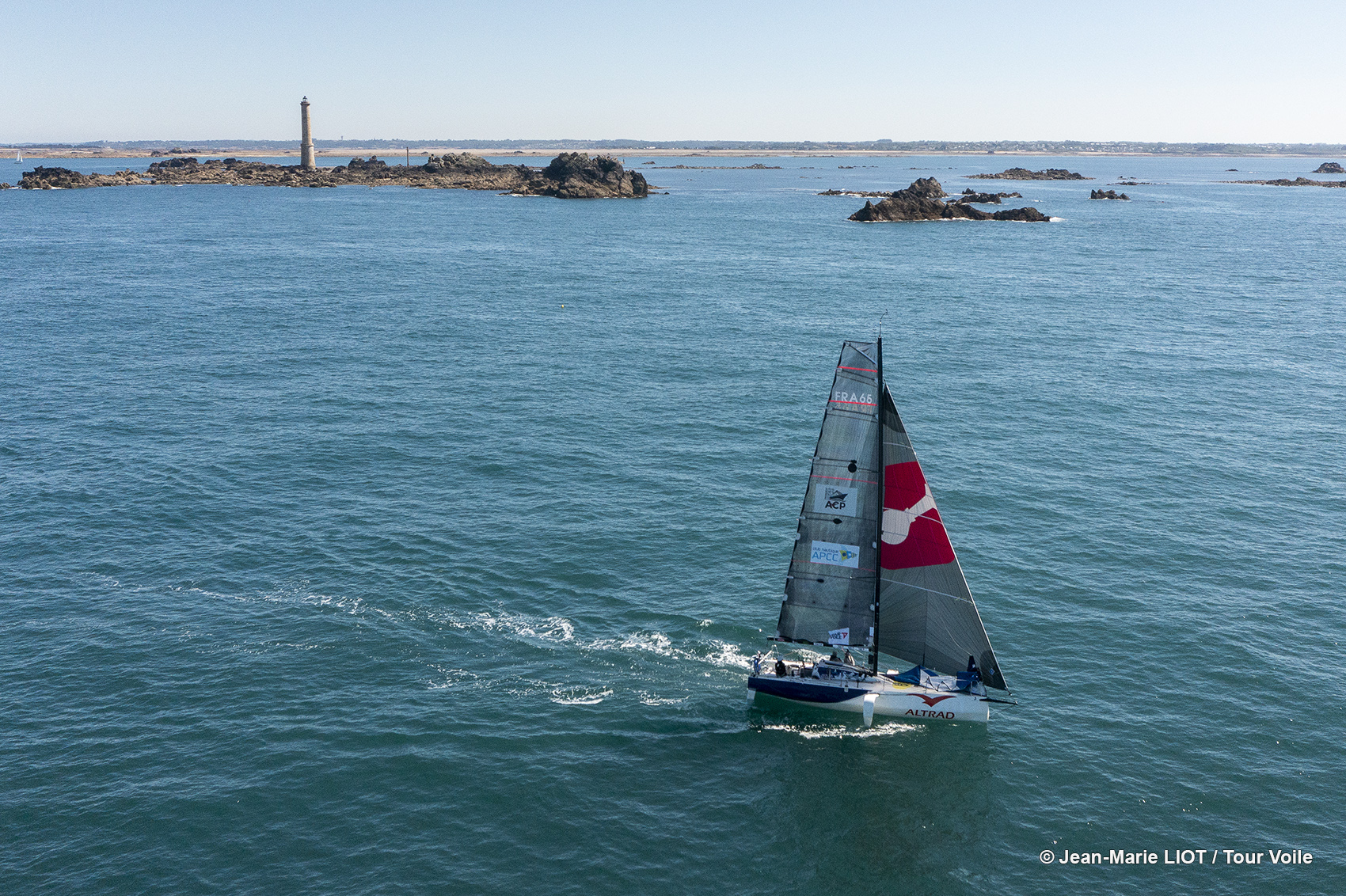
Batz Island: A Second Lesson
By dawn, the same drama replayed at Batz Island. Région Bretagne – CMB Espoir, La Réunion, and the front group threaded the tidal gate just before the turn. CER – Ville de Genève and APCC Centre de Formation arrived moments too late. “They’ll probably be held back by the current for several hours,” Chateau confirmed. “The others passed just before the tidal change. Again, a few dozen metres or a few minutes made all the difference.”



The penalty seemed almost disproportionate to the marginal differences visible on the water—a boat length or two created a time gap stretching hours. For the Figaro Beneteau 3 fleet, such compressed margins reveal how unforgiving coastal racing becomes when tidal flows dominate.
The Finish Line Clock
With light winds persisting and currents continuing to dictate terms, every metre gained today carries weight both in the standings and against the clock. The course carries a time limit: the finish line closes at a set deadline after the first boat crosses. If weak air holds through to the Pointe Bretagne, some crews could find themselves outside the time limit and out of points altogether.
Chateau is keeping all options open. If the course runs the full distance to Camaret-sur-Mer, the leading Figaro Beneteau 3s may not arrive until late afternoon. Between now and then, the fleet faces one last gauntlet across the Iroise Sea, where wind remains hesitant but current shows no mercy. In northern Brittany, the biggest race gaps don’t always come from the biggest tactical choices. Sometimes they’re built a boat length at a time.