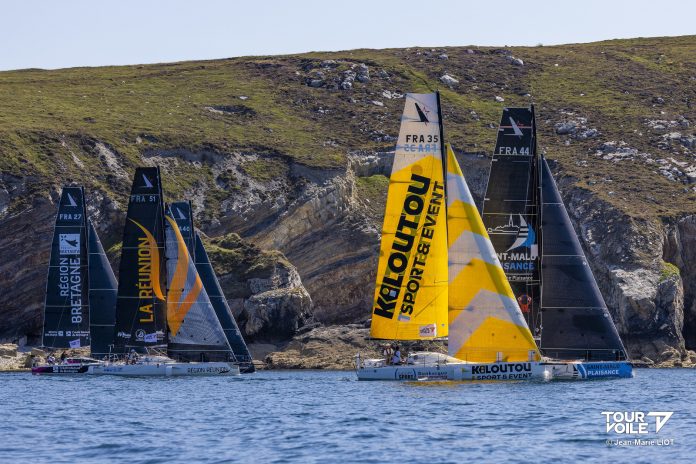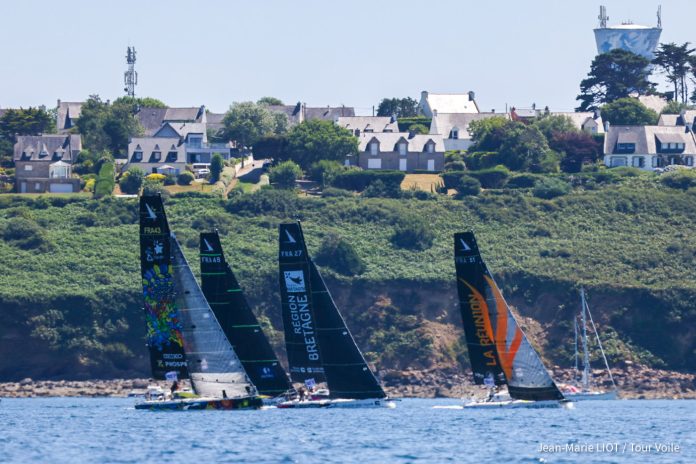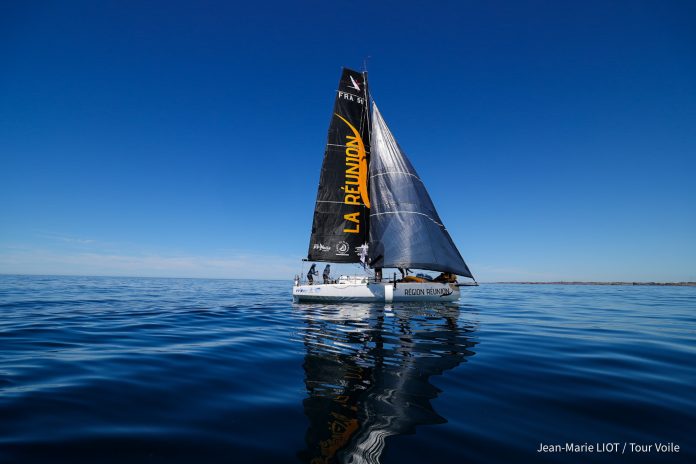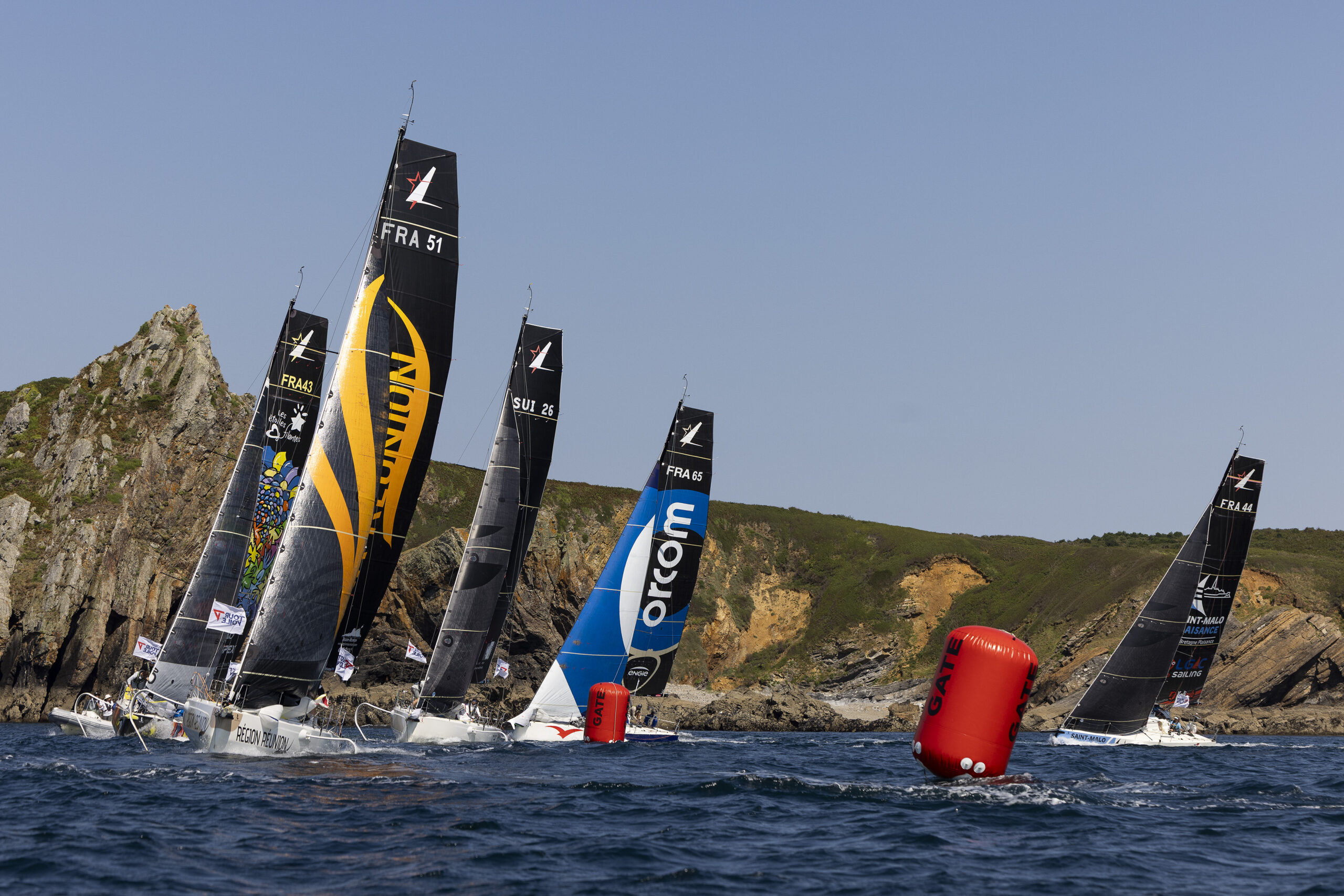
After hours of near-stillness in Camaret-sur-Mer bay, where crews of the nine Tour Voile boats had even received rare permission from race officials to swim while waiting, the wind finally arrived. The thermal breeze built gradually through the day, transforming conditions and delivering the strongest wind of the inshore racing so far. Yet the improved conditions failed to settle anything. Instead, three races produced three different winners, illustrating just how volatile competition in the Figaro Beneteau 3 class has become.
Race organizers had planned two constructed courses and a coastal race, but opted to replace the coastal leg with a third constructed course instead. That decision proved smart. The first two races had been shaped by pressure oscillations and a slow rightward wind shift, creating conditions that made clean racing nearly impossible. When stronger northerly breeze filled in for the final race, it painted an entirely different picture—yet the leaderboard remained in flux.
Adaptation beats pure speed
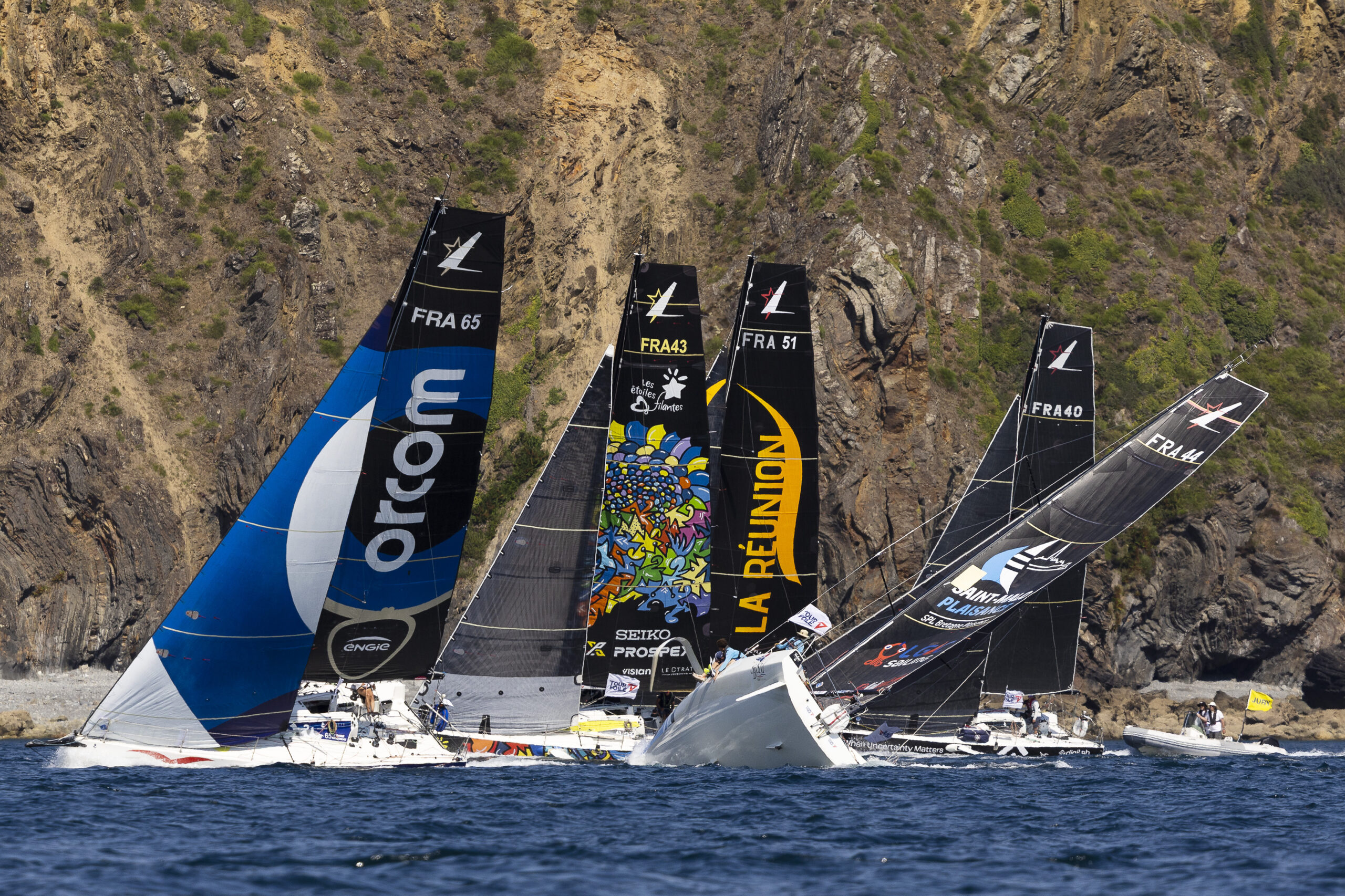
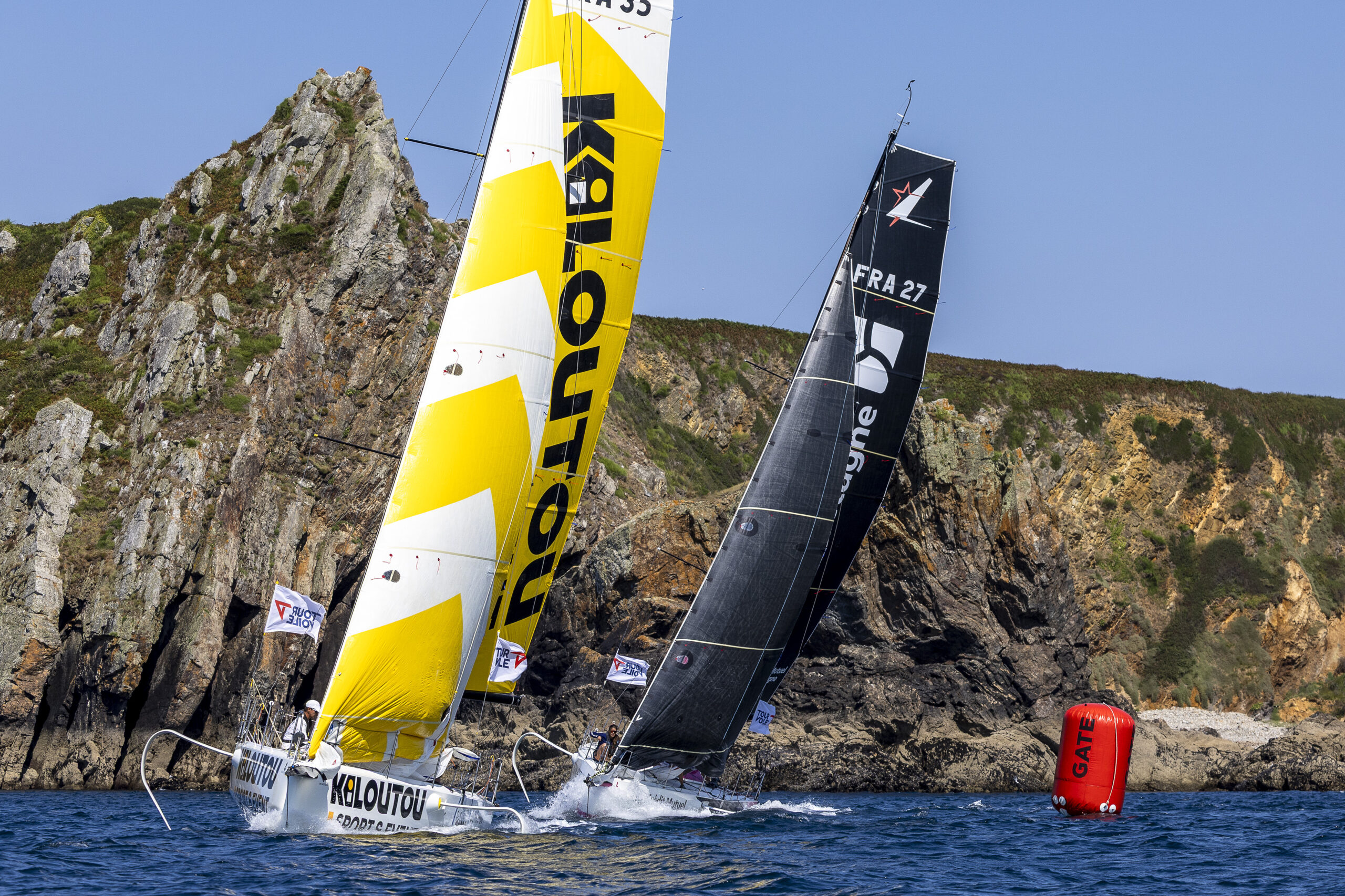
Pierrick Evenou of Dunkerque – Kiloutou captured the volatility: “We had to adapt constantly. The courses were regularly adjusted, the marks moved around. There was competition everywhere and leaders changed almost every lap.” His team’s own journey illustrated the point: they moved from last place to victory in the span of a few hours.

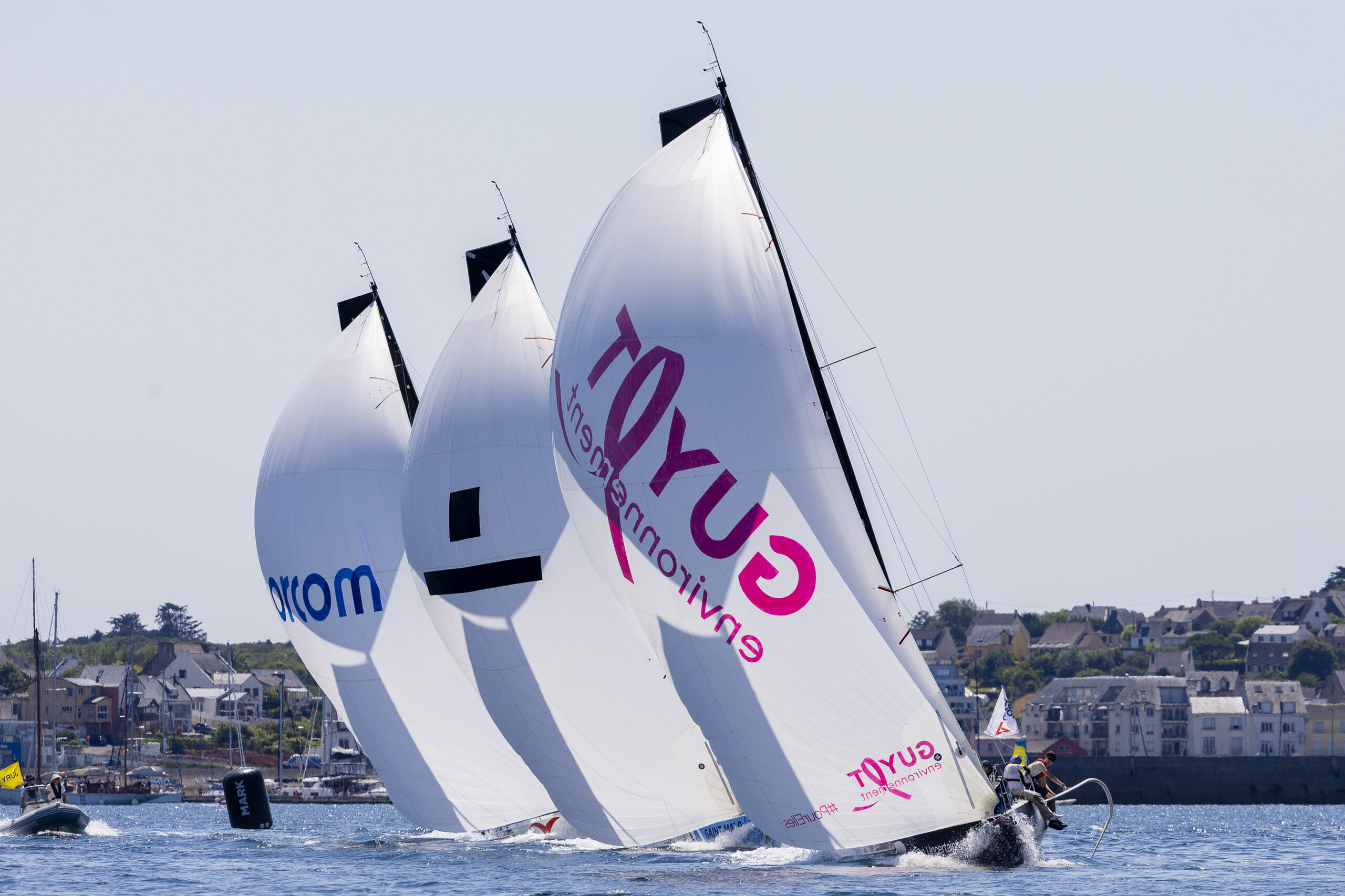
Lorenzo Palazzi of La Réunion explained what tactical depth looked like in these conditions. “In a day like this, something is always happening. Positions change constantly and you have to find the best pressure zones. It’s thrilling,” he said. The key was risk-taking and reading the wind. In the second race, his team started near the back but spotted stronger pressure to the right and committed fully to that side. The gamble paid off with a strong result.
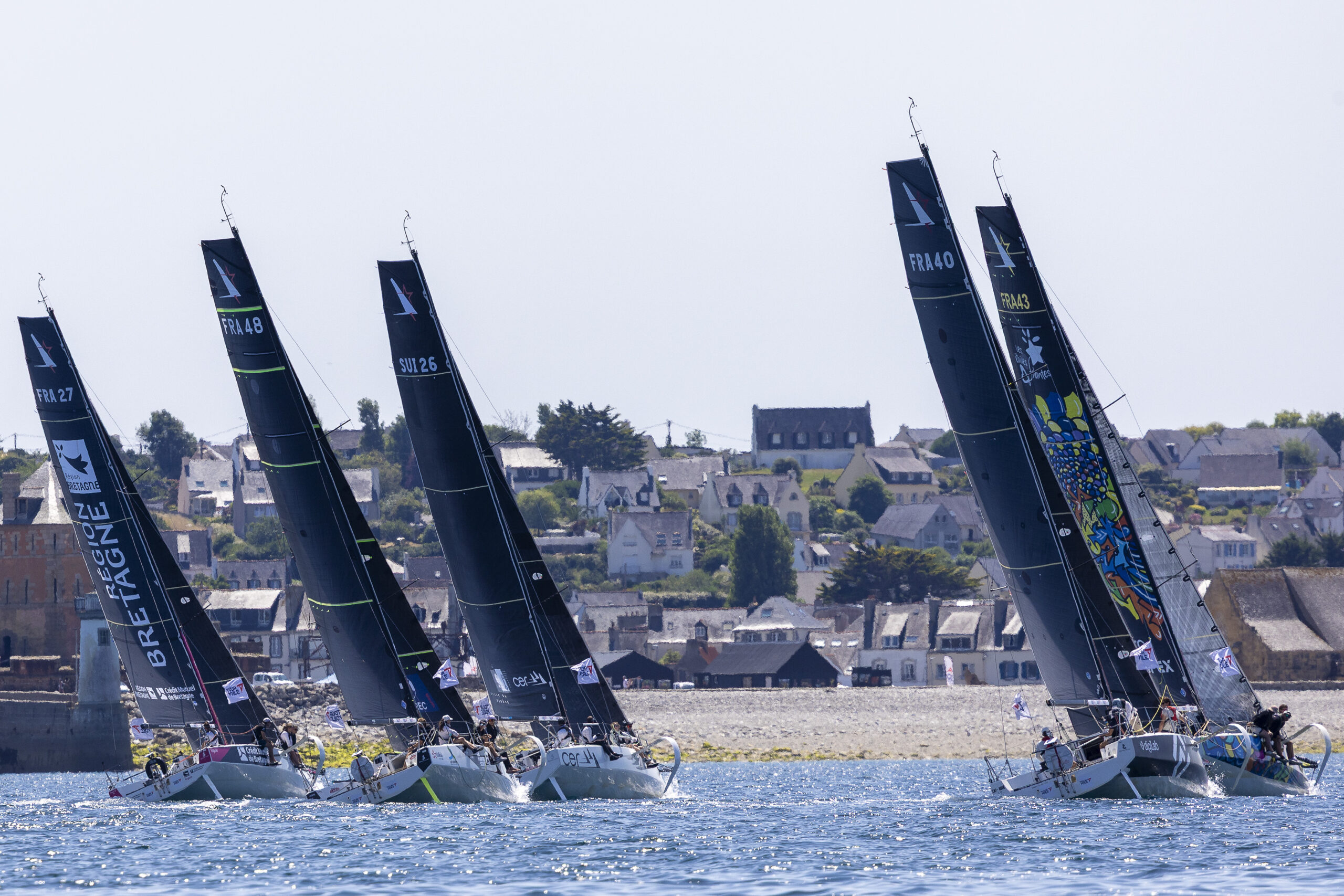
Paul Loiseau of Région Bretagne – CMB Espoir noted the physical toll. After several days of light air, the stronger breeze meant boats heeled more and crew weight management—matting, or hiking out—returned to matter. “We were a bit lazy. We didn’t move weights around while the Réunionnais did. That might explain why they were so fast on the beat,” he said with humor that masked genuine competitive respect.

Leadership consolidated, but far from certain
Région Bretagne – CMB Espoir and La Réunion entered the day tied on points. The final race decided it: Loiseau’s crew won the Grand Prix of Camaret-sur-Mer. “Before the last start, we did the calculations,” he explained. “We knew we had to finish ahead. At the final windward mark, they were still in front. The guys and Lola did enormous work on the last run, and we managed to pass them just before the finish.”
The victory consolidates Région Bretagne – CMB Espoir’s overall lead. Dunkerque – Kiloutou holds second and PAPREC by Normandy Inshore Program remains close behind. The fleet’s competitiveness has only deepened. “Everyone is now perfectly into their rhythm,” Loiseau observed. “Every race is hyper compact. At every mark you fight for position. Everybody sails really well.”
The final offshore leg departs Thursday at 10:30: a 168-nautical-mile passage from Camaret-sur-Mer to Larmor-Plage via La Plate tower, the Raz de Sein, Belle-Île, and Groix. The Tour Voile has made a habit of rewriting its own story each day. There is no reason to expect anything different.