Finn Drummond arrived at Sailability Auckland expecting to volunteer for a day. Ten years later, he is leaving behind a community that has become like family — and a group of sailors who taught him as much about resilience, determination and the joy of the sport as he ever taught them.
When Drummond first stepped into the world of adaptive sailing as a 16-year-old volunteer in 2016, he had no idea the experience would become one of the defining chapters of his life. What started as a favour for his own sailing coach became a journey alongside sailors who challenged perceptions, broadened his understanding of coaching and showed him that sailing is about far more than competition.
Now, as he sets sail for a new adventure aboard a 120-foot superyacht in Tahiti, Drummond says the people, lessons and moments made his time with Sailability Auckland unforgettable.
“I had no clue,” he says of what he expected when he was asked to lend a hand for a day all those years ago. “My first day I kind of got dropped in the deep end.”

By the end of that day, Sailability Auckland sailing coordinator Tim Dempsey had offered him a part-time role.
What followed was more than seven years of coaching across two stints, either side of a three-year break between 2019 and 2022.
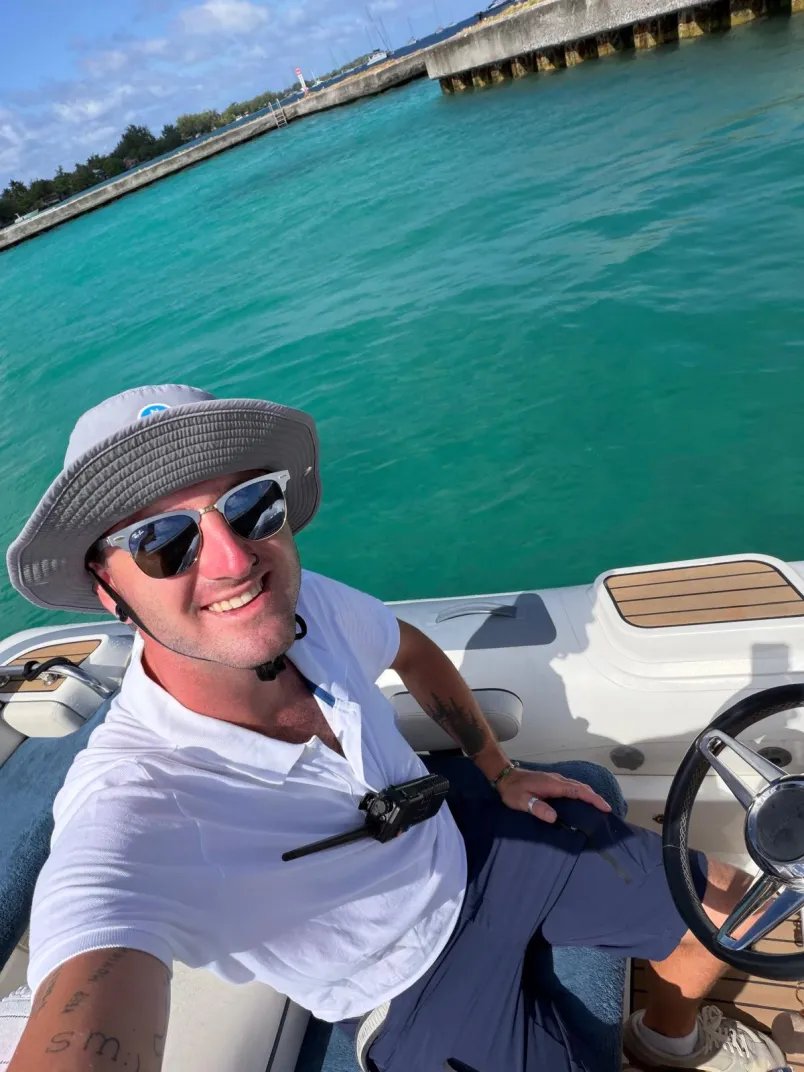
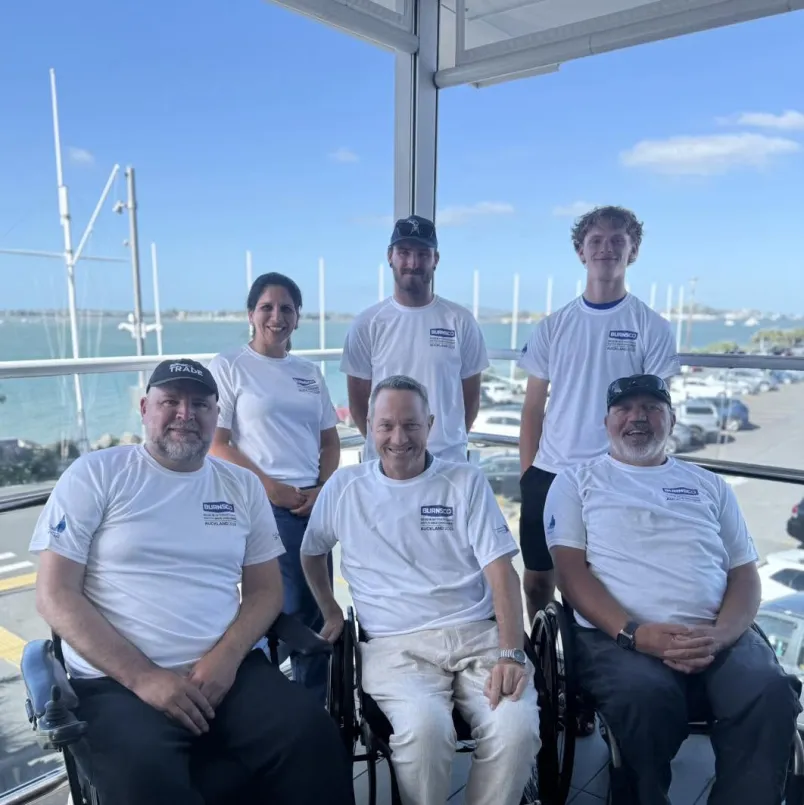
Finn Drummond has said goodbye to Auckland Sailability after more than a decade of involvement. Photo / Supplied
Ask anyone at Sailability Auckland, and they will be quick to tell you Drummond became far more than just a coach. Over countless hours on the water, he developed a reputation as a problem-solver, boat fixer and all-round troubleshooter — someone who could find a way to keep sailors sailing, no matter the challenge.
The role was never simply about teaching people how to sail.

“I just saw it as an amazing organisation and an opportunity to work with a cool bunch of sailors, but it’s a lot more than just coaching,” he says. “It’s having a laugh, learning how to communicate through so many different avenues, being the all-round boat fix-it guy, doing electrical work and continuously making bodge-it fixes to keep people out on the water for the day.
“No two days were the same, and I loved the diversity within the role.”
Drummond says the Hansa World Championships in 2018 was a highlight of his time with the organisation. Photo / Supplied
One of the most memorable moments came early in his time with Sailability Auckland, when, at just 17, Drummond was asked to coach the team at the 2018 Hansa World Championships in Japan.
“When Tim called me to ask if I could be the team coach, I had to ask him if he’d called the right person,” Drummond laughs. “Going over there with such an epic team of Liberty sailors was probably one of my highlights working with Sailability Auckland.”
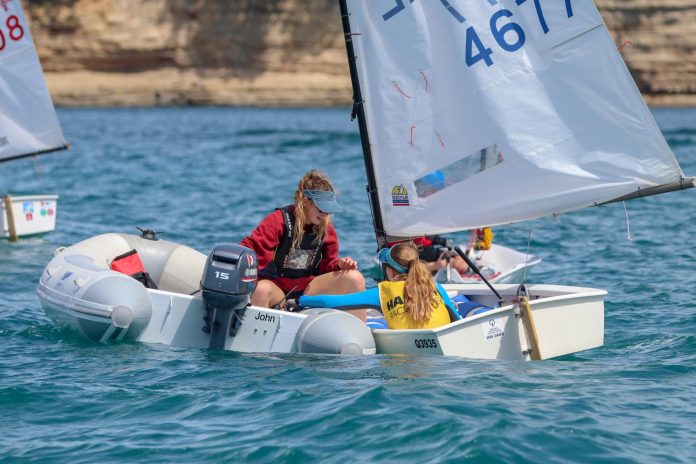
Over the years, Drummond worked with sailors across a range of boats and abilities, including Hansa 303s, SKUD 18s and Liberty boats adapted to allow sailors with significant physical disabilities to experience independence on the water.
Some sailors controlled their boats manually. Others used servo systems or remote controls. One sailor with cerebral palsy controlled her boat using her right foot, while some quadriplegic sailors used chin controllers to steer.
For Drummond, those moments captured what adaptive sailing was all about: “Getting them out of their wheelchairs and away from helpers or carers is so nice for their mental health and their freedom.”
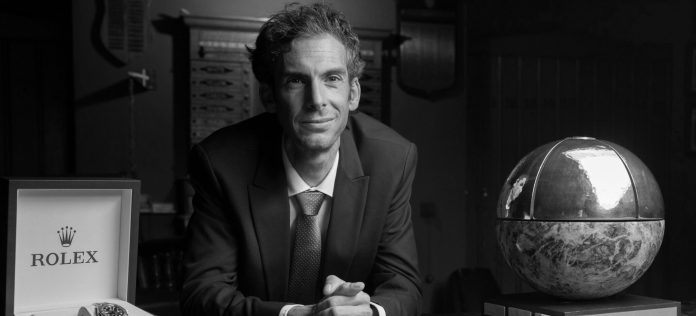
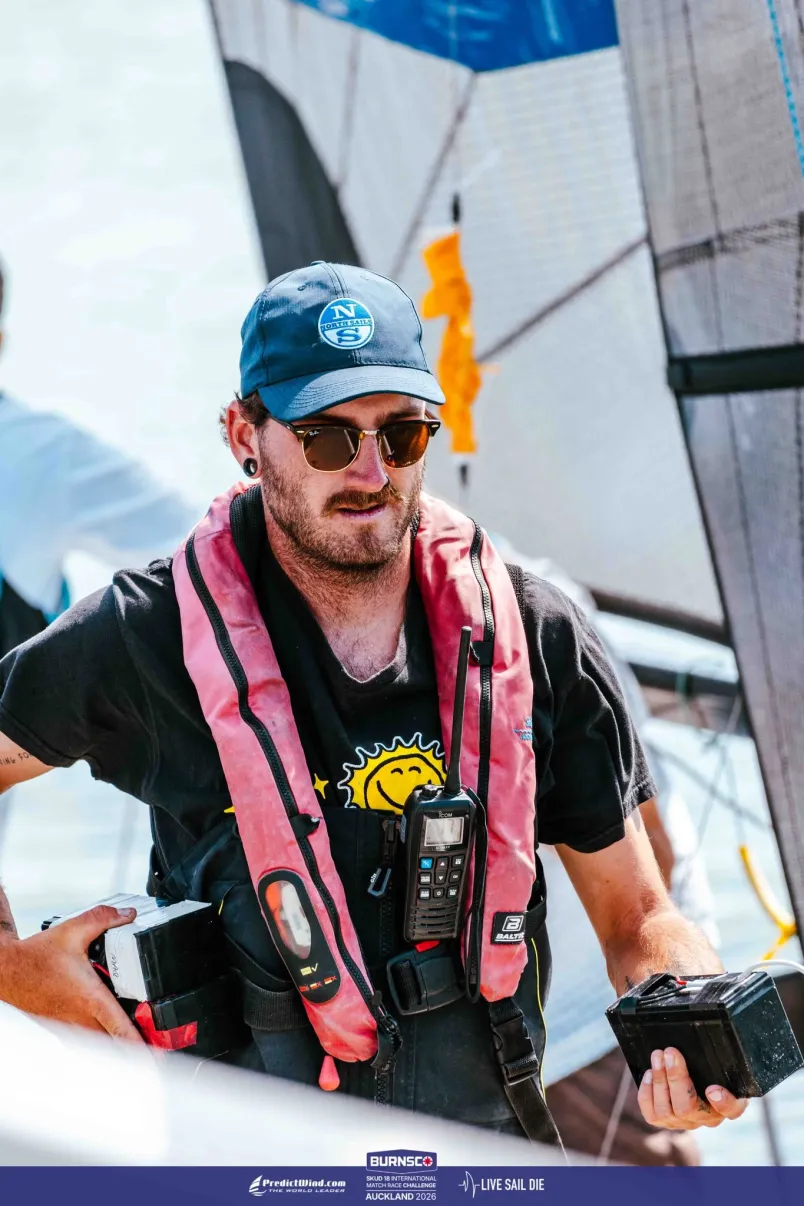
The Aucklander has been described as adaptive sailing’s ‘Mr Fix-it ‘. Photo / Live Sail Die
But while he helped many sailors find independence on the water, Drummond says the learning was always a two-way street. The experience gave him lifelong friendships, a deeper appreciation for inclusion and an even stronger connection to the ocean.

Despite his contribution, Drummond remains typically understated about his role in the sport.
“I don’t think I have given that much to sailing,” he says. “I just had the goal to get others out on the water.”
Drummond was also there through one of the most challenging periods for para sailing, following its removal from the Paralympic programme after the 2016 Games in Rio.
The decision had a significant impact on athletes who had spent years working towards the pinnacle of their sport.
“Post Paralympics, a lot of sailors were gutted that the pinnacle of their sport was dropped,” he says. “We saw quite a few sailors leave Sailability sadly during this time too.”
Today, however, there are reasons for optimism.
“Sailing numbers at Auckland are now at an all-time high,” Drummond says. “Hopefully it gets reinstated for 2032 in Australia, and we will have a whole bunch of good options on who to send.”
Drummond’s next adventure is as a deckhand on a superyacht in Tahiti. Photo / Supplied
Drummond’s next chapter will still be on the water — just in a very different setting.
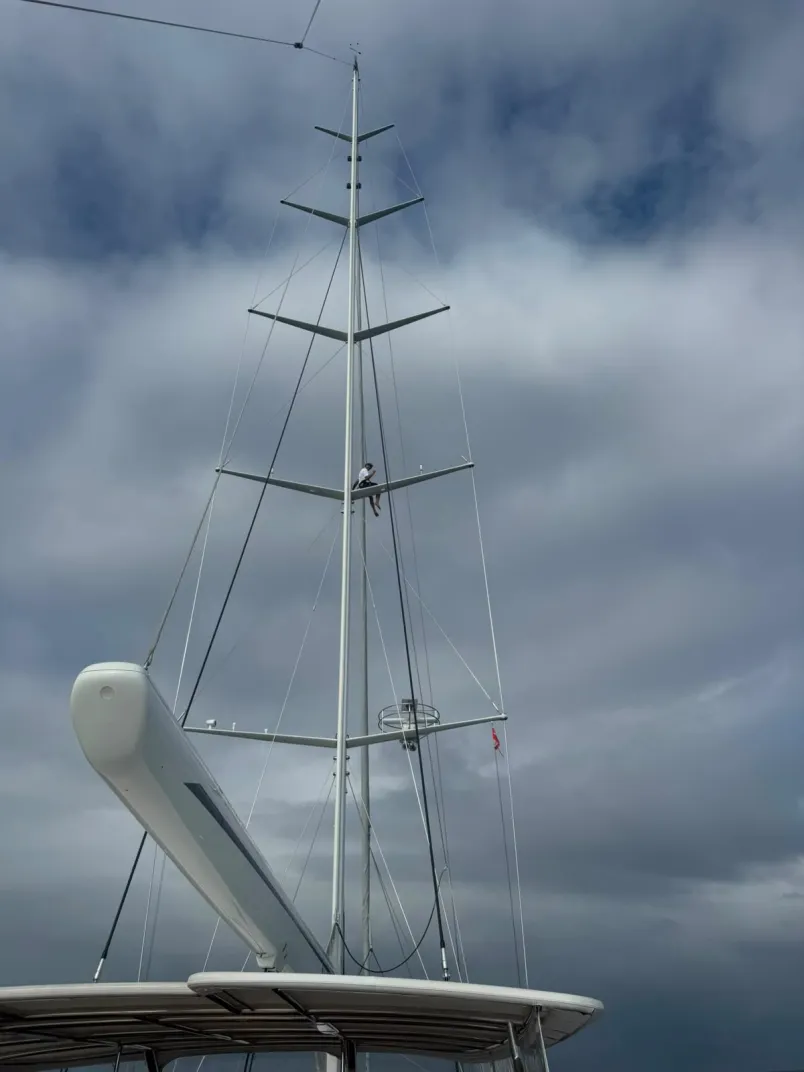
He has swapped Auckland Harbour for a 120-foot sailing superyacht, joining the vessel as a deckhand in Tahiti.
It is a move he has wanted to make for some time, and when the opportunity appeared, he knew he had to take it.
“I’ve wanted to do it for a while, and an offer just kind of dropped into my lap that I couldn’t resist,” he says.
While his career path has changed direction — including moving away from his previous studies in social work — Drummond says the experiences he gained through Sailability will stay with him.
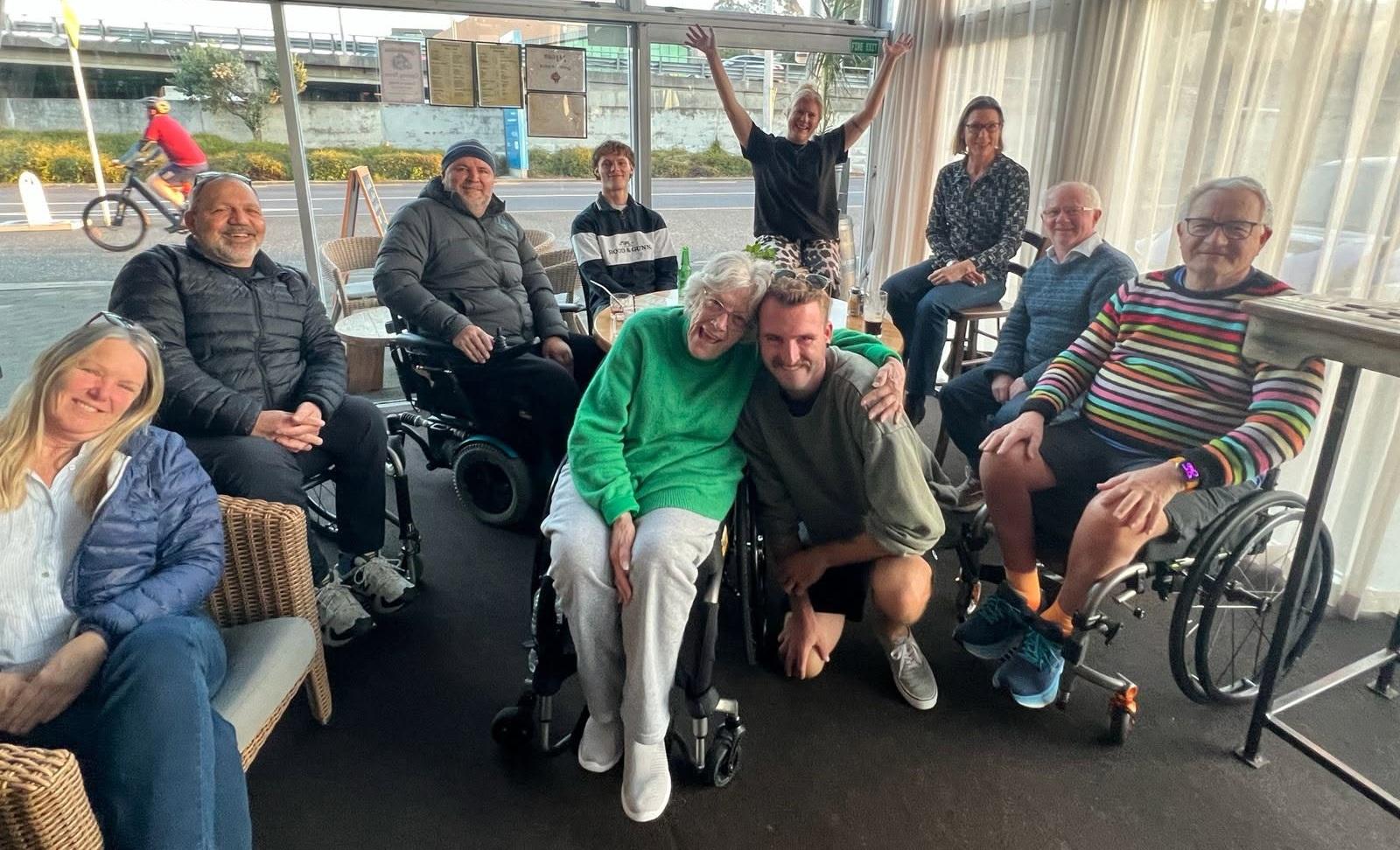
“Sailability is like a massive extra family for me,” he says. “I have left before and ended up back. Who knows what could happen in the future?”
For now, though, his focus is on the next adventure. And while Tahiti may offer new horizons, he knows one thing for certain: sailing will always be part of his story.
His advice for anyone thinking about getting involved in adaptive sailing is simple.
“Just jump straight into it,” he says. “It is some of the most rewarding coaching you will do. You will meet some crazy cool and inspirational people along the way too.”
Originally published by Yachting New Zealand.