Waikato Regional Council has taken the Supreme Award at the 2026 LGFA Taituarā Local Government Excellence Awards for its Pathways to the Sea strategy.
The project also won the Excellence in Environmental Leadership category.
Pathways to the Sea deals with a flaw in the Waikato’s flood protection network. The pumps protect homes, farms and low lying land, but some are dangerous for fish trying to reach the coast.
The council has spent six years investigating how tuna and other native species can pass through that network without being injured or killed.

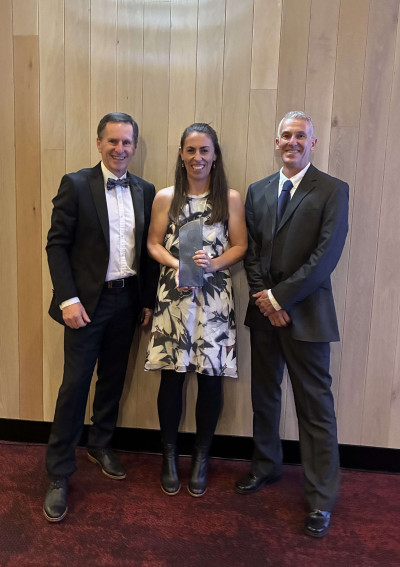
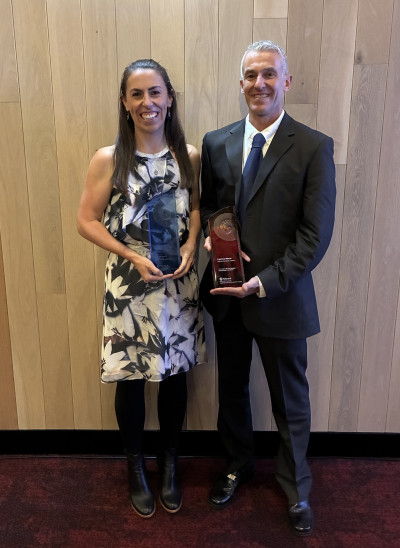
Chief Executive Chris McLay, Senior Freshwater Ecologist Alicia Williams and Reliability Engineer Steve Hall accepted the awards at Tākina Wellington Convention and Exhibition Centre.
A record 69 entries competed across seven categories in 2026. The awards recognise management, leadership and collaboration within New Zealand’s local government sector.
Pathways to the Sea addresses an old problem
Waikato Regional Council operates more pump stations than any other council in New Zealand.
Many were built decades ago. Engineers designed them to move water and reduce flood risk, with little thought given to fish migration.

The pumps remain essential. They remove water from drains, rivers and low lying areas when gravity cannot shift it quickly enough.
For fish heading downstream, however, the machinery can sit directly across the only available route.
Tuna spend much of their lives in freshwater. Mature adults eventually leave rivers and wetlands, travelling downstream and out to sea to breed.
That journey can take them through pumping stations. Conventional pumps may injure or kill the fish as they pass through.
Floodgates and culverts create further obstacles along the way. Together, these structures can break the link between freshwater habitats, estuaries and the open coast.
Pathways to the Sea changes how the council considers that link. Engineers must still maintain flood protection, but fish passage now forms part of decisions about operating, renewing and replacing assets.
Williams says the work became a passion project for the council team.
“Developing this strategy to provide safe downstream passage for tuna (eels) and other native fish through our flood protection infrastructure was something we deeply believed in, and we’re incredibly proud of the positive environmental outcomes it will deliver.

“Winning this award wouldn’t have been possible without the support of our 14 funding partners, and our iwi and hapū partners across the Waikato.”
Six years testing fish friendly options
Council staff led the research programme over six years, with support from 14 funding partners.
Rather than looking for one answer to suit every site, researchers tested several different approaches.
New pump designs formed one part of the work. Gravity bypasses offered fish a route around the machinery, while electrical deterrents were tested as a way of steering them away from dangerous channels.
Trap and transfer operations provided another method. Fish are captured upstream of an obstacle, then carried past it and released downstream.
The project produced more than 20 technical reports and attracted attention from researchers and infrastructure operators overseas.
Results from the pump trials were encouraging. Between 74 and 100 per cent of fish passed safely through the equipment tested.
One of the pumps was a New Zealand designed retrofit prototype.
That is useful because councils already have large networks of working pump stations. Replacing every older unit would be expensive and could take decades.
Retrofitting existing equipment may allow councils to reduce fish deaths sooner. It could also preserve much of the original station while improving the route through it.
Not every site will need the same treatment. One station may suit a new pump, while another could work better with a bypass. Trap and transfer may remain the best answer where rebuilding is not yet possible.
The research gives councils evidence they can use when making those choices.
Pathways to the Sea becomes everyday council work
Waikato Regional Council has moved the strategy into its regular infrastructure programme.
Fish passage will now be considered when staff assess pump stations, prepare renewal work and design new assets.
McLay says other councils will also be able to use the strategy.
“The Pathways to the Sea Strategy has now been embedded into our business as usual operations and has been designed so it can be adopted by councils across the motu.
“The passion and dedication of our staff throughout this project ensures it will deliver long term benefits for our freshwater ecosystems, while upholding Te Mana o te Wai.”
The Waikato is not alone in having older flood protection infrastructure.
Pumps, gates, culverts and drainage channels operate beside rivers, wetlands and estuaries throughout New Zealand. Many were installed when keeping fish routes open was not part of the design brief.
The Waikato research gives other councils a starting point. They can draw on six years of testing rather than beginning again at each pump station.
It also connects flood protection work with what happens further downstream.
Rivers and drains feed into estuaries, harbours and coastal waters. Fish moving between those environments need a continuous route, even when that route passes through heavily modified land.
For tuna, one old pump can stand between a lifetime in freshwater and the journey out to sea.
Pathways to the Sea is about removing that obstacle without weakening the flood protection communities rely on.