# EDITORIAL: ANDERSSON AND TORRENTE DOMINATE KYRGYZSTAN’S MAIDEN F1H2O CHAMPIONSHIP ROUND
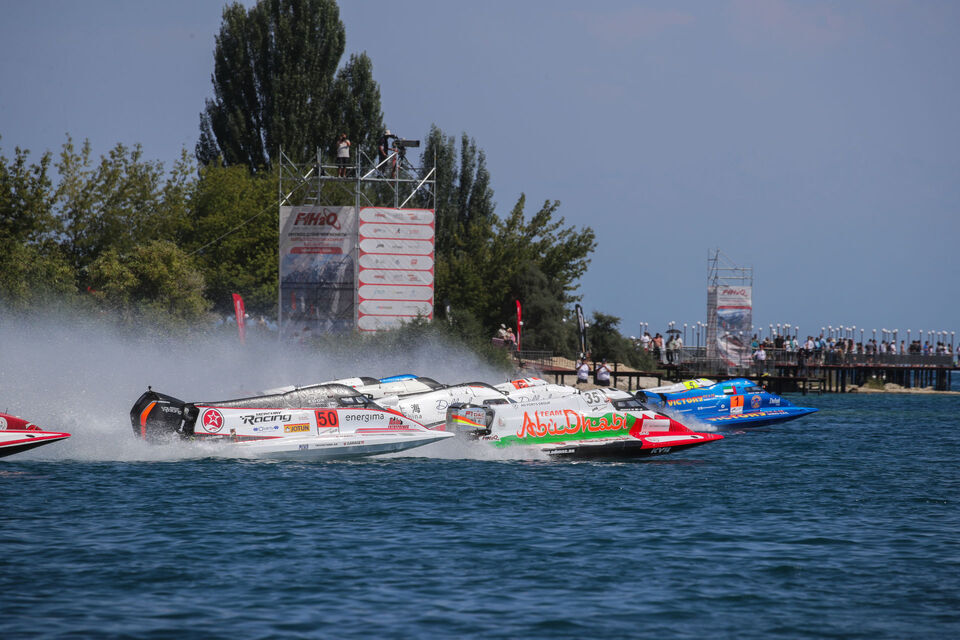
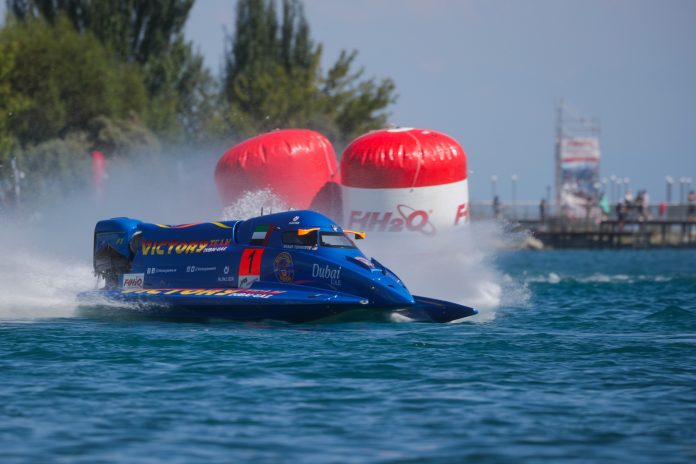
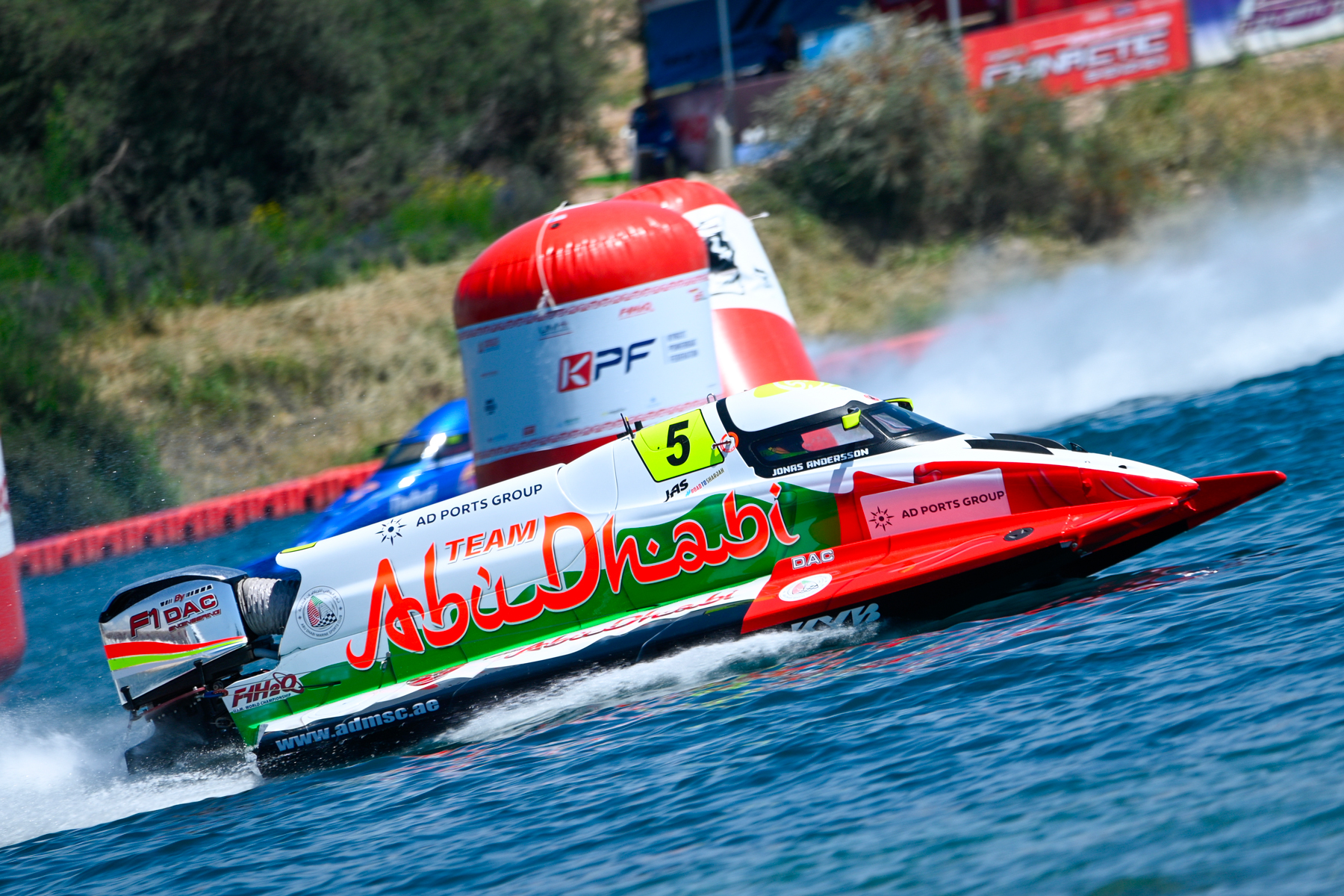
The Central Asian mountains framing Issyk-Kul Lake provided a stunning backdrop for the world’s fastest circuit powerboat racers this past weekend, as the UIM Formula 1 powerboat championship made its inaugural visit to Kyrgyzstan. Two multiple world champions proved why they sit at the pinnacle of hydroplane racing, with Jonas Andersson and Shaun Torrente each taking convincing victories in Saturday and Sunday’s sprint races respectively.
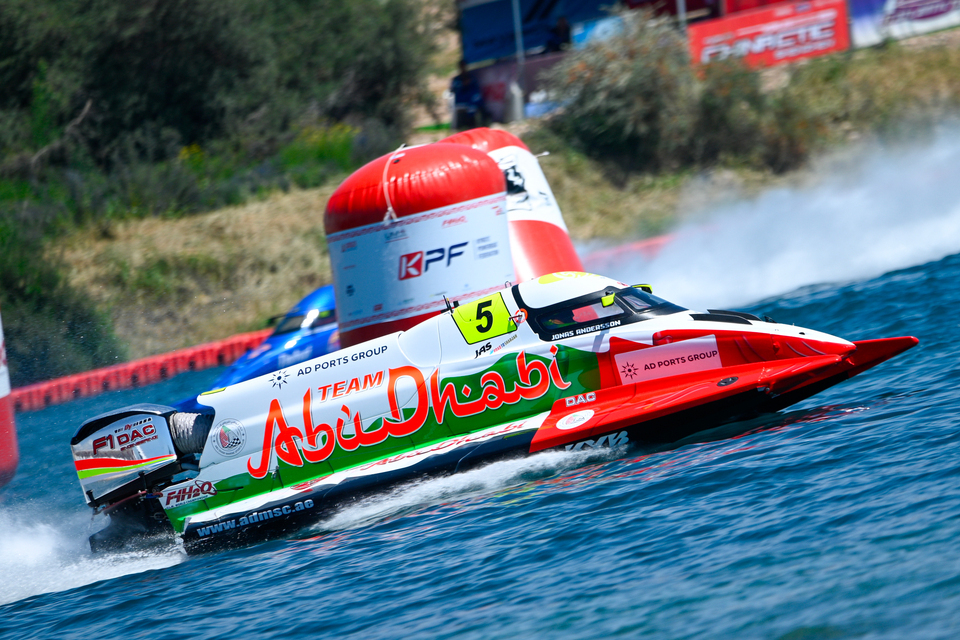
Andersson’s pole position run on Saturday set the tone for what would become his dominant display in the opening heat. The Swedish driver’s command of the 220km/h single-seat craft was evident from the moment qualifying finished, and he translated that advantage into a straightforward race win that left little doubt about his pace on the Central Asian course.
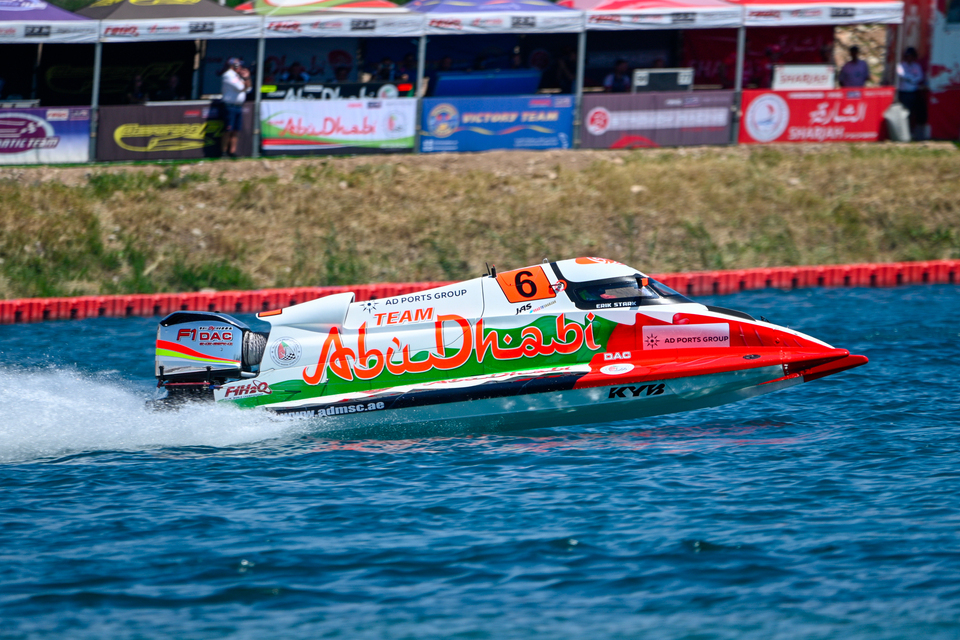
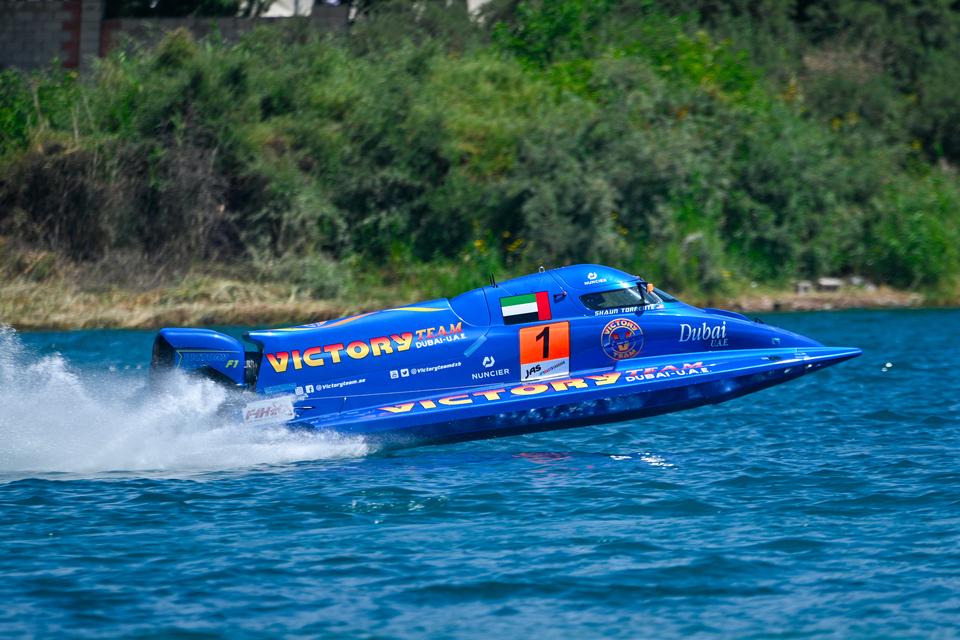
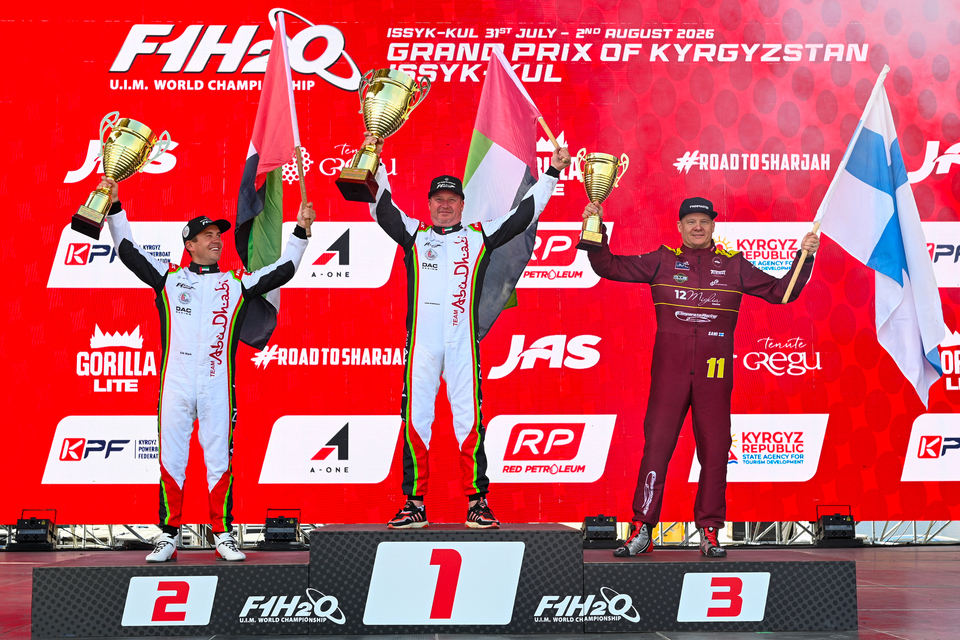
Torrente’s response came swiftly on Sunday when he claimed the inaugural Grand Prix of Kyrgyzstan title in front of the packed crowds that lined the water’s edge. The pair, both carrying multiple world championship credentials, delivered the kind of head-to-head competition that defines top-tier motorsport. Andersson started from pole, but Torrente’s race craft proved decisive when it mattered.

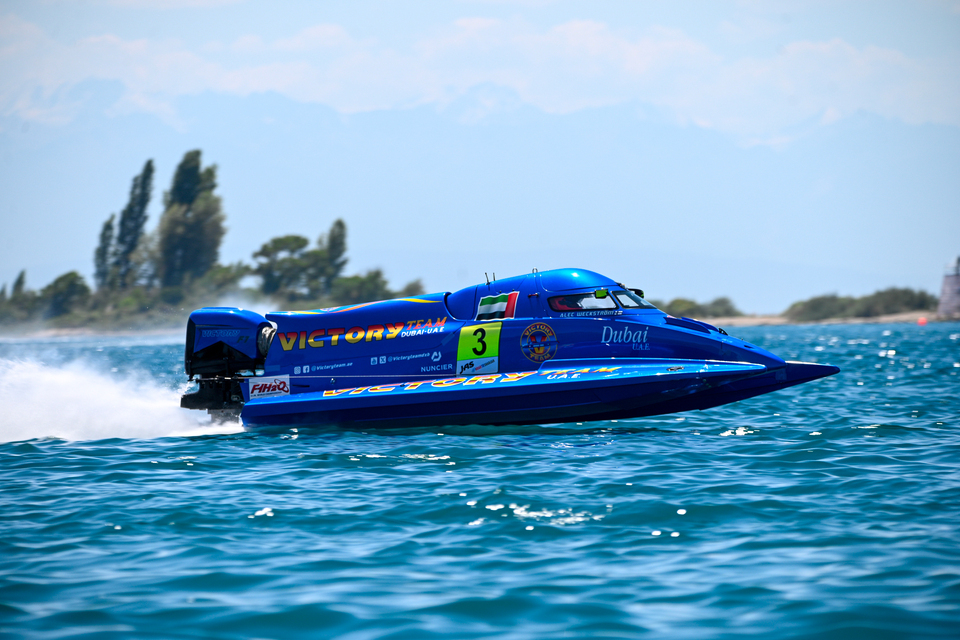
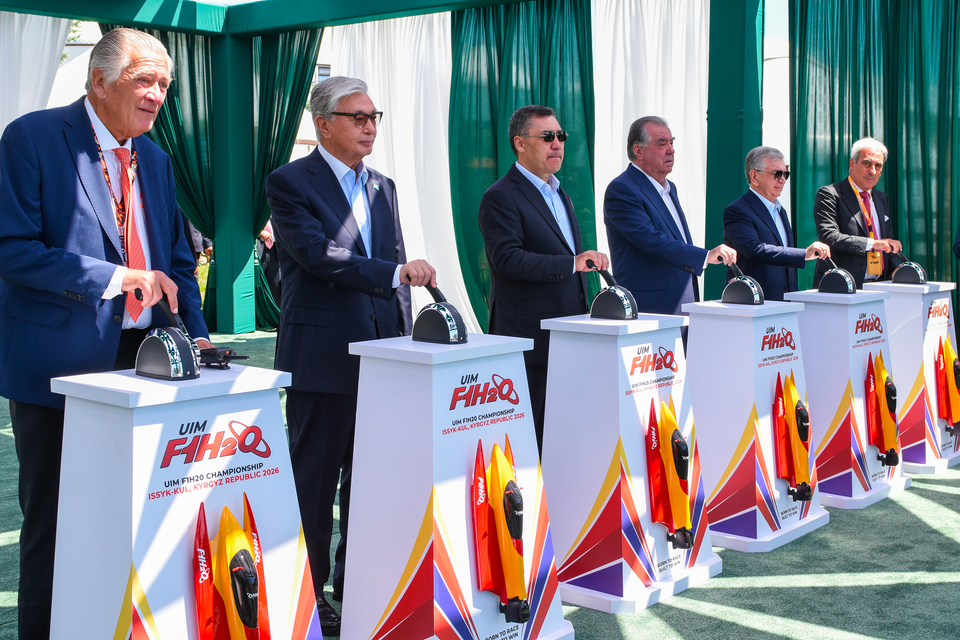
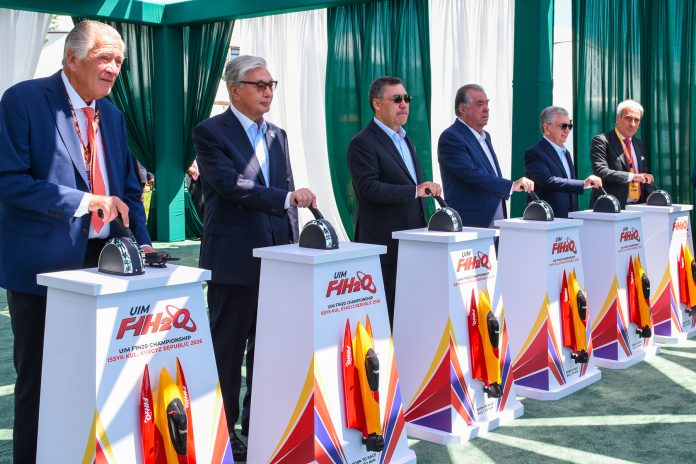
The expansion to Kyrgyzstan represents a significant geographical shift for F1H2O, bringing Formula 1 powerboat racing to an audience and venue previously untapped by the championship. The ceremonious opening addressed crowds gathered to witness something entirely new to their region. For a sport that demands technical precision at extreme speeds across open water, the challenge of establishing a new circuit while maintaining championship standards is considerable.
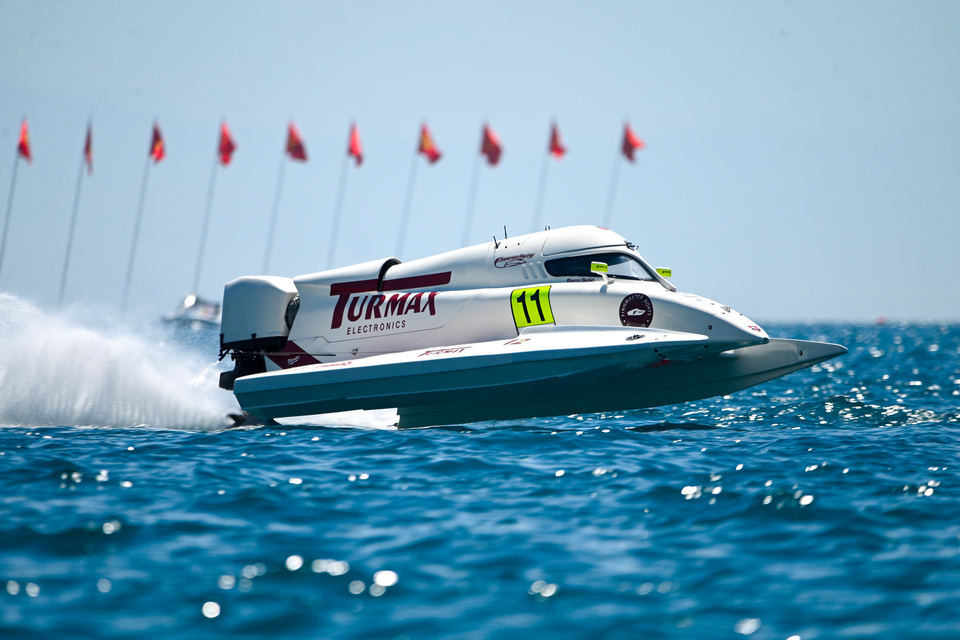
Both drivers will carry momentum from these performances into the championship’s next round. Andersson’s qualifying dominance and race-day execution demonstrate the consistency required at this level, whilst Torrente’s comeback victory on the circuit’s opening day suggests the championship battle remains wide open. The margin between first and second in F1H2O racing often comes down to tenths of a second, and both drivers displayed the sharp racecraft that separates champions from the rest of the field.
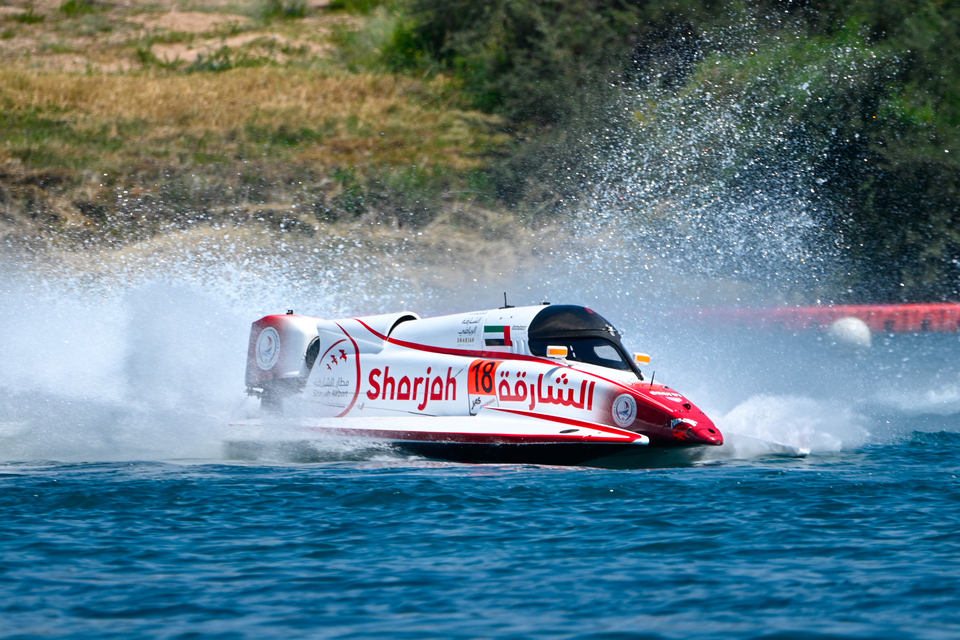
The two-day format allowed spectators to see the sport’s elite drivers perform across different weather and water conditions. Issyk-Kul’s mountain setting and unpredictable conditions proved neither pilot any particular advantage, with both handling the technical demands of their hydroplanes with the precision such machinery demands.
New Zealand’s powerboat racing community will be watching these developments closely. Local drivers have competed at the highest levels of F1H2O, and the expansion to new venues like Kyrgyzstan signals an increasingly global calendar. The championship continues to demonstrate its capacity to attract international venues whilst maintaining the intense competition that keeps fans engaged across the sport’s traditional strongholds in Europe and North Africa.