


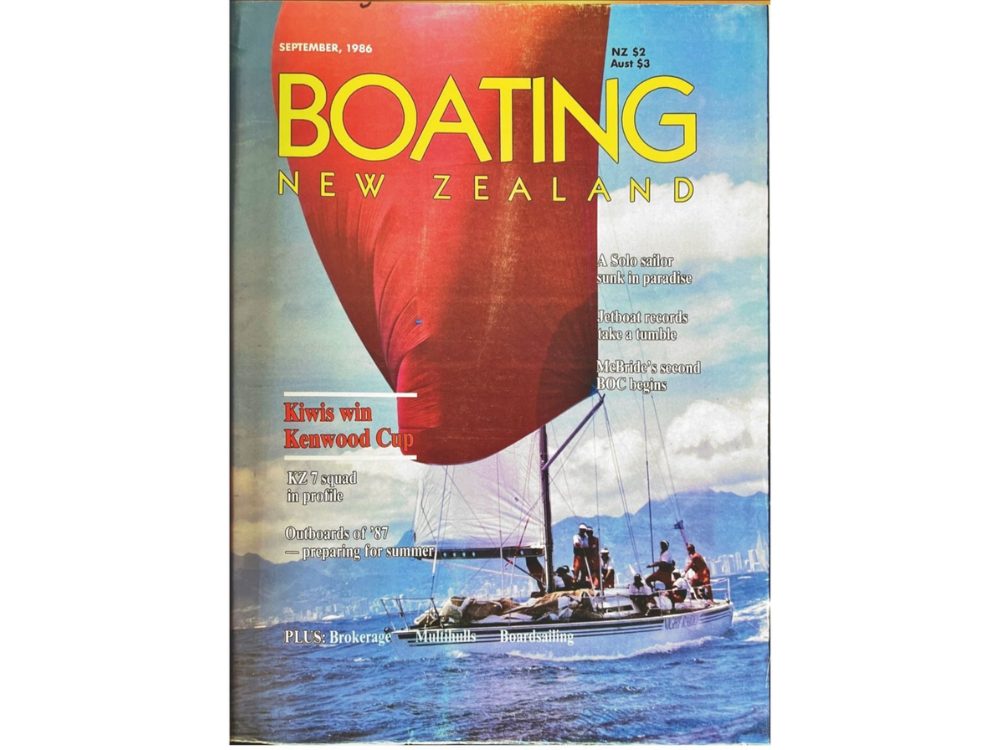
August marked forty years since the first edition of Boating New Zealand went to print. Co-founder Bruce Laybourn recently sat down to talk through how it happened, and the story doesn’t begin with a business plan or a pitch to investors. It begins in a receiver’s office on Queen Street.
The meeting that ended one magazine and started another
Before Boating New Zealand existed, Bruce was editor of Nautical News, owned by Auckland printing company Chaz Davians, with Malcolm “Mal” Taylor running the advertising side. It was 1986. Chaz Davians had gone into receivership during what were, by most accounts, good years for the industry. Nautical News happened to be the one part of the business actually turning a profit.
Bruce and Malcolm were called in to meet the receiver. Bruce remembers being treated “like a couple of squiggles” and handed a stack of new contracts to sign, no negotiation involved. They didn’t sign. They headed for the lift instead, with the receiver calling after them not to leave. “I said, well, you’ve just guaranteed it,” Bruce says.
They went back to Bruce’s lounge that same day and decided to start their own title. No office. No idea how payroll worked. They called it Boating New Zealand.

Two magazines on the same shelf
For about three months, Boating New Zealand ran alongside Nautical News, which had found new backers, a pair of horse breeders from Taranaki who’d stepped in to keep it going. Two A3 boating magazines, competing for the same readers.
The horse breeders called it quits before long. They took Bruce and Malcolm to lunch, conceded the fight, and sold Nautical News to them for around $40,000. Bruce and Malcolm shut it down for good. The one loose end was Nautical News‘ subscriber base, worth real money at the time. Rather than ask those readers to pay twice for what looked like the same magazine, Bruce and Malcolm gave them a free year of Boating New Zealand. Most of them stayed on as subscribers long after that.
Long hours, longer lunches
Bruce doesn’t dress up how they ran the place in the early years. “We were all young enough and dumb enough that we weren’t frightened,” he says. “We just charged forward, and the industry loved it.” Manufacturers backed them early, Yamaha among the biggest, and within a short time the team had their own boat and a presence at every event on the calendar.
Deadline weeks meant genuine cut-and-paste work with scalpels and glue, and sessions that ran past one in the morning. Once an issue was put to bed, the office could empty out for a week at a time. Bruce recalls their accountant, Barry, turning up one Monday to find nobody there and the company chequebook gone missing along with the staff.

Their first computer came via a barter deal with a neighbouring firm in their Newmarket office block: a boat, traded straight across for a computer. It had no mouse. You chased a cursor around the screen with arrow keys. It still got them off the cutting boards.
Writing for the coffee table, not the news cycle
Bruce and Malcolm made a deliberate choice early on to keep a strong run of what they called dateless content in the magazine, stories built to survive sitting on a coffee table for ten or twenty years, not just the next issue cycle. One of the most popular writers went by the pen name Bilgewater and drew his own cartoons to go with his columns. When he had a heart attack, the story goes that his surgeon was a Bilgewater reader and told the hospital to get him back to his desk rather than keep him resting.
That approach still holds up. Boating New Zealand‘s digital team has been republishing articles from eight to ten years ago, old book reviews among them, and finding they still land with readers now.
What forty years looks like now
Bruce stayed with Boating New Zealand for fourteen years before moving into travel publishing. Fairfax later bought into the business, a period Bruce found harder going than the early scrappy years, and he eventually sold his stake and moved on.
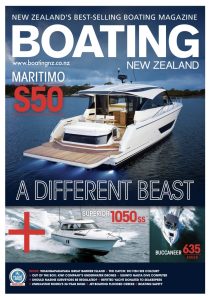
The magazine he and Malcolm started in a lounge is still running, and the numbers look nothing like they did in 1986. Last month, Boating New Zealand served close to 150,000 articles to around 100,000 distinct readers online, a jump from the six visitors it counted every thirty minutes when the digital side first got underway less than two years ago. The print edition hasn’t disappeared either. 107,000 readers per edition. Visitors to the On Water Boat Show still turn up looking for old back issues, the same glossy coffee-table magazine Bruce and Malcolm set out to build all those years ago.

Used to buy every month good job on ruining an excellent magazine.do a comparison and you can’t be proud.must be more profitable
Love to know what you think would make it better! We are trying very hard online to bring as much content, as fresh as possible – it would also be great to see stronger engagement with print again.