Ask when the New Zealand sailing season actually starts, and the honest answer depends entirely on who you ask.
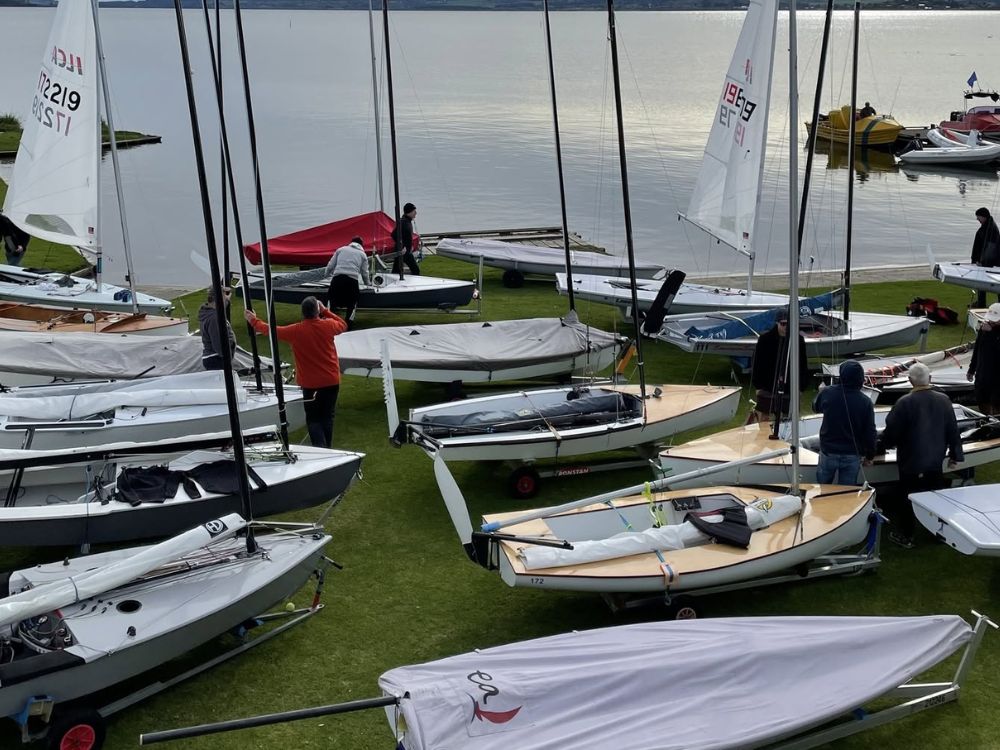
Down in Canterbury this coming weekend, two of the country’s first formal Opening Days of the 2026 to 2027 season get underway around the Christchurch Estuary. Christchurch Yacht Club (CYC), now in its 135th year, opens tomorrow, Saturday 5 September. From its clubhouse near Redcliffs, CYC races inside the estuary and across the bar into Sumner Bay, its fleets built around strong Zephyr and Laser classes plus a keeler division.
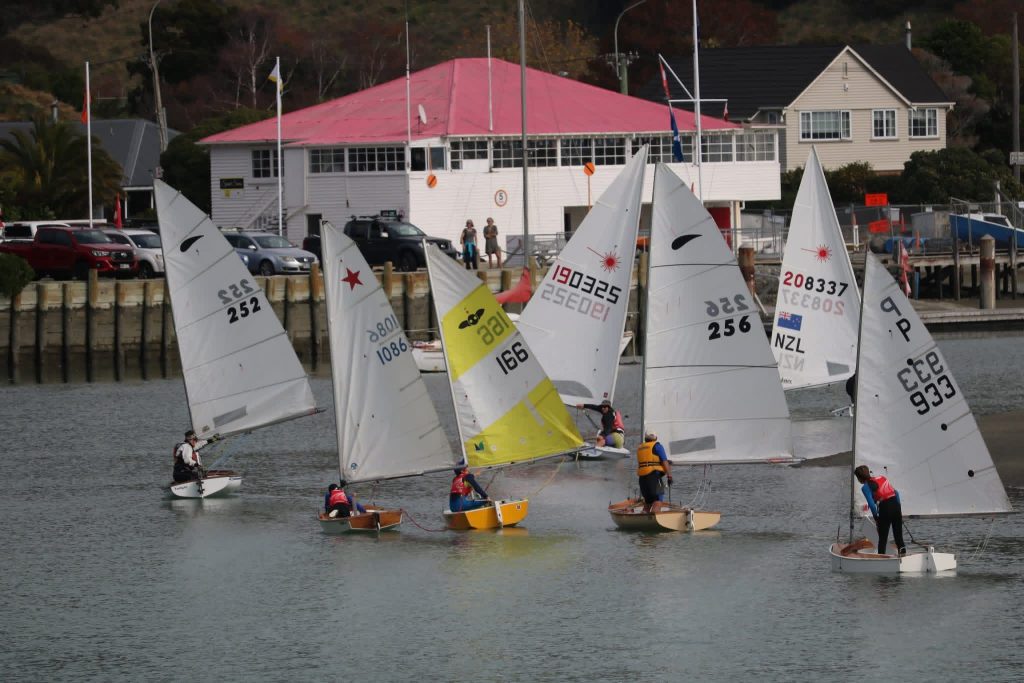
Across the estuary at South New Brighton, Pleasant Point Yacht Club (PPYC) opens the following day with a stacked racing card: the Eric Orange Trophy, Pet Cup, O’Hara Grant Trophy and Nina Mander Memorial Cup. Its programme is built around family sailing, junior and youth dinghies, multihulls and small trailer yachts. PPYC’s clubhouse was badly damaged in the 2011 Christchurch earthquakes; the club spent years based at Rat Island before returning to South New Brighton and opening a brand-new clubhouse in 2019.
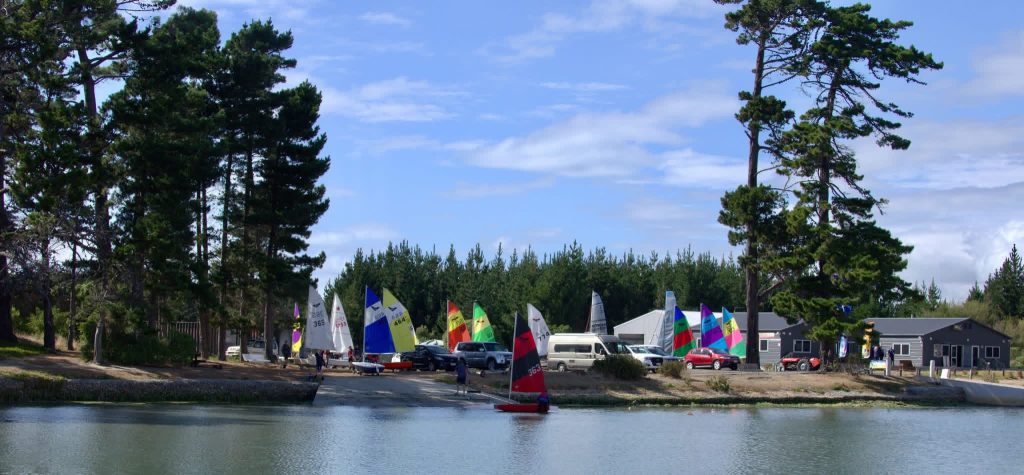
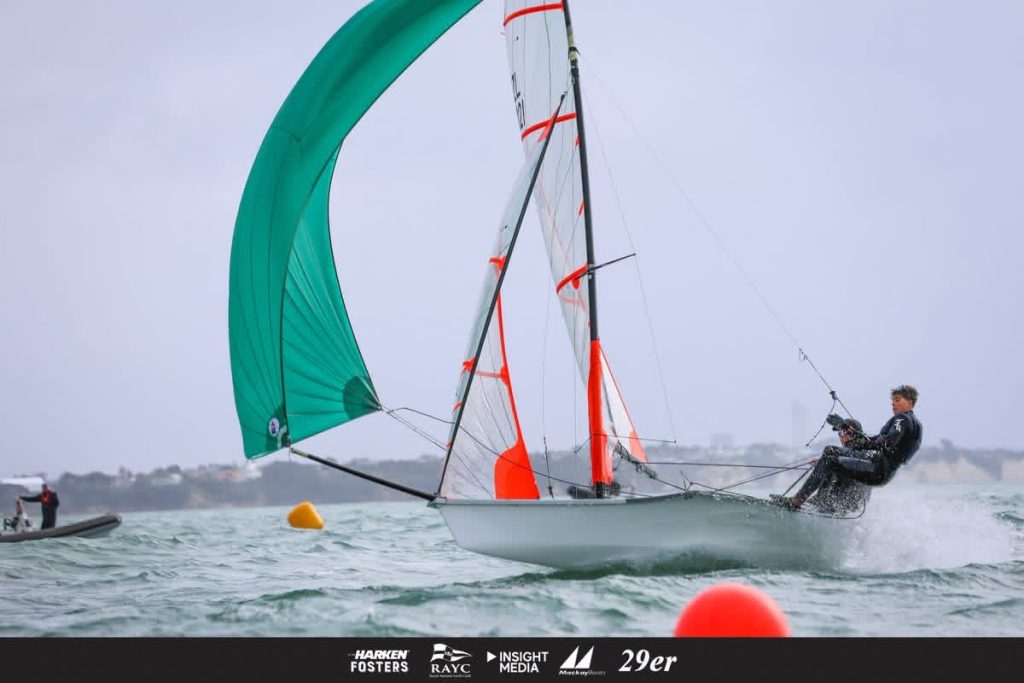
The long-standing Narrow Neck club Wakatere Boating Club (WBC) opens its 2026/2027 season two weeks later, on Sunday 20 September. It’s known for dinghy sailing, centreboard yacht racing and foiling classes, and the talent pipeline includes George Lee Rush won the 2026 49er World Championship alongside Seb Menzies, and recent Wakatere Olympians include Josh Armit, Greta Pilkington and Lukas Walton Keim.

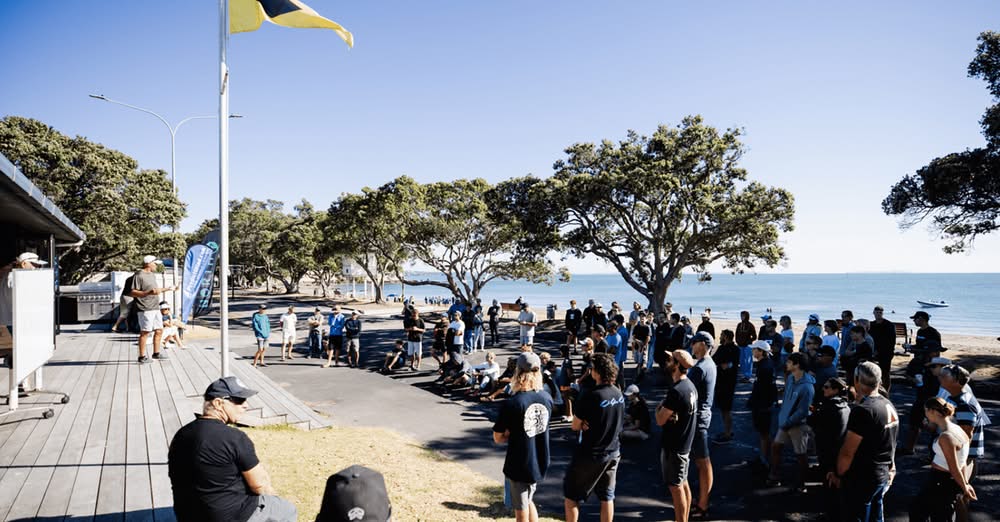
The following Saturday, 26 September, brings the season’s marquee date. The Royal New Zealand Yacht Squadron‘s 155th Opening Day brings cannon fire, a squadron boat parade and the Mark Foy race back to Westhaven Marina. It’s a long way from the club’s first opening day, back in November 1872, when eight yachts turned out and the Commodore’s flag flew from John Waymouth’s yacht Energy.
Just around the corner, the Royal Akarana Yacht Club, with more than 130 years of history, opens its season on Sunday 18 October with, in the club’s own words, a fun-filled day on its front lawn. Akarana’s 2026-2027 spring sailing calendar actually begins almost a month earlier with the Doyle Sails Gold Cup Series: the Spring Regatta, first race of its offshore series, runs 19 September, followed by the Roy McDell on 3 October.
Away from the big Auckland names, plenty of smaller clubs get going with a lot less fuss. French Bay Yacht Club, cantilevered over the Manukau Harbour at Titirangi, has been sailing since the 1950s and its season already got underway back in August, with junior dinghies and a season-long Learn to Sail programme for 10 to 14 year olds.

Out on Waiheke Island, Waiheke Boating Club, another club dating from the 1950s, holds its Keeler Season Launch and AGM on 16 September. A Learn to Sail information night for Optimist and Starling sailors follows on 23 September, with club boats available for newcomers, and its Wednesday Twilight Spring Series gets underway later in the month from Kennedy Point Wharf.
For all the pageantry of opening days, some of New Zealand’s sailing never really stopped. The Shorthanded Sailing Association of New Zealand has run its Lewmar Triple Series straight through the cold months this year, with races on 27 June and 25 July and the finale this Saturday, 5 September. Gulf Harbour Yacht Club, north of Auckland, has been racing a combined winter series with Weiti Boating Club since 10 May, and won’t wrap up until Race 12 on 20 September.
Some of the more surprising facts about New Zealand yachting sit well south of the Bombay Hills. Otago Yacht Club (OYC), founded in Dunedin in 1869, predates the Royal New Zealand Yacht Squadron by two years. Today it caters for keelboats, trailer yachts and centreboard dinghies, racing ocean, coastal and harbour courses through the season. Coming out of its five-race Winter Cup (June to September), social sailing shifts from Saturday afternoons to Tuesday evenings the moment daylight saving kicks in on 27 September, and the club’s sailing school starts 11 October.
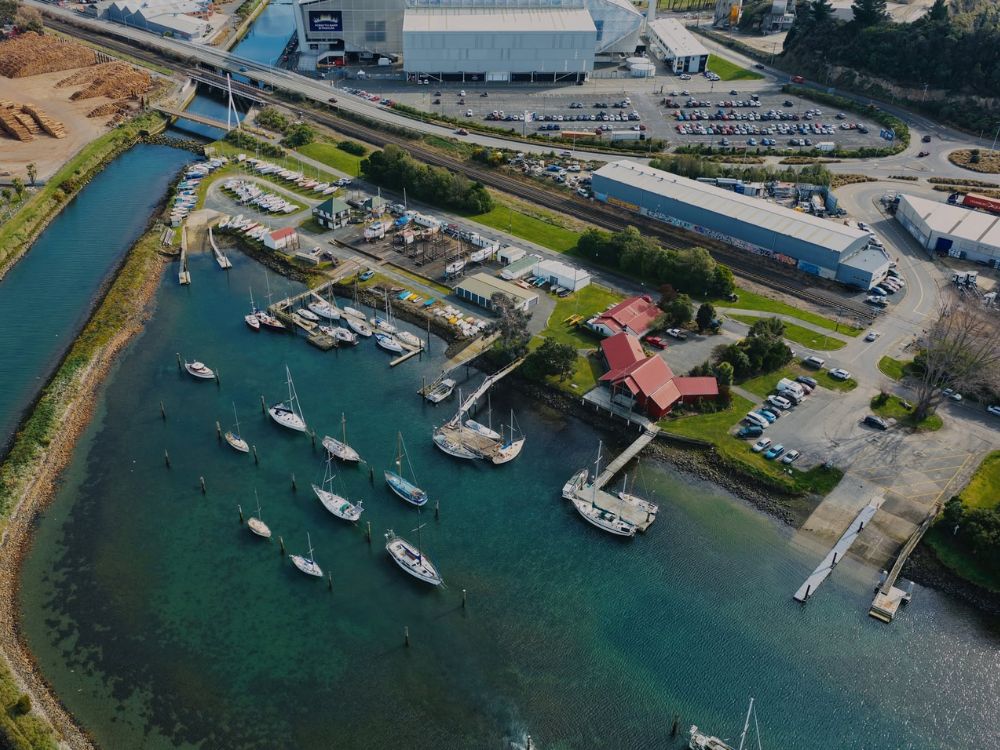
Over in the Marlborough Sounds, Waikawa Boating Club at Picton, established in 1949, has the Gela Skincare Women’s Regatta coming up on 12 and 13 September. It also hosts its New Year Regatta, which the club describes as the largest keelboat regatta south of Tauranga. The club formally opens its new season on 27 September.
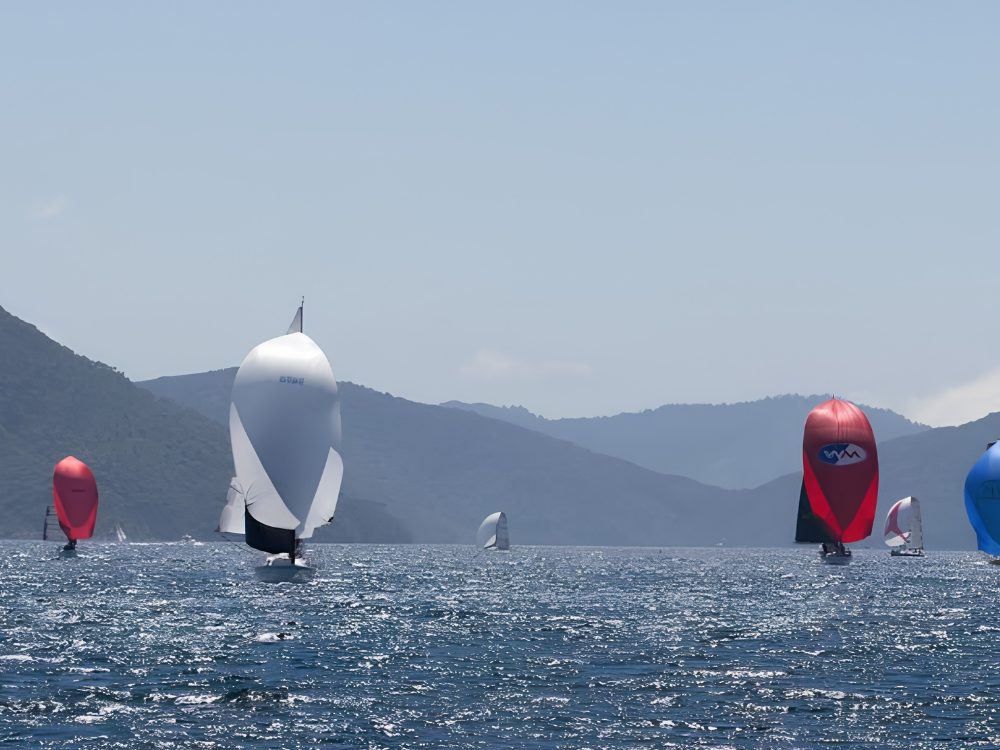
Most Kiwi sailing hugs the coast, but plenty of it happens nowhere near the sea. Wanaka Yacht Club (WYC), one of the newer New Zealand clubs, begins Twilight Racing on 1 October. Marakura Yacht Club, on Lake Manapouri in Fiordland National Park, runs mixed fleet racing from October through to April, with larger dinghies and trailer sailers sharing the course. Wakatipu Yacht Club similarly races trailer yachts and junior dinghies on Lake Wakatipu from its base at Kelvin Peninsula.
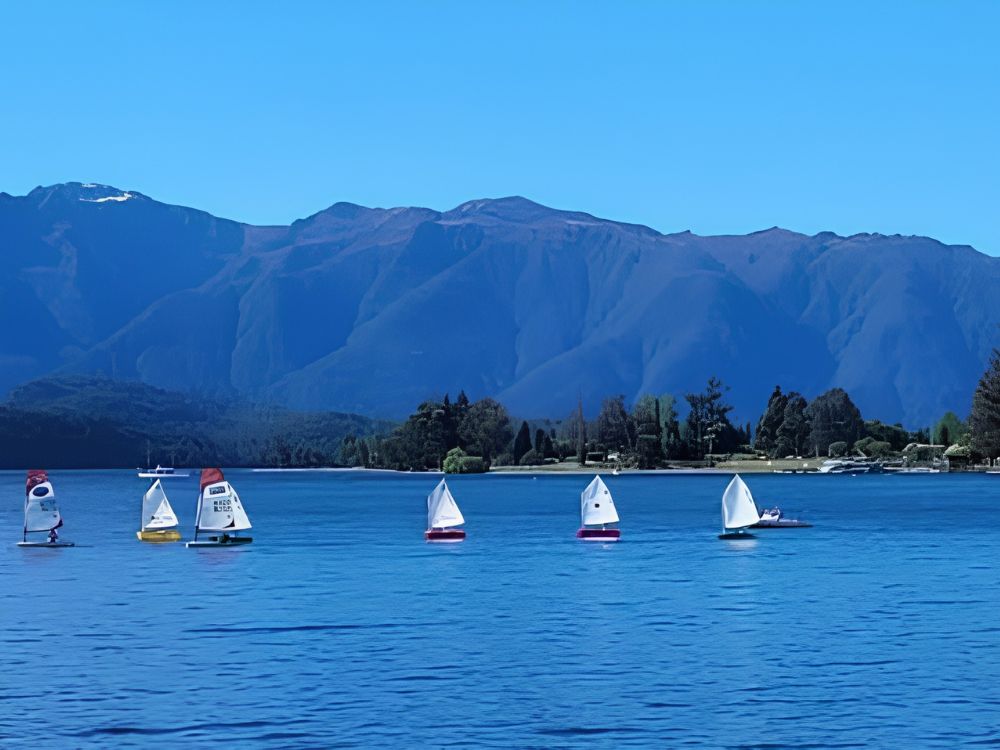
Back up north, Rotorua Yacht Club, on the shores of Lake Rotorua, hosts an open day on 4 October where people of all ages can come along and learn to sail on Optimist and Laser yachts. Later in the month, the club follows up with its Sprints Regatta on 17 and 18 October, with five to seven races scheduled each day.
The Classic Yacht Association (CYA) starts its season supporting the RNZYS season opening event, then moves into the DYC Icebreaker on 17 October, both the opening race of Devonport Yacht Club‘s 2026 to 2027 season and the first race of the CYA Passage Series.
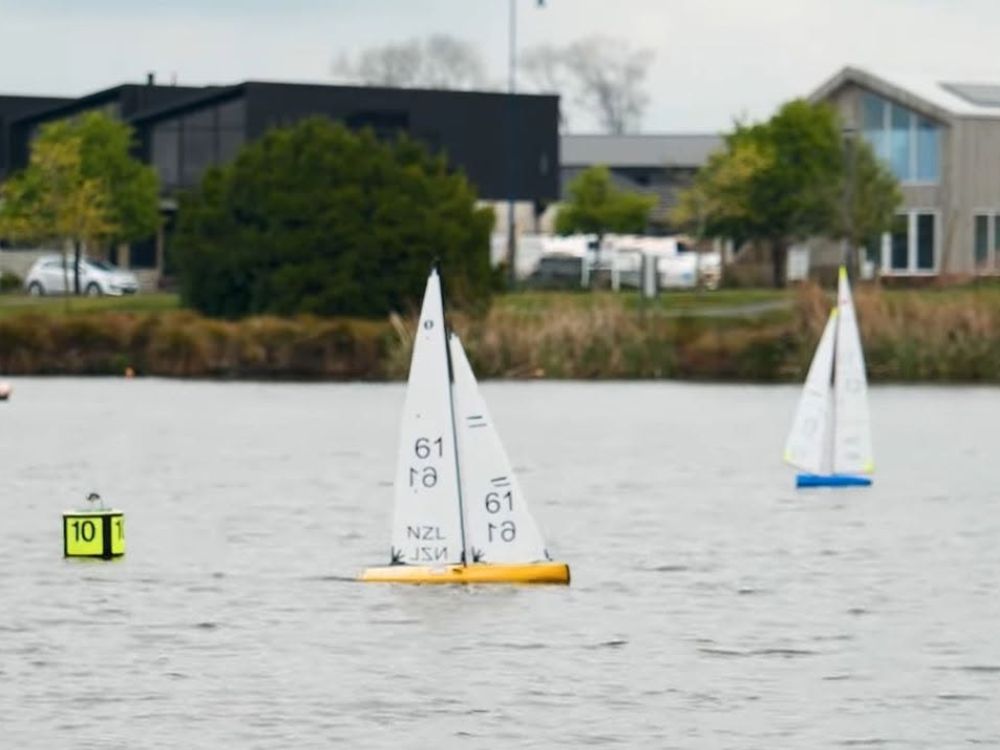
There’s a much smaller corner of the sport too, literally. The New Zealand Radio Yachting Association runs its own nationwide calendar of radio controlled yacht racing, including the one metre IOM class, on lakes and ponds from Kerikeri to Dunedin. Its Kāpiti Classic IOM regatta is scheduled for this weekend at Winstones Lake, Otaki, followed by the Taranaki IOM Championships on 19 and 20 September.
So, when does the season actually start? Ask French Bay Yacht Club and it was mid-August. Ask Christchurch Yacht Club and it’s Saturday. Ask Pleasant Point and it’s Sunday, Father’s Day too. Ask Wakatere and it’s two weeks later. Ask some of the lake clubs and the answer is October. Ask SSANZ or Gulf Harbour, and they’ll tell you it never really stopped.