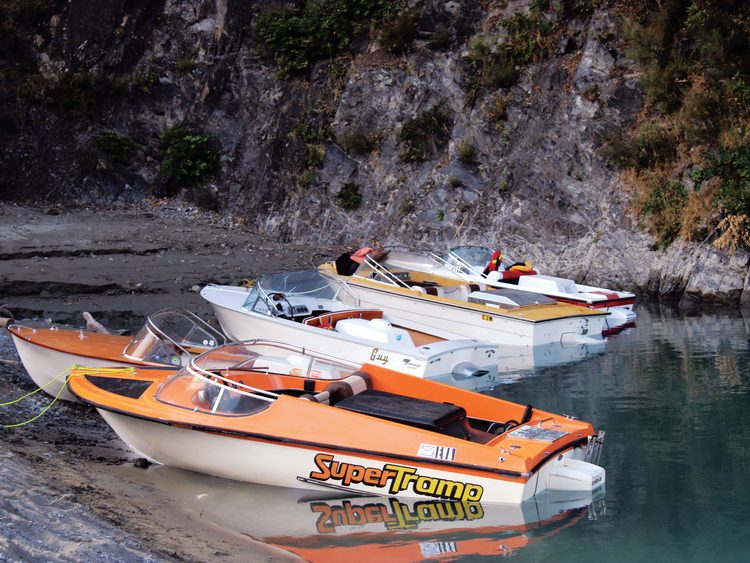
On any given jetboating river run in Canterbury, there’s a fair chance you’ll find Jared France weaving through shallow braids, steering with instinct and confidence gained from years behind the wheel. Other boaties often try to follow, sometimes successfully, sometimes not…
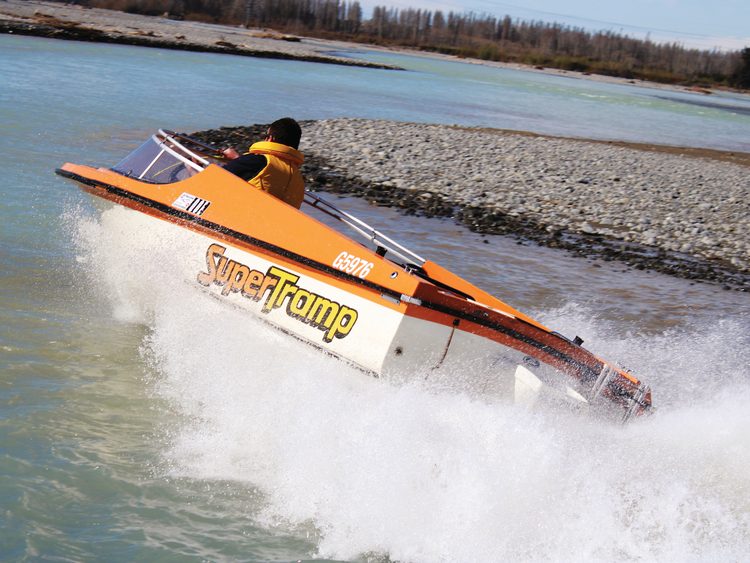
He’ll likely be at the helm of SuperTramp, a 1970 Hamilton Jet 44 Invader Mark 1 with a 4.1-litre crossflow Falcon engine and a two-stage Colorado jet unit. It’s a boat with a reputation. These fibreglass hulls, built by Bruce Binnie of Jet Services in Christchurch, were once a common sight and were affectionately dubbed ‘Spinney Binnies’. Today, they’re cherished classics.
“They can be a handful,” Jared admits with a laugh. “It slides a lot, but with just eight degrees of deadrise, it’ll plane on wet stones. Plenty of guys have been caught out trying to follow me through the skinny channels.
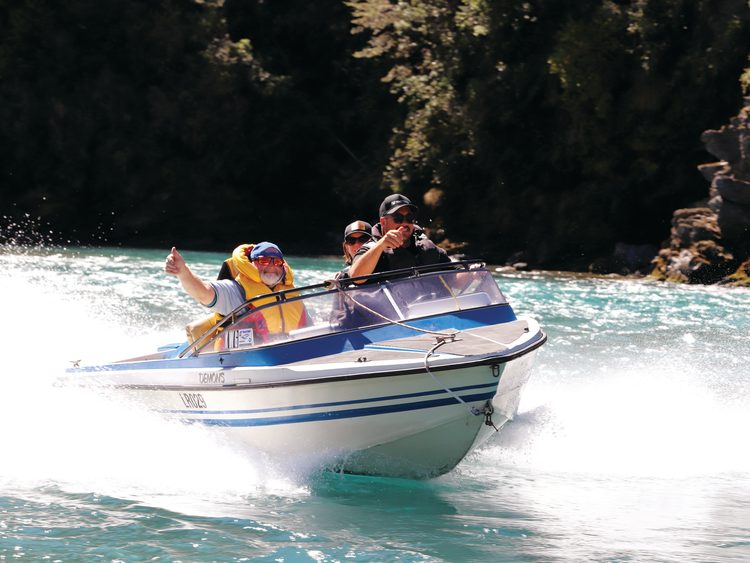
“People told me it would be a great boat to learn in, but that I’d soon move on from it. Little did they know!”

That’s because SuperTramp is more than an old-school river runner; it’s a piece of family history.
The boat originally belonged to France’s uncle, who ran it throughout the 1970s, ’80s and early ’90 and Jared’s early boating memories were formed aboard SuperTramp.
“I remember driving it as a kid and thinking it was just the coolest thing ever.”
Then, in 1991, came the news the family didn’t expect: the boat had been written off by insurers following an accident. Or so they were told.

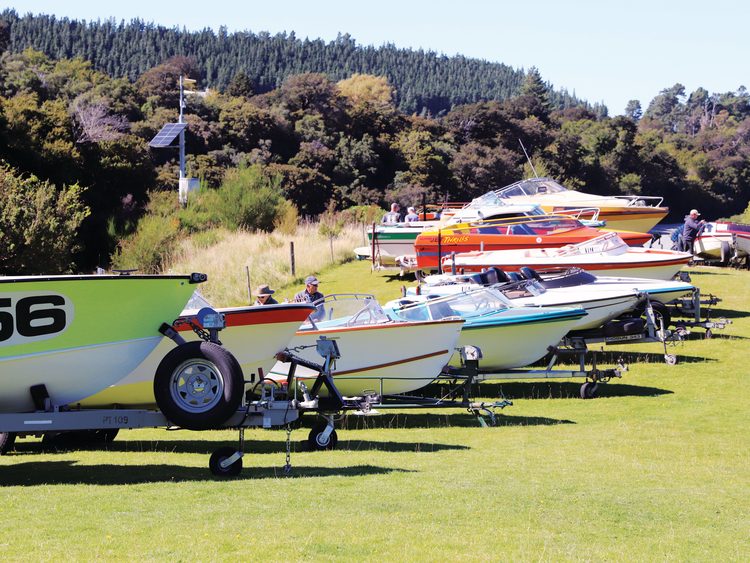
But, in early 2016, while scrolling Trade Me in search of a jetboat, Jared did a double take. The boat staring back at him on the screen was unmistakably familiar – it was SuperTramp.
“I rang the owner straight away. I only had two questions: does it float, and does it run?”
Yes and yes.
“Ninety minutes later, I was bobbing around Lake Opuha as the proud new owner.”
For several years, Jared enjoyed the boat quietly. But in 2020, he took a step that would reshape his involvement in the sport – joining Jetboating New Zealand (JBNZ).
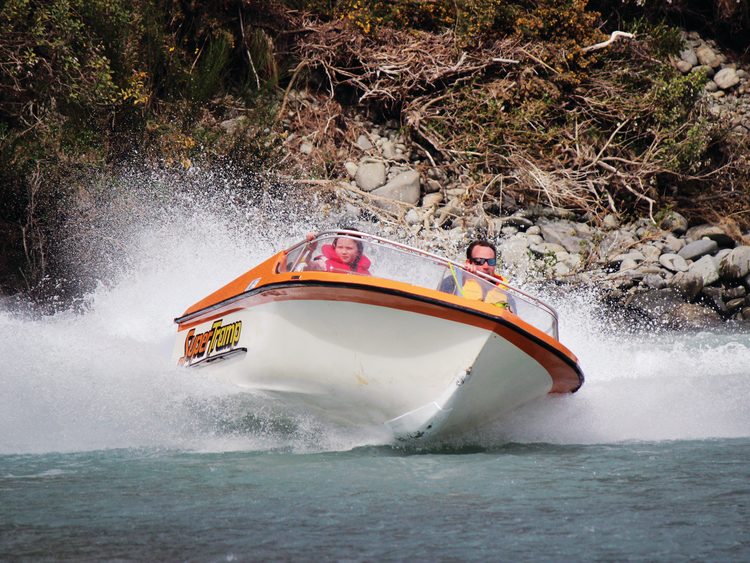
“I was slow to join because I had it in my head that if I turned up in a banged-up, 50-year-old boat, I’d be laughed at,” he says. “I couldn’t have been more wrong.”
Instead, he found a community that celebrated history as much as horsepower.
“I simply didn’t understand that there was so much enthusiasm and passion for the old boats. Needless to say, SuperTramp – and I – were warmly welcomed into the JBNZ family.”

That sense of belonging soon turned into contribution. Jared joined the Canterbury Committee and began organising classic boat events, quickly becoming known for his passion for old jetboats. Before long, he was invited onto the committee of the JBNZ Heritage Trust, an organisation dedicated to preserving the history of jetboating in New Zealand.
Formally established in 2014, the Heritage Trust emerged from a growing awareness that the stories, people, and machinery that shaped jetboating risked being lost.
Heritage Trust Chairman Paul Vernel believes that creating the trust provided a more formal, co-ordinated and consolidated approach to finding, archiving and protecting jetboating history. The Trust’s mission is simple but significant: foster appreciation for waterjet propulsion, gather and preserve historical material, and support efforts to display that history to the public.
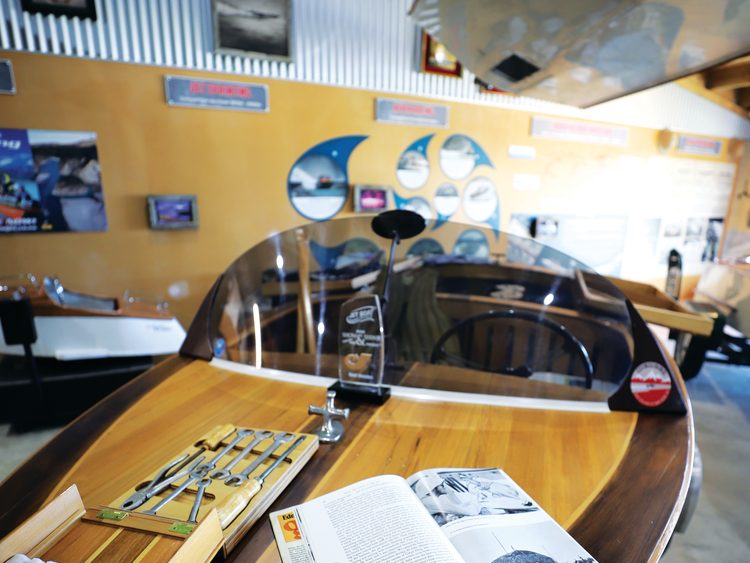
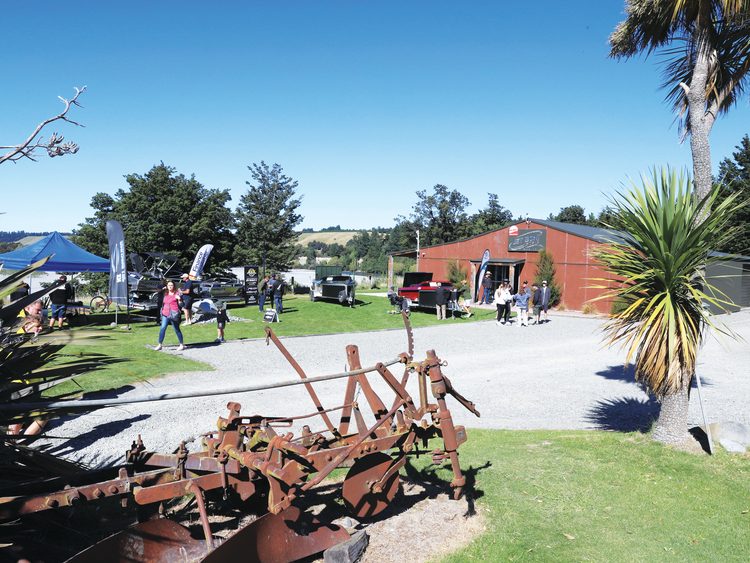
Much of that formalised approach has manifested in the creation and ongoing development of Jet Boat World, a museum at Alpine Jet Thrills, a commercial jetboat operation on the banks of the Waimakariri River Gorge, near Springfield in Mid-Canterbury.
Jet Boat World is a separate entity with its own trustees but actively supported by the Heritage Trust. Inside, visitors find an evolving collection of early jetboats, components, photographs, and stories – each piece adding depth to the narrative of a uniquely New Zealand innovation.
“By 2014, the sport had been around for 60 years,” says Jet Boat World trustee Ed Wicken. “We realised we needed to act – capture the stories, the photos, the personalities. Otherwise, it could all disappear.”
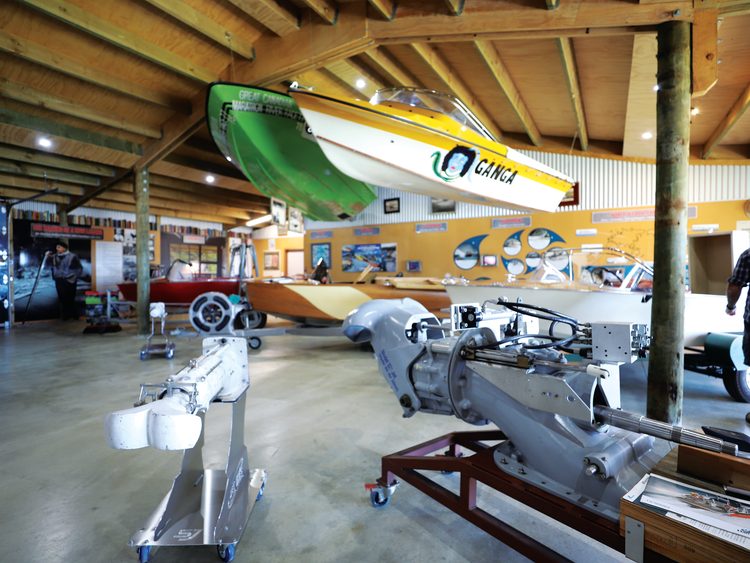
The Heritage Trust operates less as a collector and more as a connector and is working to expand its influence.
“If we hear about something significant for sale, we’ll try to find the right home for it,” Paul explains. “We might secure it if necessary, but the goal is to make sure it’s looked after.”
Two of the boats owned by the Heritage Trust, including a Jet30 Mk11 and a Jet32 (called ‘GM32’ and once owned by photographer Guy Mannering who helped publicise early jet boating) are on display at Fairlie Museum. The Heritage Trust has also worked closely with Canterbury Museum in Christchurch which displays the boat and ‘hanging’ trailer owned by early jetboater Alf Dick.
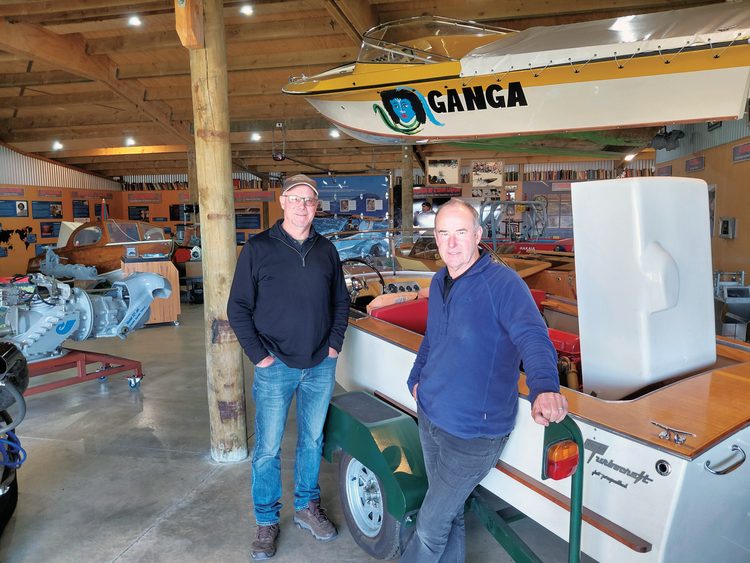
“I don’t think the museum realised the importance of Alf to the jetboating story, so we got the curator out to Jet Boat World and explained more of the context surrounding Alf’s impact. They seemed genuinely impressed at our displays and I think we’ve raised their awareness of the significance of the boat they have,” Ed says.
As a result of the visit, the Heritage Trust also advised the museum on safer ways to store and display Alf’s boat and trailer.
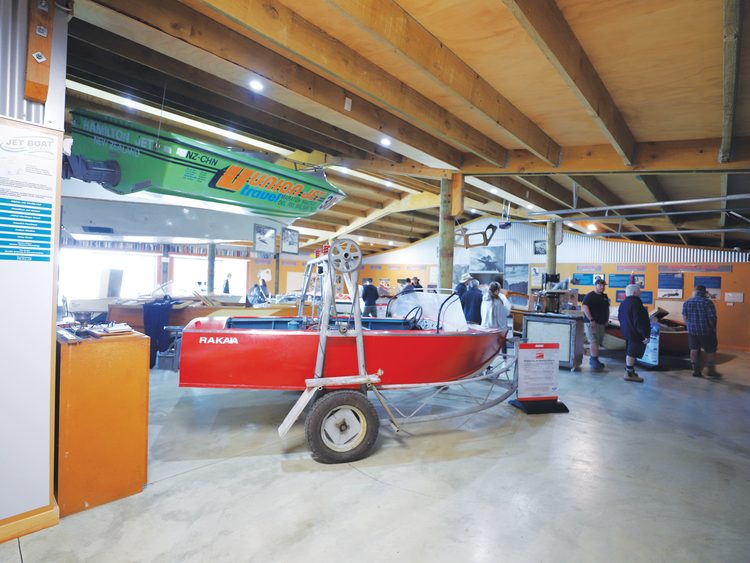
There’s little doubt why an expert from one of the country’s leading museums would be impressed by Jet Boat World.
“We get about 5,000 visitors a year,” Ed says. “Some are here for the engineering, others for the human stories. It appeals on a lot of levels.”
Many arrive via Alpine Jet Thrills, the commercial jetboat operator running tours through the gorge, which is owned by Robyn and Paul Mullan, himself a Jet Boat World trustee and past Chairman of the Heritage Trust. Other visitors include dedicated jetboaters making the pilgrimage as part of South Island Road trips.
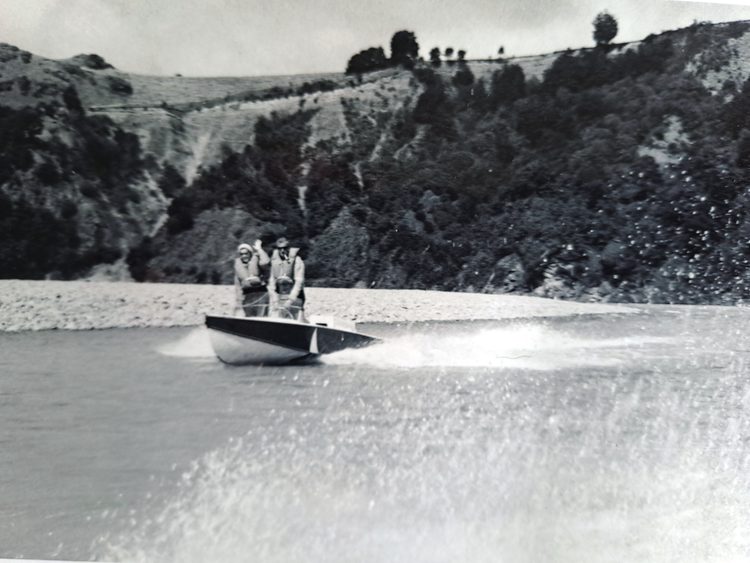
Importantly, most of the boats on display are privately owned – another reflection of the collaborative spirit underpinning the museum.
Paul Vernel says interest in the Heritage Trust’s work stretches far beyond New Zealand.
“We get inquiries from all over New Zealand as well as Australia, the United States, even Japan and Scandinavia. People want to trace the history of their boats or learn more about where the sport came from.”
While we talk, Paul takes a call from an Auckland boatie keen to try and learn more about an old jet boat he had recently purchased. Sometimes, those inquiries lead to remarkable discoveries – like examples of early jet boats resurfacing in sheds and under shrubs across New Zealand.
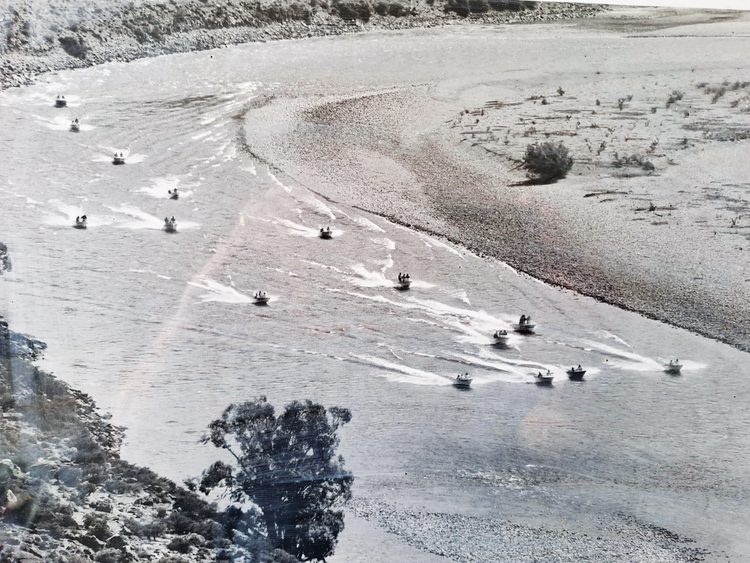
Interestingly, earlier in the year a keen United States-based jetboater, Dan Alexander, attended the Heritage Trust’s Show and Shine fundraising event at Jet Boat World and, due to his enthusiasm, is now being utilised in an unofficial role to assist in the USA. In fact, it’s hoped he will soon inspect a boat that Paul recently received a call about – one of the type used in the famous jetboat expedition up the Colorado River in 1960.
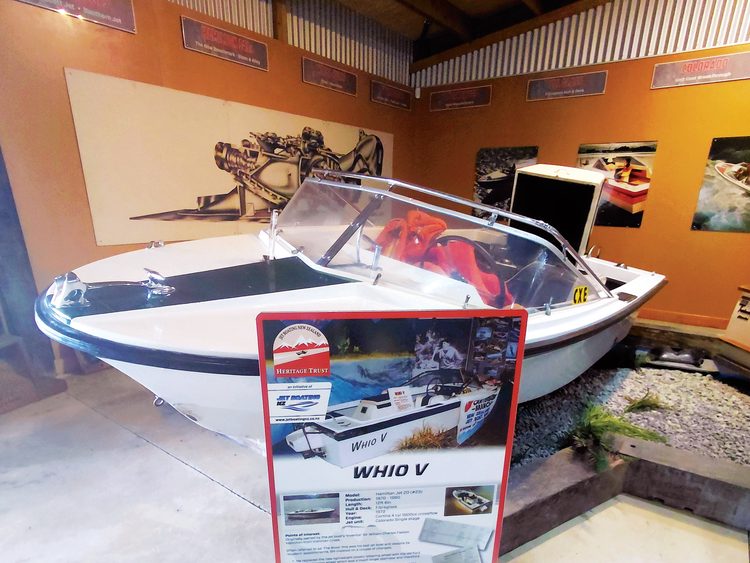
“This is the boat that Bill Hamilton came over to the US to help John Buehler put together to undertake the run. The photos show it’s in pristine condition, but I’ve asked Dan to go and look at it and provide us some more detailed information and photos,” Paul says.
John Buehler was an avid outdoorsman whose Indiana Gear Works manufactured parts for the aerospace industry but, recognising the possibilities of jet propulsion, in 1959 teamed up with Hamilton to build boats in the United States using the jet propulsion system.
As Ed puts it, “History is a funny thing – you can lose it before you realise how important it is.”
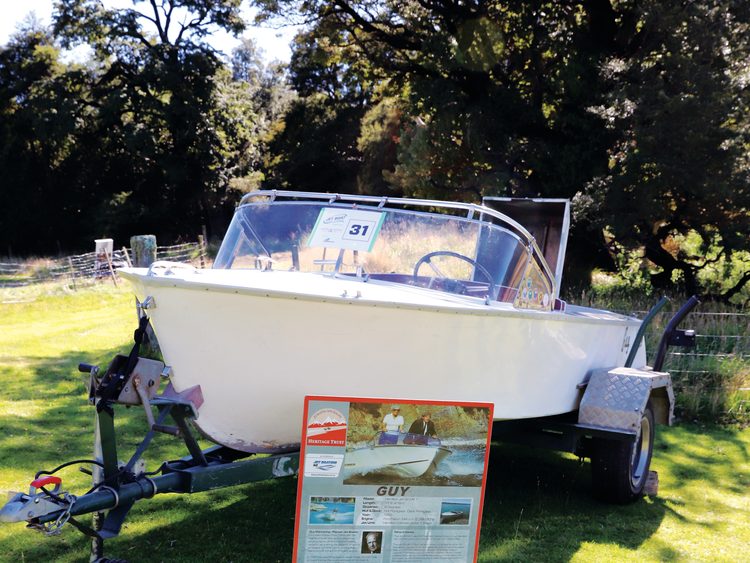
Back on the river, Jared’s story feels like a perfect embodiment of that philosophy.
While he’s since added a steel-hulled jetboat to tackle more ambitious trips with his daughter Eva, SuperTramp remains irreplaceable.
“It’s just such a cool boat,” he says. “So much fun to be in and around.”
SuperTramp isn’t just a jetboat. It’s a bridge between generations, a survivor of time, and a reminder of why preserving the past matters.
After all, sometimes history isn’t something you read about; sometimes, you can still fire it up, point it upstream, and hang on!