I make no apologies for the fact this topic is something of a hobby-horse for me as it’s incredibly important. With our marine world facing so much adversity, we all need to play our part if our fisheries are to have any chance of surviving, let alone thriving.
In this article I’ll be dealing with looking after fish we must or would like to release. This might be because they’re legally undersized or, at the other end, because the bigger specimens are usually the best breeders and we’d like them to carry on doing their ‘thing’. Or maybe the fish caught is of a species that doesn’t appeal to the angler. Or maybe while fishing itself appeals, killing does not.
Whatever the reason, I believe we must minimise unnecessary injury to any sea creatures we catch to give them the best chance of survival upon release.
Unfortunately, there’s a pervasive philosophy amongst many anglers that if ‘it swims away, it’s okay’. This is often far from the truth; the sea is very big and very deep, easily swallowing up injured and dying fish. Out of sight, out of mind indeed.

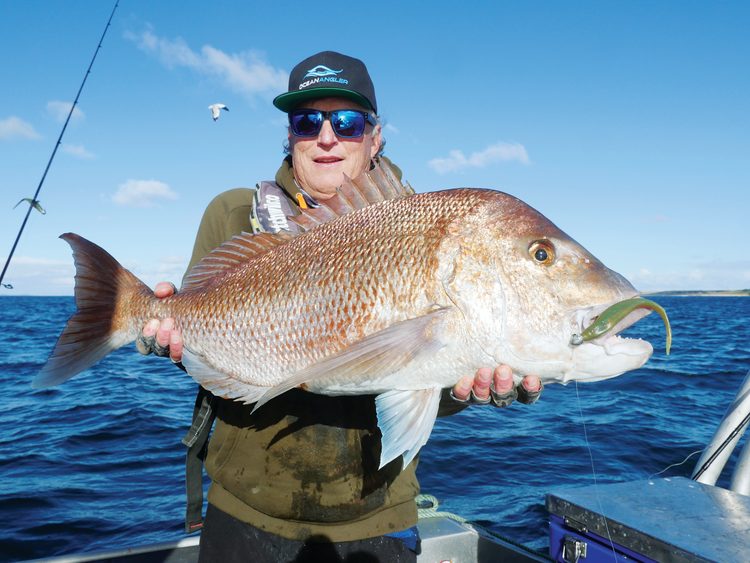
The following action points should make post capture and release fish survival more likely…
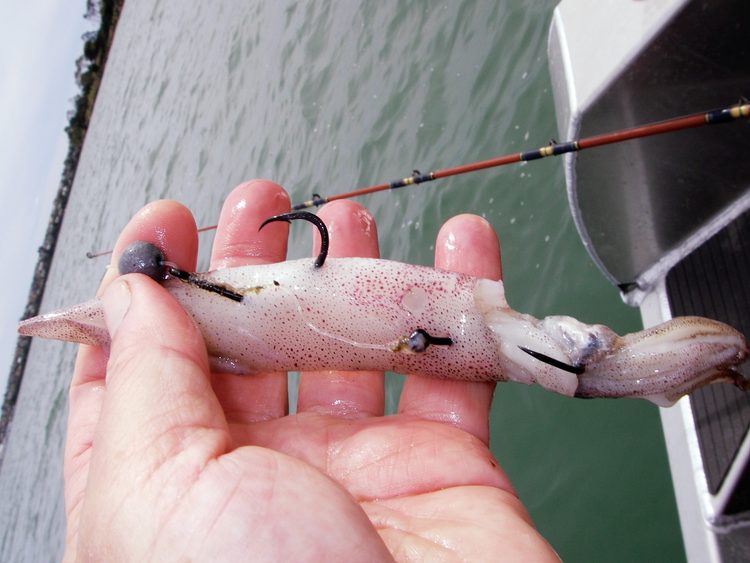
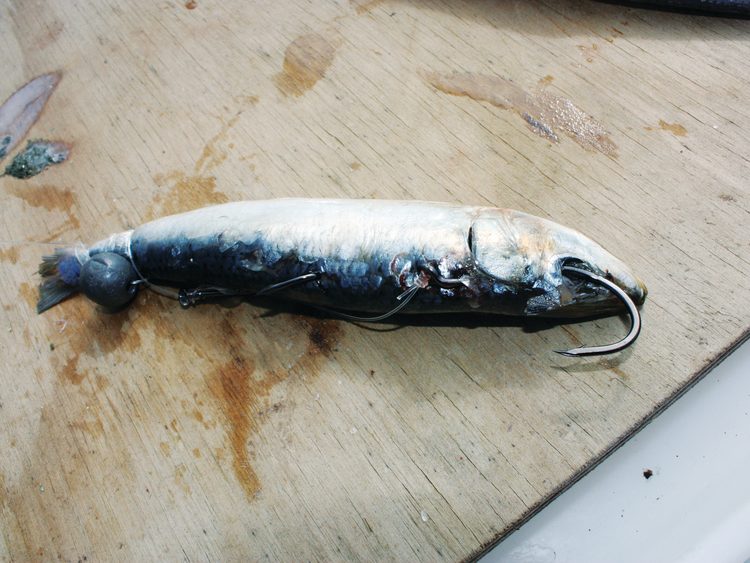
If using bait, use hooks designed to hook the target species in the mouth. Circle/recurve hooks fit the bill, especially those with points that are in-line rather than offset. Such hooks slide up and into place around the jaw hinge when steady pressure is exerted on the line, reducing the chance of the hook being swallowed and causing the fish internal injuries. However, if your fishing pleasure hinges on hauling back on the rod to set the hook, choose a hook size that’s impossible for undersized fish to swallow. For example, if snapper are the quarry, a 6/0 or 7/0 beak/suicide type hook is a good choice.
Unattended fishing rods make swallowed baits much more likely. Anglers who hold their outfit and respond promptly to bites usually hook fish in the mouth (and have less trouble with snags, rays, eels etc).
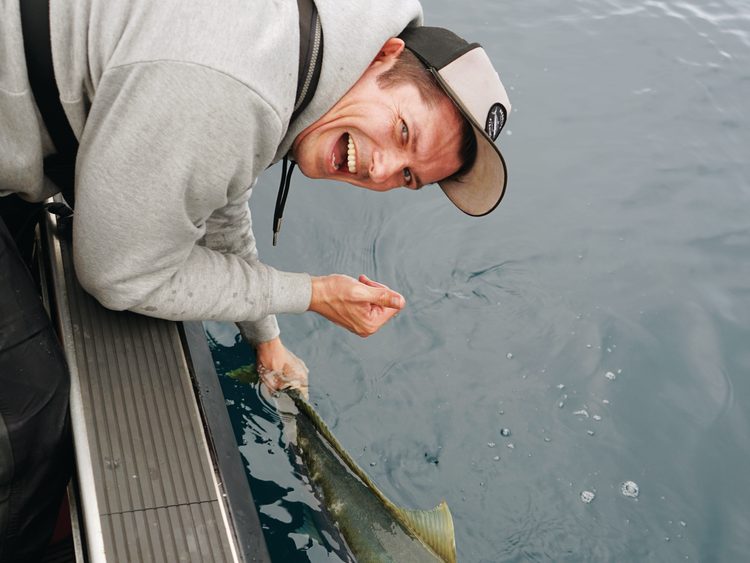
The rod in hand is also one of the primary reasons why lures rarely hook fish deep down – that and the fact that they are rarely lifelike enough to be swallowed after a fish’s initial nip or grab. Better still, many lures have relatively small single or double hooks armed with ‘microbarbs’ that injure fish less severely and facilitate speedy releases. And while it stands to reason that treble hooks should be avoided where possible, some stick-baits and trolling minnows simply don’t run properly if their trebles are changed to singles. In such cases, crush the barbs down or change to a barbless treble brand. No barbs benefit hooked fish and hooked anglers equally during the unhooking process!

While most anglers understand that many species of fish caught in depths over 40-50 metres will be suffering the effects of barotrauma to varying degrees, caused by the difference in barometric pressure between where they were hooked and at the water’s surface. Even water that’s only 15-20 metres deep can cause this problem, especially for really big snapper, affecting their ability to survive a release. Adding to the odds, such fish are often held up for a few ‘hero shots’ prior to the release attempt, further reducing their survival chances. Considerable debate surrounds how well snapper, in particular, survive following release in deep waters, with findings varying greatly between studies. As far as I’m concerned, if there is significant doubt regarding a creature’s survival, we owe it to them to err on the side of caution. Consequently, anglers targeting snapper in deep water (around work-ups, for instance) really should use big baits on 6/0-7/0 hooks or larger lures less likely to hook undersized fish which would subsequently have to be released to an uncertain future.
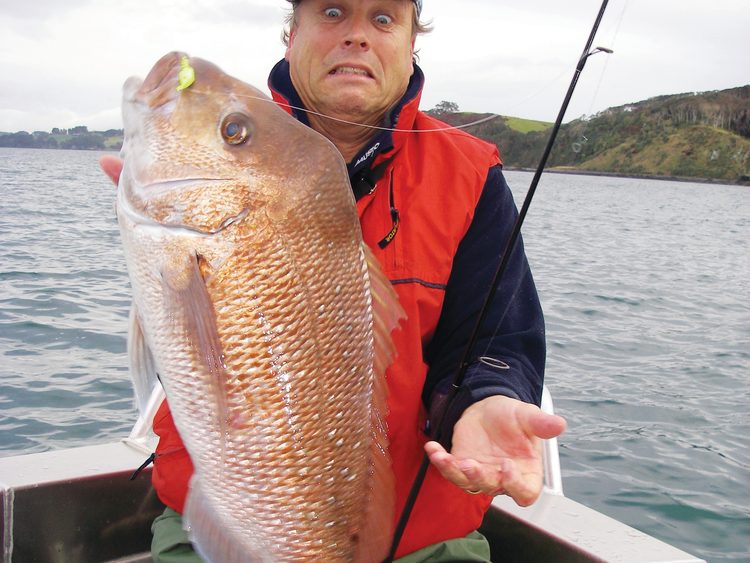
Anglers should know that slowing the speed of ascent so that snapper can adjust to water-pressure changes is pointless; in 35-50m, it takes a snapper hours rather than minutes to deal with the gas buildup in its bloodstream and swim bladder. However, a slower ascent often results in a ruptured swim bladder, which allows fish to descend much more easily, but their long-term survival is not well known. I therefore suggest that all legal-sized snapper should be kept when fishing at these depths, and when there is enough fish onboard, either target a different species, or move in to where the water is shallower and catch and release is a more viable option.
How you handle and release your fish will have a huge bearing on its subsequent welfare. Speed and respect are both important. Forcing fish to suck in air is like holding us underwater, and as fish can’t hold their breath, don’t muck around when taking pics and videos! Any more than 30 seconds is too long.
Take care placing a fish on any surface. Anything warmer than they are can badly burn them (including warm, dry hands), so although they may swim away strongly afterwards, infection often sets in and can lead to death. The Legasea team recommends holding fish with wet hands rather than a wet cloth, as the latter tends to remove a fish’s protective mucus coating. If possible, try to release the fish without lifting it from the water, or while it’s inside your large, rubber-meshed net.
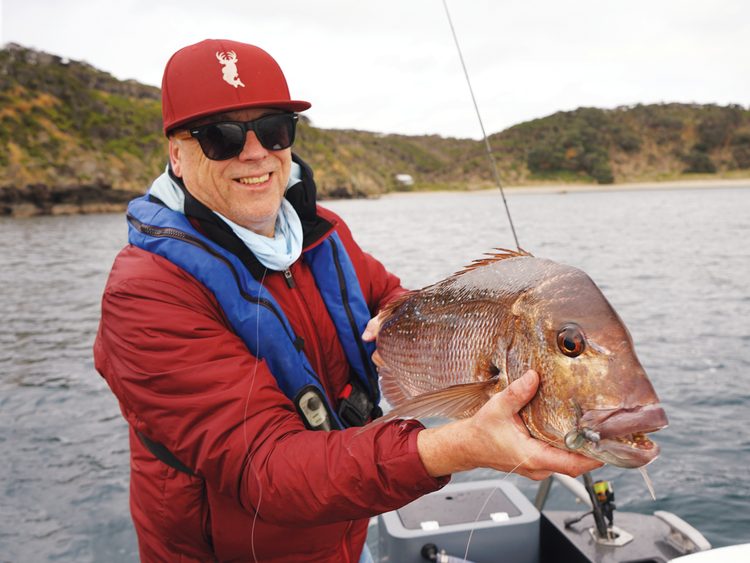
If holding fish for a ‘glory shot’, avoid placing your hands inside the gills as they are easily damaged. Nor should large fish be held by the tail, as their own weight causes the vertebrae to separate, which can be a debilitating injury. Instead, try to support them gently but firmly in both hands. Changing your grip invariably triggers thrashing, dropped fish and additional trauma from the fall!