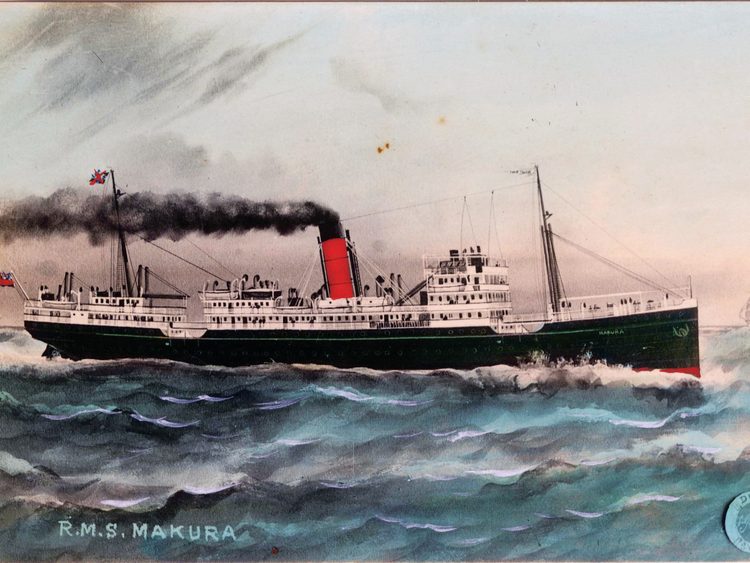
Lieutenant Trentham Charles Webster RNVR (called ‘Charles’) arrived back home in Auckland on the steamer Makura on May 6, 1919. Amongst the returning servicemen passengers were fellow RNVR volunteers Lieutenant W.R. Ingram, who then owned the Logan Bros yawl Ethel and Motor Mechanic Joe Allely who, with his brother Brian, trading as Allely Bros, were later prominent marine engineers and agents for Kermath engines in Auckland for many years.
Charles Webster was automatically demobilized on arrival. Before he volunteered in 1916, he had qualified LL.B. at Auckland University College. On August 8, 1919, solicitor William Phillips Endean appeared for Charles when he was admitted to the bar of the Supreme Court at Auckland.
Bill Endean had been a fellow RNVR volunteer through the Squadron in 1916 and served initially in the light cruiser HMS Vindictive. He later went on to become the long-standing Chairman of the Auckland Regatta Committee and a Member of Parliament. In late 1922 Endean commissioned Charles Bailey Jr to design and build Prize (A15), the first major yacht built in Auckland since the fabulous Onelua which Bailey built for the King of Tonga in April 1913 and of which Prize was a slightly scaled down version. Endean named Prize after the Q Ship HMS Prize which had been commanded by New Zealander Lieutenant William Sanders RNR and was sunk with all hands by a German submarine in August 1917.
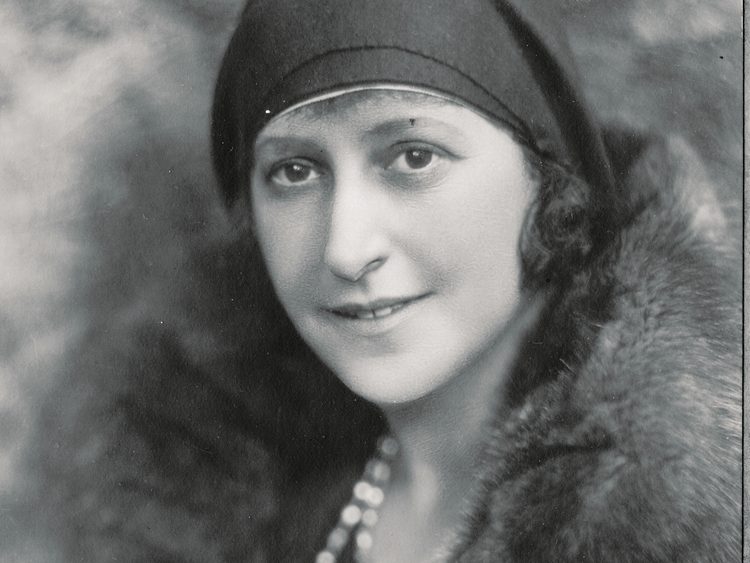
Along with several other recently returned and legally qualified servicemen, like Claude Lovegrove, Charles set himself up as a sole legal practitioner, at 31 Shortland Street in October 1919. Undoubtedly his father Josiah was a good client initially, along with his own service friends. But Charles was preparing for the arrival of his fiancée, Rose Samuel.

When he was stationed in Scotland, he met Rose at a shipping firm in Glasgow where she worked in the office. Rose was a very beautiful woman of Jewish ancestry. In 1875 her family had moved from Poland to Glasgow, where Rose was born in 1895. She was a lady of strong character and a great sense of humour. Charles fell for her completely. Rose was a passenger on SS Arawa from Southhampton on 6th May 1920 and arrived in Auckland on Monday June 7, after a smart passage.
The couple wasted no time in getting married. The ceremony was held on Wednesday June 23 at the Unitarian Church at 1A Ponsonby Road. The church then had a large following in the adjacent maritime suburbs of Freemans Bay, Ponsonby and Herne Bay. Its preachers talked a lot of sense to local boatbuilders and returned servicemen from the Great War like John. A. Lee (and my father). The Websters’ witnesses were Charles’ sister Anita Webster and Roy Mays from the Devonport Mays pioneer family, a civil engineer who was in the 1916 RNVR intake with Charles and was a long-term crewman on Ariki. Charles and Rose moved straight into a house at 27 Herne Bay Road.
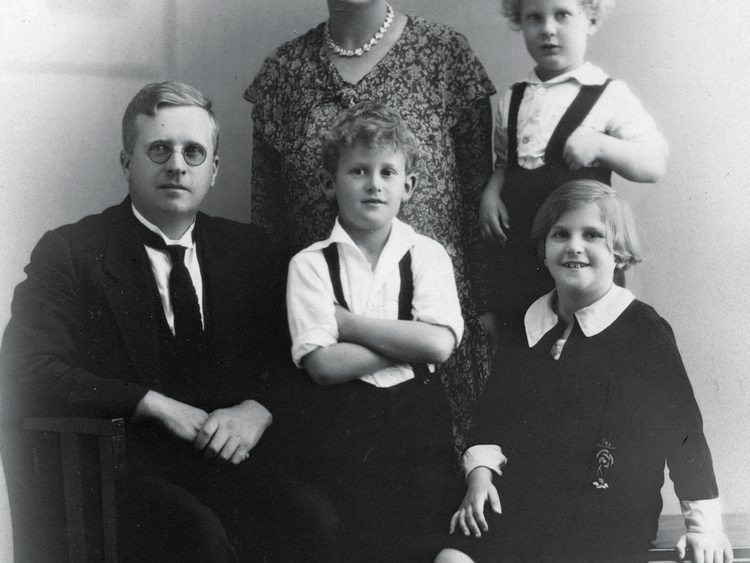
After three more moves in Herne Bay the Websters bought the half-acre waterside property at 75 Sarsfield Street called Avoca in 1924 which they renovated. In the meantime, their children were arriving, Betty in 1921, Blair in 1923 and Richard (‘Dick’) in 1926. Four doors down, at 67 Sarsfield Street, lived George Dennes and his family. Three generations of the Dennes family had been involved in Auckland yachting since the 1890s with the little keel yacht Siola (W.C. Dennes), the open sailing boat Stingaree (Ivo Dennes) the Logan yacht Wairiki (owned by George Dennes from 1913 to 1916) and now George’s son Colin (born January 1918) was highly active in yachting from the family property with his little centreboard sailing dinghy Memo.
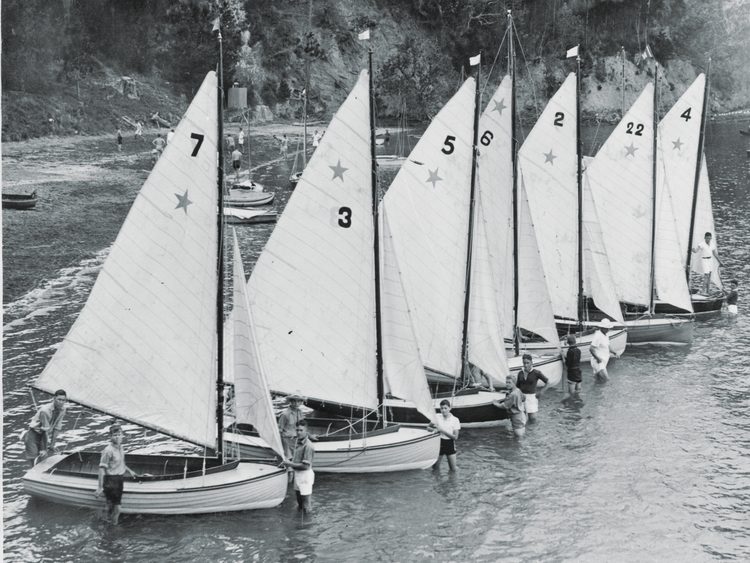
To cater for the increasing number of young folk who were living in Herne Bay and enjoying the splendid sailing off the shore there, George Dennes held a meeting at his house in the winter of 1933 to form the Herne Bay Junior Yacht Club. The novel feature of this new club was that it was to be run by youngsters under 18 themselves. The Richmond Cruising Club provided a lot of support, seeing the Junior club as a training ground for the future of the sport. Many youngsters had taken part in the Richmond Club’s races for ‘Midgets’ starting and finishing off Ponsonby Wharf. Amongst them were the 12-footers Comet of W. Haysom, Geoff Hodgson in his Arnold Couldrey-built Nancye and the Zeddie Swastika.

Because the boys and girls of the new club had a motley collection of centreboarders which were hard to handicap, the new club decided to commission a 12ft design for a one-design clinker centreboarder from Arch Logan, a miniature of his successful 18ft patiki bermudan sloop M Class. It was expected that it would become a stepping-stone into the glamour Emmies now under the wing of the Richmond club. This was the Silver Fern class, often called ‘the Rolls-Royce of centreboarders’.
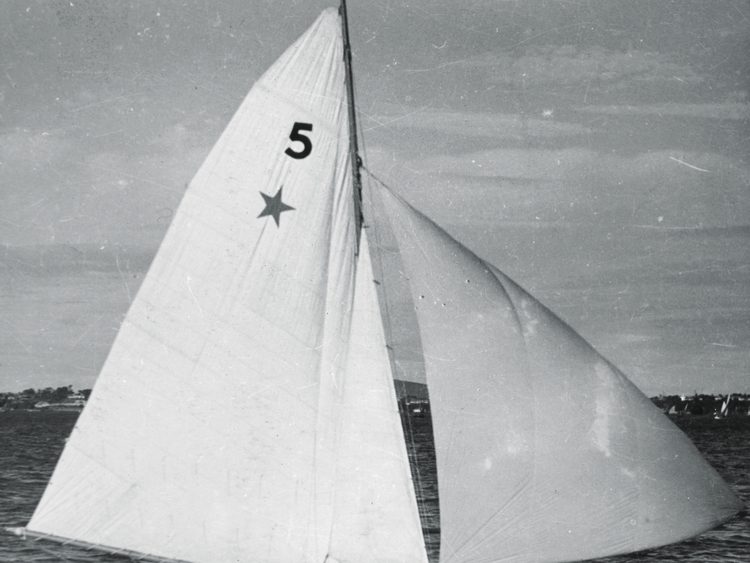
The class took its name from the first boat built, Silver Fern, which George Tyler built for Colin Dennes. It was named as a compliment to Tyler who had been a powerful member of the 1905 All Black team in England. The three Webster children were soon drawn into this exciting group. Kandy Kid (SF5) was commissioned from C. Philpott by Des Townson’s grandfather W.J. Reid and prominent Akarana Yacht Club member Len Heard of Sweetacres, sweet manufacturers of Parnell, for use by youngsters who could not afford a yacht.
Charles Webster bought Kandy Kid for Betty, Blair and Richard in late 1936. Betty was then 15, Blair 13 and Dick 10. Blair had been sent to Waitaki Boys High School in Oamaru so sailed only during the Christmas holidays. Dick sailed her with help from Des Hurley amongst others, but Betty was the star. By now she was at St. Cuthbert’s School and spending time at music and ballet lessons, but the boat was her main passion.
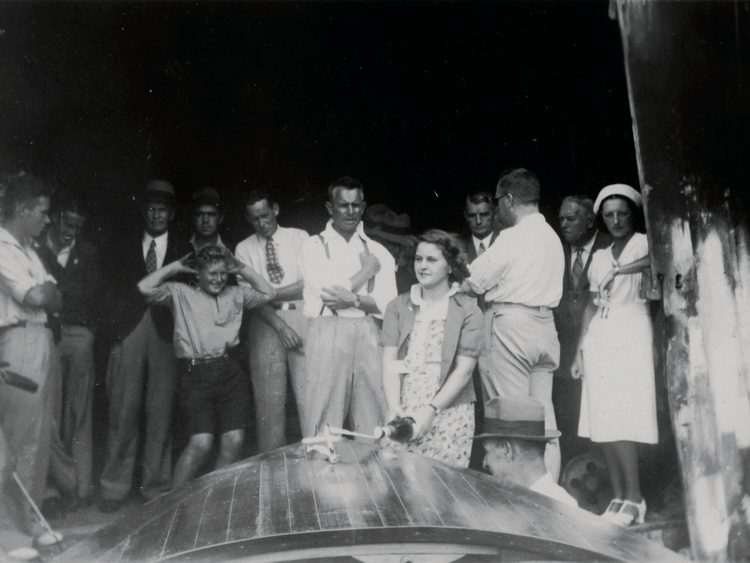
For a time, Betty made Kandy Kid scratch boat and was regarded as a top skipper in Silver Ferns. At the AGM of the Club in October 1938 she was elected the Club’s Secretary, her father Charles was appointed a racing official, and her brother Dick was a committee member. Blair often sailed with Max Bartley in Flying Cloud (SF2) and went crewing in the M Class with Colin Dennes who had bought Manene (M6) from Bob Stewart in 1936.
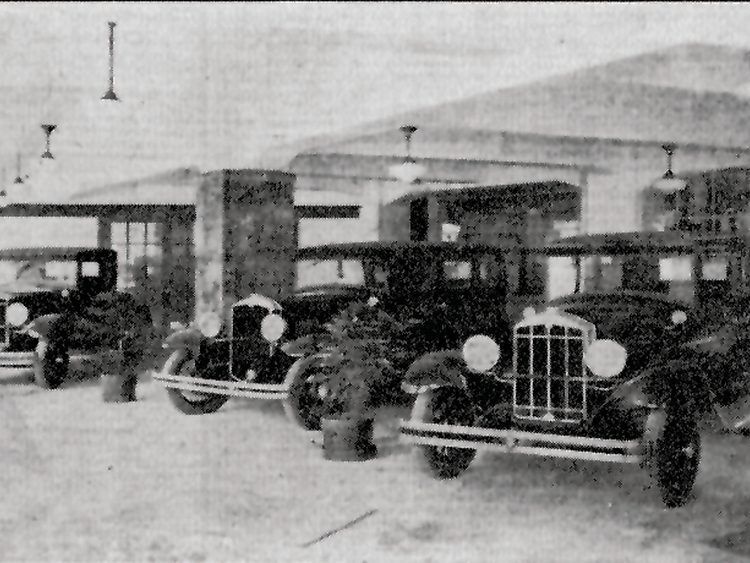
Charles’ legal practice had prospered. After his wartime exposure to high-horsepower marine engines and cutting-edge technology Charles’ interests turned to the motor trade and marine matters in his practice. Within months his Shortland Street premises were the New Zealand registered office of the Fairbanks-Morse marine engine company, the rising star in US diesel engine manufacture after the expiry of Rudolf Diesel’s patents. By 1922 he was acting for Campbell Motors Ltd and soon became Chairman of Directors. The company was the local agent for the US-built Durant car and its several other marques which eventually included the Rugby, Star, Flint, Marmon and Roosevelt. The Rugby was by far the biggest seller, competing directly with the Ford Model T.
The original 2.2-litre (130cu in) side-valve four-cylinder Continental Red Seal-derived Rugby engine was upgraded to 2.5 litres (152cu in) in 1926 and became a popular engine for speedboats and launches, some lasting in service until the 1970s. These units had the same design origins as the Willys Whippet, in its final development the L134 Jeep engine.
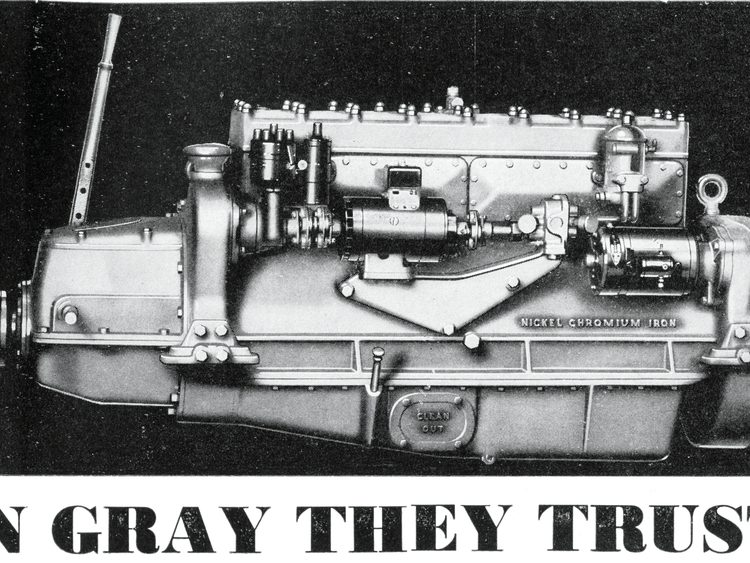
In the mid-1930s Campbell Motors obtained the agency for the Gray marine engine, one of the foremost engines across the spectrum, from light side-valve ‘kickers’ for yacht auxiliaries to the later 71-series supercharged two-stroke diesel ‘Screaming Jimmies’ built under licence from General Motors to power landing craft and patrol launches during World War II.
Back to yachting; the Herne Bay Junior Yacht Club was a great success, thanks largely to George Dennes. It had made the Webster children into skilled yachties, and Betty had shown the way for girls to excel in the sport.

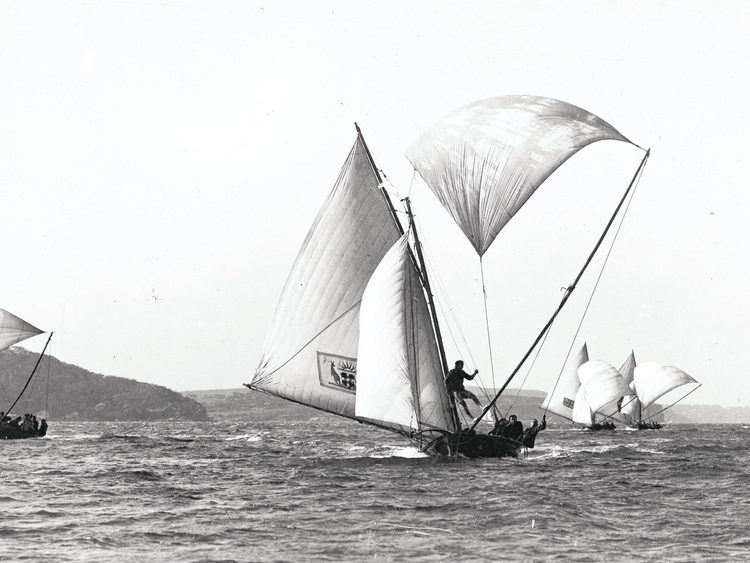
In May the NSW 18 Footers’ Sailing League contacted Arch Logan seeking New Zealand participation in Sydney’s 150th Anniversary celebrations in January 1938. Arch spoke to George Dennes who promptly took a trip to Australia where arrangements were eventually made for four Auckland 18-footers to go to Sydney and compete against the vastly different Sydney 18ft skiffs.
The story of the 1938 contest and the subsequent 1939 return contest in Auckland are covered magnificently in Robin Elliott’s outstanding book Emmy. In brief, the Auckland yachts competing in 1938 were George Dennes’ son Colin’s M Class Manene (M6) with an enlarged rig and the V Class 18s Riptide (V68), Irina (V76) and Va’alele (V78). The Auckland boats were, not unexpectedly, outclassed by the heavily canvassed Sydney behemoths but showed the Sydneysiders some skillful sailing.
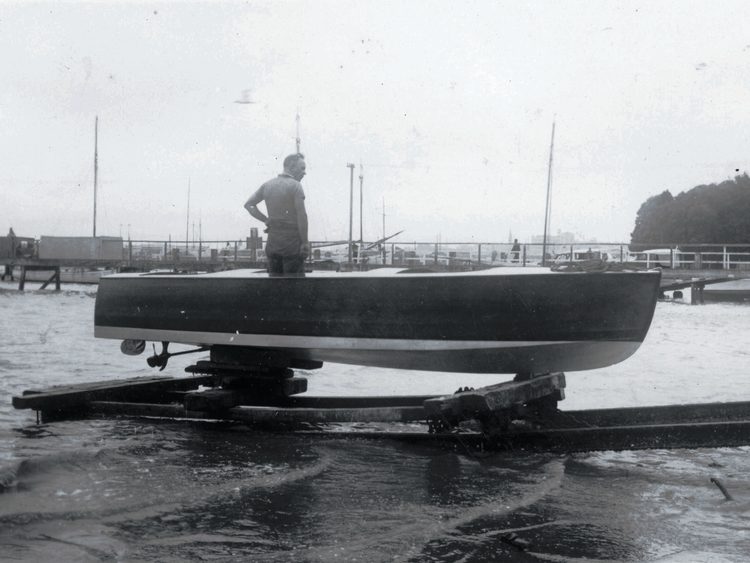
In anticipation of the return contest on the Waitematā, George Dennes enlisted Charles Webster’s business mind in the negotiations with the Sydney yachtsmen. Charles was appointed the Chairman of the ‘Inter-Dominion Yacht Racing Committee’ and he was also to be an umpire during the racing with his new speedboat Eve Gray. Charles had Dick Lang of St Mary’s Bay build him the superb Eve Gray, an 18ft square-bilge speedboat which was launched on 2nd April 1938. Naturally the engine was a 125hp Gray supplied by Campbell Motors. She was planked in mahogany and was inspired, if not designed by Hacker. It was Charles’ first time running a fast motorboat since 1918.
On 4th October 1938 George Dennes and Charles Webster left for Sydney to finalise the arrangements with the NSW 18 Footers’ Sailing League for the 1939 contest in Auckland.