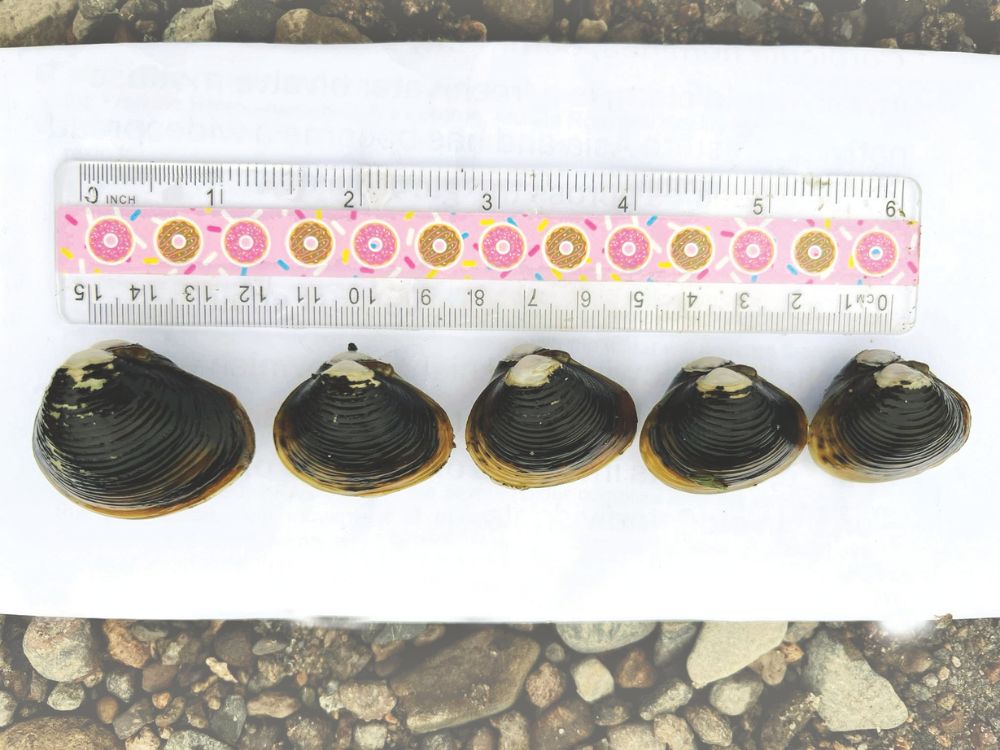
While the station is part of the Waikato River system, this is the first confirmed detection outside the current controlled area upstream from Whakamaru Dam.
It is not known how the clams reached Ātiamuri. The discovery highlights how easily freshwater clams can establish in new locations and why preventing further spread is so important.
“Juvenile clams can be smaller than a grain of sand. You don’t necessarily have to see one to spread one,” says Lisa Hardegger, National Corbicula Programme Manager.
“It’s a stark reminder of how easily these clams can spread. We need everyone to stay vigilant and do their part to prevent future spread, whether you’re using the awa for work or play.”

Waikato Regional Council, Biosecurity New Zealand, Waikato River Iwi and other partners are working closely to better understand the extent of the spread. Surveillance of high-risk waterways is also continuing this summer as part of the annual National Surveillance Programme.
Greg Ryan, Waikato Regional Council Integrated Catchment Management Director, says the message to everyone using the Waikato’s lakes, rivers and streams remains the same: Check, Clean, Dry every time you leave a waterway.
“This discovery is a reminder that there is no room for complacency when it comes to protecting Aotearoa’s lakes and river,” says Ryan.
“We’ve all invested significant time and effort into slowing the spread of freshwater clams. Now more than ever, we need people to keep doing the small things that make a difference, including checking, cleaning and drying equipment before leaving the water.”

Waikato Regional Council also reminds boaties that ballast tanks can present a particularly high risk for spreading invasive freshwater clams, as they can hold water that may contain microscopic juvenile clams.
While no specific restrictions are currently in place for ballasted boats on this part of the river, owners are encouraged to take extra care and, where possible, avoid moving their vessel between waterways. Sticking to a single waterway is the best way to reduce the risk of spreading clams.
Freshwater clams can reproduce rapidly and establish large populations in a short period of time. Once introduced to a new waterway, they can be extremely difficult to control, creating a long-term risk to native species, water infrastructure, and the economy.
It’s illegal to knowingly move clams or the water that contains them. People should not collect or eat them, as they can accumulate contaminants from the river that can be harmful to humans.
Help stop the spread: for work and play
Rules for recreational users can be found on MPI’s website: Know the ‘Check Clean Dry’ rules for the waterway you’re using | MPI