[cmsmasters_row][cmsmasters_column data_width=”1/1″][cmsmasters_text]
In the heady, rarefied world of competitive sailing, finding crew with a flair for resourcefulness can be intoxicating. Story by Matt Vance.
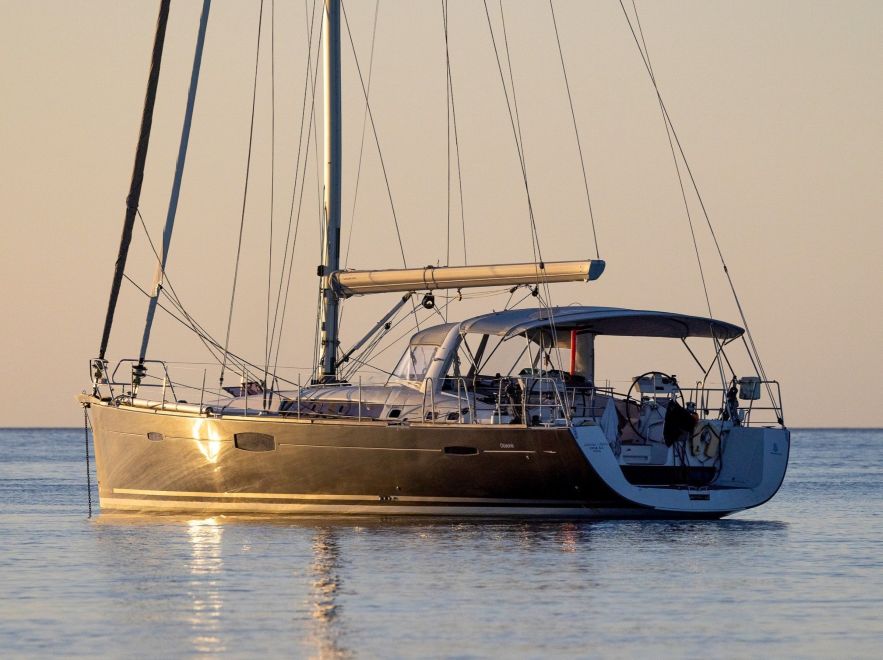
Rum has a habit of disappearing on board Whitney Rose.


There are two possible sources of this mystery. The first is evaporation. Rum aged in oak barrels loses up to 10 percent of its alcohol to the “angels’ share,” as evaporation is called in the trade.
The second is by a method known as “tapping the admiral.” Following Nelson’s death at the Battle of Trafalgar, his body was preserved in a cask of rum so that he could be later given a proper state funeral in London. Upon arrival however, the cask was opened and found to be empty. His pickled body was removed and, with a mix of horror and admiration, it was discovered that the sailors had drilled a hole in the bottom of the cask and drunk all the rum.


Either by angels or admirals, the stuff just disappears as fast as we bring it aboard. Some of the second method may be put down to crew selection. Good crew is hard to find and a good crew that isn’t thirsty is even more rare.
One of our good crew happens to be a home distiller of distinction. Dan’s rum cocktails are the best around and his suggestion to put down a winter batch of rum was one of the finest ideas he has ever had.

New Zealand is one of the few countries where distilling spirits for your own consumption is legal. Thank goodness for that. Politicians in the United States used free rum to bribe voters in the 1833 elections. In New Zealand the politicians let you distil your own and you can still vote for anyone you want.
Like sailing, distilling looks easy but there is a fine art to it. Dan is a superb sailor full of warmth and good humour. Yet in the presence of a still, his eyes glaze over and he develops a fixation with temperature and ratios. The following is what I could glean from him as we entered the world of alcohol production:
The Wash
The fermentation process uses a yeast and nutrient mix to convert sugar into alcohol. The mixture of sugar, yeast and water is known as a ‘wash’. Dan stressed cleanliness in all aspects of this process. Scrubbing all surfaces involved into sterility is important in keeping the wash pure. Real rum is a mix of sugarcane juice/molasses and yeast. We opted for the simpler and more convenient method of supermarket sugar and brewer’s yeast.

We made the wash in a bucket and inserted an airlock to let out the CO2 and keep out the contaminants. It is a goldilocks process: too hot and you kill the yeast, too cold and nothing happens. Dan transported the bucket to his caravan and fastidiously kept the temperature a constant 24˚C for a week.
Distillation
This is the fun bit. Other members of the crew congregated in Dan’s kitchen to witness the magic of the column still in action. A fining solution is put through the wash to take all the spent yeast and solids to the bottom of the bucket. These solids form the basis of Marmite and once experienced you will never be able to look a jar of the stuff squarely in the eye again.
The wash is then decanted into the still and the element switched on. It takes a good 50 minutes to get to temperature, so we spent the time cleaning bottles, drinking rum and telling lies. Dan refrains from the rum and begins to concentrate like a Formula One driver as the temperature of the still reaches the critical 74-81˚C.

At that point ethanol vaporises and rises to a copper-condensing coil, which Dan attaches to the kitchen faucet by a tube. He adjusts this and the clamp on the output pipe to regulate the flow and temperature within the narrow bounds of good distillation temperature. The smell coming off the still is heady, not to mention flammable in confined spaces. All the doors and windows are open like a P lab in full production.
Once the correct temperature is reached, the still starts producing a trickle of between 90-96 percent ethanol. The first 50ml, called the “heads,” is drained off into a glass jar for inspection. This first flow can contain some nasties like methanol that you may not want to drink. Dugal, the oil and gas professional among the crew, takes a teaspoon of this to burn outside, looking for any strange colours or sparks in the flame. The sample burns pure which bodes well for the main body of the brew.
Cutting
As all good drug dealers know, cutting the product is a good way to make it go further. In the case of alcohol, cutting the distillate with water, until it is around 40 percent alcohol average by volume, is essential to make it pleasantly drinkable. Any higher than this and it becomes dangerous firewater. Dan cuts the batch as he pours each bottle, mixing in his secret flavourings, “Eleven herbs and spices,” as he calls it. Commercial rum is aged in oak barrels to impart flavour, but Dan merely leaves his in the bottle for a week for the flavours to take up.

A normal batch is 12 x 750ml bottles and this is distilled from 2kg of sugar, a sachet of brewer’s yeast and 28 litres of water. You don’t have to be an accountant to figure out that a $675 still starts paying for itself very quickly, especially if you have thirsty crew.
Tasting
Forget what I said above about distillation being fun; this is the real fun bit. With this batch Dan produced what he referred to as mixing rum. He was right: it mixed well with ginger ale and lime. Only the most discerning palate could pick its slightly more edgy tone from commercial Bacardi. We toasted to the crew under the light of Whitney Rose’s kerosene lamp and to the admirals and angels that lurk in the spirit of rum
[/cmsmasters_text][/cmsmasters_column][/cmsmasters_row]