Current, measured in amps, is the speed at which electricity flows, just like in a river or a tidal flow.
Voltage is the pressure that causes the current to flow. It’s similar to the pressure exerted on water by a pump that causes it to flow, or by the ‘head pressure’ of water in a tank.
Power (watts, kilowatts, etc.) is equal to volts multiplied by amps. This is the electrical ‘energy’ produced or consumed by something.
Power (watts, kilowatts, etc.) is equal to volts multiplied by amps.
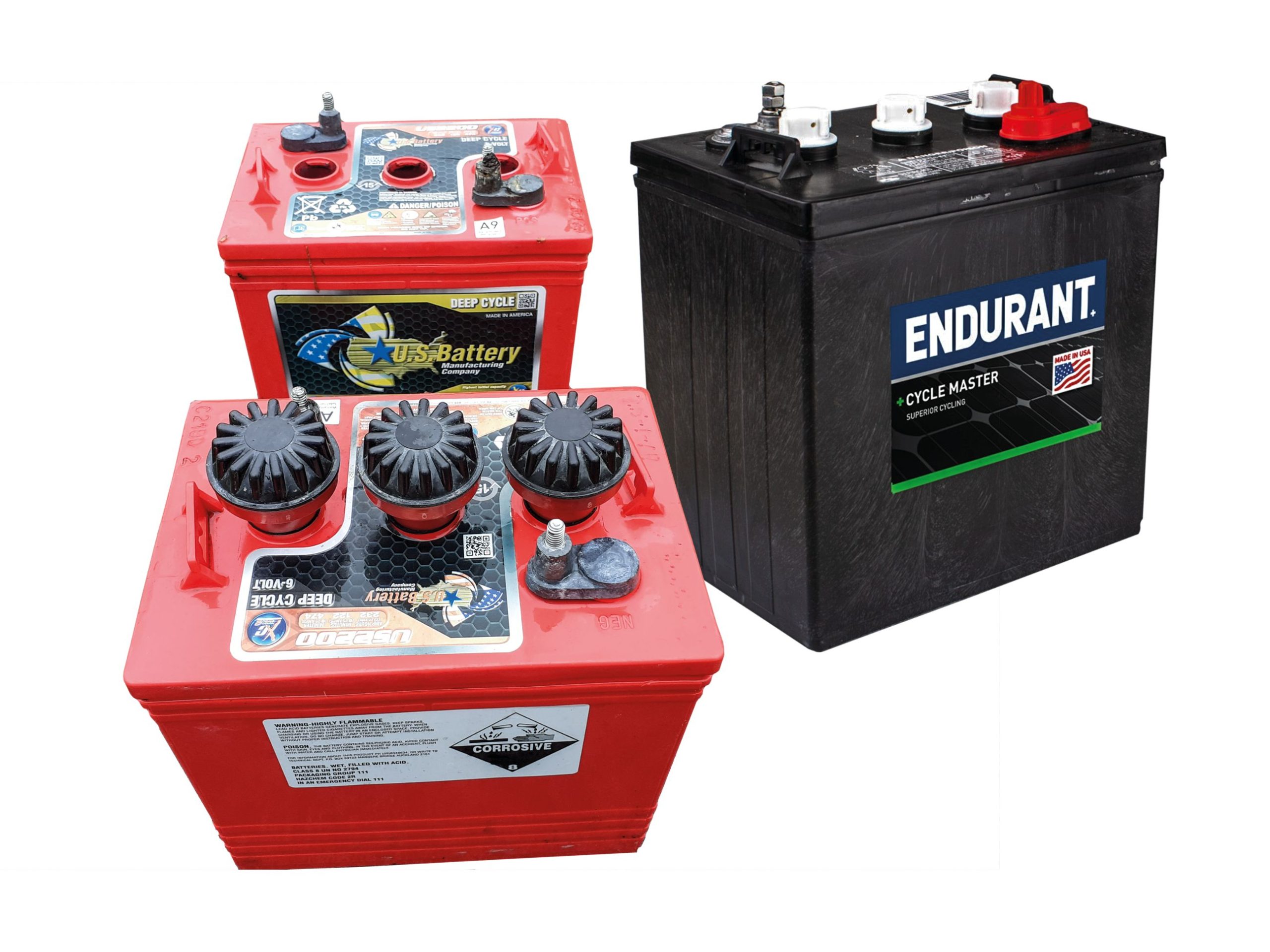
For accurate calculations using the formula above, we must use the actual voltage at the time, rather than the nominal voltage of the electrical system. For example, the ‘nominal’ voltage of our DC electrical system might be 12 volts, but the ‘actual’ voltage will almost never be 12 volts. A fully charged battery will have a voltage somewhere in the region of 12.6 to 12.8 volts, depending on the type, age, and condition of the battery.

Nothing is 100% efficient. The energy going into a battery charger, inverter, or any other electrical device will always be more than is available at the output of that device.
Principles in practice
Based on the principles described above, we will now look at why using a lower-power, or lower-rated appliance to do a job (such as boiling water) will not save any energy.
If we prefer to power our 230-volt electric kettle from an inverter rather than a genset or shore power, are we going to use less battery power using a 1000-watt kettle than we would using a 2000-watt kettle? The answer is no.
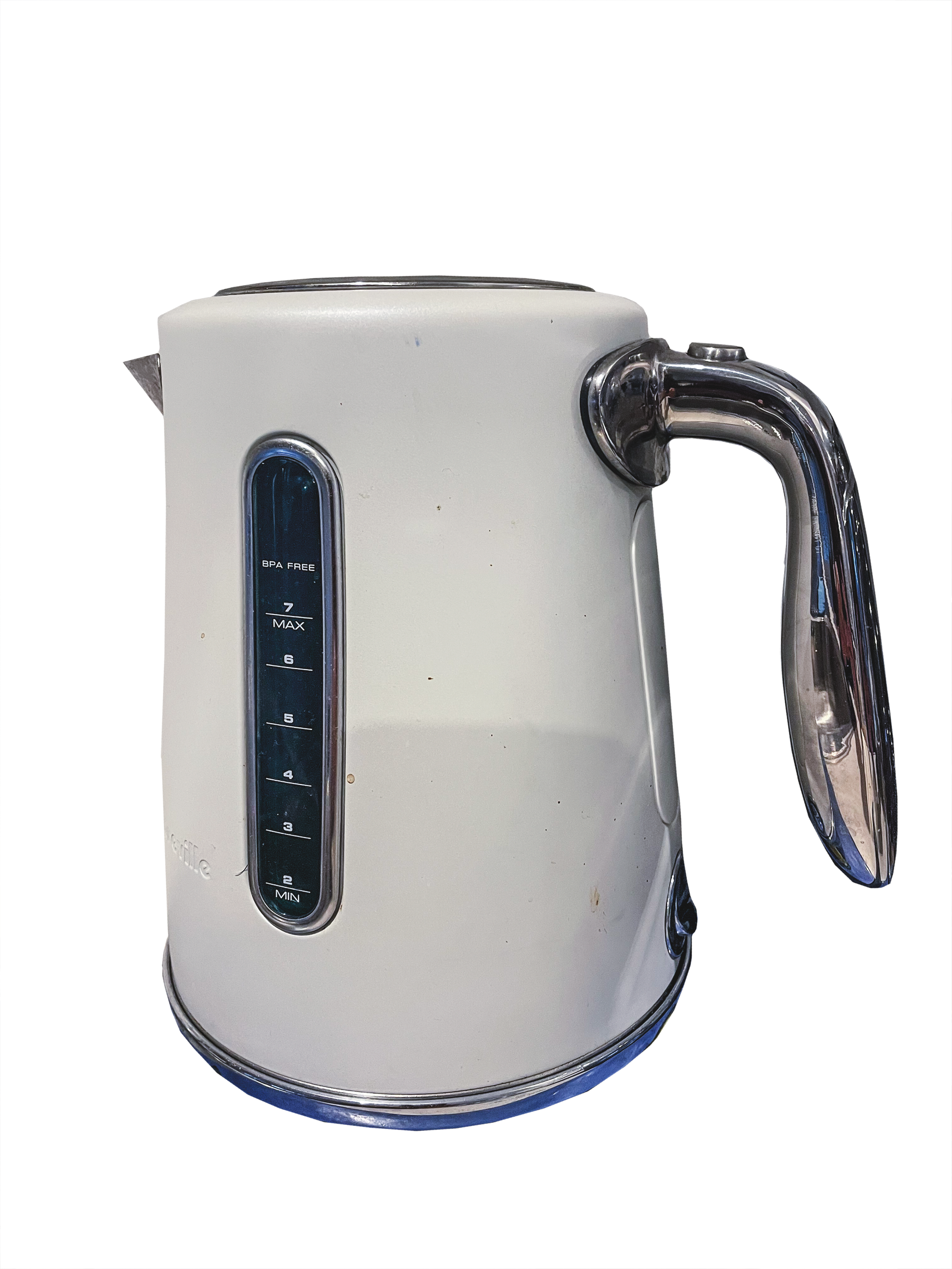
Let’s look at boiling some water that has a ‘cold’ temperature of 15° Celsius. Given a common ambient temperature for all cases. To raise the temperature of our water from 15° Celsius to boiling point requires an amount of energy that is determined primarily by the volume of water we want to heat. A low-power kettle and a high-power kettle will use the same amount of power to do the same job. This is a basic principle of physics. Therefore, the only difference using a lower-power kettle will make is to extend the time taken to boil that particular volume of water. In an extremely cold climate, it could actually use more power because of the heat being lost to the cold atmosphere.


If we wanted to reduce the power consumed, we would need to reduce the volume of water. For this reason, you will take less power from your batteries by boiling no more water than you absolutely need.
So, what happens when we start to drain our batteries and reduce their voltage? Let’s assume we need a given amount of power to do a particular job. Electrical power is equal to volts times amps. Therefore, to get a given amount of power, if either volts or amps is reduced, the other must increase.