Boating New Zealand Boat Reviews
Reviews
Boating New Zealand News
News
Boating New Zealand Sports
Sport
Boating New Zealand Lifestyle
Lifestyle
advertise
Boating New Zealand Boat Reviews
Reviews
Boating New Zealand News
News
Boating New Zealand Sports
Sport
Boating New Zealand Lifestyle
Lifestyle
BOAT-REVIEWS-MOBILE
Boat Reviews
BOAT-NEWS-MOBILE
News
BOAT-SPORTS-MOBILE
Sports
BOAT-LIFESTYLE-MOBILE
Lifestyle
HomeSafety RegulationsInvasive SpeciesHull checks to resume across Northland

Hull checks to resume across Northland

About
Share this

Thousands of vessel hulls to be inspected as summer biosecurity campaign begins.

Bookmark post
Bookmarked
KEYPOINTS
  • NRC divers to check over 2000 vessel hulls from November 2025 to May 2026.
  • Aim: stop marine pests such as Sabella (Mediterranean fanworm) spreading between harbours.
  • Light-fouling rules enforced for boats moving within or into Northland.
  • Fanworm eradicated from Mangōnui Harbour after a five-year project.
  • Boaties reminded to clean hulls, anchors and gear before moving.

Annual hunt for hitch-hikers

Northland’s summer boating season is about to get a closer look from below the waterline. From November, the Northland Regional Council (NRC) will again send divers and contractors around the region to inspect more than 2000 vessel hulls for unwanted marine life.

Biosecurity Manager – Marine, Kaeden Leonard, says summer is the busiest time for boat movements and the most likely period for pests to spread. The inspection team will target everything from small recreational boats to large commercial vessels across more than a dozen harbours.

“Vessel hulls are the most common way for marine pests to hitch a ride,” Leonard says. “Our Marine Pathway Management Plan sets out clear rules to help stop the spread.”

Clean hulls only

Under the plan, any vessel entering Northland or moving between harbours must carry no more than ‘light fouling’ – a slime layer and a few barnacles or macrofouling patches totalling less than five percent of the hull.
- Advertisement, article continues below -
Sports Marine Logo
2024 Nimbus Tender 8
NZD $389,488
2024 2024 Nimbus Tender 8

Divers will pay close attention to niche areas such as keel bases, intakes and bow thrusters where pests often hide. Owners found with infestations may need to haul out for cleaning at their own expense.

In-water cleaning is allowed only for lightly fouled hulls. Illegal scrubbing can result in $750 fines, and the council urges boaties to use designated lift-and-wash facilities.

Fanworm success story

The renewed inspection programme follows a biosecurity success in Mangōnui Harbour, where Mediterranean fanworm has now been eliminated after five years of joint surveillance funded by NRC and Biosecurity New Zealand.
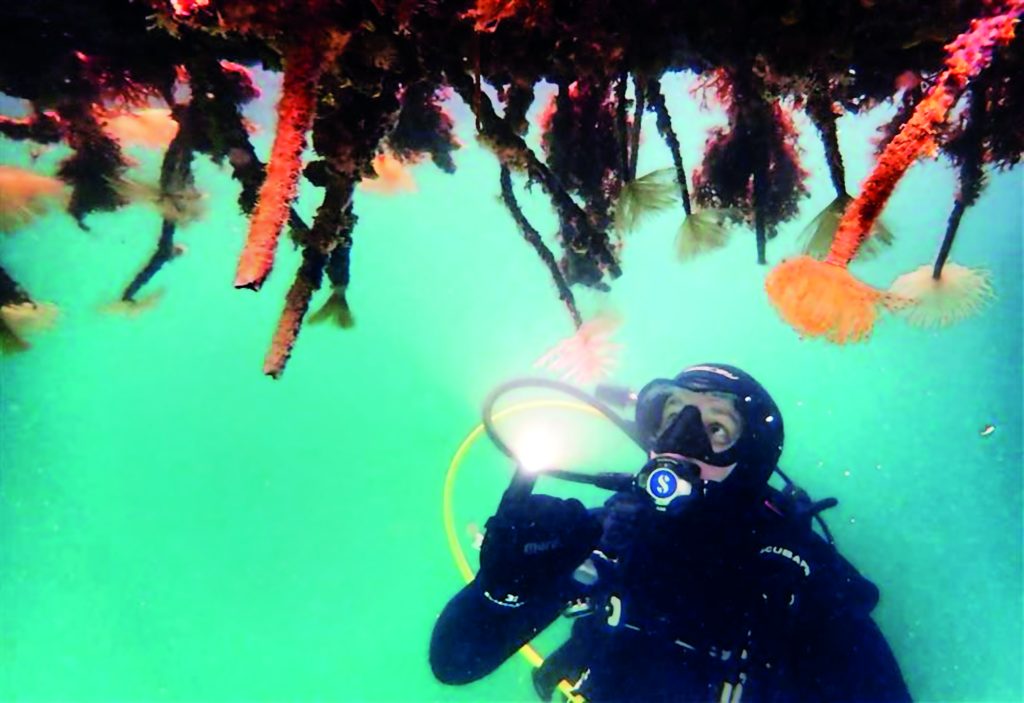
A diver checks for and finds fanworm on the hull of a boat.

Elsewhere, Tutukākā remains fanworm-free, while Mangawhai Harbour continues active removal. Areas where fanworm is well established – including Whangārei, Whangaroa and Ōpua – require extra vigilance.

What boat owners can do

Leonard asks skippers to check and clean hulls, anchors, cray pots and ropes before heading to new cruising grounds. The divers will also look for other marine invaders such as exotic Caulerpa, Asian date mussel, and clubbed tunicate, along with not-yet-present species like northern Pacific seastar and European green crab.
- Advertisement, article continues below -

Boaties can confirm if their vessel has been inspected by emailing marinebiosecurity@nrc.govt.nz with their boat name and berth location.

Keeping hulls clean, Leonard says, is the simplest and most effective way to protect Northland’s harbours and coastlines for everyone who enjoys them.

Share this
Article
Article

Aucklanders urged to stay alert for yellow-legged hornets

Invasive Species
Biosecurity New Zealand ramps up surveillance as a new invasive threat emerges on the North Shore.
Article
Article

Whangapoua Harbour declared invasive Mediterranean fanworm free

Invasive Species
After five years of sustained monitoring and community vigilance, Waikato Regional Council confirms ...
Article
Article

Sea spurge found at Kapowairua (Spirits Bay)

Invasive Species
A new sea spurge infestation has been found at Kapowairua (Spirits Bay) – the first discovery of the...

Comments

This conversation is moderated by Boating New Zealand. Subscribe to view comments and join the conversation. Choose your plan →

This conversation is moderated by Boating New Zealand.

LEAVE A REPLY

Please enter your comment!
Please enter your name here

Chris Woodhams
Chris Woodhams
Adventurer. Explorer. Sailor. Web Editors of Boating NZ

Roger Hill Yacht Design Ltd

My studio is based in Auckland, New Zealand. I believe that the yachts I design should be beautiful, functional, and meet the owner’s brief. Our office motto > A successful project is a ha...

Douglas B Foote Ltd (DBF)

For over six decades, Douglas B Foote Ltd (DBF) has been a trusted name in precision engineering, providing high-performance marine hydraulic solutions to boatbuilders, shipyards, and marine operators across New Zealand. From its humble beginnings in a Takapuna garage in 1958, DBF has evolved into a specialist in CNC machining, hydraulic hose solutions, and manufacturer of its signature range of stainless steel hydraulic fittings, catering to the unique challenges of the marine environment. DBF...

LATEST NEWS