When the Government released its draft plan to reshape local government at 5pm on Tuesday 25 November, it set off immediate interest across the country. The proposal runs well beyond council boundaries and rates. It reaches into the way coastal areas, harbours, waterways, and marine services are managed. For anyone who spends time on or near the water, these changes matter.
We have gone through the document to understand what it could mean for the boating community. Here is our first take.
A new regional body for coastal decision-making
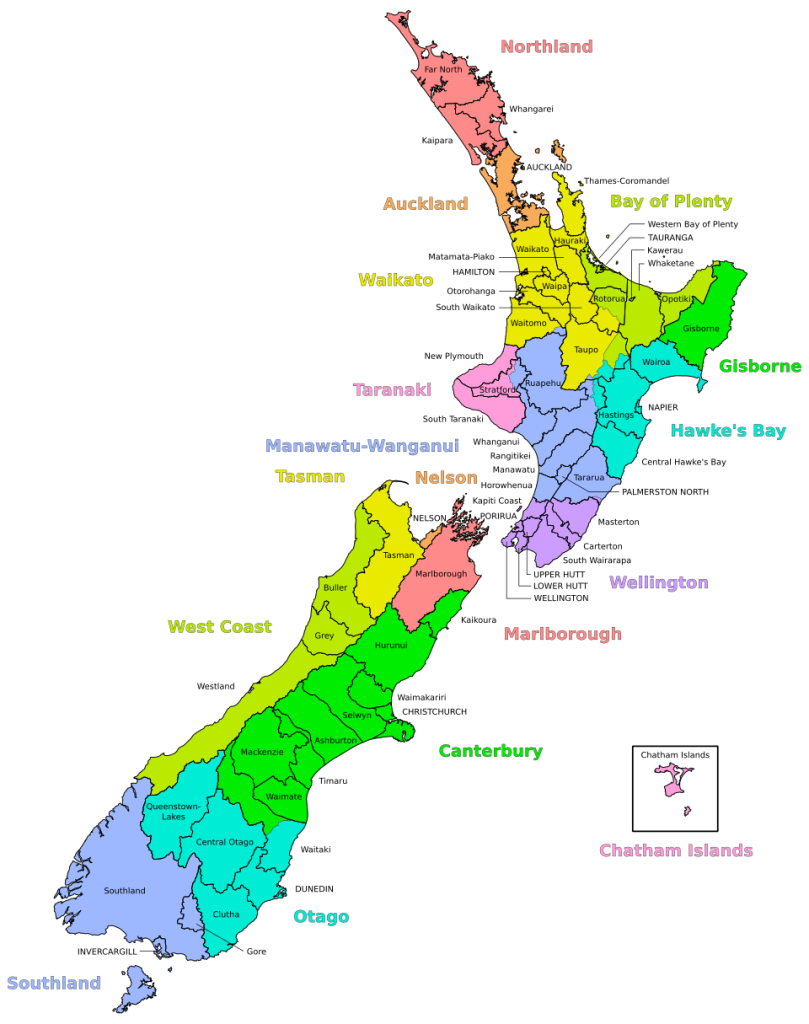
The biggest shift is the replacement of regional councils with Combined Territories Boards. These would be made up of mayors from each district or city in the region and would take over the roles that regional councils currently handle.

That includes the work boaters are most familiar with:
harbourmaster operations, navigation safety rules, mooring administration, marine incident response, and the coastal consents needed for ramps, pontoons, jetties, and dredging.
Environmental oversight would also move to the boards. This covers coastal water quality, sediment and catchment monitoring, estuary health, and coastal hazard assessment.
The Government argues this model creates clearer responsibility for decisions. Others will watch closely to see whether shifting these powers from elected regional councillors to a mayoral board delivers the same local insight coastal communities rely on.
How coastal decisions would be approved
For major planning decisions such as coastal plan updates or changes to navigation bylaws, the proposal sets out a two-step voting test:
-
Decisions must be supported by members representing more than half of the region’s population.
- Advertisement, article continues below - 2002 Amel Super Maramu, 15.95m bluewater cruising ketch. 3 cabins, 4.6m beam, world-renowned build quality. Located Marsden Cove, NZ. Under Contract. NZD $412,000, price $412,000Enquire Now
 -
A majority of board members who hold planning authority must also agree.
This approach is meant to prevent either a single big city or a single small district deciding the outcome alone. How well it works in practice will depend on the makeup of each region.
Harbourmaster roles and coastal bylaws continue
The proposal keeps the core maritime functions at the regional level. Harbourmasters, compliance officers, incident response teams, and navigational safety staff remain essential services, and their work continues under the new structure.
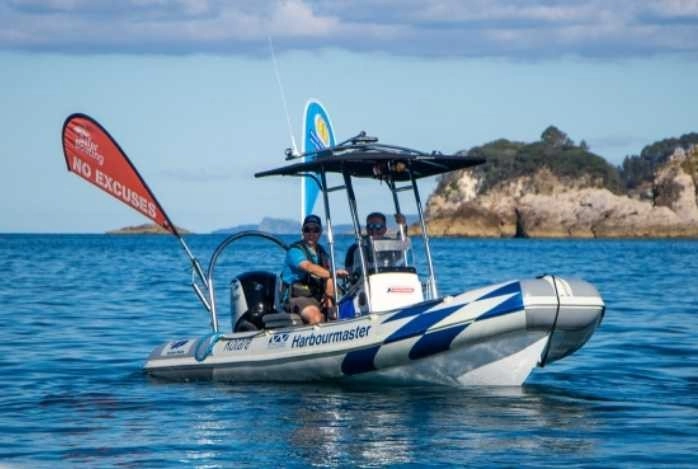
The responsibilities include:
-
Day-to-day harbour management
- Advertisement, article continues below -
-
Setting and enforcing navigation safety bylaws
-
Administering moorings
-
Managing aids to navigation
-
Responding to marine incidents
-
Assessing coastal hazards and currents
-
Processing consents for coastal structures
Regions must also prepare a reorganisation plan within two years. This plan could recommend merging or reshaping these teams, particularly in areas where districts share a coastline or harbour.
Emergency management and coastal hazards
Recent storms and coastal surges have shown how exposed many communities are. Under the proposal, regional emergency management would also shift to the new boards. That includes storm response, flood planning, coastal evacuation frameworks, and longer-term resilience planning for harbours and marinas.
Whether a centralised mayoral board improves coordination during major weather events is a question that coastal groups will follow closely.
Treaty-based coastal arrangements to stay in place
The proposal is clear on this point: all Treaty settlement arrangements connected to coastal, estuary, river, or lake environments would carry over to the new system unchanged.
This includes co-governed harbour groups, estuary management bodies, and advisory committees that help shape coastal planning. The intent is continuity rather than resetting existing partnerships.
What could change within two years
Every region will be required to draw up a detailed plan for how marine and environmental services are run. These plans could suggest:
-
Shared harbourmaster teams across neighbouring districts
-
New coastal hazard and climate adaptation groups
-
Combined navigation safety and compliance units
-
Streamlined coastal consenting systems
-
Standardised coastal bylaws across related communities
No decisions have been made yet, but regions have the authority to propose significant changes.
What this means for boaties
Nothing changes immediately. The proposal still needs to go through consultation and legislation. But it offers a clear signal of the Government’s intended direction.
For boaters, here is what matters most:
-
Harbourmasters and coastal management remain regional functions.
-
Decision-making shifts from regional councillors to a board of mayors.
-
Coastal hazard planning and emergency response will be reorganised.
-
The next two years will shape how marine services are delivered in each region.
Anyone with a stake in how our coasts and waterways are managed may want to keep an eye on the regional reorganisation plans when they begin. The rules aren’t changing today – but the structure behind them is on the move.