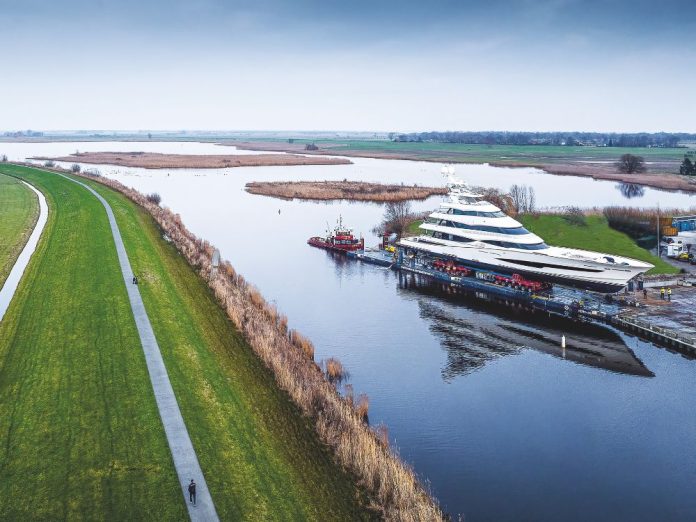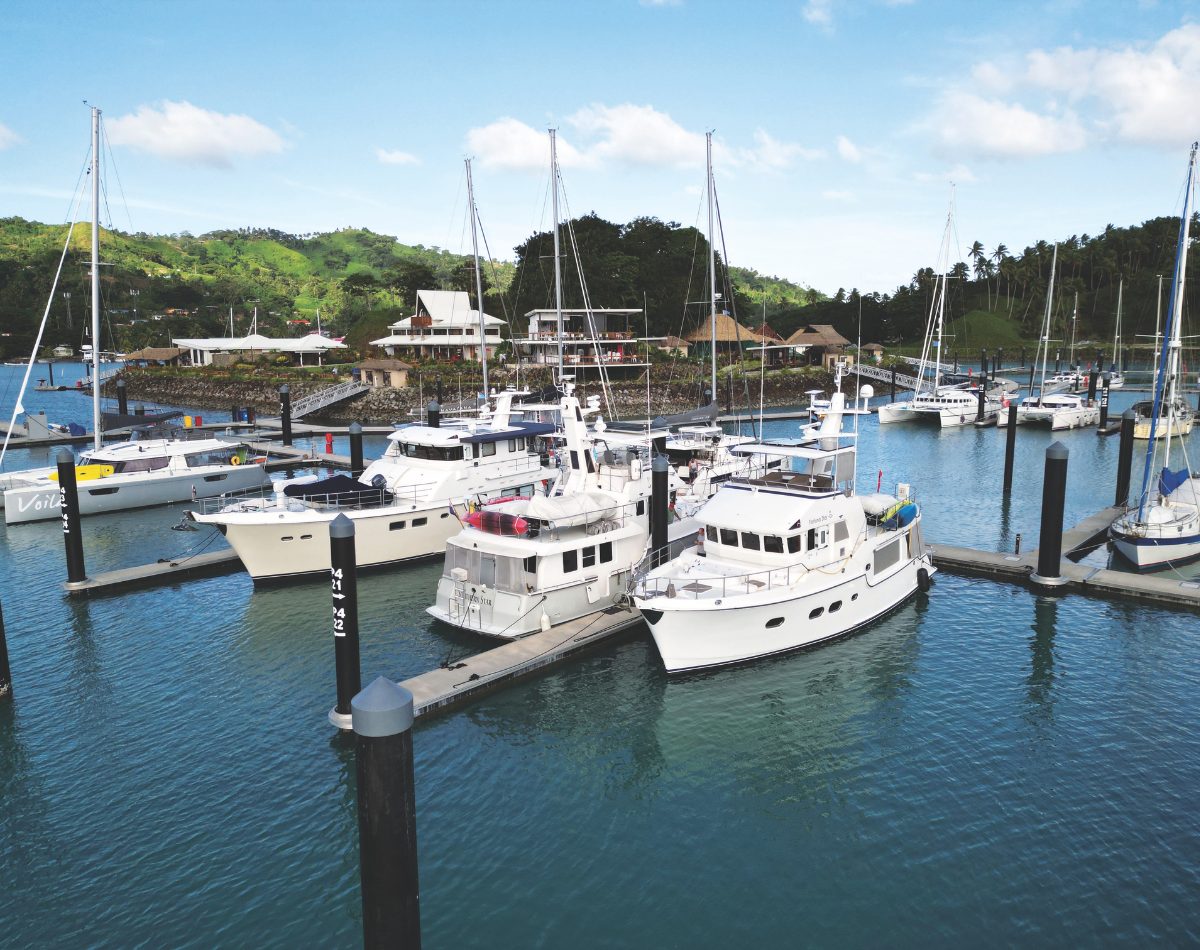
As I read through The Marina’s Brokerage section of Boating NZ and get over my desire to own one or more of the craft pictured, which would make for an awkward discussion with my wife, I cannot help but reflect on some of the sale and purchase contracts that come across my virtual desk each month.
I am often surprised at how skinny the contracts are, given the sums and complexities involved in some of these transactions. This is particularly so when the parties depart from documenting larger sales using well-known international sales forms such as those by the Mediterranean Yacht Broker’s Association (MYBA) and the International Yacht Brokers Association (IYBA).
A typical call we receive from a buyer, Joe, would go as follows:
“Peter, I have signed an Offer to Purchase on yacht X on Broker Y’s ‘standard form’ and would like you to give it a quick review, it is just an offer.”

Me, as diplomatically as possible:
“Joe, had you thought to approach me before you signed the Offer?”
Joe:
“Ah, no, because it is only an offer, and I have paid a deposit.”
Me, with an internal sigh:
“Sure Joe, send it through and I will have a look at it…”
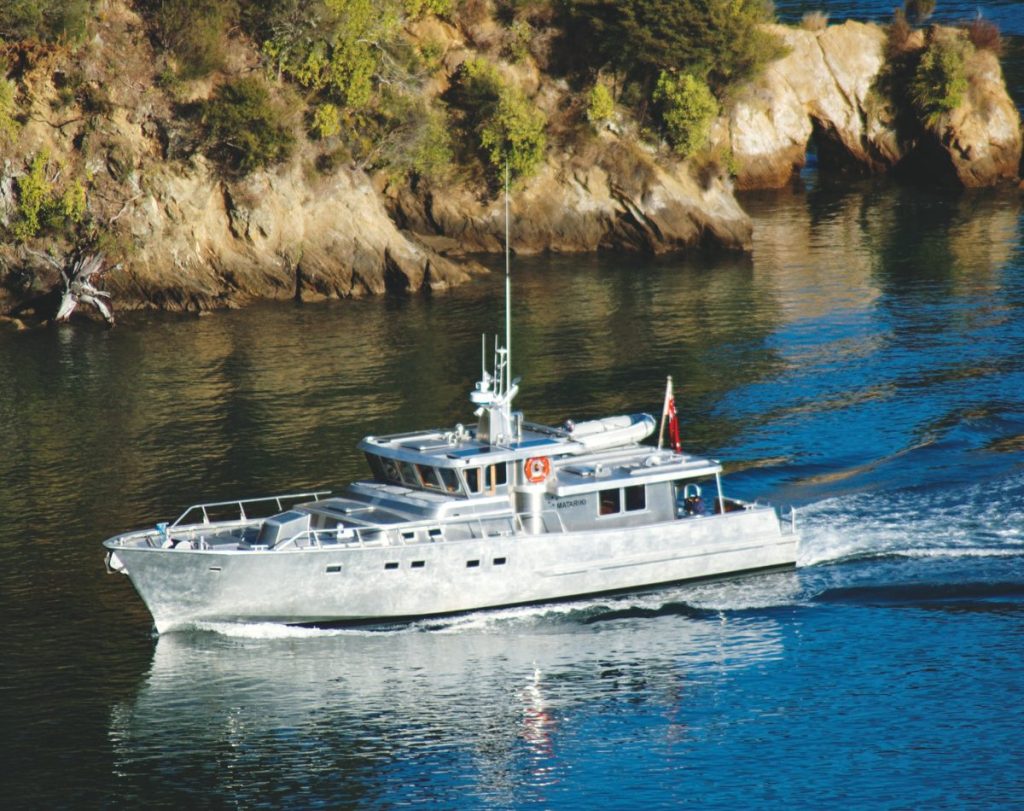
The variety of contracts, normally drafted by a broker who may have borrowed it from another precedent, is astonishing. Each broker tends to rely on a familiar contract they have used for years, and in fairness, many of these have survived unchallenged.
However, experience shows plenty of cases where buyers, sellers, and brokers have come unstuck through poorly drafted contracts.
Viewed through the lens of a maritime lawyer, here are some pitfalls that can be avoided.
Firstly, a signed ‘Offer to Purchase’ is a binding contract between buyer and seller, and sometimes the broker as well. There is a common misconception that it is similar to a ‘Letter of Intent’ and not binding. This is incorrect. Once signed, you are bound to its terms.
Secondly, ‘Letters of Intent’ are increasingly common, and problematic. They are not binding and introduce uncertainty. If parties are going to the effort of drafting and signing such documents, often with deposits attached, they would be better served completing a proper sale and purchase agreement that is conditional on sea trial, survey, and due diligence. That way, everyone knows where they stand.
Thirdly, the legal role of the broker, and how deposits and purchase funds are handled, is often overlooked. The MYBA form includes clear clauses defining the broker as a stakeholder, which helps avoid disputes. In many cases, there is confusion about whether the broker acts for buyer or seller, and whether there is a documented commission agreement.
Without clear terms, brokers have sometimes been left chasing their commission.

Another growing issue is identifying the actual seller, particularly with foreign-owned vessels. Ownership is often held through offshore companies in jurisdictions such as the British Virgin Islands or Marshall Islands. These companies may no longer be in good standing if annual fees have not been maintained.
Similarly, vessel registration may not be current.
If purchasing a foreign-owned vessel, always request:
The certificate of registration (in hard copy and current)
A transcript of the vessel register showing ownership and any mortgages
A certificate of good standing for the owning company
Finally, one of the most important issues is the GST and duty status of the vessel.
Customs’ approach to foreign-owned vessels under Temporary Import Entry has changed, and remains complex. Sellers should seek advice early and obtain Customs approval before marketing the vessel.
If not handled correctly, a seller may be required to import the vessel and pay full GST and duty on its value, without the benefit of depreciation, and then attempt to recover those costs on sale.
The legal and regulatory position is still evolving, and not always well understood across the industry.
Final word
Sellers, buyers and brokers should ensure their transaction is documented using a well-considered contract that properly addresses these issues and others not covered here.
Templates are available and can be shared for a modest fee.
Peter Dawson
Peter Dawson is a maritime lawyer with over 35 years of experience, including 20 years practising in New Zealand. His expertise includes vessel ownership structures, registrations, sale and purchase agreements, and commercial maritime operations.