On average, 17 people lose their lives in recreational boating incidents in New Zealand each year. The vast majority of those deaths are preventable. Understanding what causes accidents on the water is a good starting point for making sure you’re not adding to that number.
Common causes of boating accidents
Most accidents on the water share a handful of common threads. These include:
- Operator inexperience – anyone can take a boat out in New Zealand without a licence or formal training. That leaves a lot of room for skippers who simply don’t know what they’re doing when things go wrong.
- Operator inattention – a boat doesn’t have brakes. Losing focus for even a moment can have serious consequences, especially in busy anchorages or near swimmers.
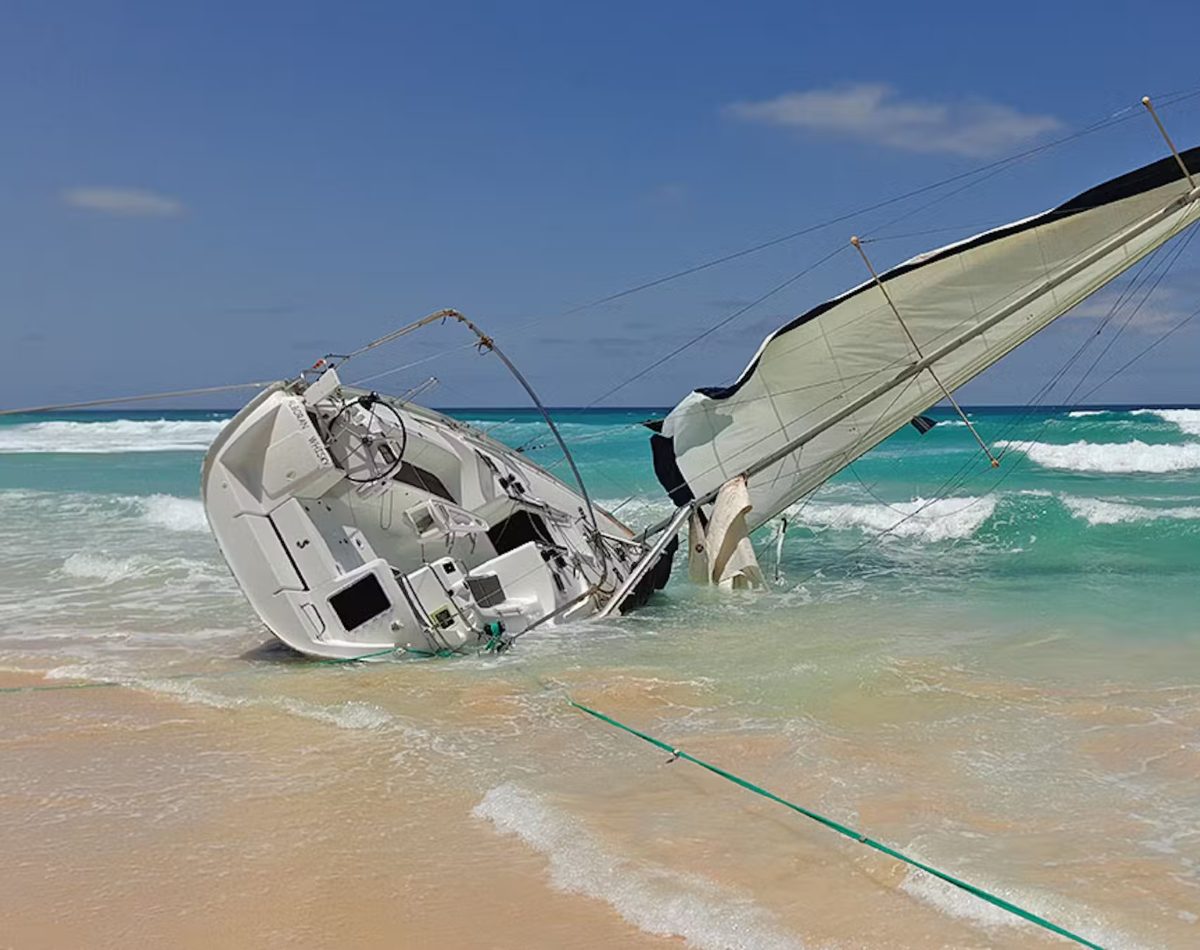
- Capsize and falls overboard – these are the leading causes of recreational boating fatalities in New Zealand, and they most commonly happen close to shore in small craft under six metres.
- Ignoring the weather – conditions can change quickly on the water. Never leave port without checking the marine forecast, and keep an eye on things throughout your trip.
- Excessive speed – speeding reduces reaction time and increases the severity of any collision or capsize. The maximum permitted speed within 200 metres of shore is 5 knots.
- Failure to wear a lifejacket – not wearing a lifejacket remains one of the biggest contributors to boating fatalities. Research shows that many boaties only put one on when conditions deteriorate – by which point it may be too late.
- Alcohol and drugs – impaired judgement on the water carries the same risks as impaired driving on the road. Maritime NZ and the Safer Boating Forum have a clear position: never operate a recreational craft while under the influence.
- Equipment failure – poorly maintained engines, faulty bilge pumps, expired flares, or flat batteries on communication devices can all turn a manageable situation into an emergency.
- Inadequate communication – carrying at least two waterproof forms of communication – such as a marine VHF radio, EPIRB or a cellphone – can make the difference between a quick rescue and a tragedy.
- Violation of navigation rules – not knowing the rules of the road on the water, including right of way and speed limits, puts both you and other water users at risk.
What Maritime NZ says to focus on
Maritime NZ’s harm prevention work is based on what the evidence shows actually kills people on the water. Their current messaging, under the “Come Home Safe” campaign, consistently comes back to three priorities:
- Wear a properly fitted lifejacket. See our guide to choosing the right lifejacket if you’re unsure what type suits your boating.
- Carry at least two waterproof forms of communication – marine VHF radio, a beacon (EPIRB or PLB), or a waterproof cellphone.
- Check the marine weather forecast before you head out, and keep monitoring conditions throughout your trip.
One finding that’s worth keeping in mind: research shows that the highest risk on the water is actually within 400 metres of shore – the area where most boaties assume they’re safest. It’s a good reminder that safety habits matter on every trip, not just the longer ones.


For more detailed safety guidance, saferboating.org.nz is a good place to start.
No licence required – but you’re still responsible
Unlike driving a car, you don’t need a licence to operate a recreational boat in New Zealand. Anyone over 15 can skipper a vessel capable of exceeding 10 knots without any formal qualification. Maritime NZ is clear on one point, though: not knowing the rules is not an excuse. Ignorance of maritime rules or regional bylaws can lead to instant fines or prosecution.
Coastguard Boating Education’s Day Skipper course is recommended as the minimum qualification for anyone taking a boat out. It covers navigation, weather, safety equipment, and handling emergencies – the kind of knowledge that can keep a bad situation from becoming a fatal one. There are also courses available for bar crossing, sea survival, and VHF radio operation.
Make sure you’re covered
Accidents can happen to even experienced boaties. Having the right insurance in place means that if something does go wrong, you’re not facing the financial fallout on top of everything else!

Sources
Maritime NZ – Recreational craft safety, Maritime NZ – Skipper responsibilities, Maritime NZ – Safer Boating Week 2025 (Buoy-Boy campaign), Safer Boating Forum – Recreational Craft Strategy 2023–2025, Coastguard Boating Education – Day Skipper
Looking for the right cover on the water in New Zealand in 2026?
No matter what your plans are on the water in 2026, Mariner Insurance is here to support you. We have been offering Kiwis specialist marine insurance in New Zealand for over a decade with cover for all types of boats and watercraft. Just talk to us about what you’re doing on the water, and we can tailor one of our insurance policies to fit.