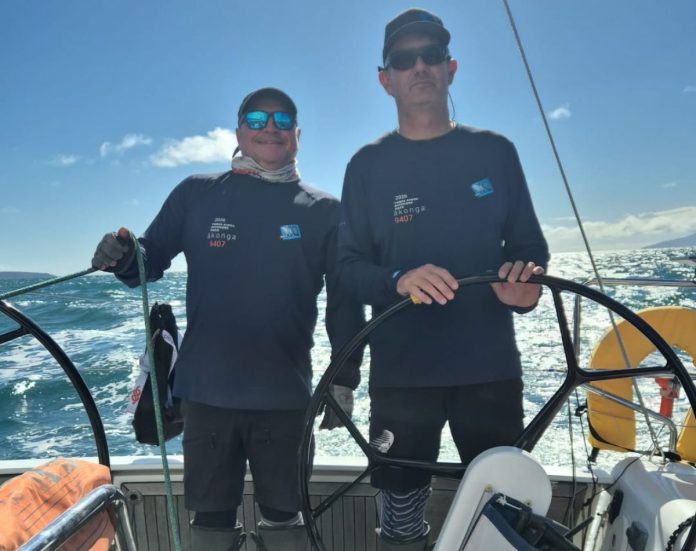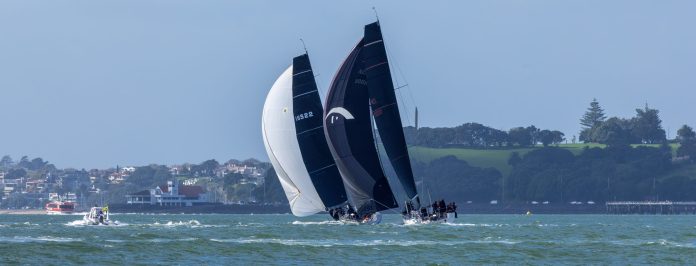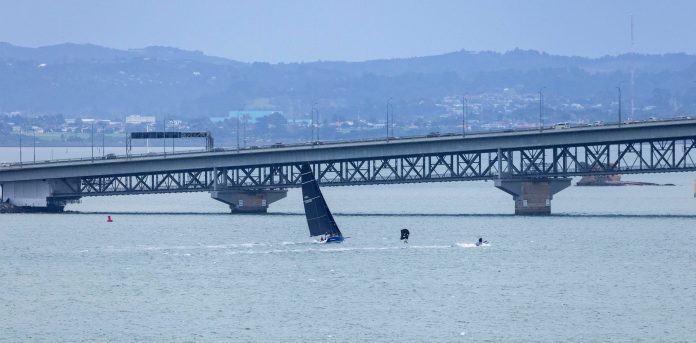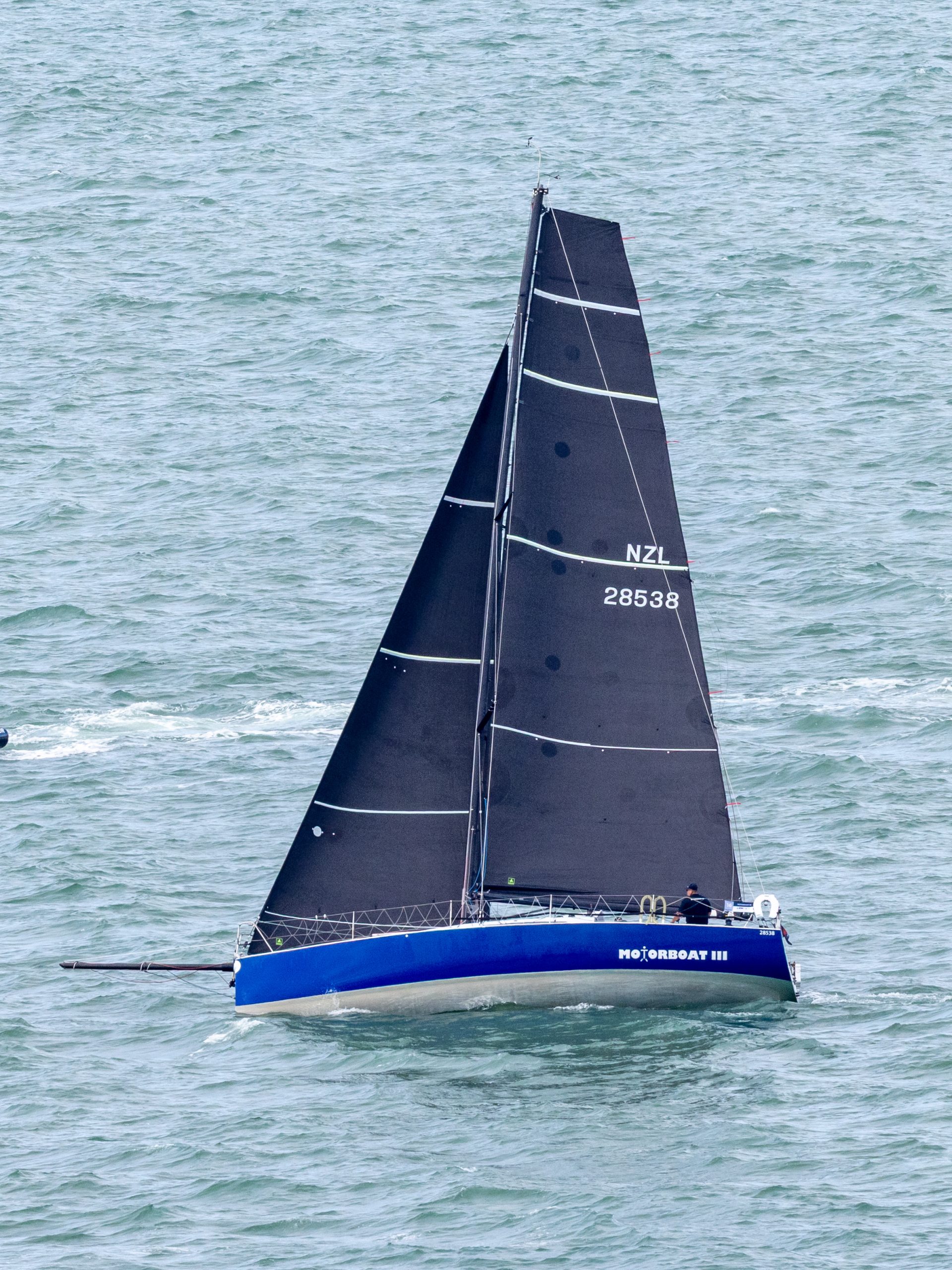
The weather and safety briefing for the Three Kings Offshore Yacht Race was held very close to where it will start t his morning. This year’s fleet, as mentioned by many of the skippers we chatted to across this week, is smaller than in previous versions of the race, 2024 and 2022. There is a shared desire to gain more traction, grow a bigger fleet, and bring offshore sailing back to the plans of those who enjoy getting out in the water in a sailing boat.
After a few days of settling weather after Cyclone Vaianu, the forecast, at least, had finally come good.
RNZYS Race Officer Colin Lucas moved quickly to the communications protocol. Before anyone left for the night, every skipper needed to understand what happened if a boat went quiet out there.
Position reports go out twice daily, between 0700 and 0730 each morning, and 1900 and 1930 each evening. Miss one, and the phone calls start. RNZYS contacts the boat directly first. Nothing back, and Maritime Radio New Zealand gets asked to hail on Channel 16. Every competing boat’s details are lodged with Maritime Radio before the start, so they already know who is out there. If that fails too, Rescue Coordination New Zealand takes over.
“I’d rather not go there,” Lucas said. “So I go back to reporting at the scheduled times, please.”

Each boat carries a Yellow Brick tracker, a commercial satellite tracking service used by offshore races worldwide to show real-time boat positions when mobile coverage is long gone.
Beyond giving shore teams and followers a live picture of the fleet, each unit carries a red alert function, which someone in the room called the “beam me up Scotty button.” Lift the cover, press and hold five seconds, watch the countdown hit zero. It does not send once and stop. The alert keeps transmitting until someone on shore acknowledges it. Last resort only.
Lucas had better news on the weather. The previous two editions of the Three Kings had given race management a hard time. This forecast was different. He called it a glamour race. One wind hole is expected in the open water crossing between North Cape and the Three Kings Islands, but even accounting for that, faster boats are predicted to reach the islands around 6pm Saturday. The southerly builds on the way home, so the return leg should move. Finish window: Saturday evening.
Sailing Manager Ella Sagnol then singled out Carpe Diem. Rowan Smith’s Elliott 1060 was the last boat to enter the race, and the first to have every piece of documentation submitted and complete. Sagnol handed the crew treats in front of the room. Chasing race paperwork from sailors is a reliable feature of any offshore event, so when someone gets it done early, it gets noticed.

The Yellow Brick tracker drew a laugh of its own. At a previous edition, a crew member had forgotten to return the unit after finishing. Race management watched it move all the way to the owner’s house. “Do not take them home,” Sagnol said.
Entry numbers are down, and Sagnol put the question directly to the room: does the Three Kings need to change? Run biennually instead of every year? Alternate between a race that is Cat 2 and another race that is Cat 3? Move off April? Shift to a long weekend? She had already heard ideas from several crews before the briefing started and wanted more.
No single answer came back, which suited the moment. The Three Kings is one of the last Cat 2 races on the New Zealand calendar. The people running it are aware that keeping it alive may mean running it differently. These are useful conversations to have, and to have now. Growing fleet numbers in races like the Three Kings Offshore Yacht Race is important to the sailing scene in New Zealand.
Outside, the forecast was holding. A westerly at the start, a fast run north, and if Colin Lucas had it right, most boats back in Auckland by Saturday evening.