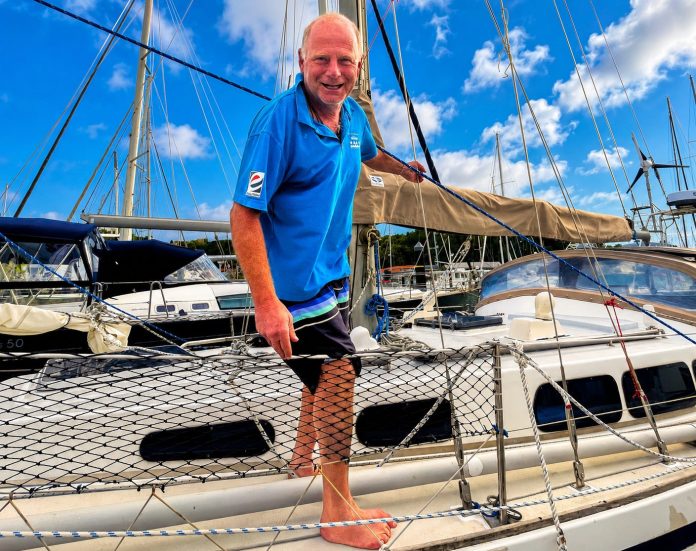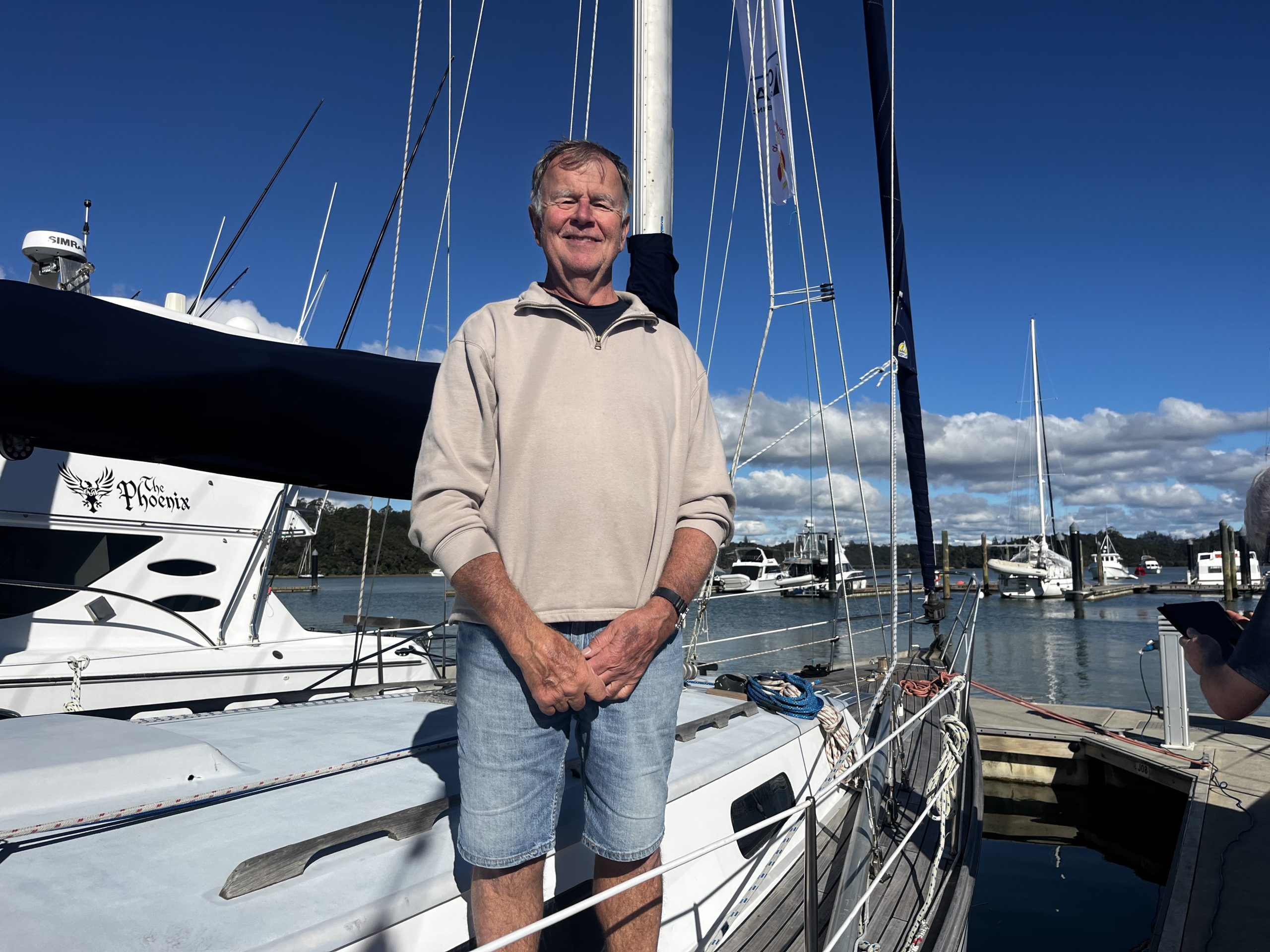
That 1986 race was on a Chico 30 he built himself, working from his background as a carpenter at a time when amateur boatbuilding was simply what people did. He and his partner spent six or seven months afterwards cruising the Australian coast, working their way from Queensland down to Sydney before heading home to New Plymouth. “Great cruising up and down the coast of Aussie,” he says, the kind of trip that stays with you for 40 years.
EPIRB activated: rescue operation underway for Graeme Francis on Robbery in the Solo Trans-Tasman
The 2018 return brought a different boat and a different story. Francis sailed Robbery across, was joined by family for six weeks, then he and a friend flew back to Bundaberg to bring the boat home. The return trip was 10 days, and he still talks about it warmly. The race itself was harder to forget. He turned west too early and drove straight into the centre of a high. For two full days he was stuck, drifting at one or two knots at night when a thin breeze came through, dead still when the sun came out and burnt it off. “Big rolly swell and becalmed. Quite frustrating.” He has thought about that decision plenty of times since.
Robbery gets her name, Francis believes, from the era she was built in. Launched in the early 1980s alongside a sister boat, both constructed upside down in the same shed before being turned and fitted out, she arrived just as Prime Minister Sir Robert Muldoon introduced a boat tax. Her interior joinery is something else, fashioned from kauri pulled out of the Tihuana ranges before a valley was flooded. Francis has photographs of the logs being extracted. “Classic, you know. Great little boats.”

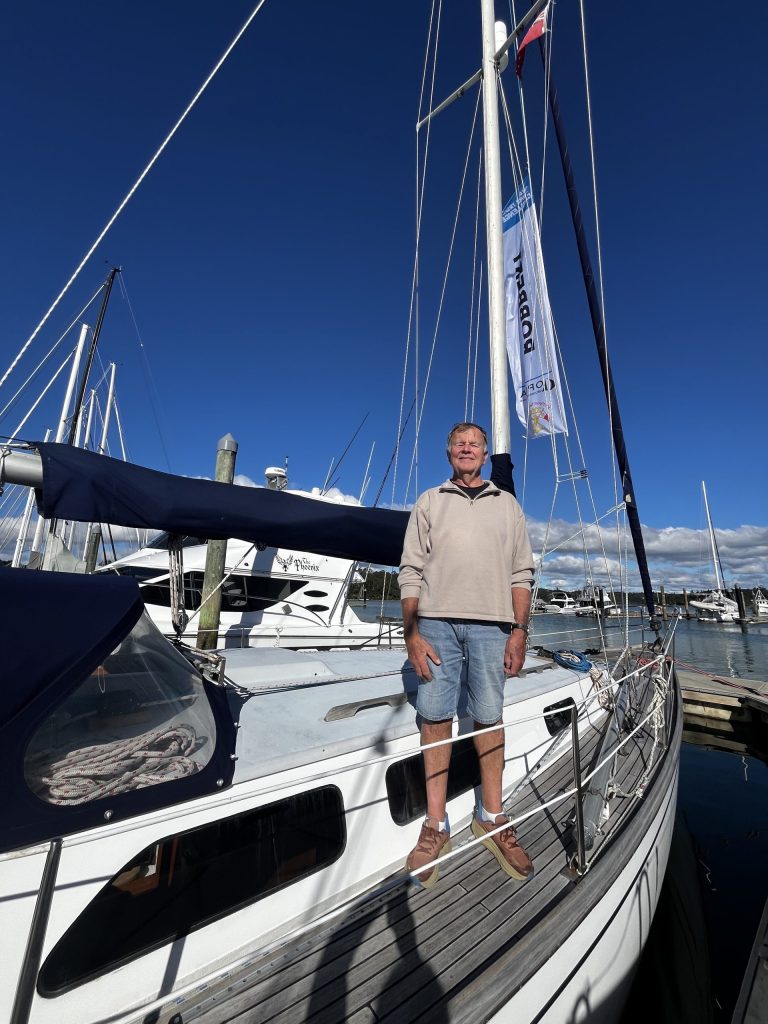
His preparation for this race began in October last year. Re-rigging, a mast pull, a new genoa, engine replacement a couple of years back, upgraded instruments, Starlink. The mast alone cost a small fortune. The sail another $6,000. On top of that came the Cat 1 certification process, advanced first aid, offshore courses, and an IVC requirement sitting alongside the Cat 1 as what he sees as straightforward duplication. “One signed it off and the other one said, ‘it’s good enough for me.’ Just a waste of money, a waste of time.”
He is not coming into this cold. Francis spent nearly 40 years in ship work, doing irregular hours and broken sleep as a matter of routine. Functioning at sea when you are running short is, for him, familiar territory, and he thinks it is one of the biggest things a solo sailor can bring to a crossing. Learning to sleep in short grabs, staying organised when tired, being at ease with the boat when conditions are not, none of that can be drilled in the weeks before a start.
“A young person coming on board, they’ve got to learn a lot,” he says.
“Not only have the boat set up and be comfortable with it, but have the time to get the boat ready, get themselves mentally ready, and then try and sail the race with short sleep as well.”
Francis was also on the organising committee when the race was run from New Plymouth Yacht Club, and he was in the room when the discussion turned serious. Numbers had dried up. The commercial port offered minimal infrastructure. Clearing customs was difficult. When a committee member raised the idea of approaching Julie and Bill Kidman at Opua Cruising Club, the motion passed without much argument. “They grabbed it and they’ve just done a fantastic job.”

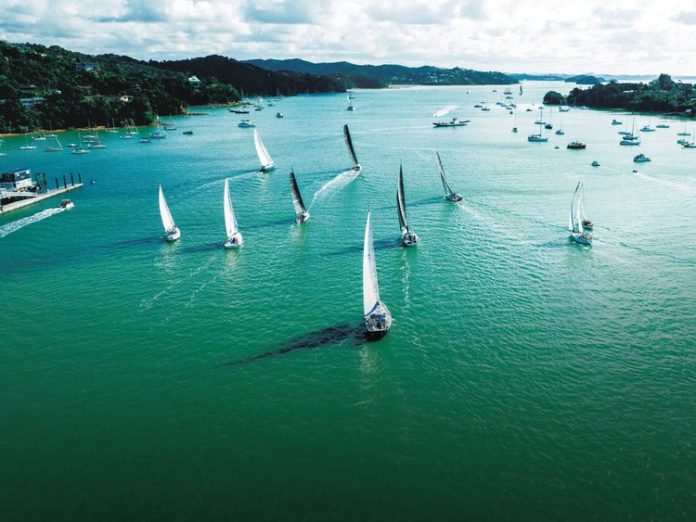
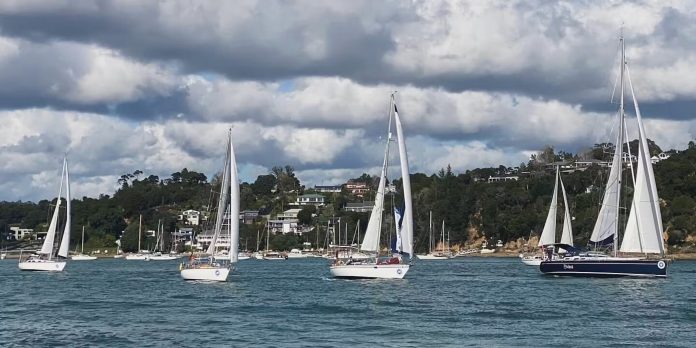
He does not say this to dismiss what New Plymouth contributed over 50 years of running the event. The race had a good long run there, and the community around it was real. But the facilities were what they were, and by the time entry numbers had shrunk to two or three serious inquiries with 18 months still to go, it was time to move on. Fifteen boats at the start this year. Meals at the club six nights a week. A working marina. Customs coming to the pontoon. “You come up here and look at it, it’s just magnificent.”
His target for this crossing is 10 to 12 days. He did 12 in 1986 and 16 in 2018. He will be following PredictWind closely as the fleet rounds North Cape and heads into whatever is building to the north. He wants to reach Southport’s bar in daylight, ideally near high tide. He got there around five in the afternoon last time. The time before, he came in at night. That was manageable, but daylight is simpler and he knows the bar.
Once he arrives, his son, studying at Victoria University of Wellington, will fly over during his mid-trimester break and sail home with him. Francis was prepared to do the return alone if he had to, but he did not want to. He has been on watch at night in glassy conditions with no moon, sky so clear the stars were reflected back up from the water, and he knows the particular frustration of having nobody to call down to the cabin. “Come on, have a look at this.” He is already thinking about that crossing.
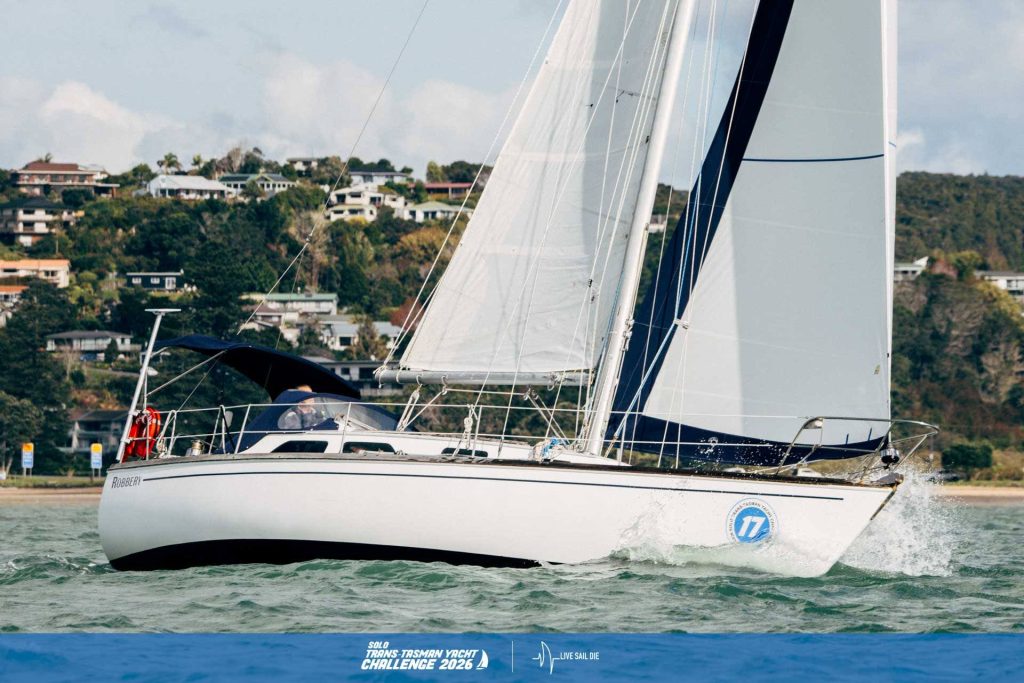
Robbery lives at Gulf Harbour. Francis lives in New Plymouth and drives up for a couple of weeks at a time, uses the boat, does jobs on her. He is not chasing results. He enters this challenge because it gives him a reason to go somewhere, and the going is the point. What happens at the other end, the time with family, the quiet passages, the trip back, that is what he is actually after.
He expects the 2029 edition to grow, drawn by the facilities at Opua and the concentration of boats on the east coast that no longer have to round the top and head down to New Plymouth. “I can only expect the race to grow. It really can.”