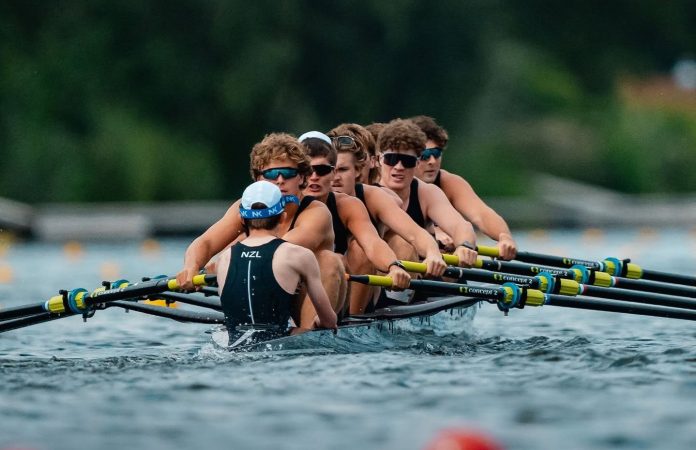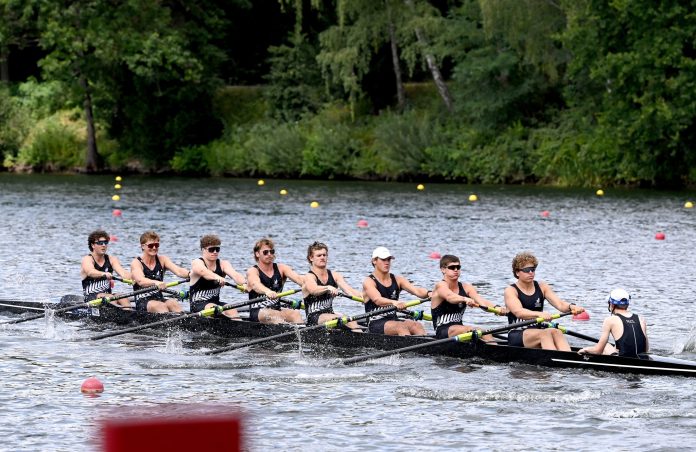
Nine schools arrived at the 2026 Maadi Regatta having never raced at New Zealand’s premier school rowing event before, a sign that the sport’s reach is expanding well beyond the traditional powerhouses. Among them were Geraldine High School, Darfield High School, and St Ignatius of Loyola Catholic College, each with their own story of how they arrived at Lake Ruataniwha.
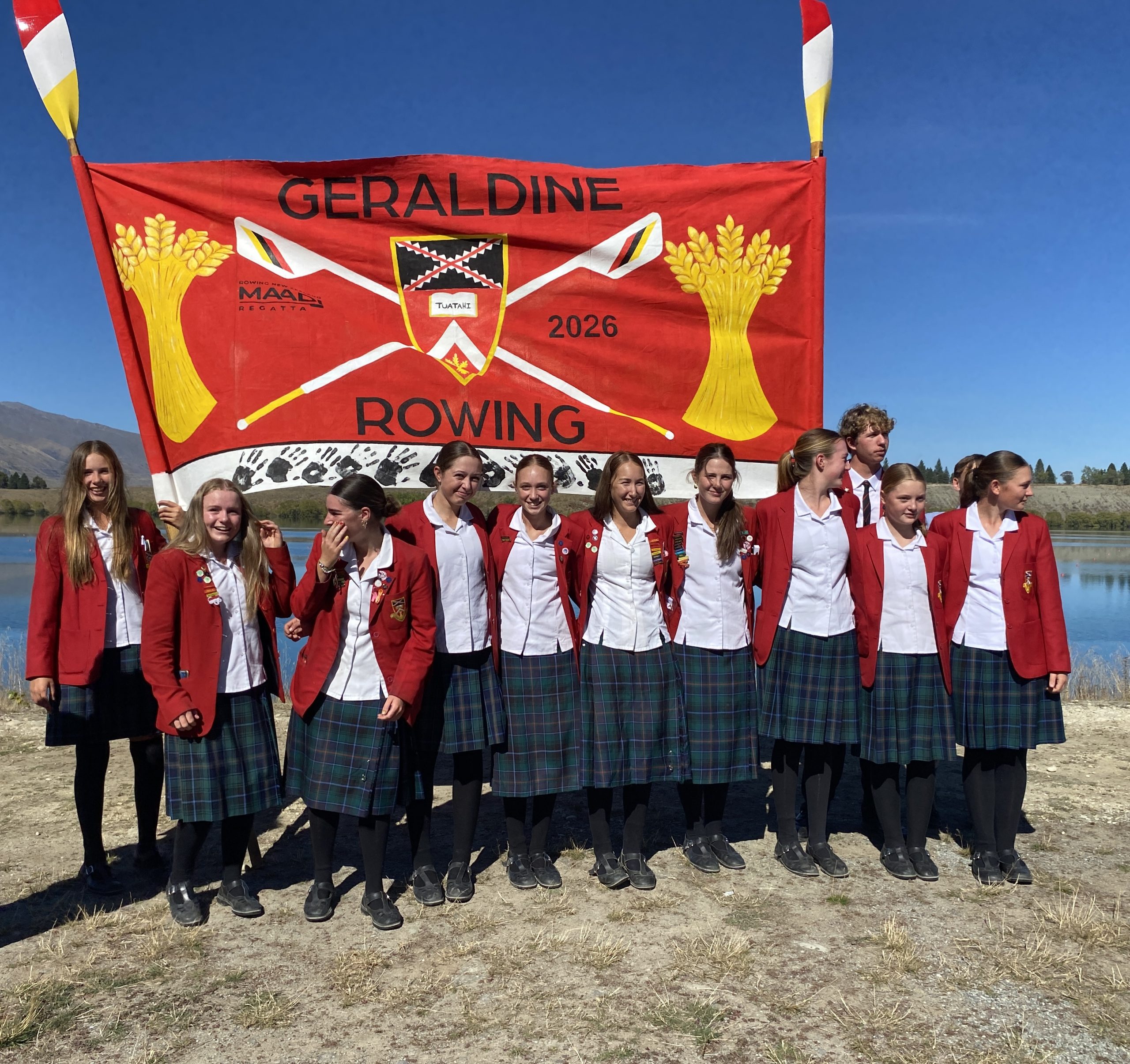
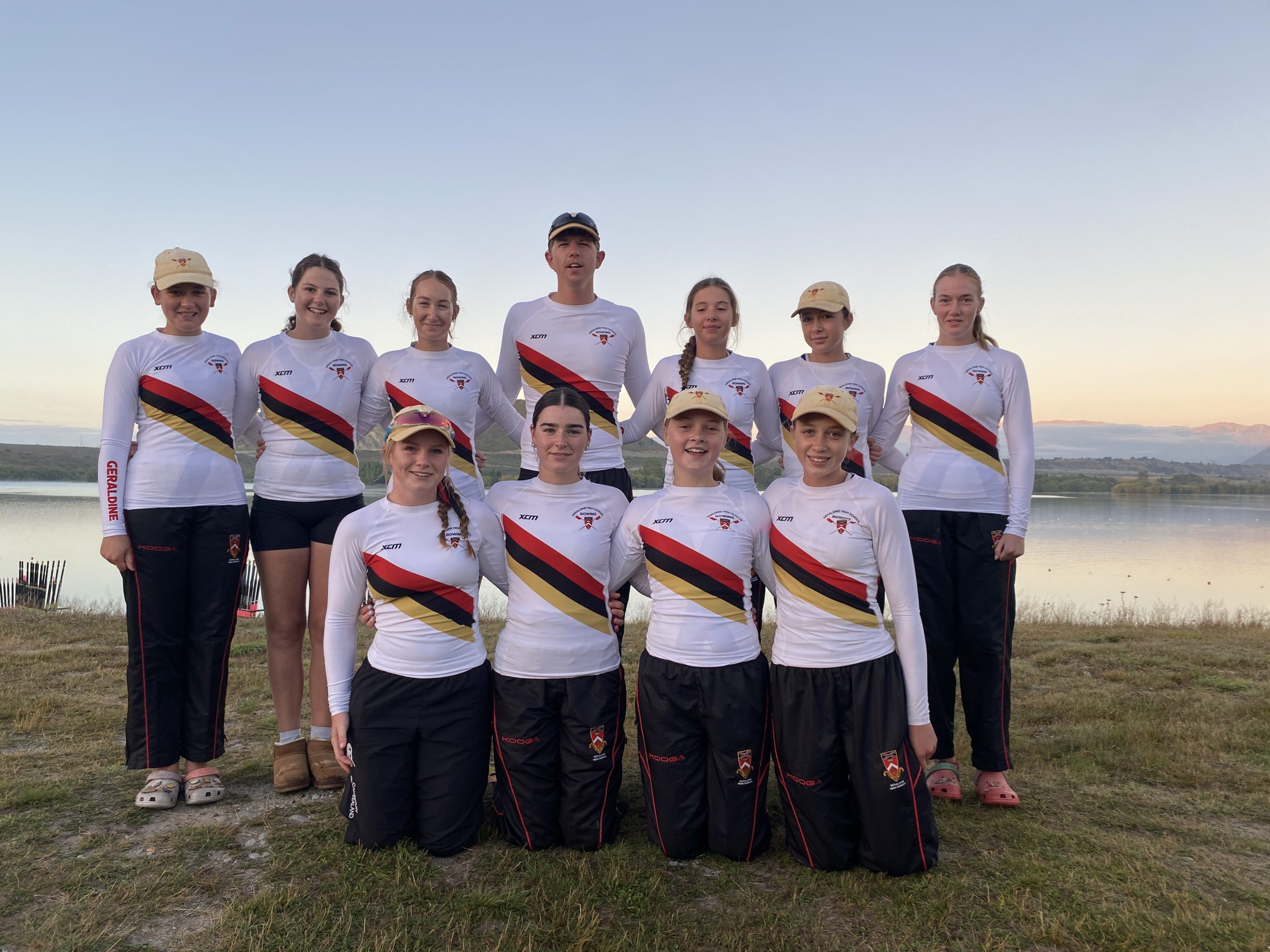
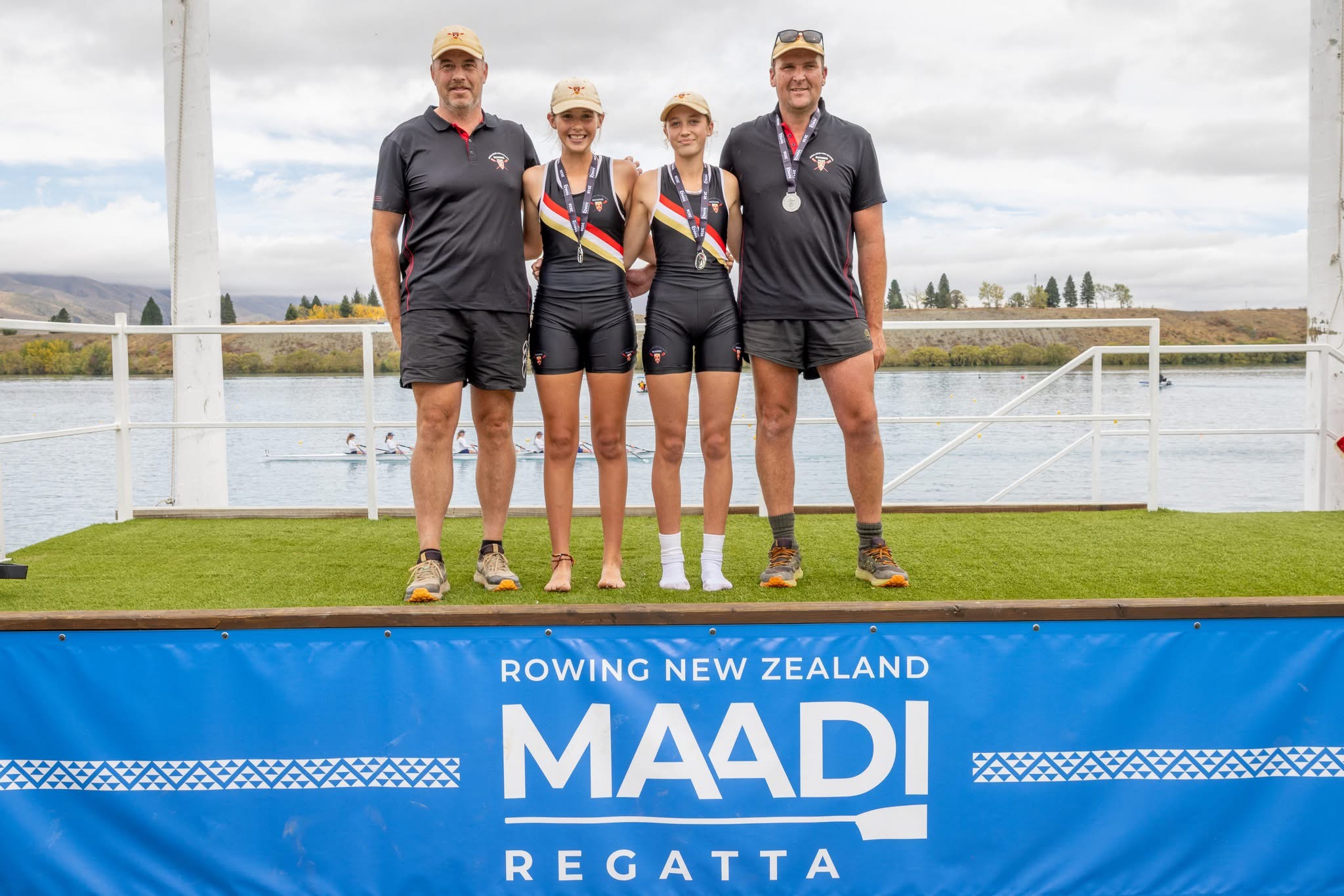
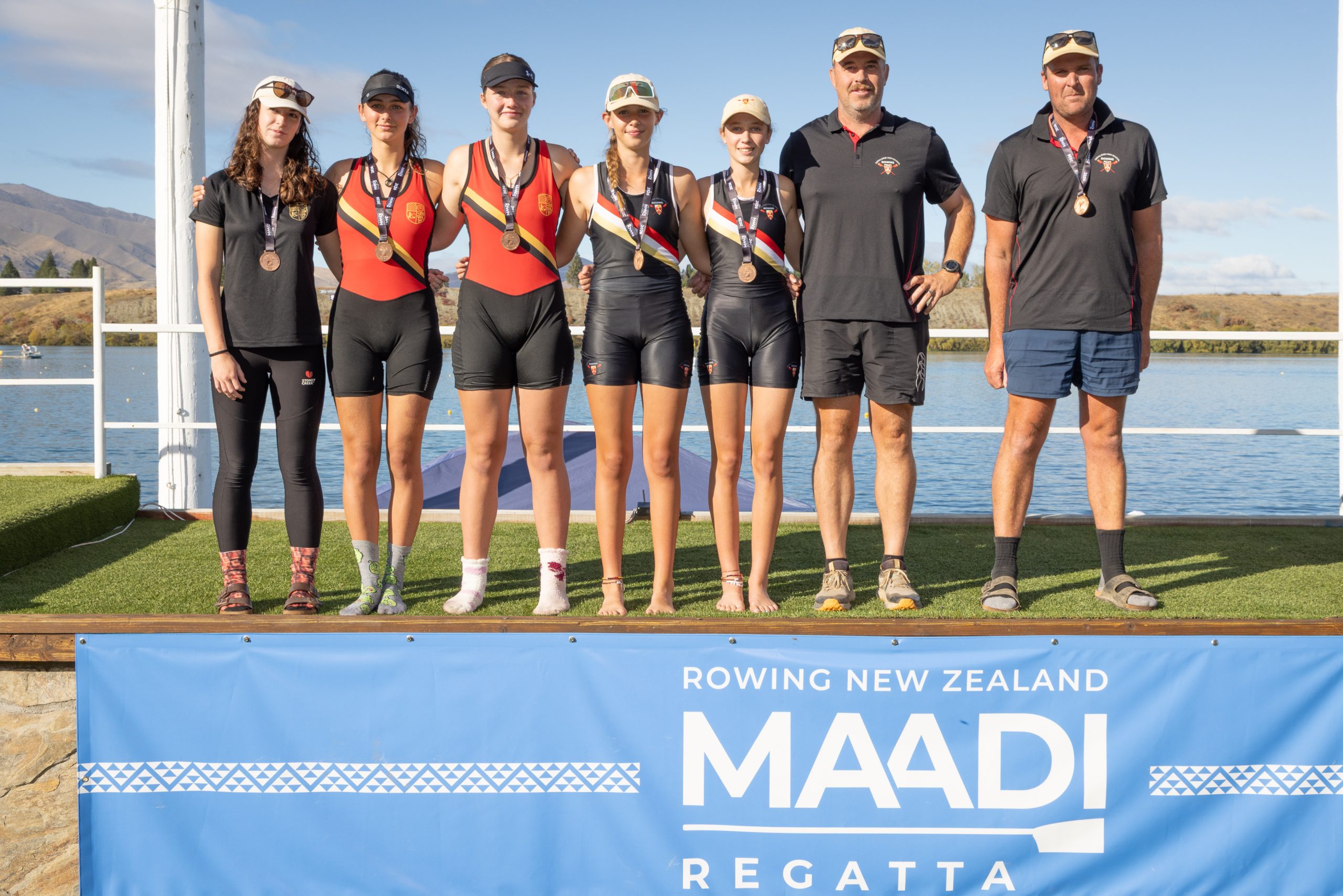
Geraldine’s debut was swift. Just one season into their programme, coaches Jeremy Gaskin and David Earl helped build a squad from scratch. Starting with seven rowers in September 2025, the school grew to eleven by regatta time—enough to field a U15 crew, a senior novice girls’ crew, and a U18 boy. Charlee Cooper and Justina Courage left Twizel with silverware: a silver medal in the Girls’ U18 Novice Double Sculls and bronze in the U15 version. For a school with no rowing history months earlier, it was an extraordinary debut. Rae Gaskin, the rowing manager and Jeremy’s wife, saw the timing work out perfectly. “It made sense to start our programme while we were already heavily involved in rowing as a family,” she said. With Timaru Rowing Club providing boats and support, parents who had no idea what to expect at a regatta became invested volunteers, helping build something the school plans to expand substantially next season.
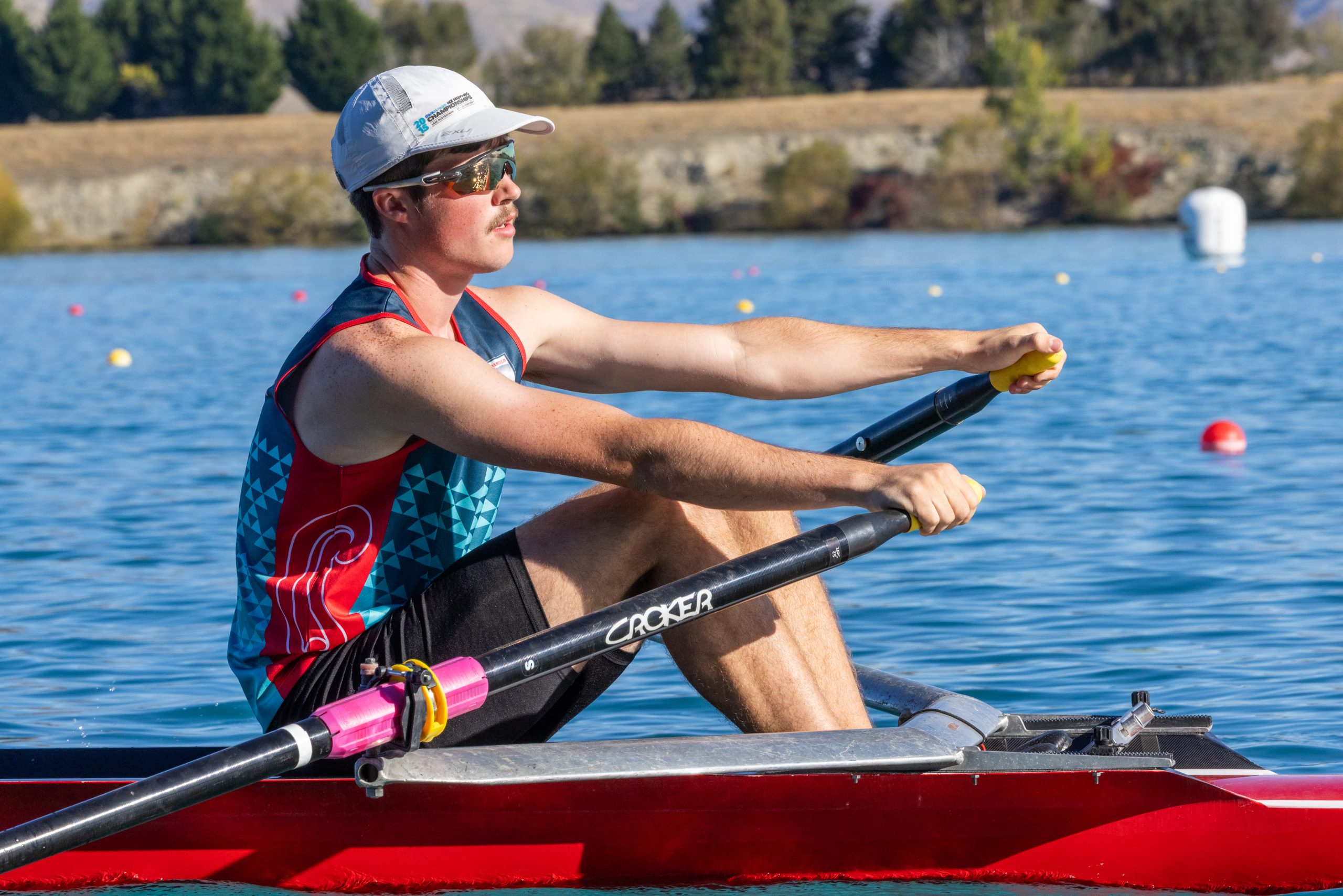
Darfield’s journey began two years ago with student and parent pressure to start rowing. That effort created Selwyn Rowing, an umbrella organisation now supporting four schools across the Darfield, Lincoln, Rolleston, and Ellesmere regions. Coach Adam Jenkin recalls the raw logistics of those early days: “We had no coaches, boats, gear, or storage facilities.” Grassroots fundraising and donated equipment filled those gaps. By the 2026 Maadi Regatta, held virtually on their doorstep in Twizel, three Darfield athletes could represent the school. Samuel Lindores’ U18 single sculling performance stuck with Jenkin. The rower missed the top spot in his repechage by just 0.22 seconds—close enough to sting, close enough to inspire. That narrow miss speaks to progress. Jenkin plans to return to Karapiro next season with a larger squad and real competitive teeth.
St Ignatius of Loyola Catholic College in Drury also made their Maadi debut in March. For the school’s wider community, the milestone meant more than racing results. It represented what commitment could achieve and gave parents and students something to feel proud about.

What connects these three schools is not rowing pedigree or established infrastructure. It is people—coaches willing to give time, students choosing a hard sport, parents learning on the job. The Maadi Regatta has always been a showcase for school rowing’s traditional elite. That nine new schools competed there in 2026 suggests the sport is finding roots in places that had none before. These debuts matter less for medals than for what comes next: the ripple effect through their communities, the students who might not have found their thing until a boat was available, the parents now fundraising in winter. School rowing in New Zealand is not just sustaining itself among the big names. It is growing sideways into the regions, one crew at a time.