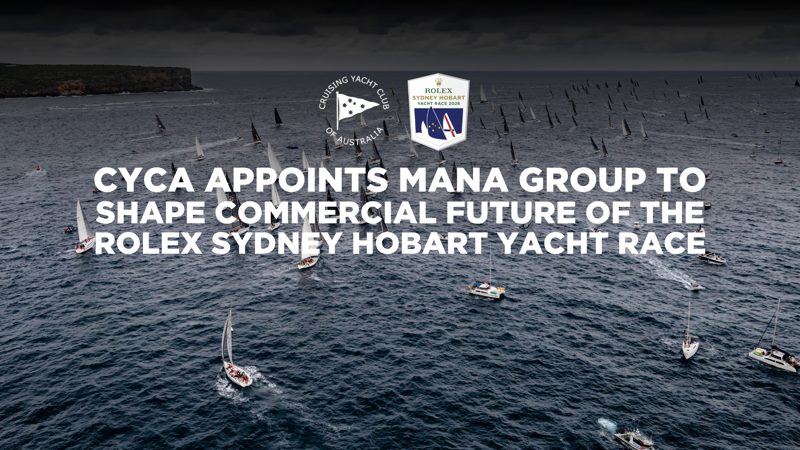
The Cruising Yacht Club of Australia has brought in Mana Group to overhaul the commercial infrastructure supporting the Rolex Sydney Hobart, signalling a significant shift in how one of the Southern Hemisphere’s most prestigious offshore races manages its business operations. The appointment comes as the 80-year-old event continues to command enormous audiences—1.3 million television viewers tuned into the Boxing Day start on Nine last December, with digital engagement reaching 8.5 million users over the race period.
What’s instructive here is the scope of the brief. Mana Group, which manages major Australian sporting properties including the TCS Sydney Marathon and Swimming Australia, isn’t simply being tasked with flogging sponsorship packages. The firm will reshape the entire commercial rights structure, design a new sponsorship architecture, hunt for broadcast and digital revenue streams, and build the technical systems to track and report on commercial performance. For a club organisation like the CYCA—which operates with 3,300 members and welcomes 17,000 visitors annually—this kind of structural overhaul requires external expertise.
CYCA CEO Justine Kirkjian framed the appointment as an investment in the Club’s long-term future. “Mana Group’s experience working with sporting organisations, major events and commercial partners made them a strong fit,” she said. The phrasing matters. This isn’t about squeezing short-term revenue from a beloved event; it’s about ensuring the race remains viable and competitive for decades.
Trent Taylor, Mana Group’s CEO, acknowledged the delicate balance required. “The Rolex Sydney Hobart is part of Australian sporting folklore. Events like this deserve thoughtful stewardship,” he said. “Our role is to help create the commercial foundations that support the race without compromising the heritage that makes it special.” That tension between commercial ambition and tradition runs through offshore racing. Sponsors want visibility and ROI. Sailors and the sailing community want authenticity and respect for the race’s character.





Twenty-four years of partnership with Rolex speaks volumes. Few sporting sponsors stick with a property that long. The watchmaker’s presence at Sydney Harbour on Boxing Day morning has become woven into the event’s fabric—so much so that younger sailors don’t remember the race without the Rolex name attached. Preserving that kind of brand equity while simultaneously developing new revenue channels is exactly the sort of problem Mana Group specialises in solving.
For New Zealand sailors, the implications are worth watching. Australian offshore racing has historically punched above its weight internationally. The Sydney Hobart attracts top teams from across the Tasman, from Europe, and increasingly from Asia. If Mana Group successfully strengthens the commercial platform, the race will almost certainly invest more in broadcast technology, digital coverage, and perhaps expanded prize purses. That typically means better media visibility for the entire fleet—including Kiwi competitors—and a more professionally run event overall.
The real test comes next summer when the race hits the water again. Commercial strategy matters far less than execution.