The Tour de France à la Voile’s first offshore passage, from Cherbourg to Saint-Malo, was always going to sort the fleet. For New Zealand’s Oakley Marsh and his DigiLab crew, it delivered an obstacle that had nothing to do with wind or tide.
Tactical Precision Decides Early Leader in Tour Voile 47 Opening Leg
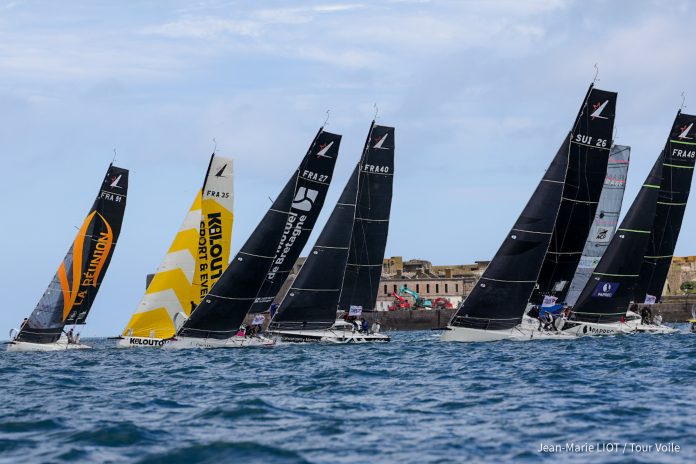
Nine Figaro Beneteau 3 crews departed Cherbourg on Sunday afternoon, routing via Needles Fairway off the Isle of Wight in conditions that built to around 30 knots. Two Channel crossings, powerful tidal streams, and a long haul down toward the Breton coast made for a demanding first test. Race director Yann Chateau described the conditions as exactly what the course was designed to produce: fast and unforgiving, where small positioning errors compound quickly into boat-lengths of disadvantage.
Oakley Marsh Lines Up for Tour de France à la Voile — the Only Kiwi on the Start Line

Marsh, sailing with co-skipper Joss Creswell under the DigiLab banner, was in that race until a fishing line changed everything. Somewhere out on the Channel, the crew came close to clearing a fish from the water, only to make the situation worse. In an early morning update, Marsh described what happened: they had tried to free the line from the fish’s mouth but ended up wrapping it around the keel instead. The boat was left trailing fouled rope, carrying a meaningful speed deficit at exactly the wrong time in the race.

The crew spent the remainder of the night working through options, unwilling to have someone go over the side in the confused Channel seas. The decision was made to wait.
By the following morning, with the fleet crossing into flatter water off the Breton coast, they made their move. One crew member dived on the keel and cleared the line. “We made an attempt and was successful,” Marsh reported, “so back up to full speed and chasing down the pack. Still some race to go. Vibes are good on board.”

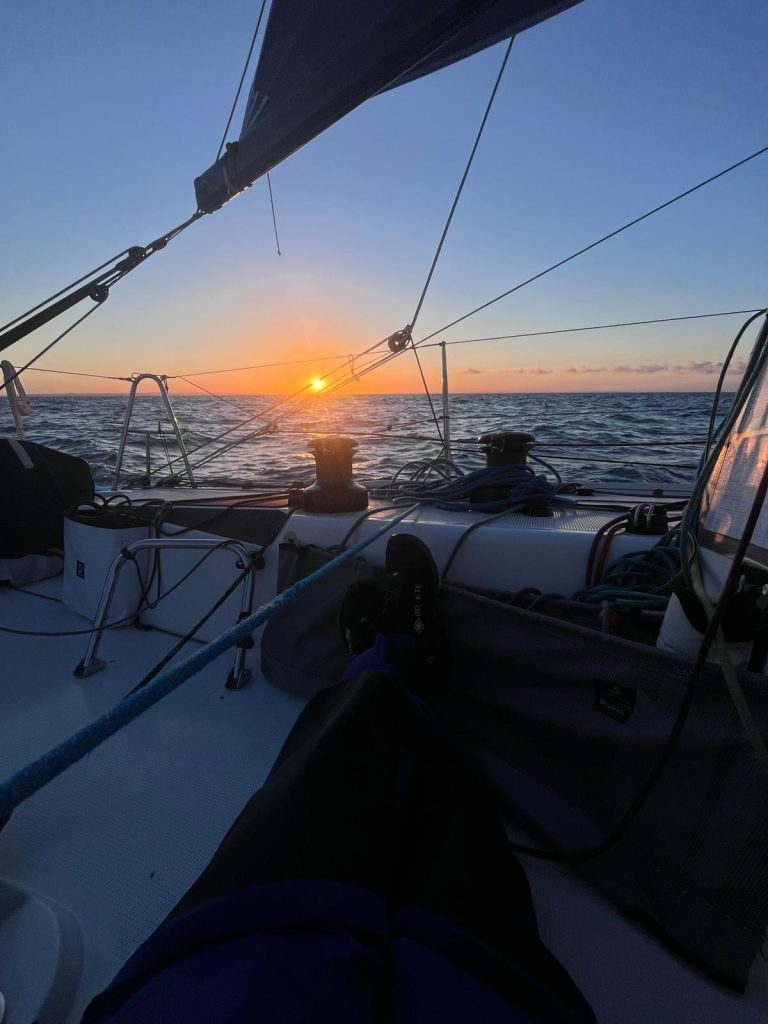
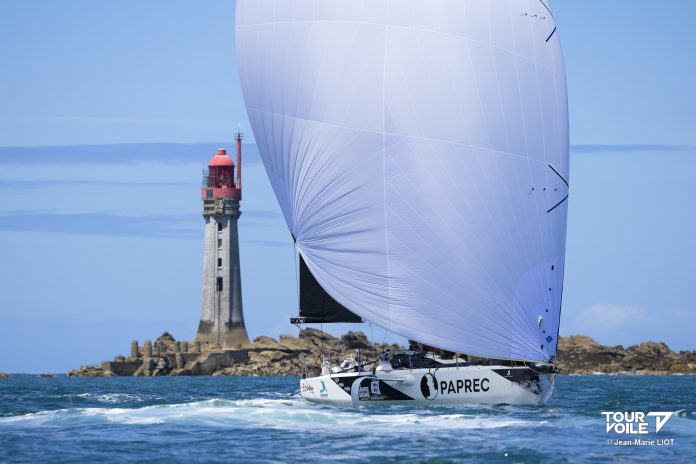
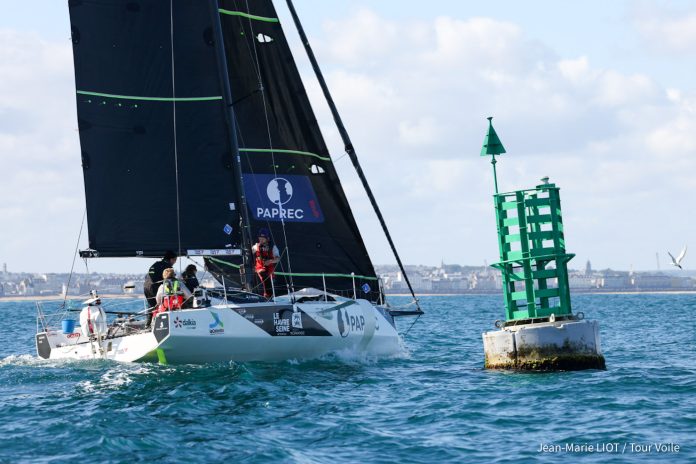
That attitude matters. The leg was still live when the dive was made, the fleet spread across roughly ten miles with the final approach to Saint-Malo still to negotiate. Race control had shortened the closing loop, redirecting the fleet toward South Minquiers rather than the original waypoint, but the racing remained competitive. PAPREC by Normandy Inshore Program led at the Saint-Servantine mark, ahead of Dunkerque-Kiloutou in second and Region Bretagne-CMB Espoir in third.
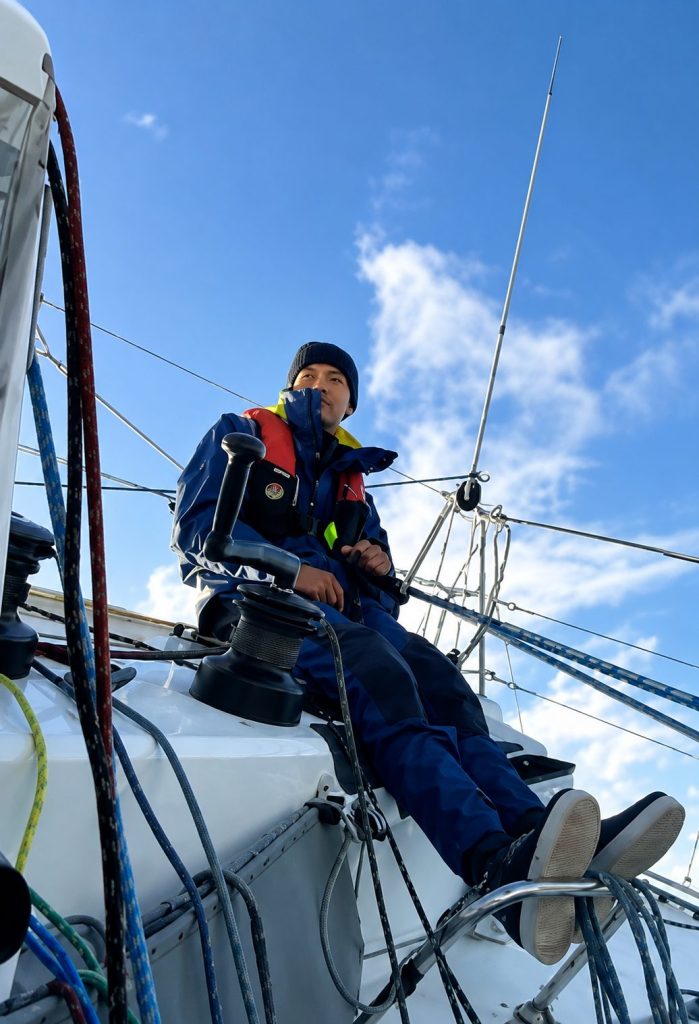
For Marsh, the opening leg produced the kind of setback that offshore racing routinely delivers: not a gear failure or a navigation error, but the random friction of the sea. The response to it, a calm assessment, a patient wait for better conditions, and a successful fix, is the measure of a crew that knows what it is doing. Thirty starts remain across the next two weeks. The race to Saint-Malo is just the beginning.