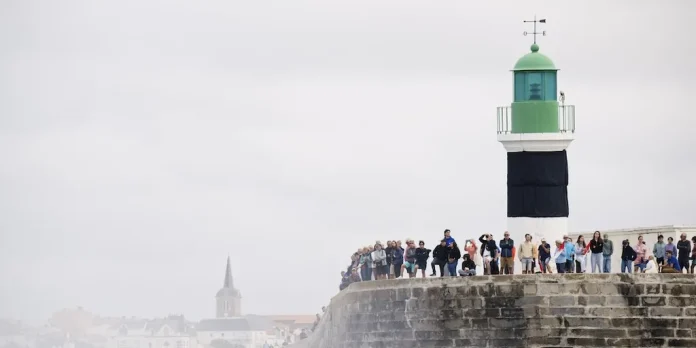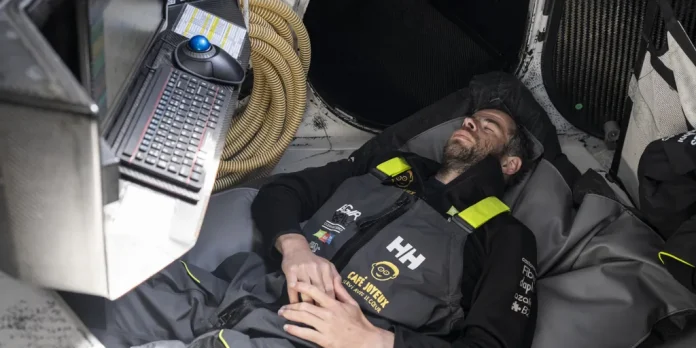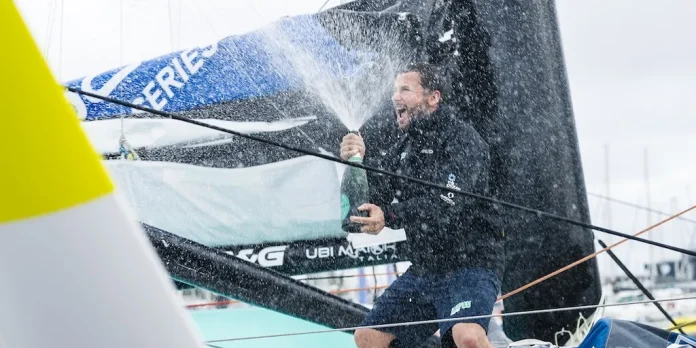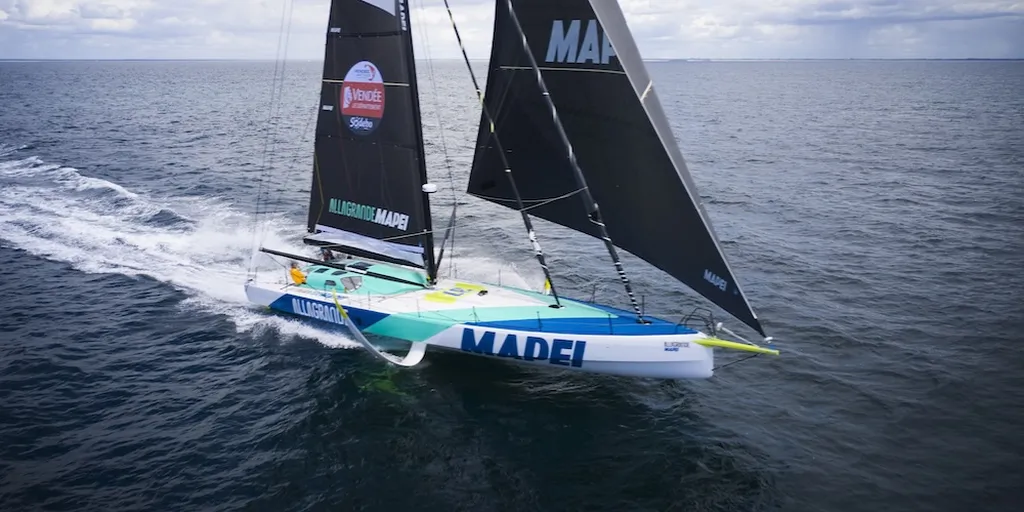
The finish line of the Vendée Arctique’s third edition was approaching fast, and the race organisers were pulling out all the stops to capture every second of it. With suspense at breaking point, the team had positioned cameras both at sea and ashore to stream the final moments live.
Leaders would cross the finish line within hours. Viewers were promised the last nautical miles of the front-runners, the precise moments boats crossed the line, immediate skipper reactions fresh off the water, and real-time analysis from the race’s expert consultants. It was the kind of raw, unfiltered finish that separates ocean racing from the packaged version.
The third edition of this Arctic-route race had drawn serious competitors willing to push themselves and their boats to the limit. For New Zealand sailors and fans who follow IMOCA racing and the Vendée Globe circuit, the Vendée Arctique offers a testing ground where reputation gets made or broken in genuine conditions. This wasn’t simulation or controlled environment; it was the North Atlantic in June.
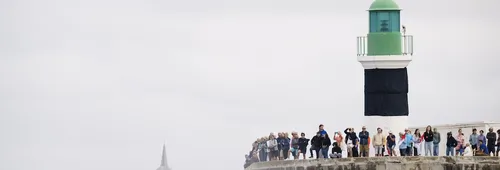
The live broadcast strategy reflected how ocean racing has evolved. Audiences no longer accept waiting for results. They want to watch it unfold, hear the emotion in a skipper’s voice the moment their boat crosses the line, and sense the exhaustion and relief that comes after weeks of racing. The consultants would unpack tactics, weather decisions and the toll the race had taken on crews and equipment.


For skippers still pushing hard in the final stages, knowing that cameras were waiting at the finish would add another layer to an already intense effort. There’s no hiding when you’re live on stream; your condition, your boat’s state, your reactions all become part of the public record.
New Zealand’s offshore racing community knows the Vendée Arctique as part of the broader IMOCA ecosystem that leads to the Vendée Globe. Every edition teaches lessons. Every finish tells a story about who belongs at the top level and who’s still climbing. As the leaders bore down on the finish, the race organisers’ commitment to live coverage meant that story was about to be told in real time, without filters or delay.