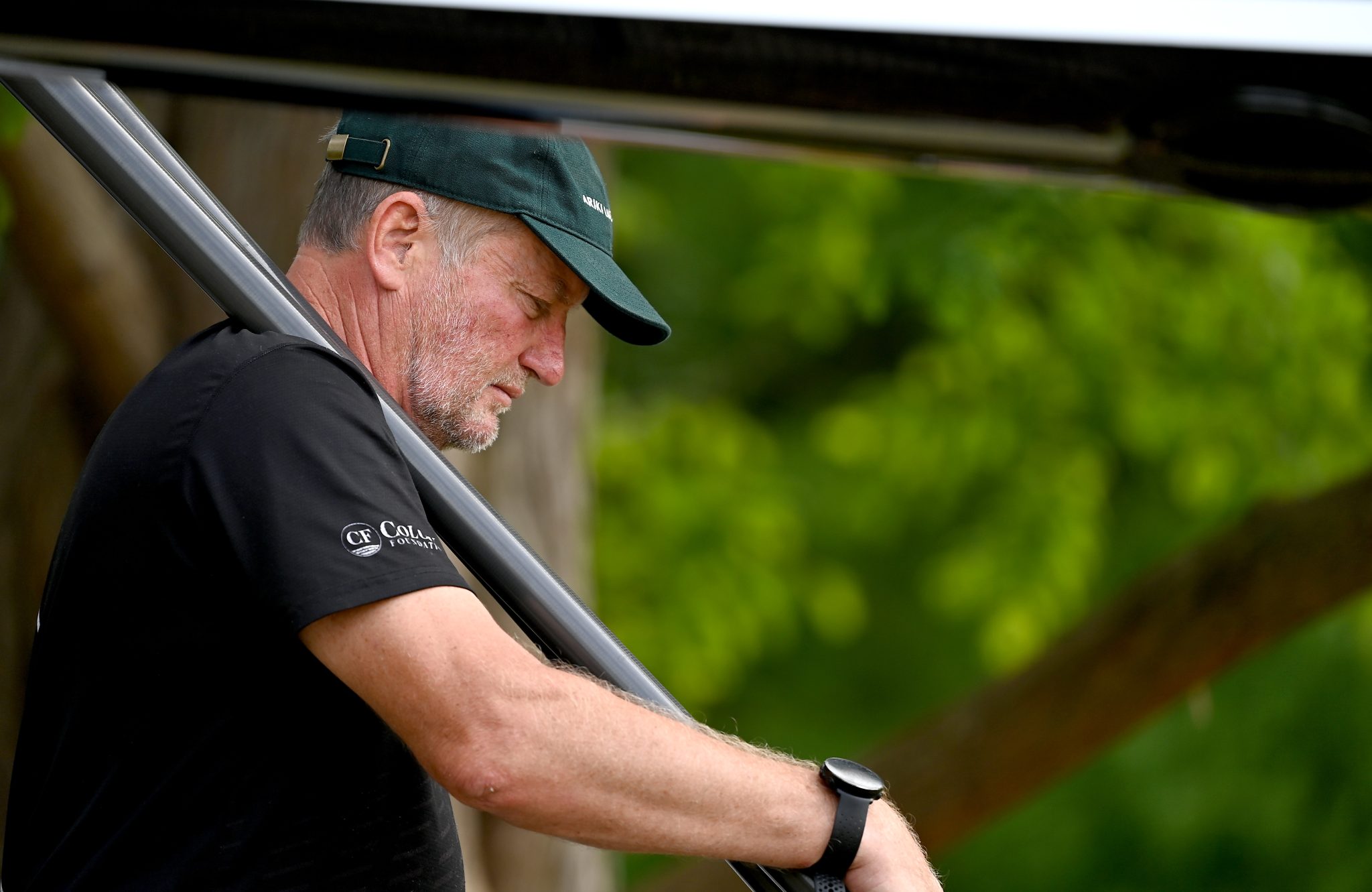
Mike Rodger never planned to become one of New Zealand rowing’s most successful coaches. A chance to help Rob Waddell prepare for the 2008 Beijing Olympics seemed like a casual favour in 2008, the kind of thing someone does for an old mate. Eighteen years later, he’s guided crews to four Olympic medals, seven World Championship medals, and more than 20 World Cup medals. What started as an occasional arrangement became a life’s work.
Before that comeback, Rodger had stepped back from coaching entirely. He’d mentored juniors at Waikato Rowing Club and worked with school crews, but in 2000 he quit to build a business and raise his young family. “I actually stopped coaching in 2000 as I had a young family and a business and did nothing again until 2008,” he says. “I came back on the basis of helping Rob Waddell out occasionally, which turned from a casual arrangement into a pretty serious return to coaching.”
His competitive rowing days had given him credibility. Rodger won silver in the lightweight men’s double sculls at the 1994 World Rowing Championships and competed at the 1996 Atlanta Olympics before hanging up his oars. That sculling background shaped his early coaching focus, though it took years before he found his stride coaching elite athletes.
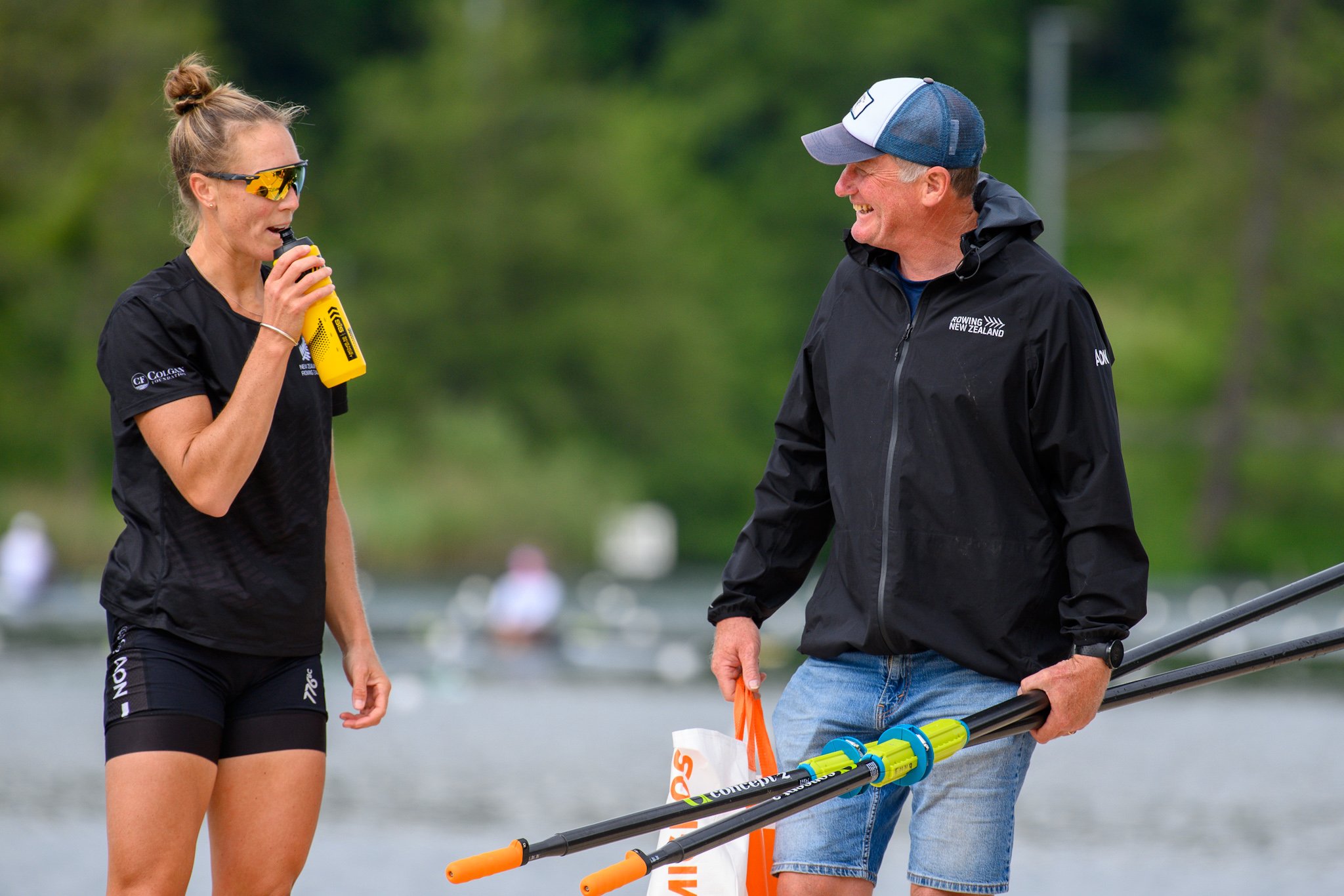
The appointment as a Rowing New Zealand Regional Performance Coach came during this period, progressing into the elite programme in 2010. By then, Rodger had built a coaching philosophy rooted in patience and a willingness to adapt. He credits Harry Mahon and Sam Le Compte, coaches from his own rowing days, as foundational influences. “Your basics of coaching come from the people who coached you,” he says.

Emma Twigg approached him in 2018 after stepping back from the sport following Rio. Their partnership produced Olympic gold in Tokyo and silver in Paris, cementing her legacy and his reputation. Yet Rodger seems equally proud of work that doesn’t end in medals. He’s coached across multiple boat classes simultaneously—singles, doubles, quads, fours—taking satisfaction in the different technical demands each requires.
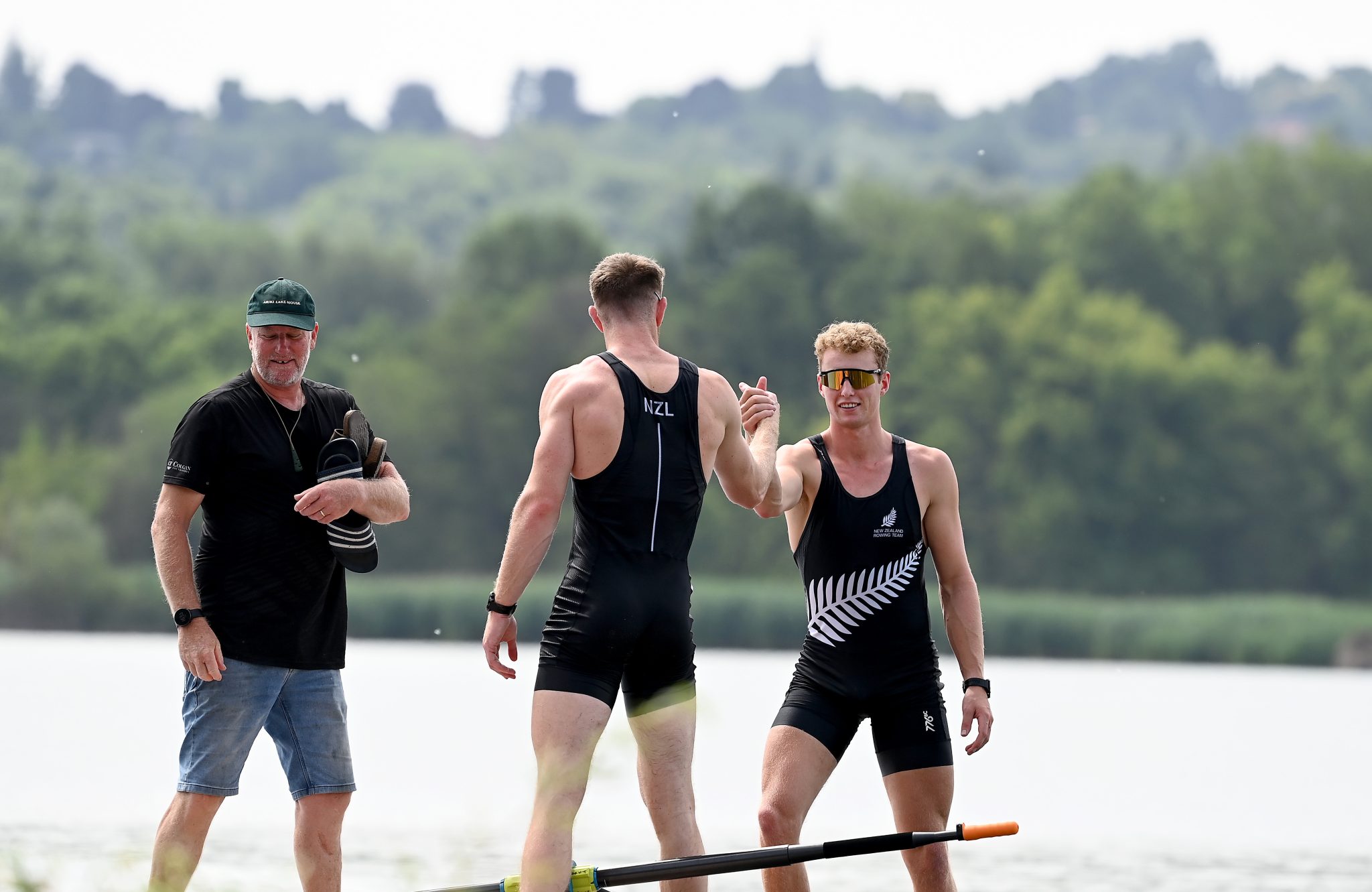
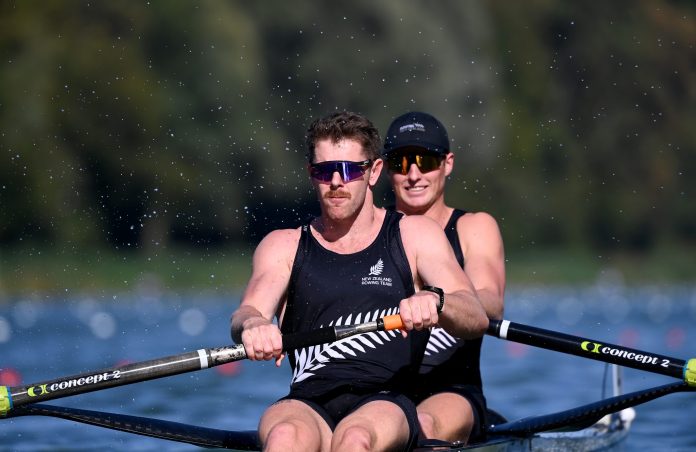
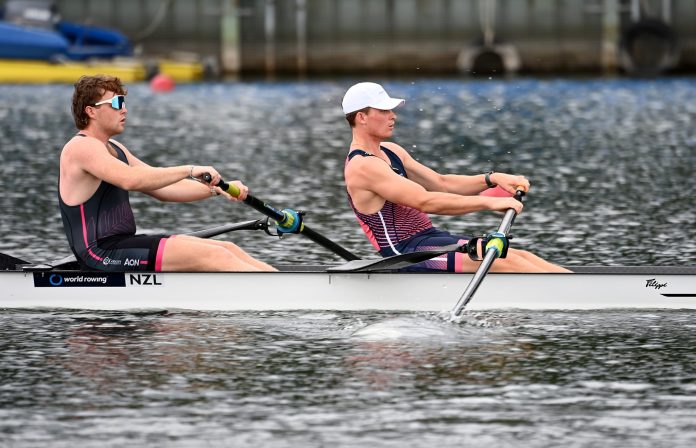
Ben Taylor and Oli Welch’s rise stands out as a particular source of satisfaction. Rodger worked with them from the beginning of their development, watching them win the men’s pair world title in Shanghai last year before starting 2026 with gold at World Cup I in Seville. “When you get young athletes coming through and developing to where they are and then becoming world champions, that’s probably what we all aspire to,” he says.
He resists the notion that success requires medals. Lifting a crew from the bottom of the rankings offers its own rewards. But medals matter too. Rodger speaks candidly about wanting them, about wanting to win. What he insists on, though, is perspective. “We all want to win medals, but at the end of the day it’s also about helping people become the best athletes, rowers and human beings they can be,” he says. “Good people become great people in society, and that’s something I try to contribute to every day.”
The new Olympic cycle excites him. Young athletes are flowing through the programme, and he wants to give them everything he has learned over two decades of coaching and one competing at the highest level. Patience remains the key ingredient. “To be fair, it just takes patience and time. We all start coaching thinking we can change the world, but actually it takes time to learn your trade.”