There’s something incredibly charming about the New Zealand boat market from the early 80s. It was a unique era just before mass-produced fibreglass completely took over. Back then, local designers like the Lidgards were drawing boats specifically for our unpredictable coastal waters. When I came hunting for a listing for this week’s Boat for Sale piece, I found a 1981 Lidgard 30 listed by Vining Marine for $15,000. It is a fantastic case study in how clever design can make a small footprint feel like a genuine home on the water without breaking the bank.
The Lidgard stance
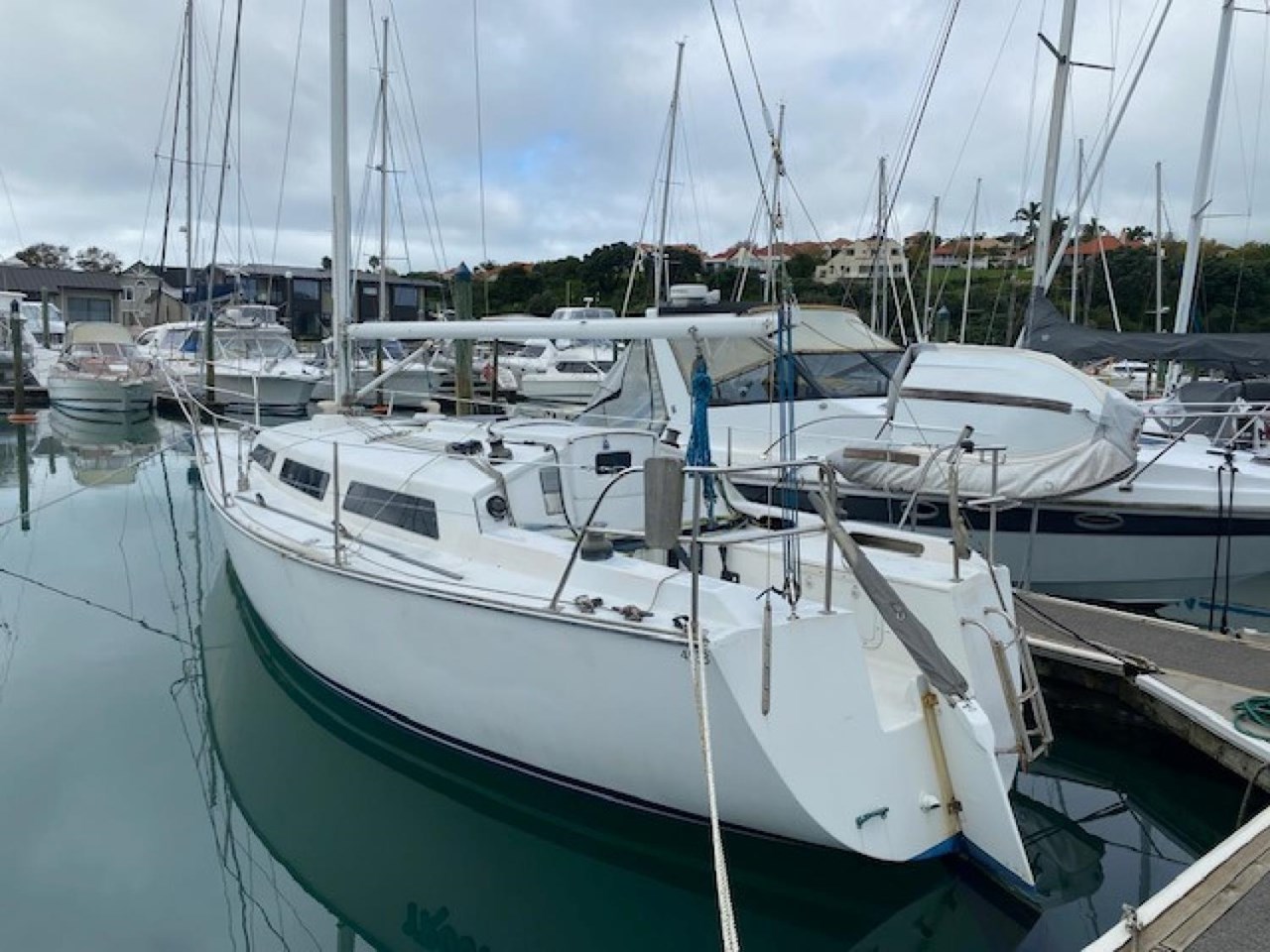
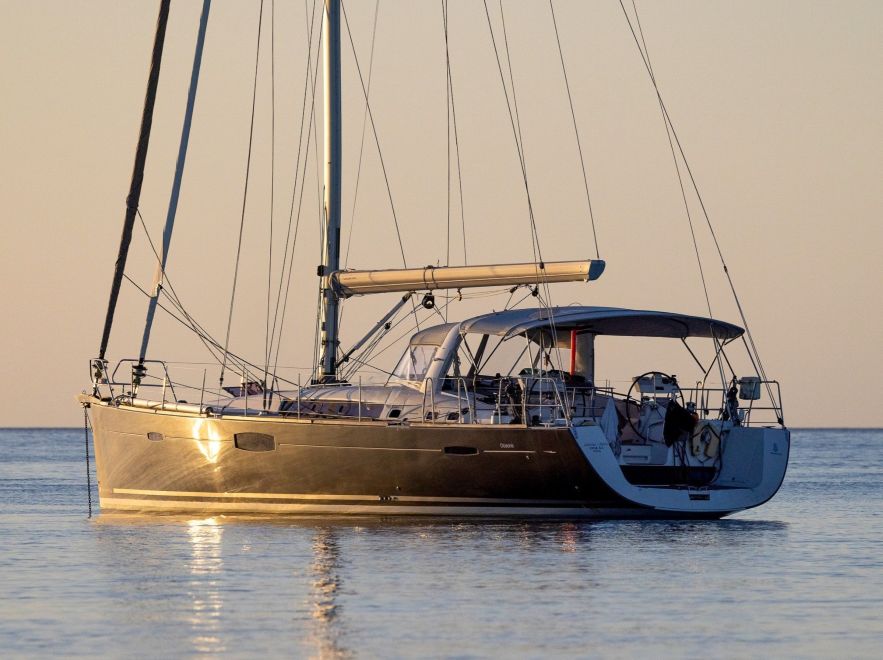
Looking at the photos, the 1981 Lidgard 30 carries a clean, all-white profile. The first thing that jumps out is the height of the stern. That is a classic Lidgard trait that hints at an easily-driven hull designed to move well even when the breeze drops. Getting aboard looks straightforward too, thanks to a solid boarding ladder right at the transom. Anyone who has ever tried to scramble out of an unstable dinghy onto a slick hull knows that a proper stern ladder is worth its weight in gold.
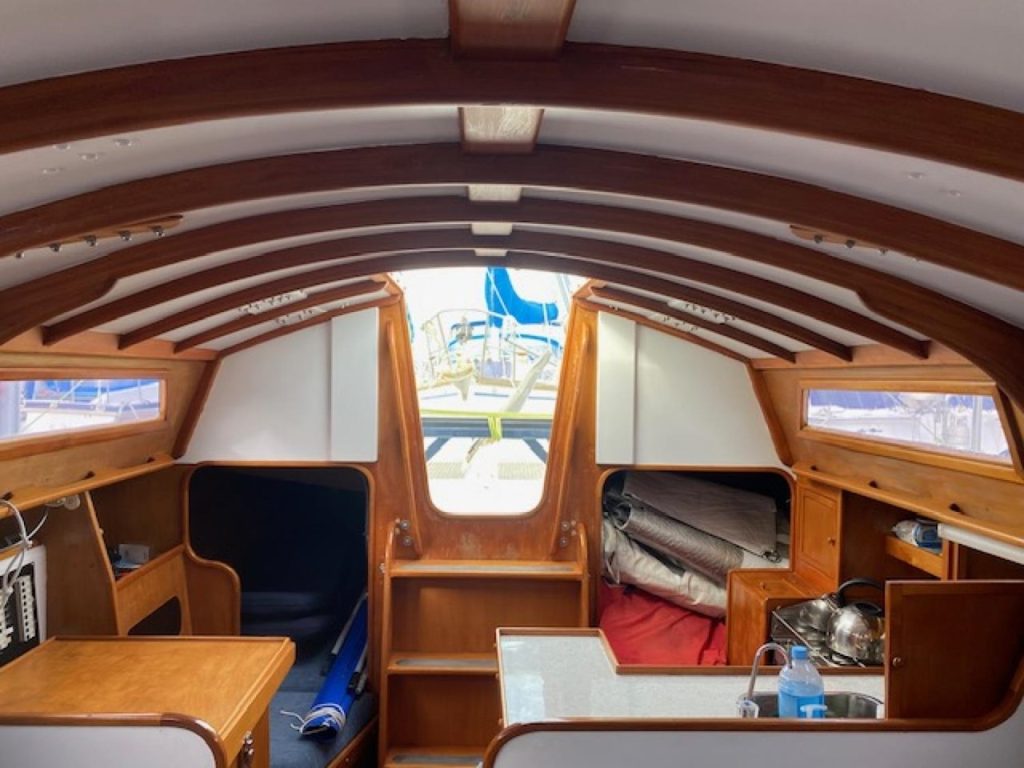
Once you step down the companionway, you will find beautifully bowed traditional timber beams that instantly give the cabin a warm, authentic maritime feel. It is cozy, full of character, and immediately welcoming.
Timber vs. fibreglass: The age-old debate
Because she is a 1981 custom build, her hull is traditional timber. If you’re nervous about a wooden hull, don’t be. A well-built timber boat (Lidgard boats are well-built) offers a completely different experience on the water. Wood provides natural thermal and acoustic insulation; it does not sweat with condensation in the winter, and it dampens the slap of the waves, making the cabin much quieter than a fiberglass hull. While a timber boat does demand regular maintenance—especially keeping up with the antifoul and ensuring the bilge stays dry, a properly cared-for timber hull can easily outlive a fiberglass counterpart that suffers from osmosis.

Local-proven performance
When it comes to sailing characteristics, Lidgard designs are legendary in local waters. They were built for the short, sharp chop that kicks up when a strong breeze fights the tide, whether that around the inner gulf islands, up in the Bay of Islands, or in the South Island. With her high stern and balanced underwater profile, this 30-footer is designed to lift over the waves rather than smash through them. She is nimble enough to tuck into tight anchorages around Waiheke or Great Barrier Island, yet possesses the stiffness needed to handle a sudden afternoon squall while crossing the Firth of Thames.
Smart use of 30 feet
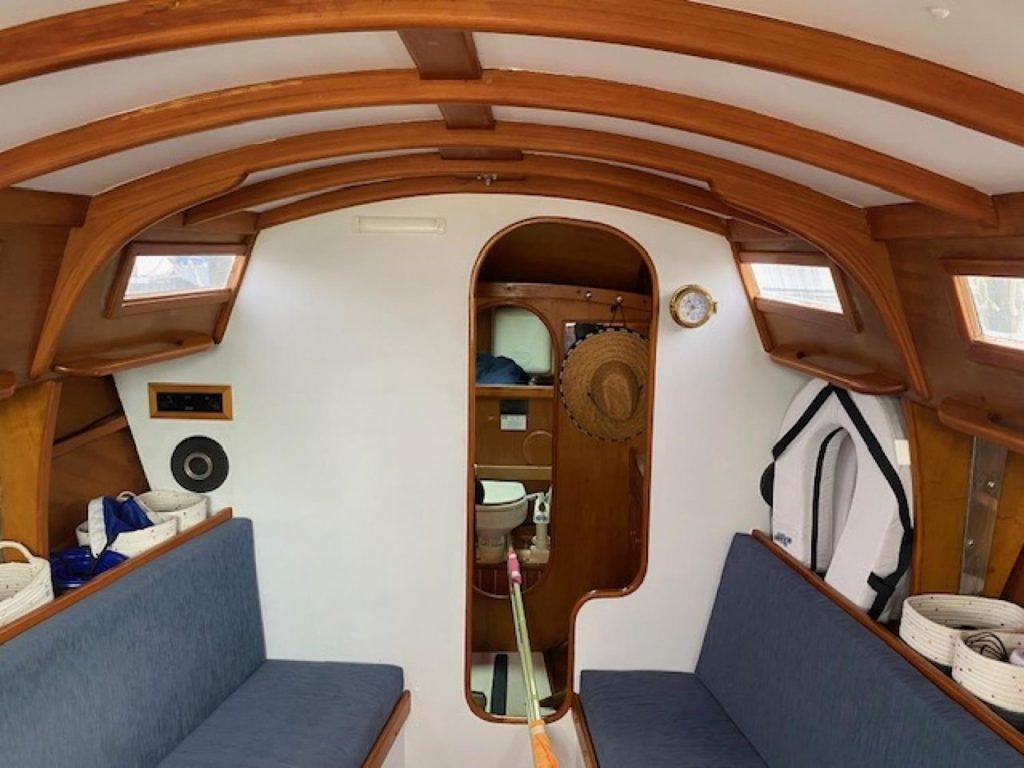
The interior layout is naturally compact given her size.
- Two three-quarter berths tucked away on either side of the companionway.
- Two benches in the saloon.
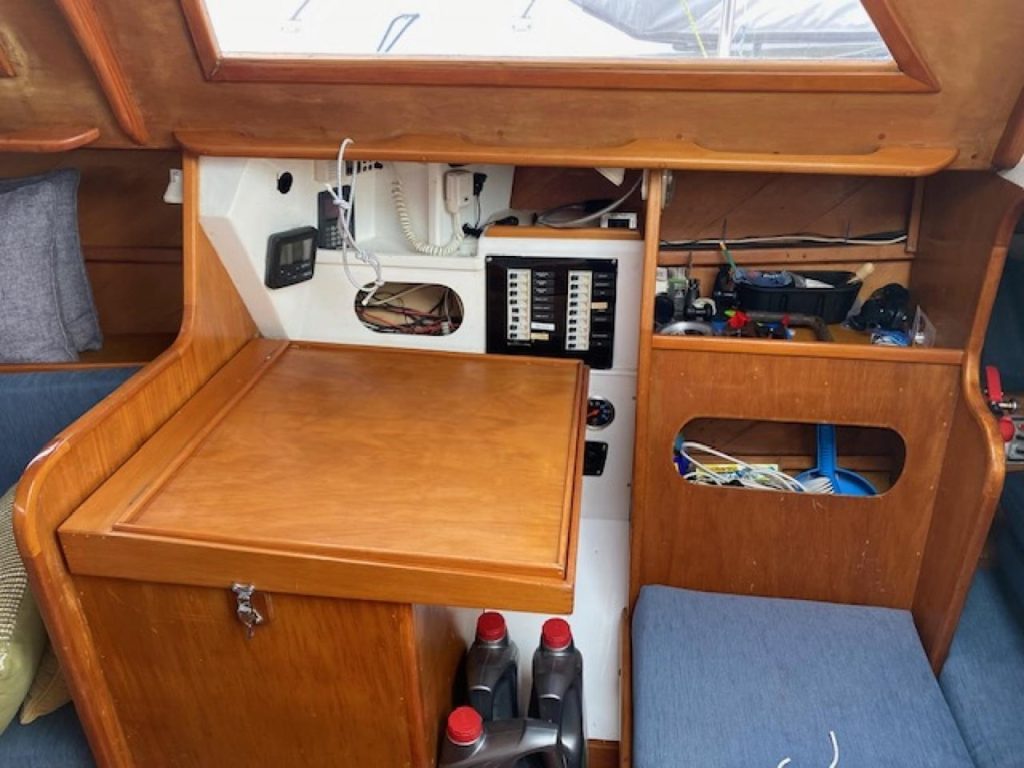
Right below the companionway hatch sits the traditional cruiser setup: a compact U-shaped galley on one side and a dedicated chart table directly opposite.
A galley built for rough water
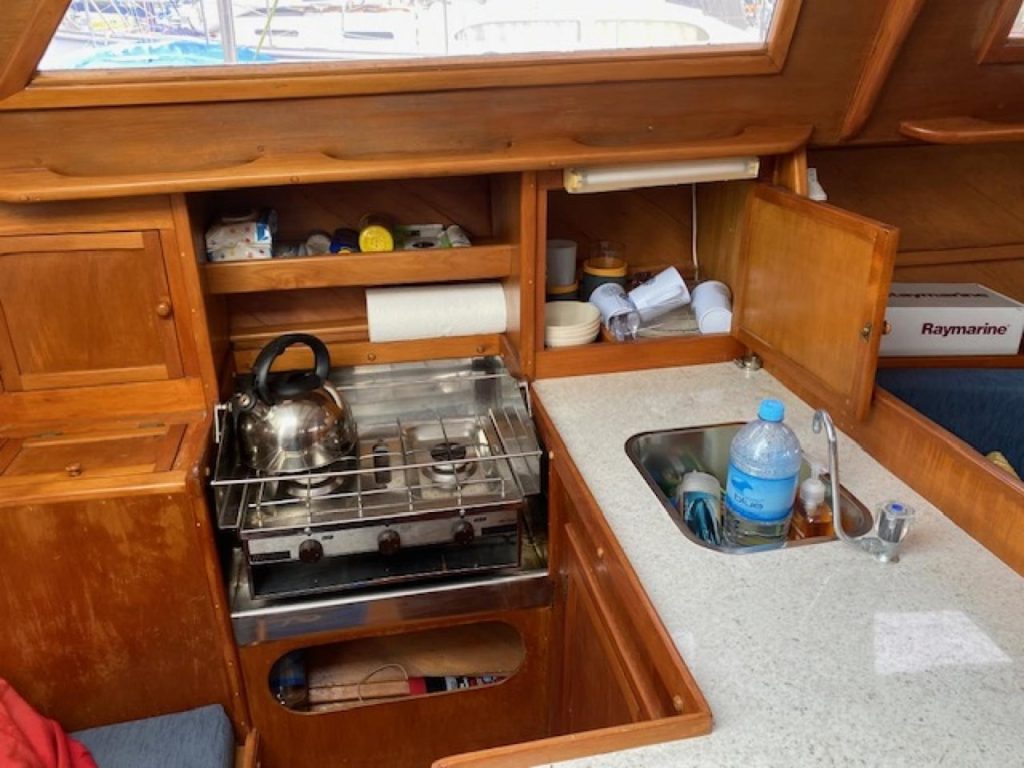
The kitchen area is small, but you can tell it was designed by someone who actually cooks at sea. It features a gimballed gas stove and oven, which is pretty much a non-negotiable if you ever plan on making hot meals during an offshore passage or a bouncy coastal hop.

What makes the U-shaped layout work so well here is that everything is within arm’s reach. When the boat is heeling or crashing through messy chop, you can brace yourself securely between the counters. This makes managing hot food a whole lot safer and less stressful. Interestingly, the head is also surprisingly roomy; having a bit of extra breathing room in there is a massive plus.
Stress-free handling and the tiller advantage
Up on deck, the layout is all about simplicity. It uses traditional tiller steering, giving you instant, tactile feedback from the rudder; you can truly “feel” how the boat is balancing against the wind. When you are at anchor, you can simply fold the tiller arm out of the way, instantly clearing out the entire cockpit for socialising.
The rope management is well thought out too, with the lines running back toward the transom area. It is a setup clearly optimised for short-handed sailing. If you are heading out solo or taking out friends who do not know a halyard from a sheet, being able to run the boat without constantly scrambling up on deck makes life incredibly relaxed.
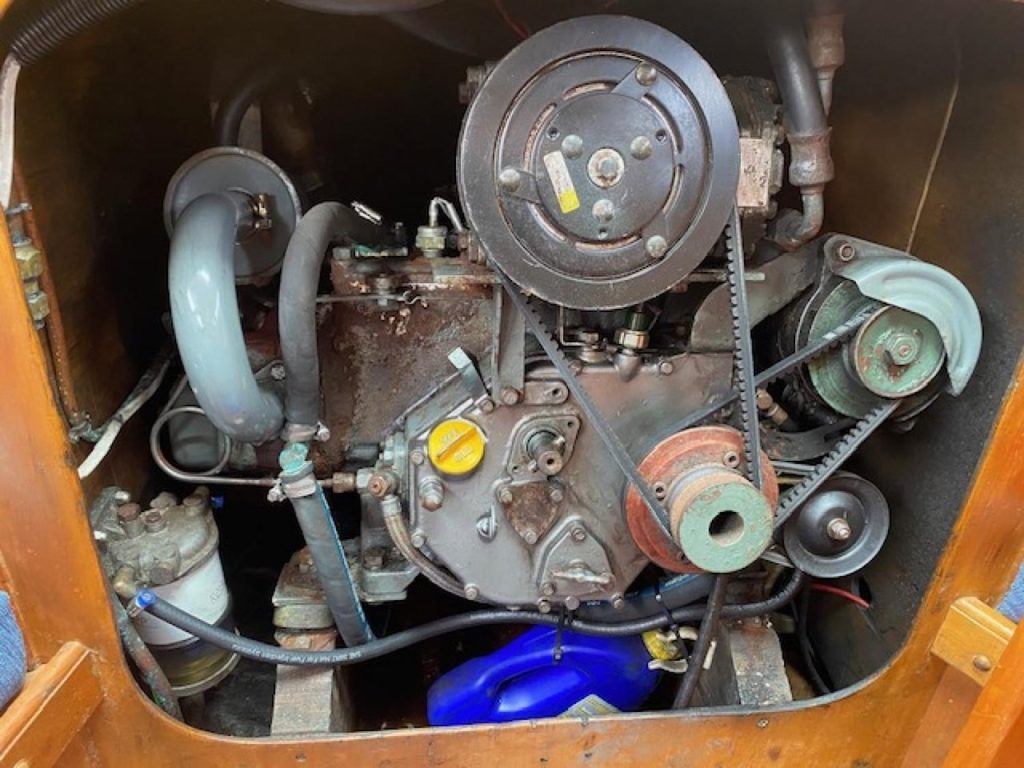
With a tidy interior, a reliable little Yanmar diesel engine showing 1,340 hours, and a fresh coat of antifoul, this Lidgard 30 is a great reminder that you do not need a massive budget to get out on the water. It is just a well-sorted, honest little boat with a lot of soul.