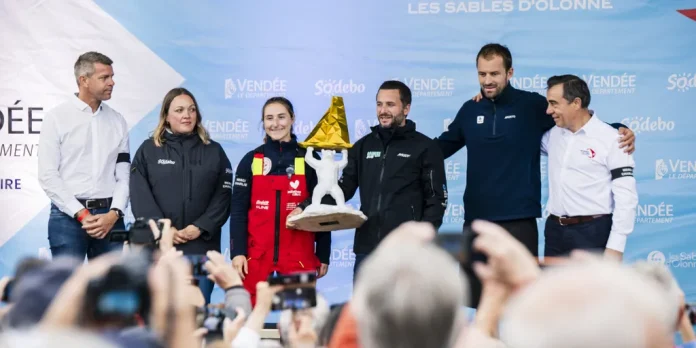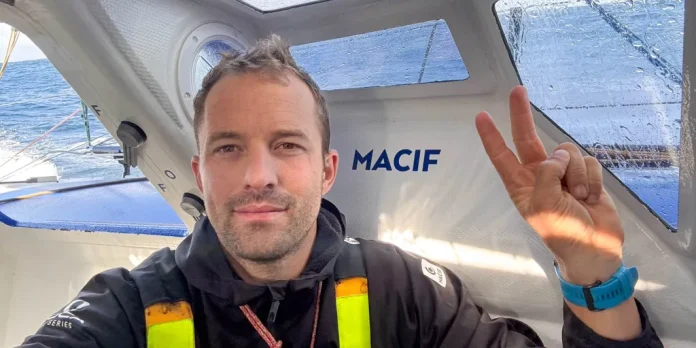
Seven IMOCA skippers gathered for the Vendée Arctique prize ceremony this evening, emerging from one of the most demanding ocean races in recent memory. The competitors had pushed their monohulls to the Arctic Circle and back, each crossing the finish line after weeks of grinding offshore racing. The presentation marked a rare moment of calm reflection after the intensity of the race.
The finishers faced a course that tested every system, every decision, every ounce of resilience a sailor could muster. Arctic conditions demanded constant vigilance. Boats that had been pushed to their limits now sat quietly in harbour as crews recovered. For these seven skippers, the finish line represented something beyond position or elapsed time. It meant survival, adaptation, and the kind of seamanship that defines IMOCA racing at its most unforgiving.
The evening celebration belonged to all who crossed. Each skipper received formal recognition from race officials and the gathered crowd, a ritual that honours the shared ordeal of ocean racing. Applause filled the room as names were called, as each competitor stepped forward to acknowledge the supporters, sponsors, and fellow competitors who made the race possible.
The Vendée Arctique has become a proving ground in the IMOCA circuit, a race that sits in the shadow of the Vendée Globe but demands its own respect. Competitors who finish here understand they have endured conditions and distances that separate amateur ambition from professional ocean racing. New Zealand’s sailing community, deeply invested in IMOCA racing and the Vendée Globe story, recognises the significance of what these seven mariners have accomplished.

What happened at sea stays with sailors long after they step ashore. The Arctic tests not just boats and bodies but judgment itself. Seven finished. For those gathered tonight, that fact alone was worth celebrating.