Welcome to “A Very Brief History Of…” researching the history of everyday marine technology, innovation and events Kiwi boaties love (or loathe).
The lead line
While early, simple sounding methods, like poles, existed in Egypt as far back as 1800BC, the lead and line system was heavily employed in the Mediterranean by the Phoenicians, and later the Carthaginians, with evidence of its use dating back thousands of years. Greek historian and geographer Herodotus is credited with making the earliest written record of this technique in 440BC.
As technology “improved” over two millennia, sailors tied “marks”, strips of leather, calico, or cord, at specific intervals (fathoms) so they could read the depth by touch or sight, even in a storm.
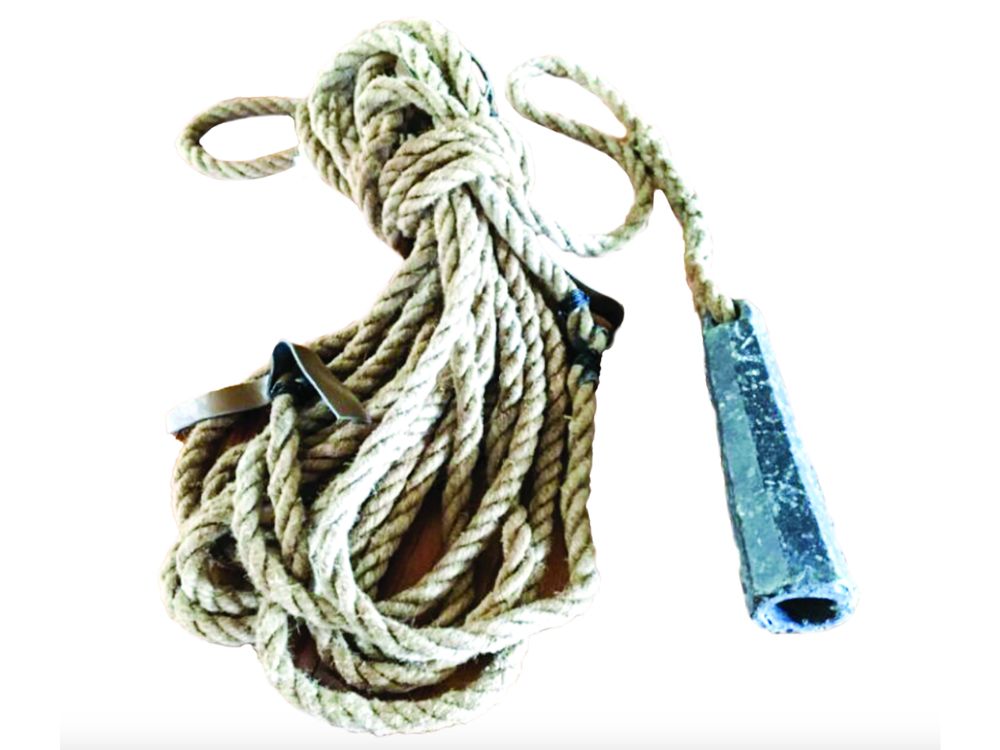
The “arming” trick was the secret weapon of the old school navigator. Sailors would press tallow, or animal fat, into a hollow at the bottom of the lead. When it hit the seafloor, it brought back a sample, sand, crushed shell, or mud. By “tasting” the bottom, a knowledgeable captain could on many occasions tell exactly where they were on a chart, even in a thick fog.

However easy and effective as it was, the process only worked at a crawl. If you were moving too fast, the drag of the water would pull the line into an arc, giving a dangerously false reading.
Piano wire and pressure
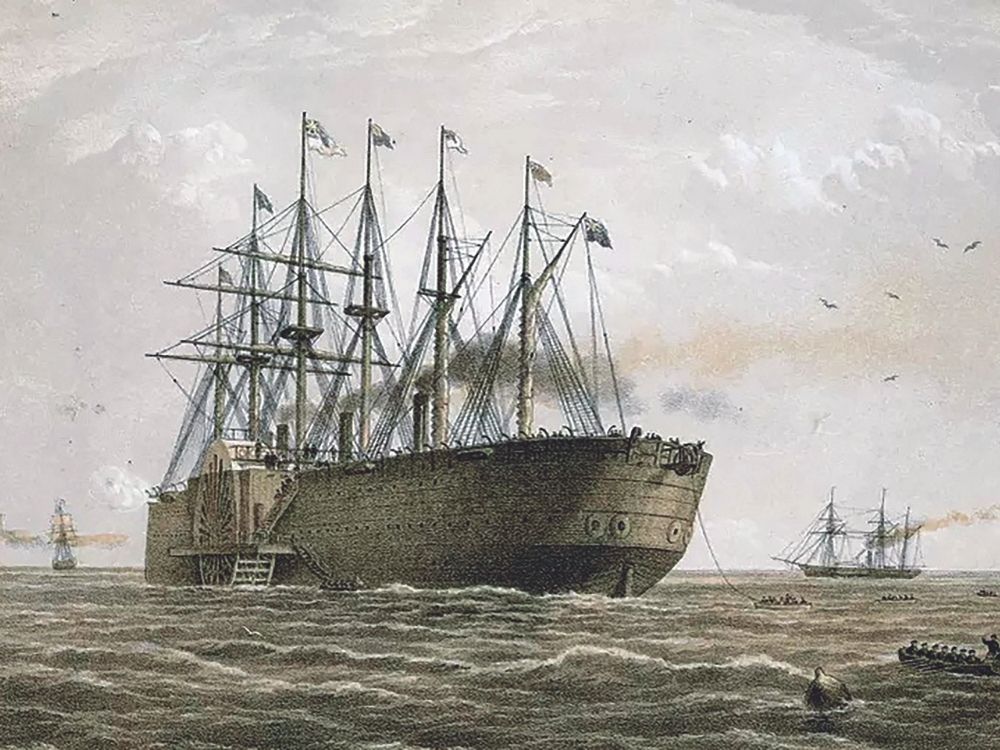
By the mid-1800s, as the world began laying telegraph cables across the floor of the Atlantic, friction drag was too high, and the depths too great for the traditional lead and line method.
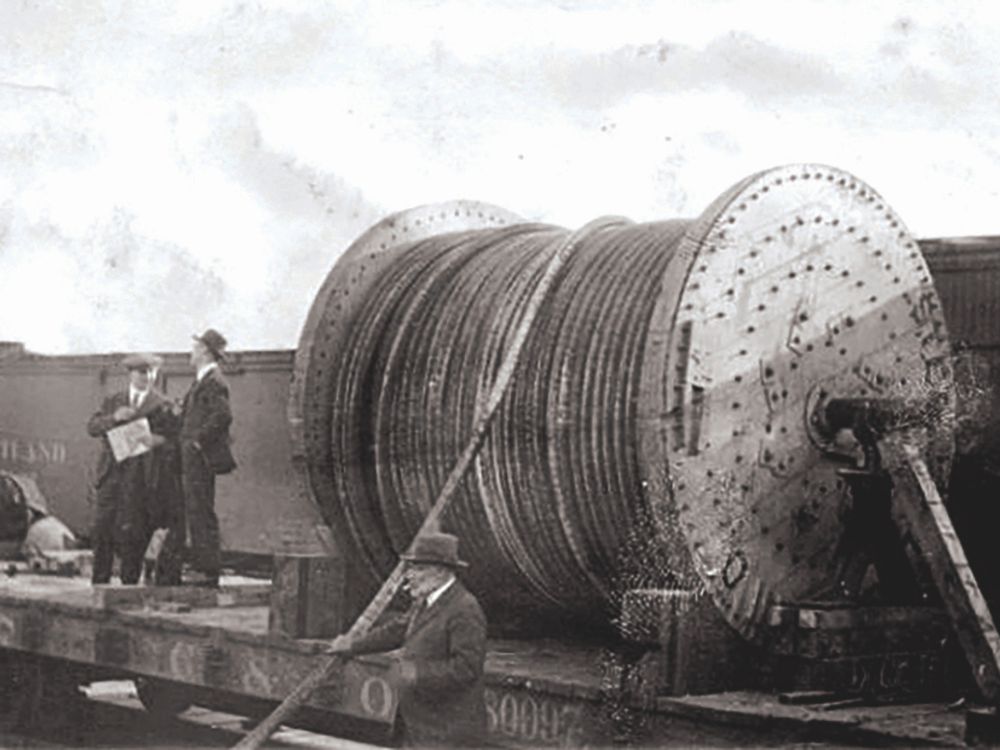
British mathematician Lord Kelvin made a breakthrough by replacing the line with high-tensile piano wire in 1872. Because the wire was so thin, it sliced through the water with almost no resistance, allowing the weight to sink straight and true to incredible depths.
He also pioneered ingenious chemical sounding tubes. These glass tubes were coated with silver chromate, and as the tube sank, increasing water pressure forced seawater inside, chemically changing the colour of the red or white coating. A navigator could then pull the tube up and read the depth on a scale based on how far the colour had shifted.
The birth of sonar
Modern depth sounding came from a dark tragedy, the sinking of the Titanic in 1912. The disaster sparked a frantic race to find a way to detect objects underwater. The concept of SONAR (Sound Navigation and Ranging) was born, as sound travels through seawater at a constant speed of 1,500 metres per second, nearly 4.5 times faster than its speed in air.
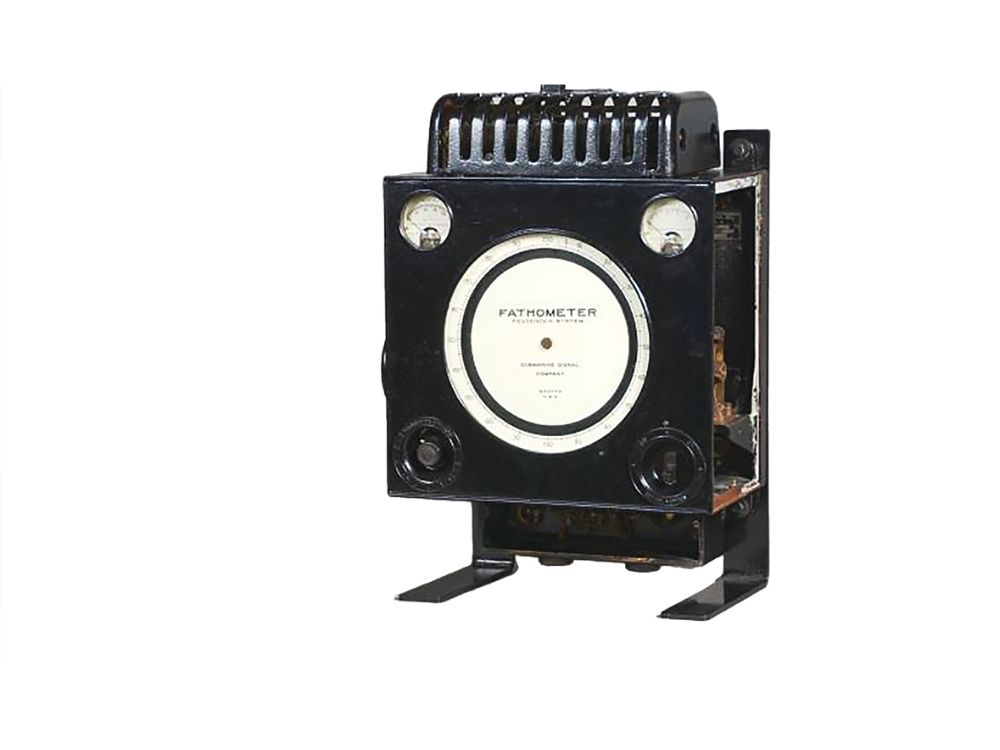
In 1914, Reginald Fessenden developed an underwater oscillator that could “hear” an iceberg two miles away. This device laid the foundation for modern SONAR and echo-sounding technology.
In the 1920s, the Submarine Signal Company released the first “Fathometer”. It automated the process of timing a sound pulse and displaying the depth on a spinning neon dial. For the first time a skipper could accurately see the depth in real time. During World War I, military and naval researchers further perfected SONAR technology, particularly for submarine detection.
From paper to pixels
With incredible advancements during the two world wars, military SONAR technology trickled down to the recreational market, introducing paper chart recorders of the 1960s and 70s. More modern technology familiar to us today then started to enter the stage.
Piezoelectric transducers replaced bulky oscillators, using specialised crystals that vibrate when hit with electricity to create the “ping” we know today.
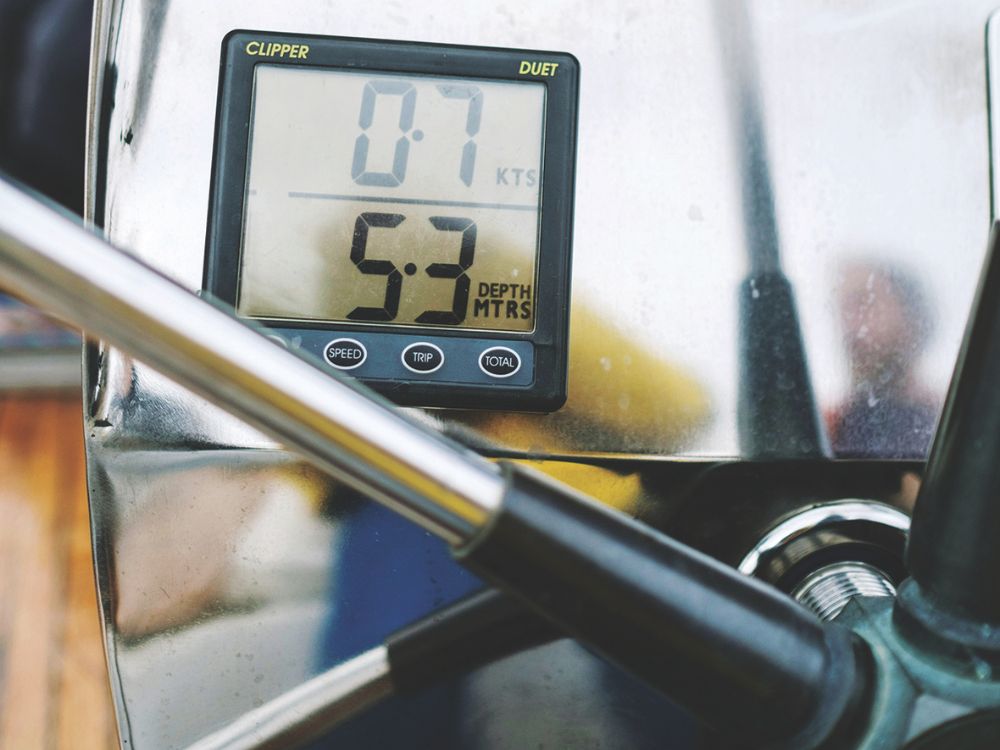
In the 1980s and 90s, LCD displays arrived. Suddenly, boaties weren’t just seeing a line, they were seeing the density of the bottom and the air bladders of fish represented as arches.
CHIRP, or Compressed High-Intensity Radiated Pulse, is the current gold standard. Instead of one single “thud” on one frequency, CHIRP sweeps through a range of frequencies, giving the high-definition x-ray view of the sea floor seen on modern units today.
From feeling the bottom with a piece of fat on a string, to seeing it in 3D high-definition, depth sounding has come a long way. Next time you’re trying to find your way, or some fish, spare a thought for the sailors who had to haul in 50 metres of wet rope just to see if they were about to run aground.

Next month: More boating tech