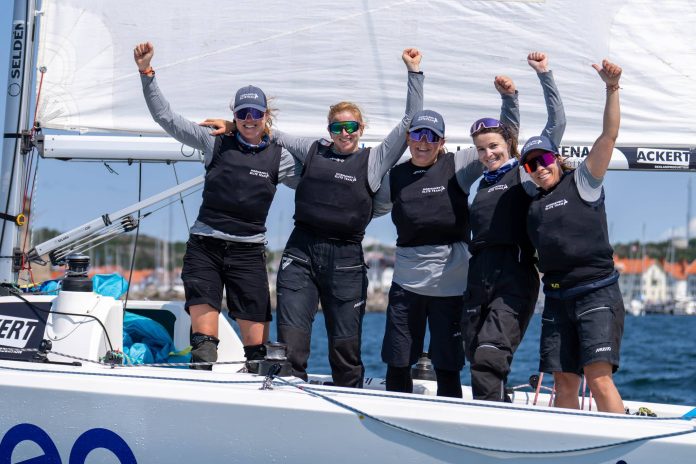
Sweden’s home advantage proved decisive at Marstrand as Oscar Engström and Martina Carlsson claimed the top spots halfway through the 2026 GKSS Match Cup Sweden and Nordea Women’s Trophy, earning automatic berths into the semifinals while their rivals must navigate the knockout rounds.
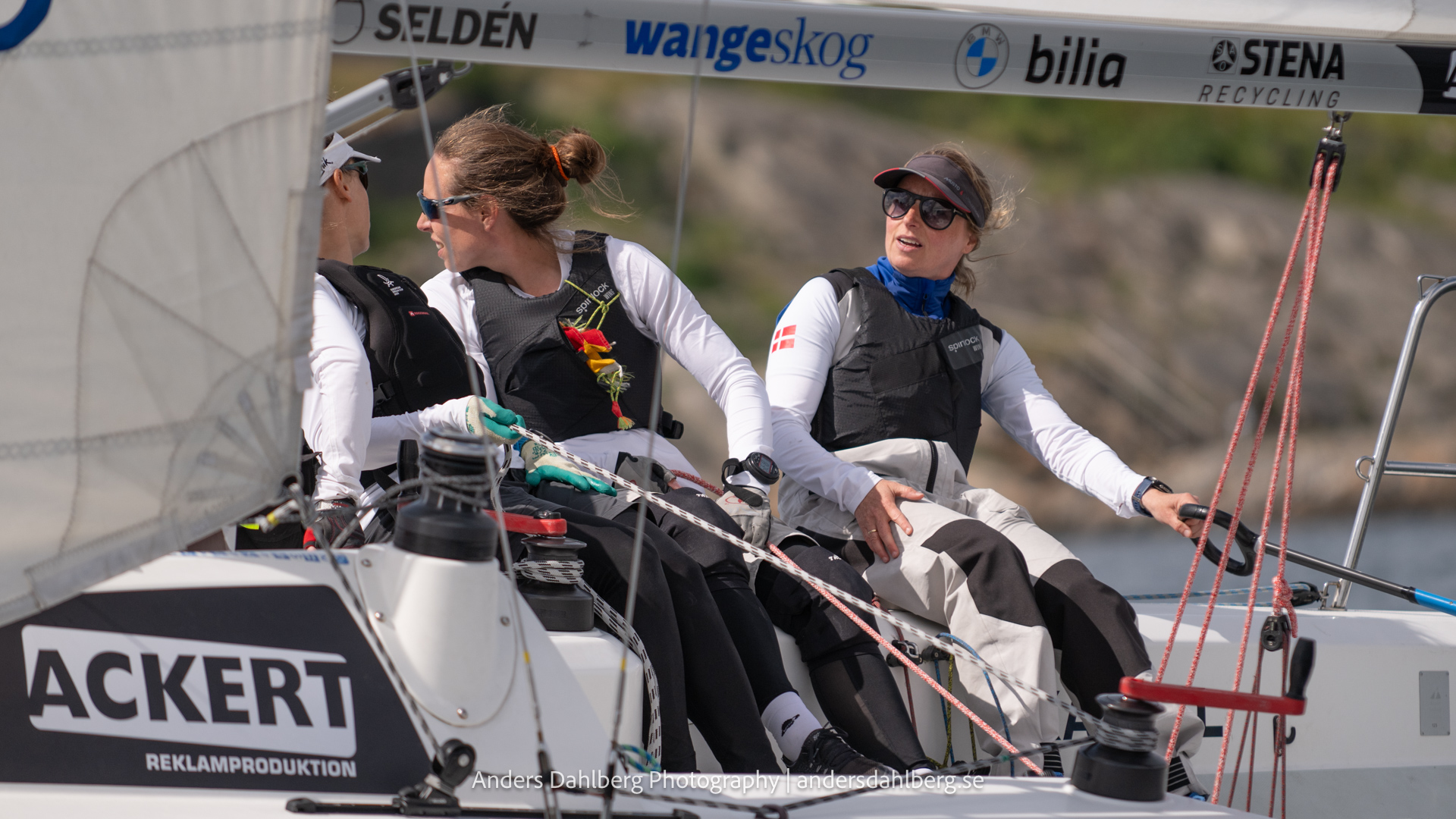
Engström and his Liros Racing crew finished the round-robin undefeated through a dominant display that has given them a rest day before the semis. Four-time Match Cup Sweden champion Björn Hansen matched Engström’s 6-3 record, while local favourite Johnie Berntsson stayed within striking distance at 5-4. The strength of Swedish sailing in the open division remains evident, with all three competitors positioned well as the competition tightens.
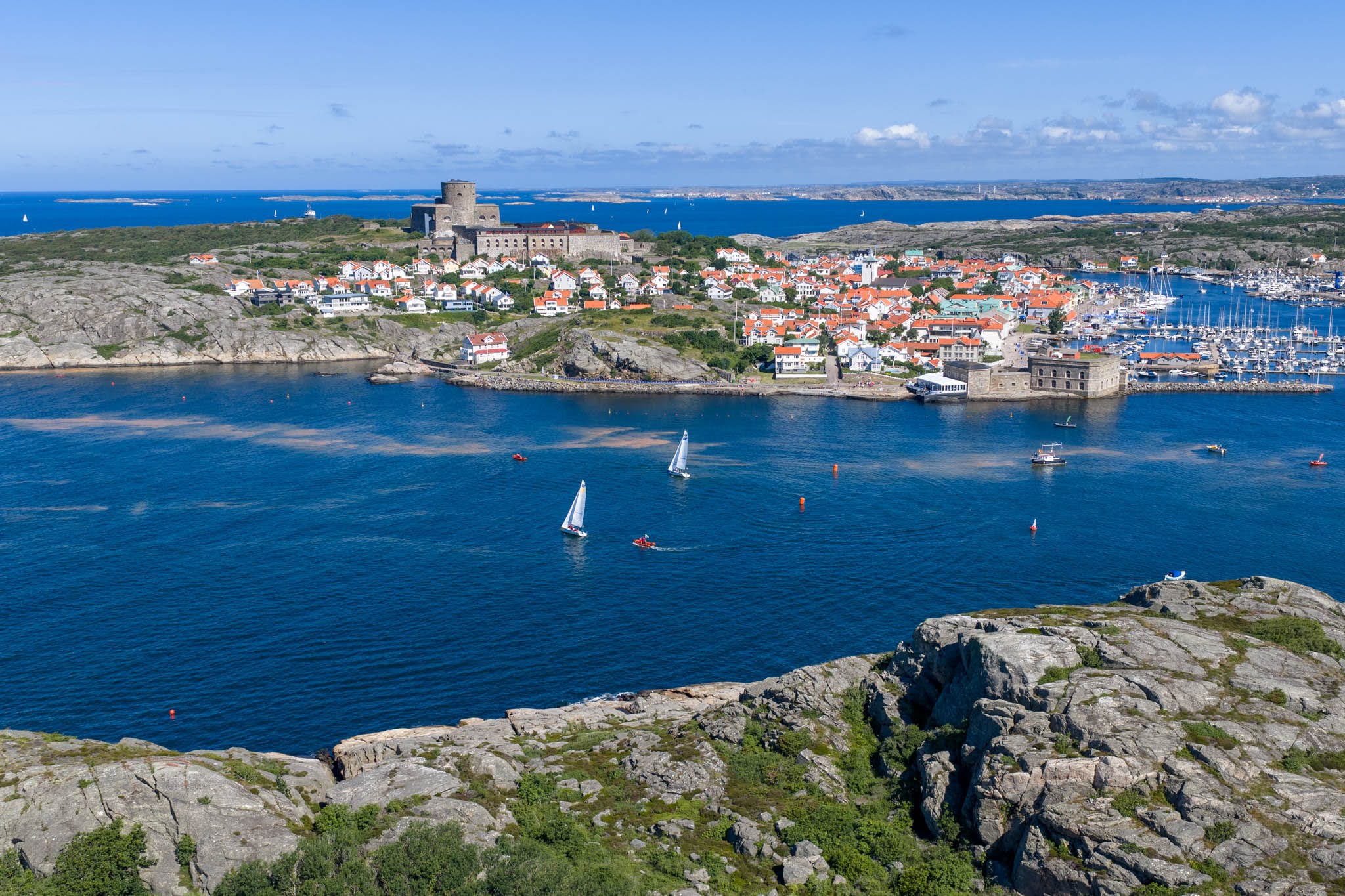
For those trailing, the road to the semifinals now runs through the quarterfinals. Chris Poole from the United States and Denmark’s Jeppe Borch, winners in 2024 and 2025 respectively, both had challenging starts but have kept their championship hopes alive. French debutant Ange Delerce impressed with a 5-4 record, while Ian Garreta, Aurélien Pierroz, and Swiss veteran Eric Monnin fell short of qualifying.
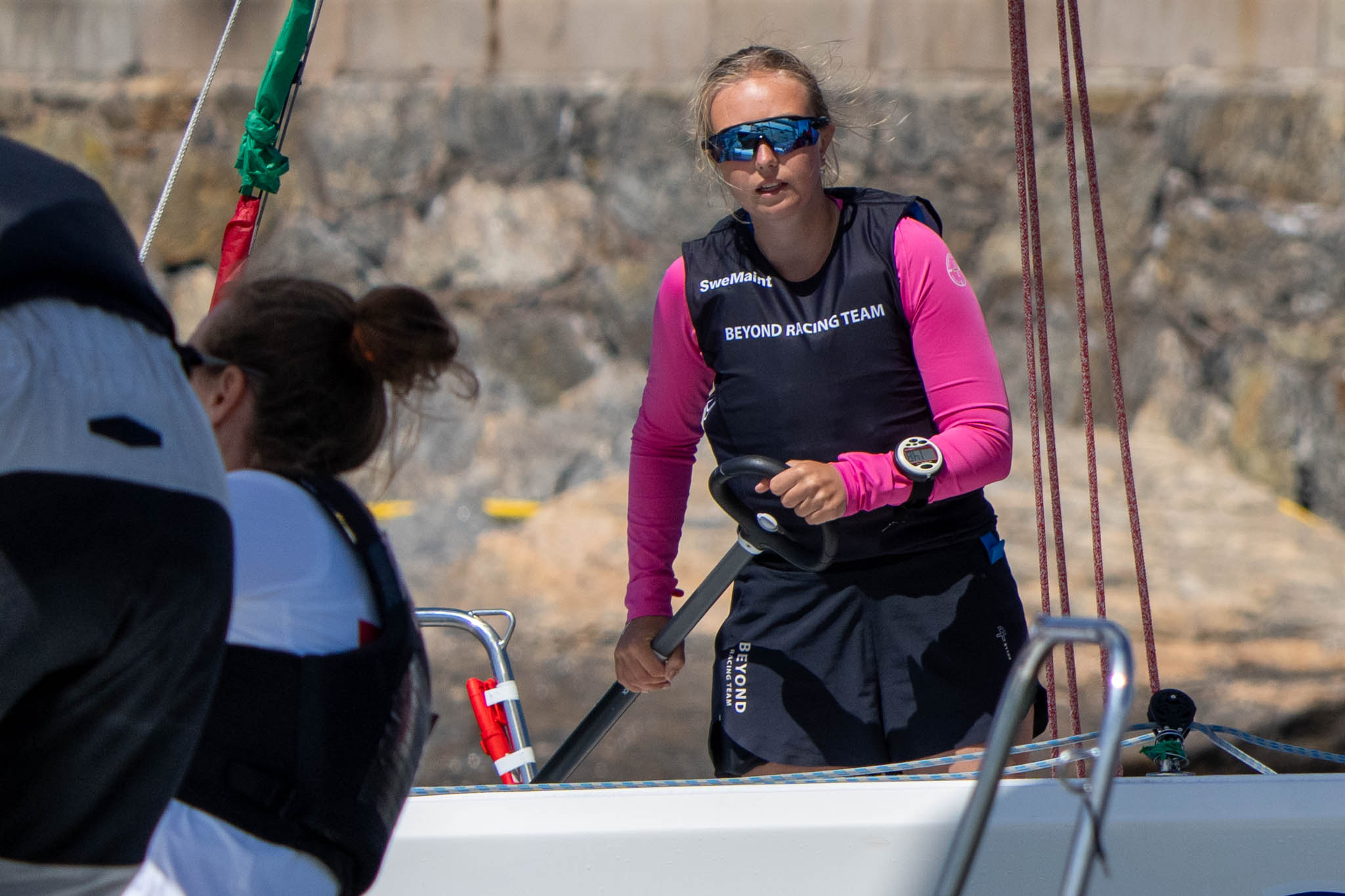
The women’s competition tells a cleaner story. Martina Carlsson steered Beyond Racing through seven straight wins, the only skipper in either fleet to complete an unblemished round robin. That perfect record sends her directly into the semifinals as a genuine favourite for the Nordea Women’s Trophy title.

Fellow Swede Anna Östling proved the second-strongest performer with six wins from seven races, though she must earn her semifinal spot through the quarterfinals. Östling meets American debutant Caroline Bayless and Team Something Chill in a matchup where the Swede’s knowledge of Marstrand’s waters could tip the balance. Former champion Pauline Courtois of France faces fellow Frenchwoman Julia D’Amodio in an all-French quarterfinal, while the Netherlands’ Julia Aartsen confronts Denmark’s Lea Vogelius in the final knockout contest.
Unsettled weather systems are moving toward the Swedish coast, promising stronger winds and testing boat handling skills across the FarEast 28 keelboats when competition resumes. The tactical demands of match racing—one-on-one duels where crew work and split-second decisions determine outcomes—will intensify as pressure mounts on every remaining team.
Match racing at this level strips away the variables that complicate fleet racing. Two identical boats, one buoy, one winner decided by pure sailing skill and crew coordination. Quarterfinals and semifinals will sort decisively between those teams capable of executing under pressure and those who crumble.