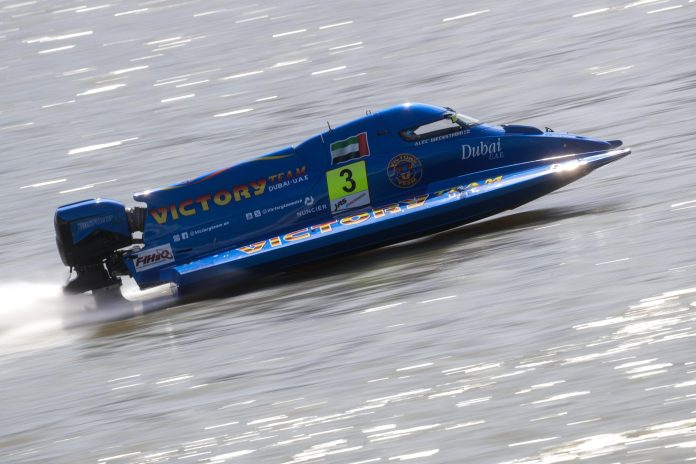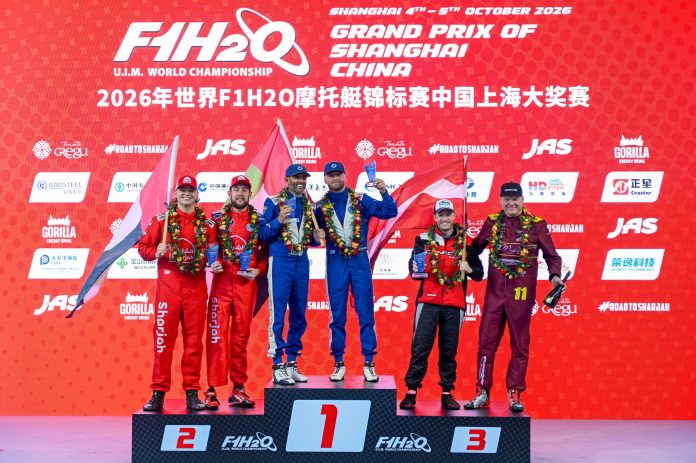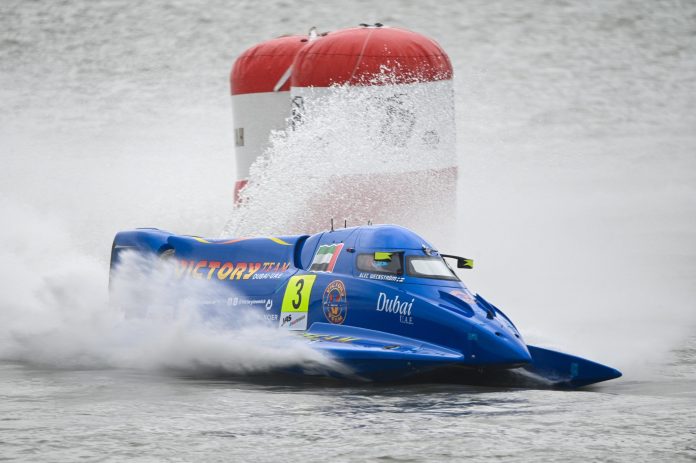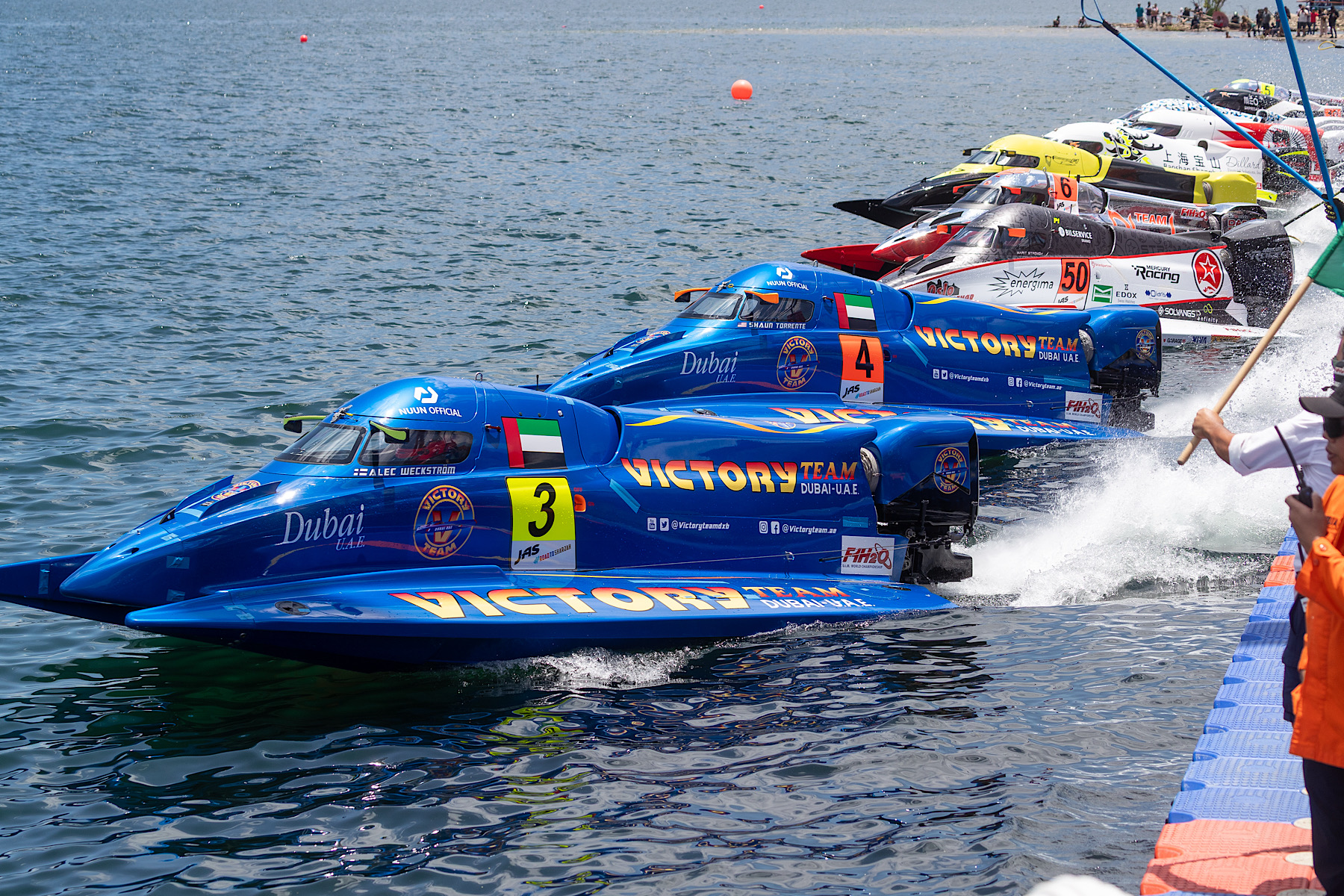
Lake Issyk-Kul will host the most audacious F1H2O World Championship venue yet attempted when the Grand Prix of Kyrgyzstan fires up in just over a week. At 1,607 metres above sea level, the high-altitude lake in Kyrgyzstan becomes the highest point at which the UIM’s premier powerboat racing series has ever competed, a record that underscores the ambition of taking the sport beyond its traditional European circuits.
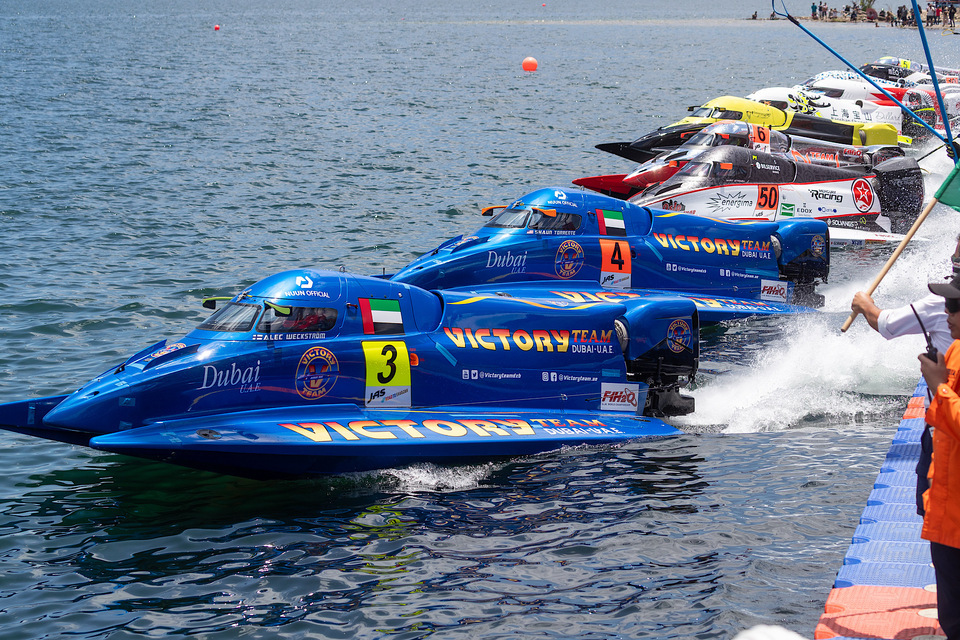
The timing matters considerably for the championship contenders. Stefan Arand holds the points lead after his dominant Cagliari victory, where both Rusty Wyatt and reigning world champion Shaun Torrente exited dramatically on the opening lap. Kyrgyzstan represents their chance to claw back into contention. Wyatt and Torrente won’t arrive at Issyk-Kul with excuses. The lake’s deep blue waters and rugged mountain backdrop known locally as the “Pearl of Kyrgyzstan” will demand respect, but the racing surface itself comes fresh to every competitor. Final testing runs on July 31 afternoon will give all drivers their first proper look at the course configuration before racing commences.
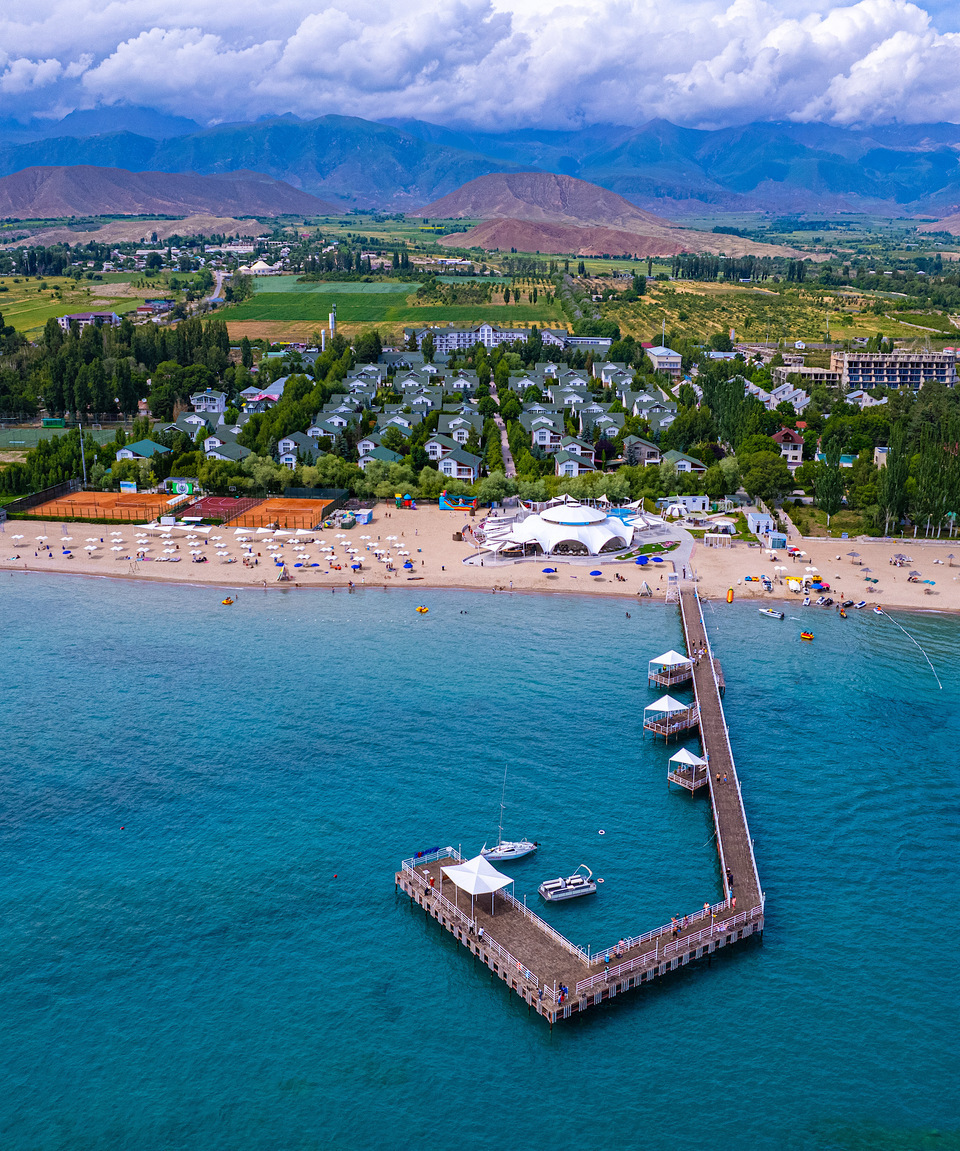
For a New Zealand audience familiar with motorsport spectacle, the scale of this event carries weight beyond the racing itself. The Kyrgyz Republic’s president will attend alongside leaders from neighbouring Central Asian nations, Azerbaijan’s president, and regional dignitaries representing a rare political gathering around a sporting occasion. The message is clear: this isn’t just a powerboat race. It’s a statement about growing international interest in F1H2O and the sport’s capacity to operate in regions historically outside its competitive orbit.
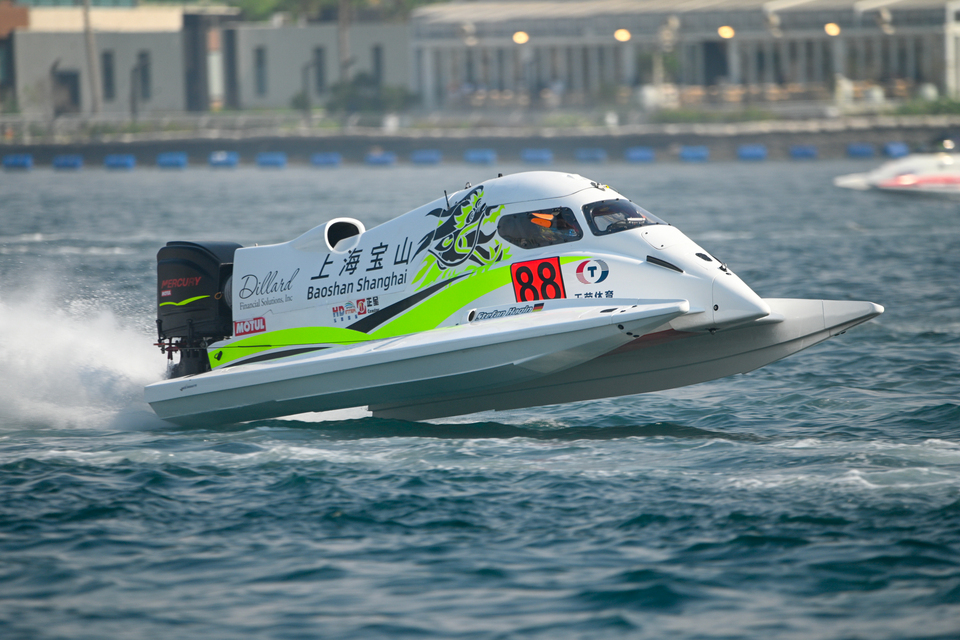
The race weekend itself extends well beyond the circuit. Evening cultural programmes will feature live concerts, orchestral performances, and regional artists celebrating Kyrgyz traditions. These aren’t afterthoughts bolted onto racing schedules. They’re integral to how F1H2O positions itself as a complete sporting experience rather than merely 50 minutes of hydroplane action on water.

For the drivers, altitude throws an unpredictable variable into the equation. Thinner air affects boat setup, fuel mixture, and engine performance. No F1H2O pilot has ever calibrated their single-seat hydroplane for conditions this high. That uncertainty levels the field in ways that conventional European venues never do. Arand’s Sharjah Team lead becomes less insulated when everyone faces unfamiliar technical challenges simultaneously.
The championship race tightens considerably when second-round racing produces genuinely unpredictable outcomes. Torrente’s path back to the title doesn’t close at Lake Issyk-Kul, but another poor result compounds his deficit. Wyatt similarly needs momentum. For Arand, consolidating his lead matters more than expanding it, though victories rarely hurt anyone’s championship credentials.
What occurs on July 31 and beyond represents F1H2O’s continued evolution from European waterfront racing into something genuinely global. Kyrgyzstan isn’t Monaco or Cagliari. The announcement that the sport could successfully operate at 1,607 metres altitude, with full regional political backing and comprehensive cultural programming, signals a competition confident in its international appeal. New Zealand has produced world-class maritime talent across multiple disciplines. Whether our powerboat drivers ever race at Issyk-Kul’s altitude, the precedent matters. F1H2O is clearly willing to go anywhere the water allows.