The first day of Cowes Week delivered the kind of sailing that reminds you why this regatta commands global respect. Across the Solent, more than 800 boats competed in varied conditions that tested both boat handling and tactical nous, while ashore the Isle of Wight town transformed into something between a maritime festival and a working harbour.
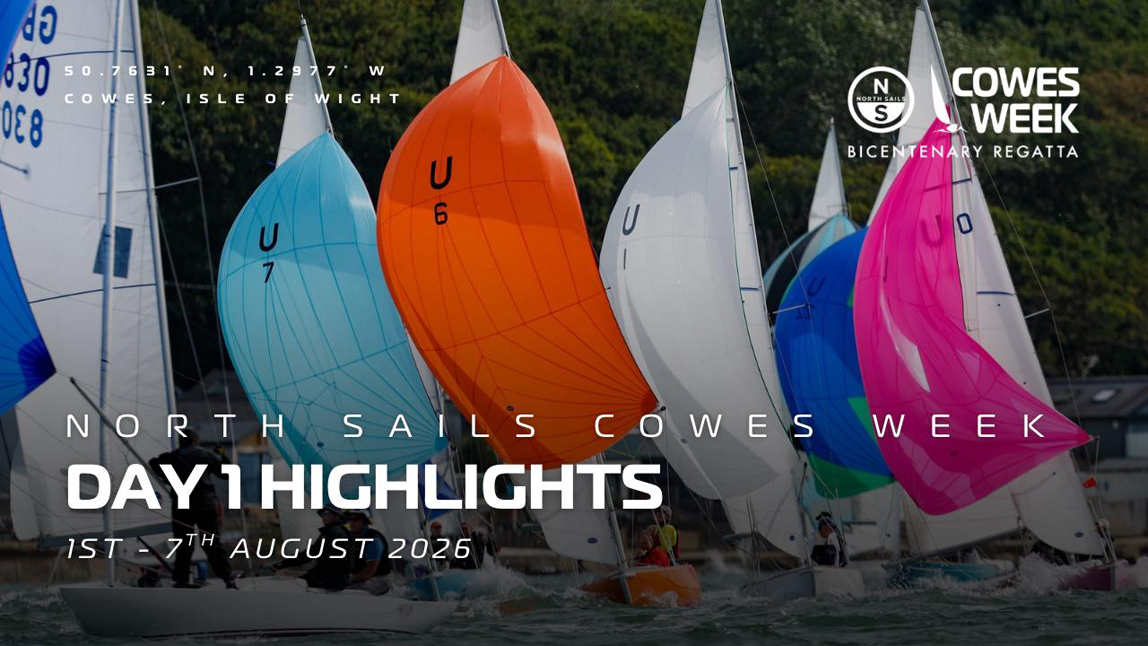
For those chasing the opening day footage, the contrast between water and land tells the real story of what makes Cowes Week distinctive. Out on the Solent, competitors faced genuine racing. Wind ranged across the afternoon, forcing crews to read conditions constantly and adjust their strategies. The bigger keelboat classes handled the shifts well, but smaller one-designs exposed any hesitation with sharp wind changes that caught out the careless. Several classes saw lead changes over the final legs as boats that appeared locked in found new angles downwind or gained ground on the beat.
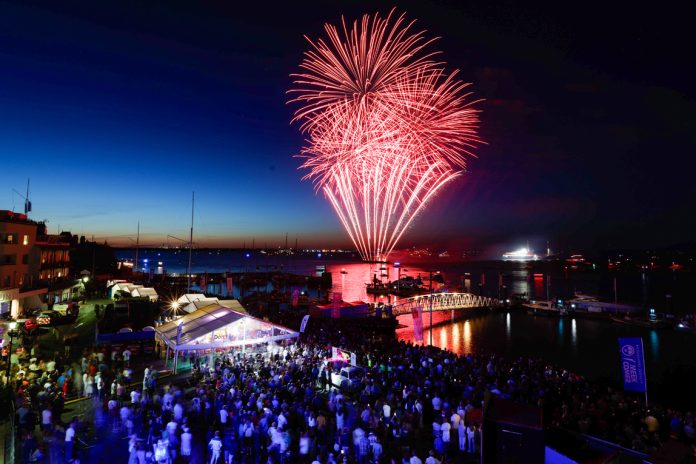
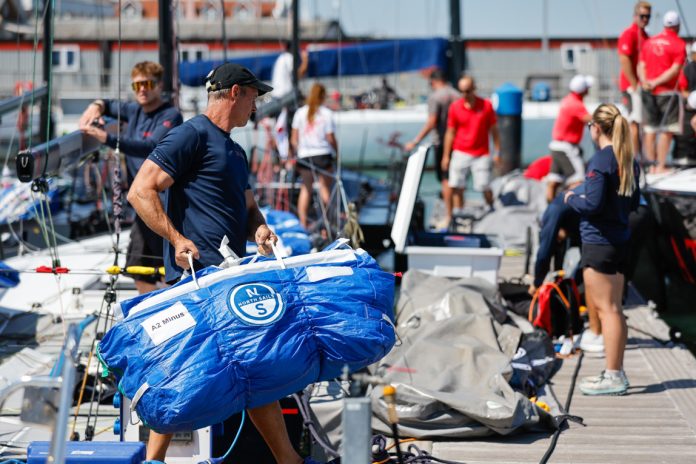
Ashore, Cowes took on the character it assumes only once yearly. The harbour packed with support vessels and chase boats, photographers and journalists crammed into every vantage point, and the waterfront itself became a constantly shifting crowd of crew preparing for the next race, sponsors moving between hospitality tents, and locals rubbing shoulders with international competitors who’d crossed the world for this event. The town’s narrow streets filled with sailors in their team gear, sponsors hosting evening gatherings, and the usual maritime mix of tradition and commerce that defines British sailing.
What struck observers was the genuine competitive edge. Cowes Week attracts sailors who’ve won major trophies, who’ve represented their nations, who understand the value of a strong result here. Yet the regatta manages to feel less brutally serious than one might expect given the calibre. There’s competition, certainly, but it coexists with the kind of maritime socialising that seems almost impossible to find elsewhere.

The variety across the water underscored why Cowes Week remains relevant. Fleet racing produces entirely different challenges to match racing or handicap divisions. Boat size ranges from nimble dinghies to sizeable offshore cruisers refitted as racers. New Zealand competitors found themselves racing against both familiar rivals and designs they’d rarely encountered.
By evening, the first-day rushes had settled into the pattern that would define the week. Results posted, boats hauled out or moored, crews moved between shore-based celebrations and the quieter moments of assessing where they stood. The Solent had delivered racing worth watching, and Cowes had once again proven it could host the sort of event that justifies the expense and effort of transporting boats and crews across hemispheres to compete on one stretch of English water.