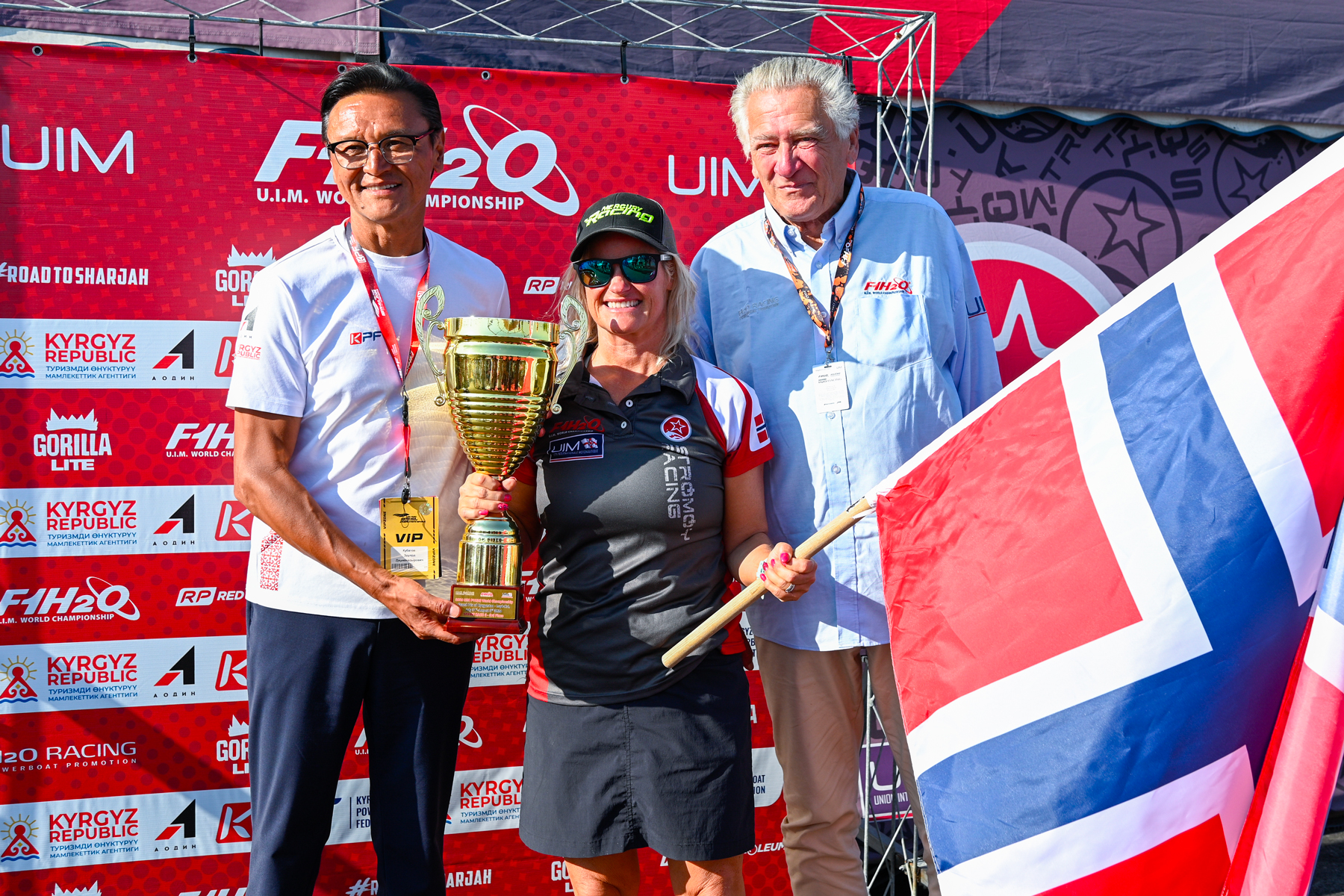
Marit Stromoy returned to the F1H2O podium on Sunday at Lake Issyk-Kul, eleven years after she first made history at Sharjah. The Norwegian’s third-place finish at the inaugural Grand Prix of Kyrgyzstan carried weight far beyond the championship points it delivered, marking a breakthrough moment for her four-stroke engine project and a fresh chapter in a career that has already redefined what’s possible for women in hydroplane racing.
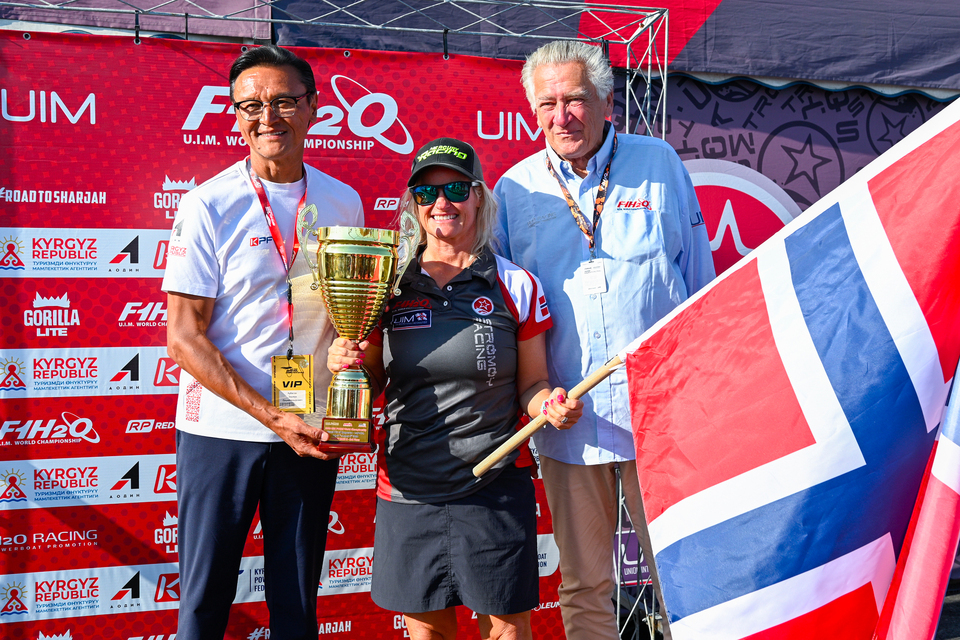
Stromoy remains the only female driver ever to win an F1H2O Grand Prix, a distinction she claimed in 2015. She is equally alone in the record books as the only woman to have podiumed at the sport’s highest level. Before Sunday, her most recent finish on the rostrum came in Portugal in 2021. The intervening years have tested her resolve, particularly after she committed to the new four-stroke technology ahead of this season, becoming the first driver to fully transition from the traditional two-stroke format.
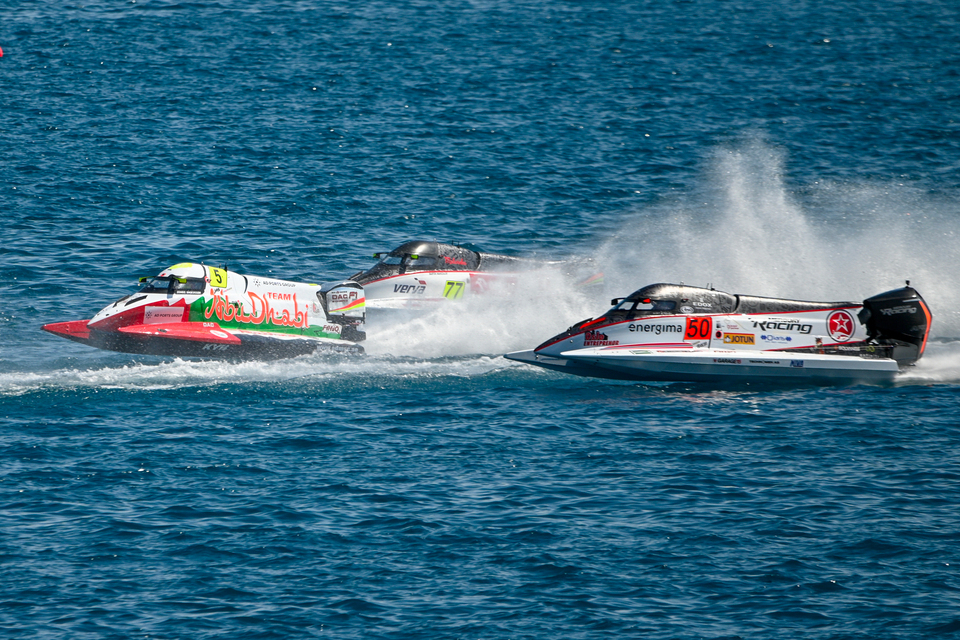
That decision demanded more than technical competence. It required redesigning her entire boat around a fundamentally different engine architecture, absorbing early setbacks without visible reward, and maintaining faith through the difficult months when results did not justify the investment. Her Stromoy Racing team worked through countless adjustments and recalibrations. Some days offered only frustration.
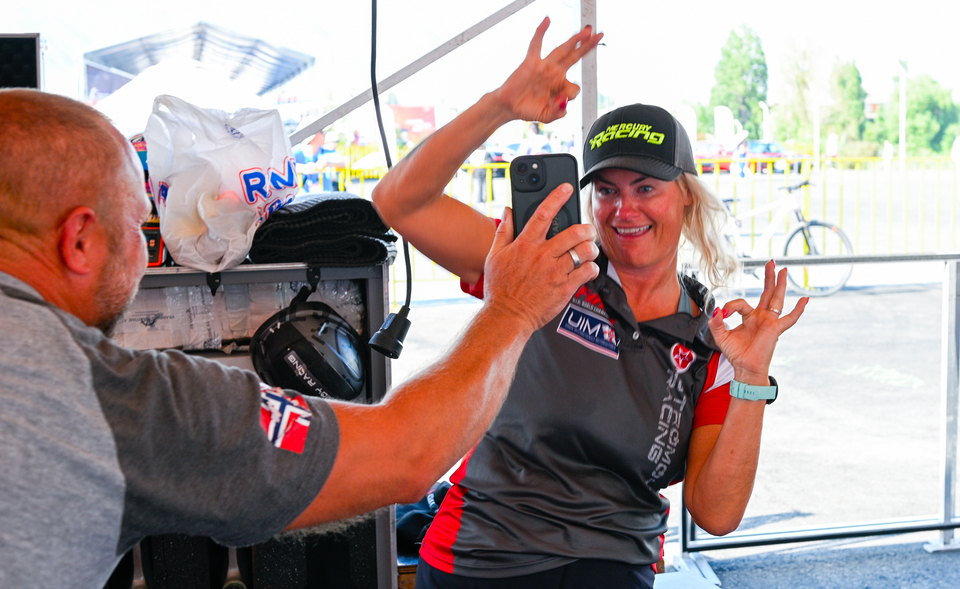
The warmth returned on Saturday during the warm-up session at the spectacular Kyrgyz circuit. Stromoy completed more laps than any other driver and set the fastest time among all eighteen competitors. Something had clicked. Driver and machine had found their rhythm.

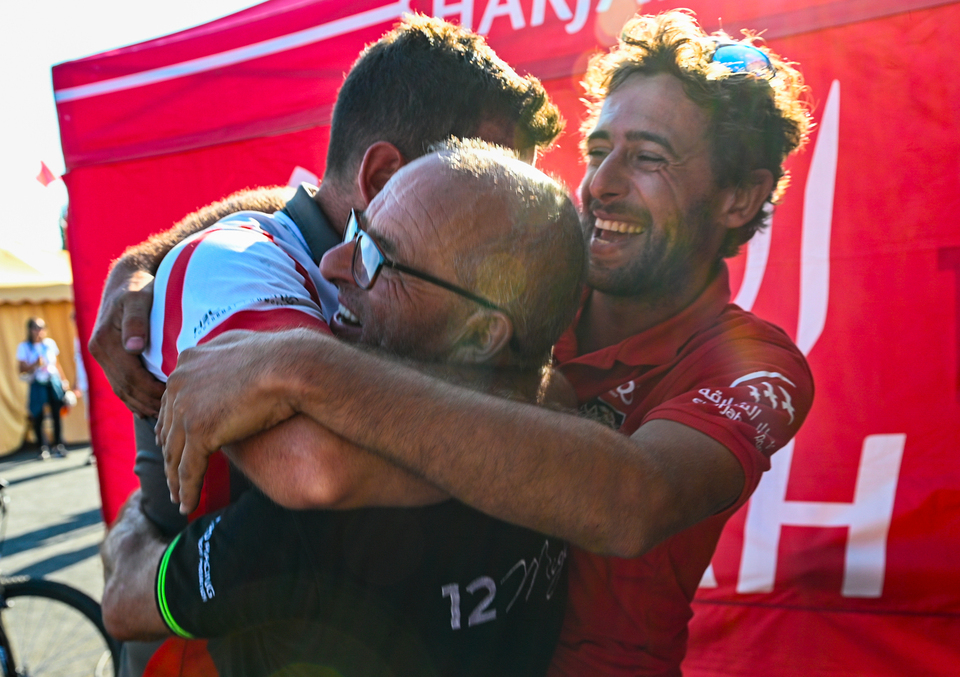
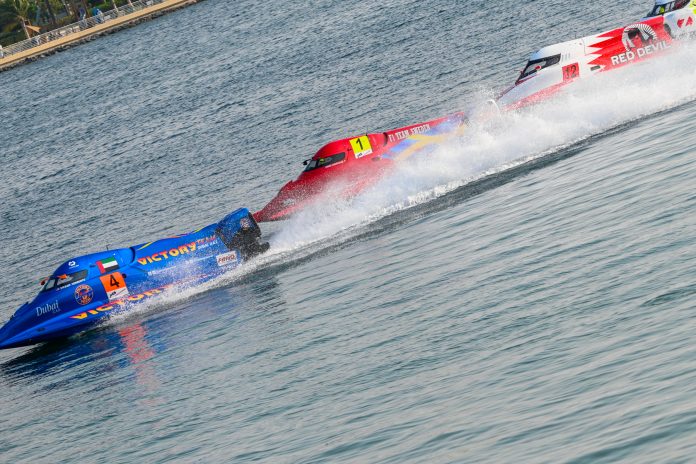
Starting Sunday’s Grand Prix from 14th on the grid, she produced an opening lap that announced her intent. Eight positions gained in a single circuit. The racecraft was all there, that aggressive precision which has defined her throughout her career. She continued pressing after the restart, swept past teammate Bartek Marszalek and then Erik Stark, moving into fourth before Stark reclaimed the spot.
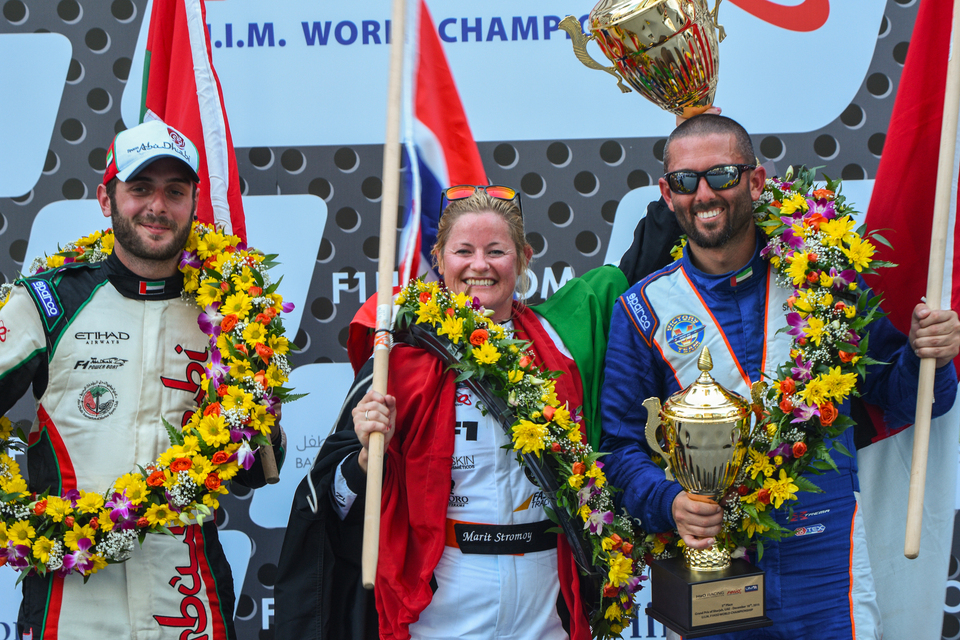
Rather than fade, Stromoy stayed composed and positioned herself to capitalise when fortune shifted. When Alec Weckstrom received a penalty and Jonas Andersson lost pace, she moved past them both to secure third place.
For her team, the podium represents vindication for years of development work on a project that demanded patience and belief in technology that has yet to be proven at the highest level. For Stromoy personally, it confirms something she has proven repeatedly across more than a decade of racing at F1H2O’s elite level: she belongs among the very best.
That point deserves underlining in a sport where women remain conspicuously rare. Stromoy has never accepted the role of token presence. She races with the same precision and aggression as any male competitor, and her record shows it. Five podiums across the previous two decades, a Grand Prix victory, and now this. At Kyrgyzstan, she added proof that the four-stroke engine, her boat, and her own talent could all coexist at the pinnacle of circuit powerboat racing.

Eleven years from Sharjah to Lake Issyk-Kul. Stromoy is still writing her story.