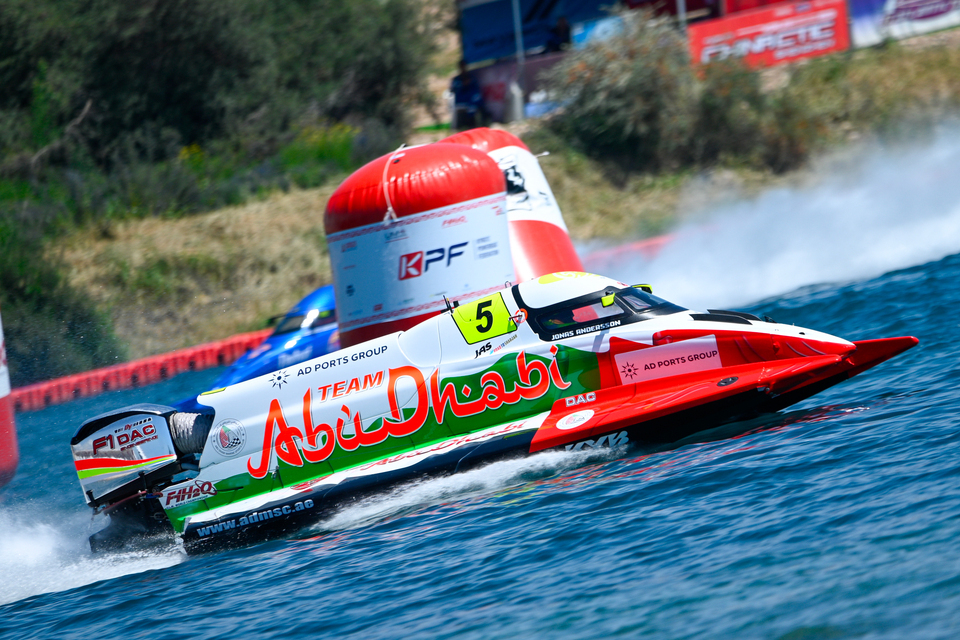
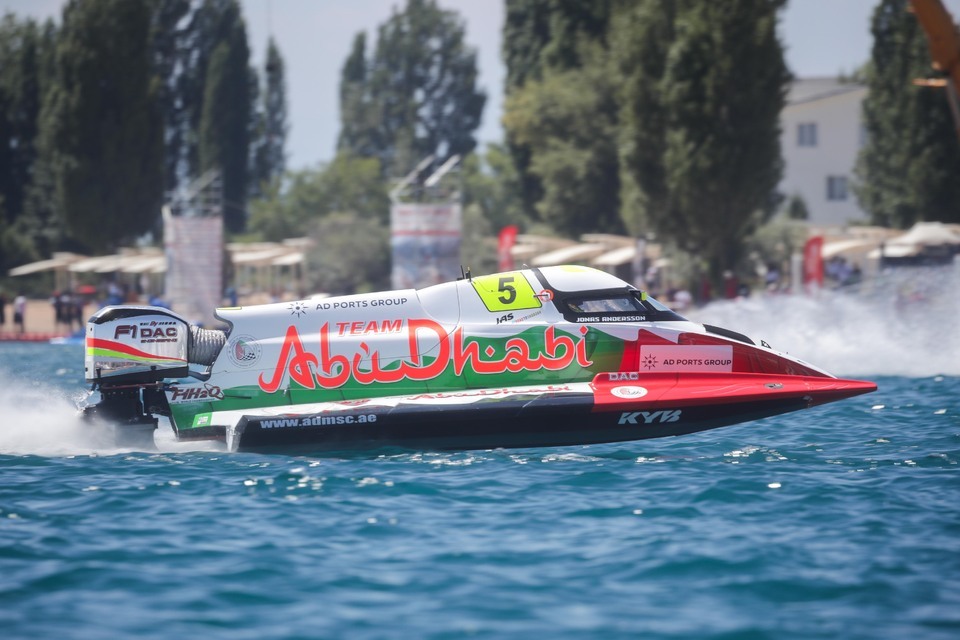
Jonas Andersson has put himself in the box seat for this weekend’s Grand Prix of Kyrgyzstan on Lake Issyk-Kul, claiming pole position after a dominant qualifying session that left his rivals chasing shadows across the Central Asian circuit.
The Swedish driver’s performance on Friday signalled his intent early. Andersson and fellow former world champion Shaun Torrente both impressed during free practice, but when it mattered most, Andersson found another gear. His qualifying run was the kind of clinical display that reminds the F1H2O paddock why these two names keep appearing at the pointy end of the results sheet.
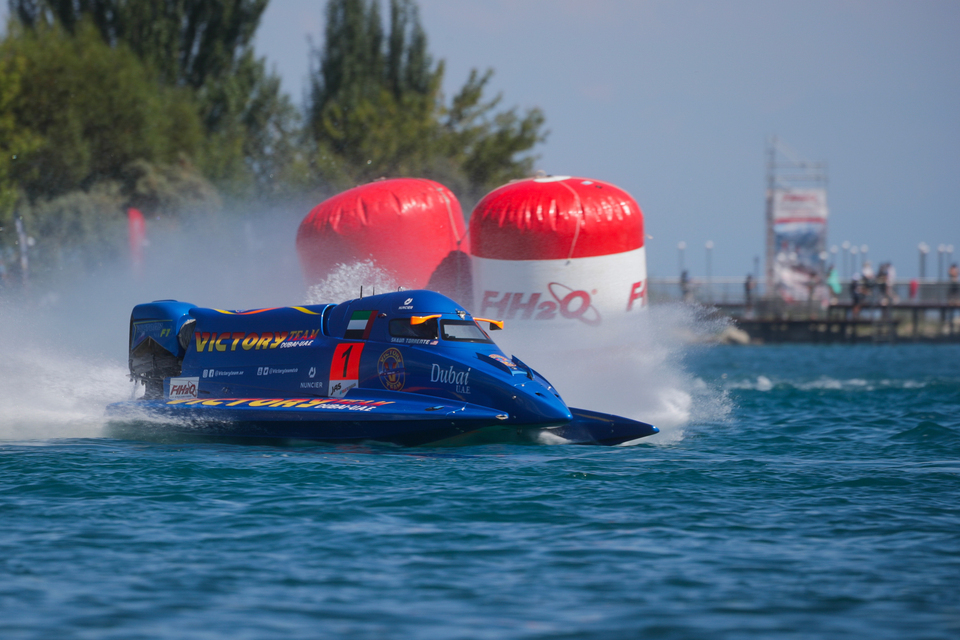
Torrente, no stranger to success himself, heads the second row and will be watching his mirror come race day. Both drivers proved they’ve got the measure of Issyk-Kul’s demands, a venue making its debut on the world championship calendar under less-than-straightforward circumstances. The 2,607-metre-high lake presented fresh challenges for teams unused to its unique conditions, yet Andersson and Torrente adapted with the efficiency of champions.
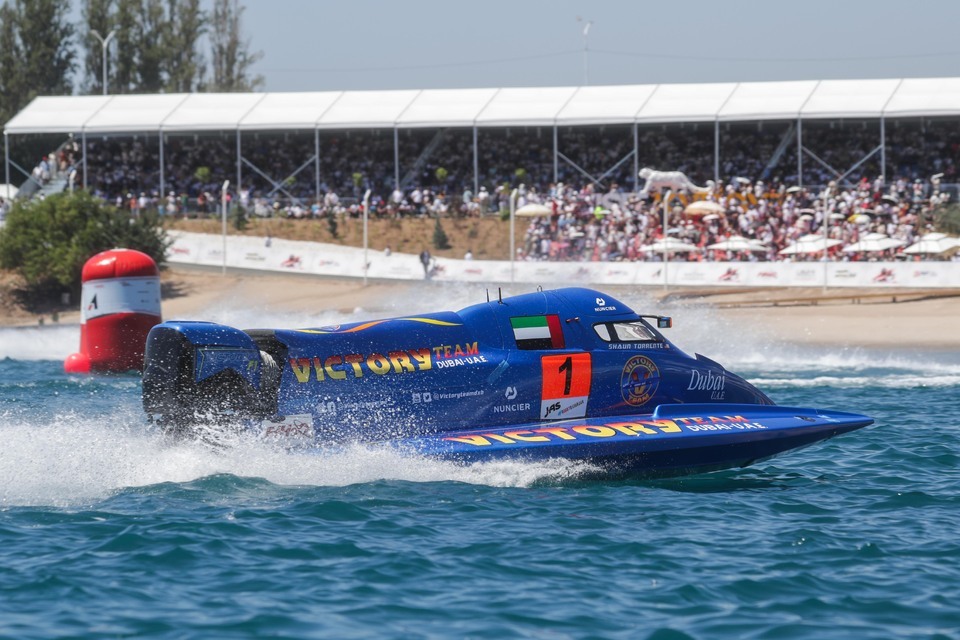
The sprint races on Saturday handed both drivers a chance to convert their qualifying pace into race day form. Andersson and Torrente each won their respective sprint heats convincingly, building momentum ahead of the main Grand Prix event. For Andersson, it amounts to a perfect Friday and Saturday so far.




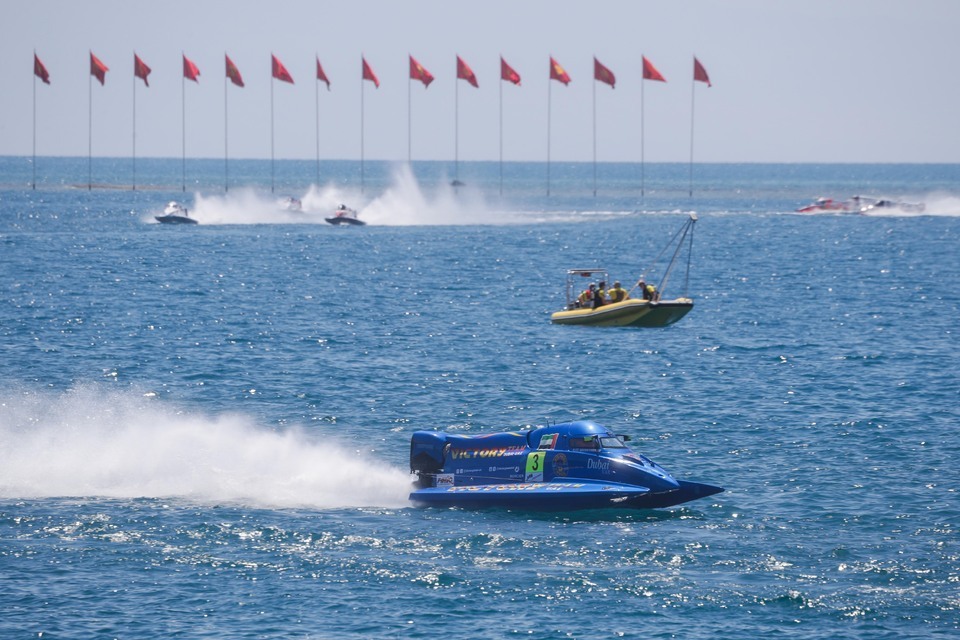
One notable complication emerged when Rusty Wyatt required an engine change after qualifying. The penalty saw him relegated to the back of Sprint Race 1, a significant disadvantage on a circuit where track position matters. Wyatt, however, possesses the skill to work his way forward once the main event begins, and his team will be confident they can recover from the setback.
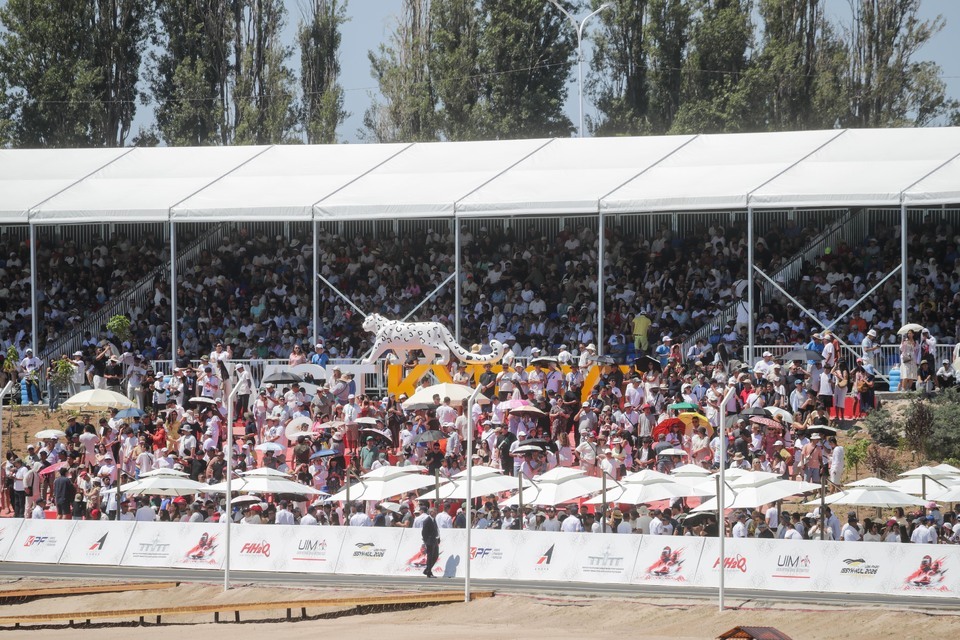
The Grand Prix of Kyrgyzstan represents something of a curveball for F1H2O. The championship has raced across European circuits and established hydroplane territories for decades. Kyrgyzstan’s Lake Issyk-Kul offered no such comfort. Teams have had to piece together setups from limited data, dial in their boats from scratch, and contend with a racing surface that few in the paddock knew well before arriving.
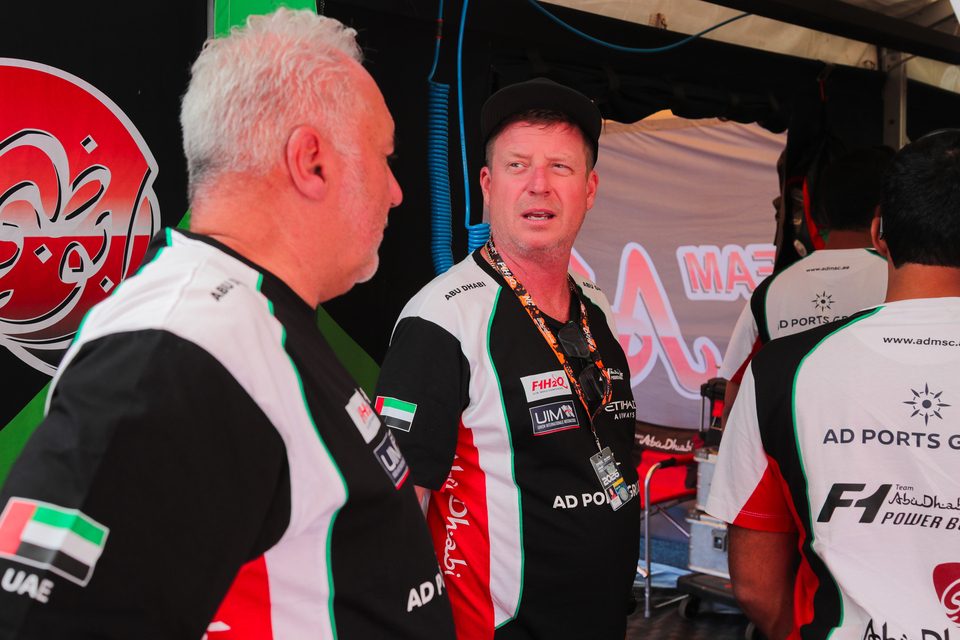
That both Andersson and Torrente have mastered it so quickly speaks volumes. These are drivers who make their living extracting every advantage from a 220km/h single-seater hydroplane when the margin between first and fourth place measures millimetres. Qualifying times that separated the field would have been tenths of a second at most.
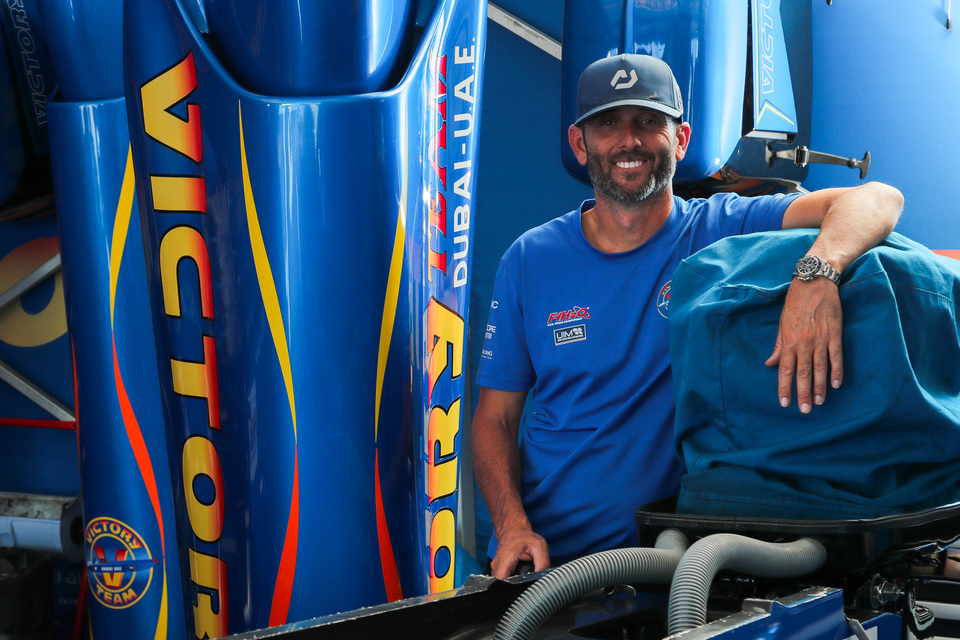
Andersson’s pole position caps a blistering start to the weekend. He knows full well that F1H2O races are decided across 100 kilometres of sustained pressure, not three-lap shootouts. Saturday’s sprint victories gave him practice at defending position and managing fuel, two skills he’ll need in abundance come Sunday. Torrente will be plotting how to turn his qualifying performance into the kind of race-winning consistency that earned him his world title.

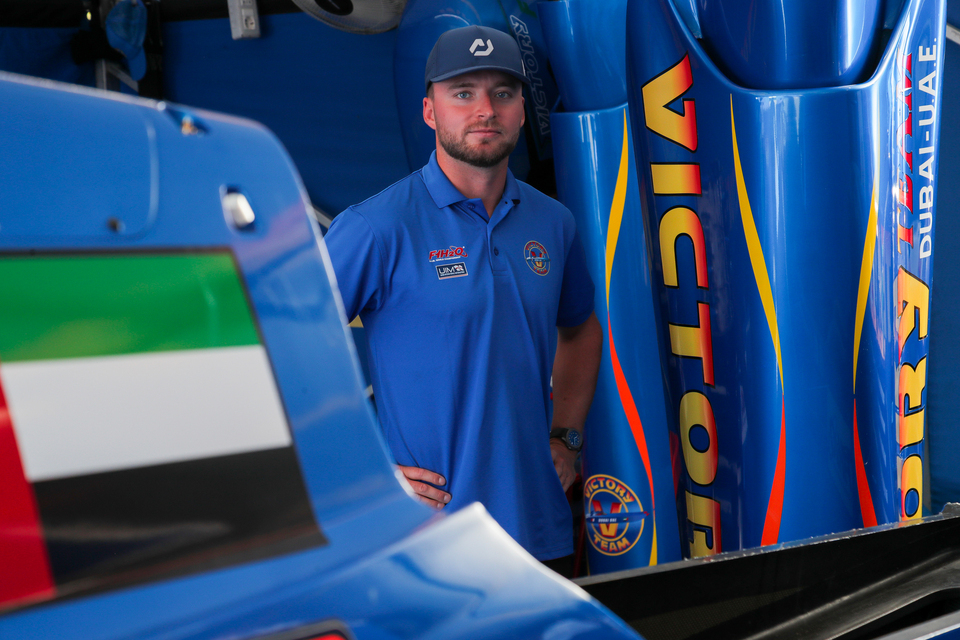
The stage is set for a proper scrap this weekend. Andersson has done the hard part. Now comes the test that matters.