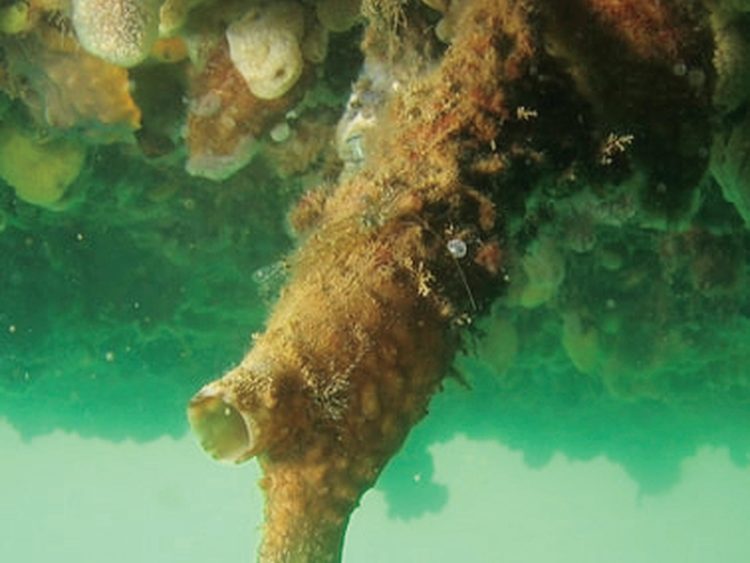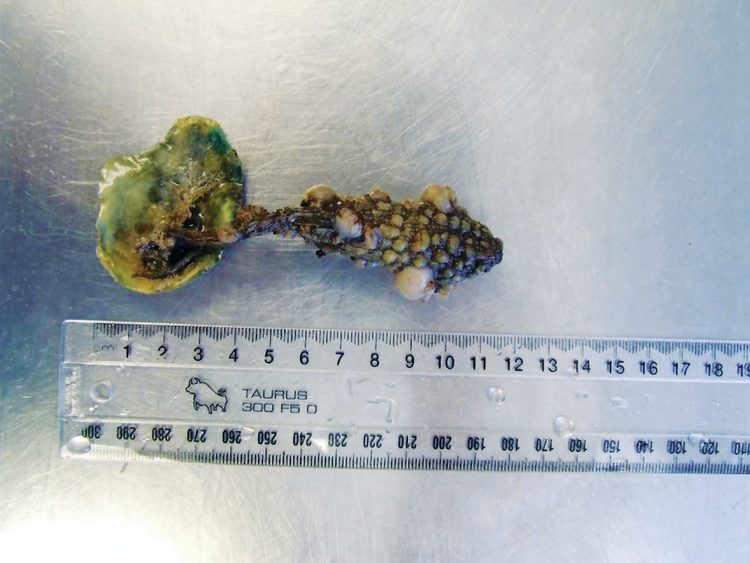
At first glance it looks harmless. A leathery lump clinging to a wharf pile or mooring line. But Styela clava, better known as the clubbed tunicate, is an unwanted pest that has the potential to quietly change our coastlines.
This tough, leathery sea squirt attaches itself to hard surfaces including marina piles, mooring lines, vessel hulls, pontoons and aquaculture equipment. Once established, it can occur in large numbers, competing with native marine life for space and creating costly problems for marine industries.
Originally from the north-west Pacific, Styela clava has now become established in many parts of New Zealand, from Northland to as far south as Otago Harbour. It thrives in sheltered coastal waters from the low tide mark to depths of around 25m and tolerates a wide range of water temperatures and salinity, making it well-suited to many of our harbours and bays.

Styela clava has a distinctive club-shaped body attached by a short, tough stalk. It has two siphons at the top, a rough, warty surface and a firm, leathery texture. Its colour ranges from brownish-white through to reddish-brown.

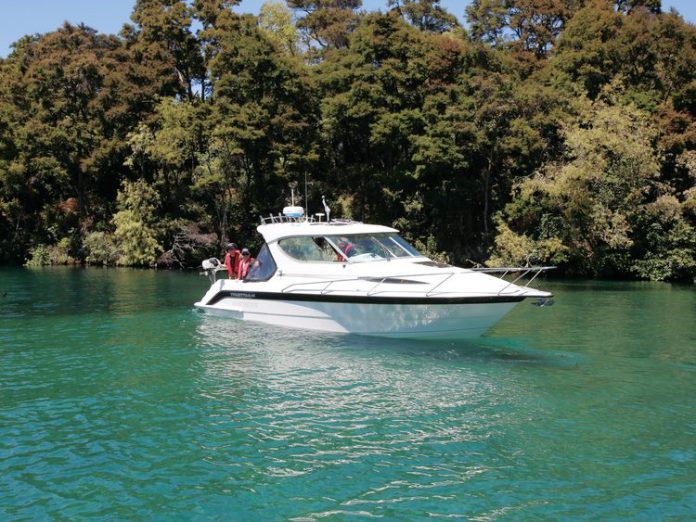
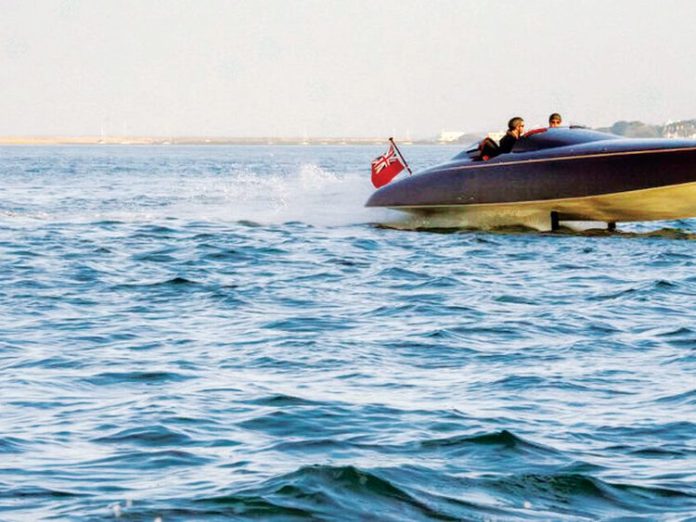
While nationwide eradication is no longer considered realistic, preventing the pest from spreading into new areas remains important. Vessel hulls, marine equipment and aquaculture gear can all transport Styela clava between harbours if they are not kept clean.
For more information please visit www.biosecurity.govt.nz