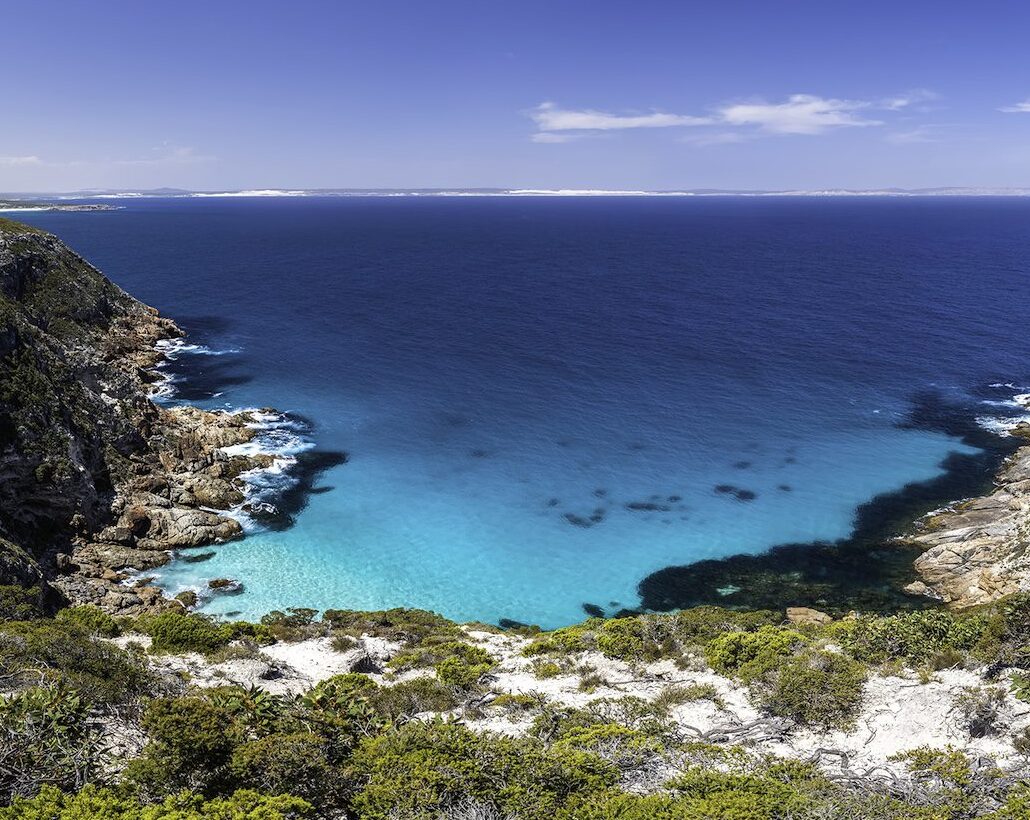
Discover South Australia’s remote cruising paradise, where Kangaroo Island and the Gulf coast deliver spectacular scenery, secluded anchorages, and rewarding long-range adventures.
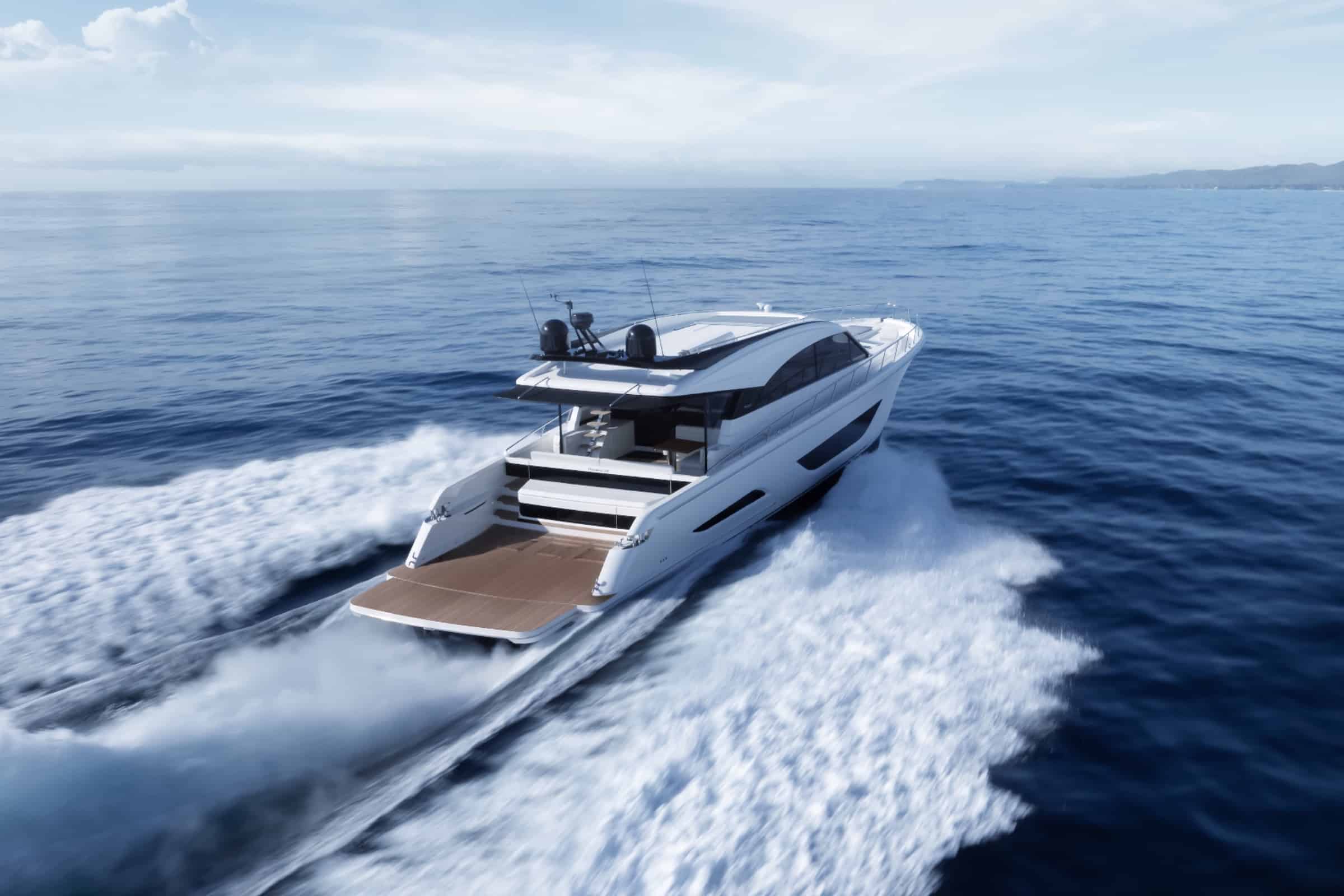
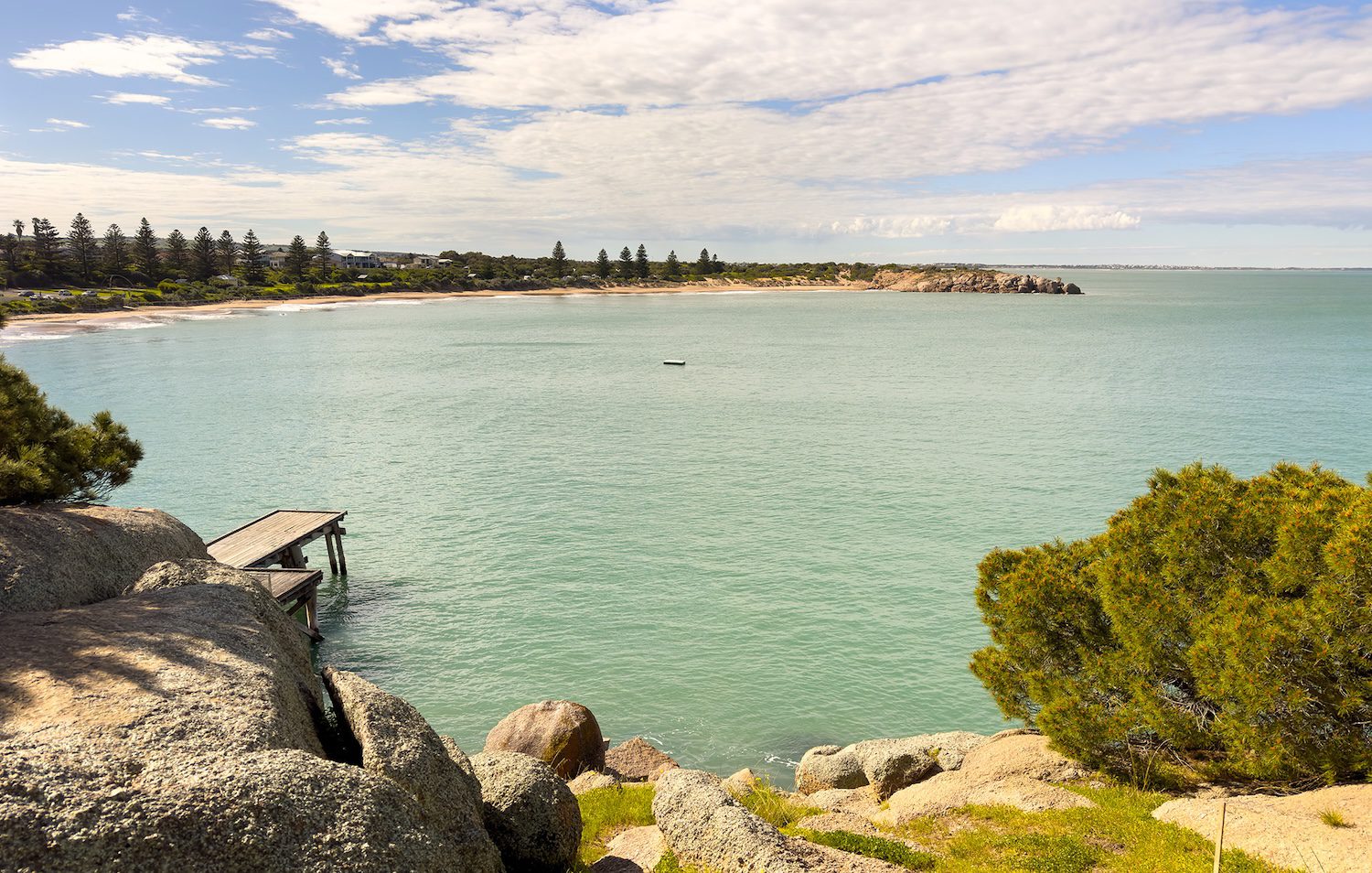

South Australia’s cruising grounds remain largely overlooked by the trans-Tasman yacht set, yet they offer something increasingly difficult to find anywhere along the Australian coast: genuine solitude paired with spectacular scenery. From Adelaide’s protected Gulf waters to the wild limestone cliffs of Kangaroo Island and the seafood-rich Eyre Peninsula, this state rewards owners willing to think beyond the next lunch stop and embrace proper passage planning.
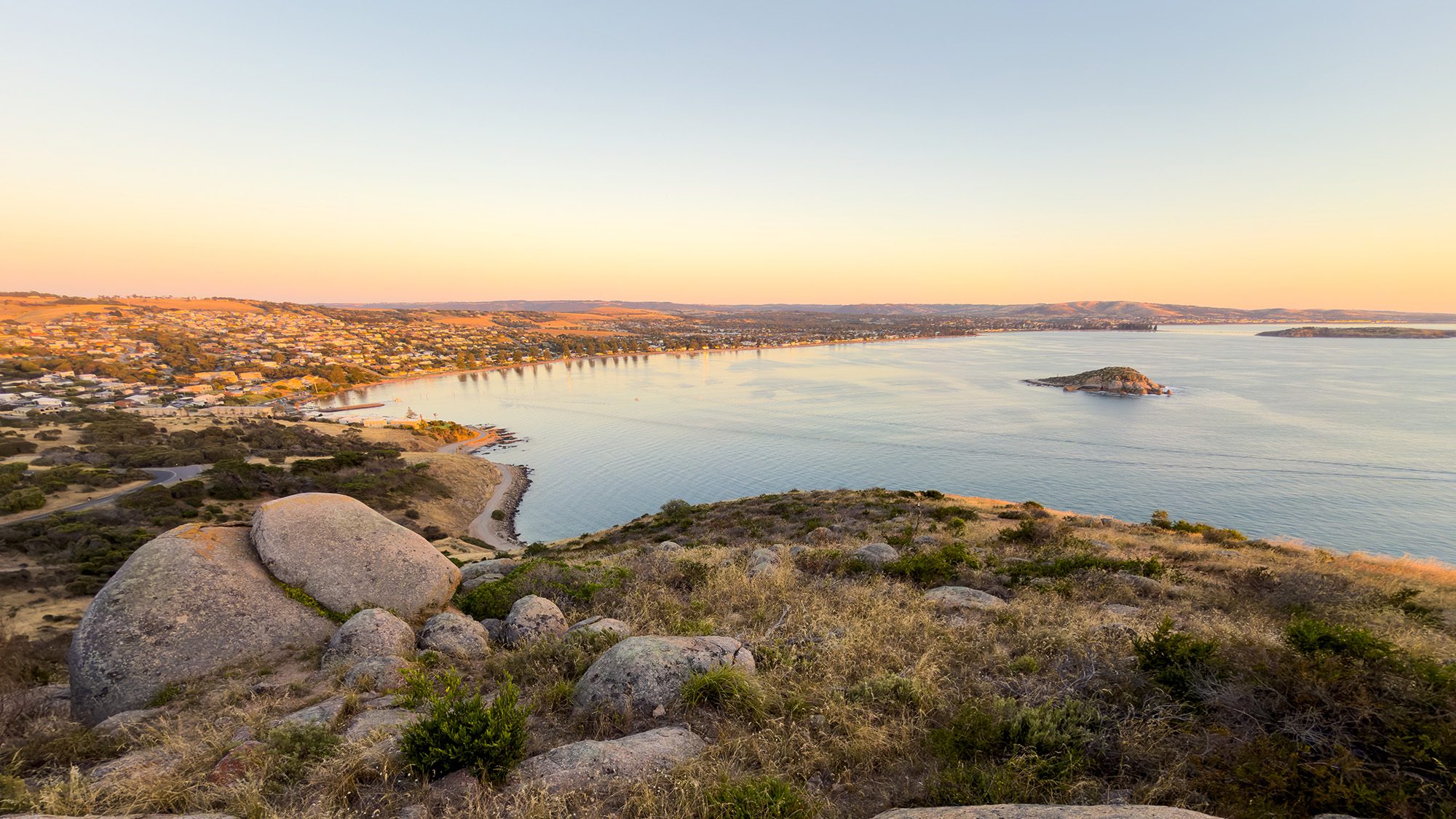
Unlike the well-worn tropical cruising corridors to the north, South Australian waters are genuinely remote. The coastline serves up long horizons, clear water, and anchorages where arriving by boat still feels like an achievement rather than a tick on a holiday checklist. The catch is straightforward: this is not tropical cruising. Temperatures run cool, weather systems demand respect, and the exposed stretches between protected harbours require careful navigation. In return, owners discover coastlines without crowds and the kind of stillness that modern boating rarely offers.

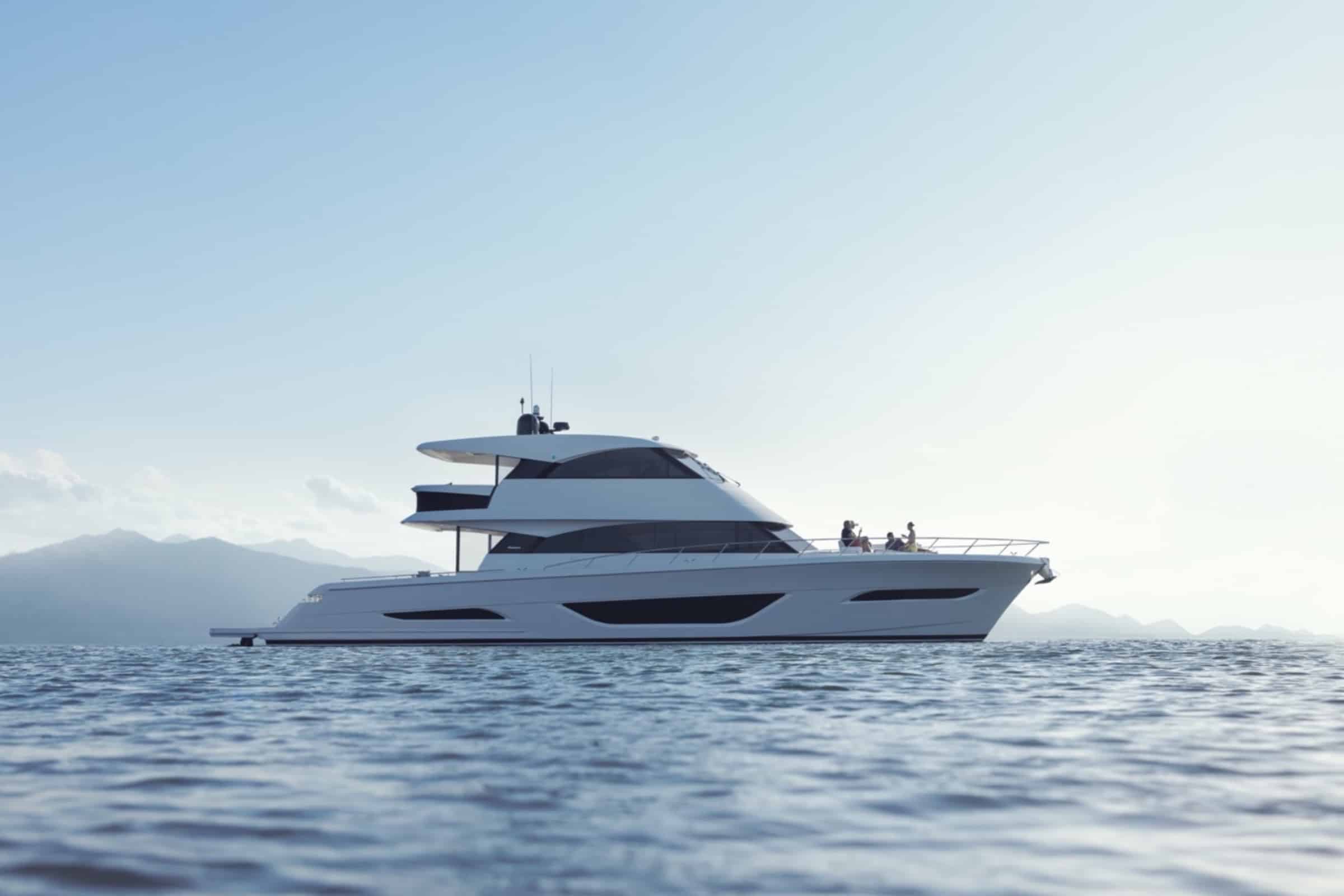
The cruising season runs from late spring through autumn, with November and March representing the sweet spot. These months combine warm, settled days with reliable high-pressure systems and genuinely quiet anchorages. October through April offers the best window overall, with long daylight hours and manageable weather, though summer’s afternoon sea breezes often mean early starts and early arrivals.
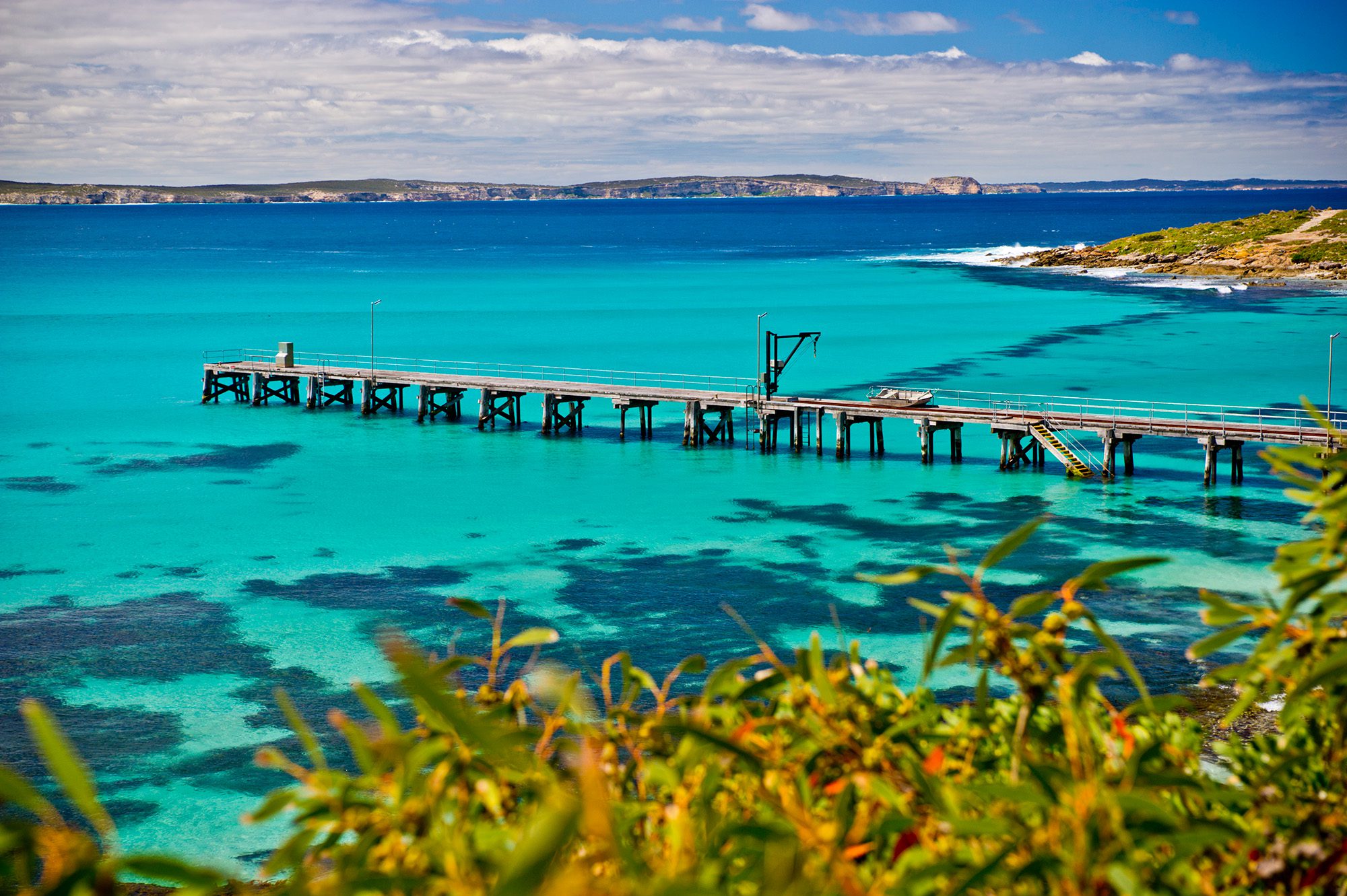
Adelaide makes an obvious starting point. North Haven and the top end of Gulf St Vincent provide access to fuel, supplies, and technical support before the water opens up properly. The eastern shoreline of Gulf St Vincent is gentler fare, with beaches and small coastal towns easing cruisers into South Australian waters. Days here can follow the forecast rather than a fixed itinerary, with breakfast at anchor and lazy afternoons exploring nearby. The western side, dominated by the Yorke Peninsula’s boot-shaped coastline, offers equally varied cruising with towns like Port Vincent and Edithburgh as convenient staging points.
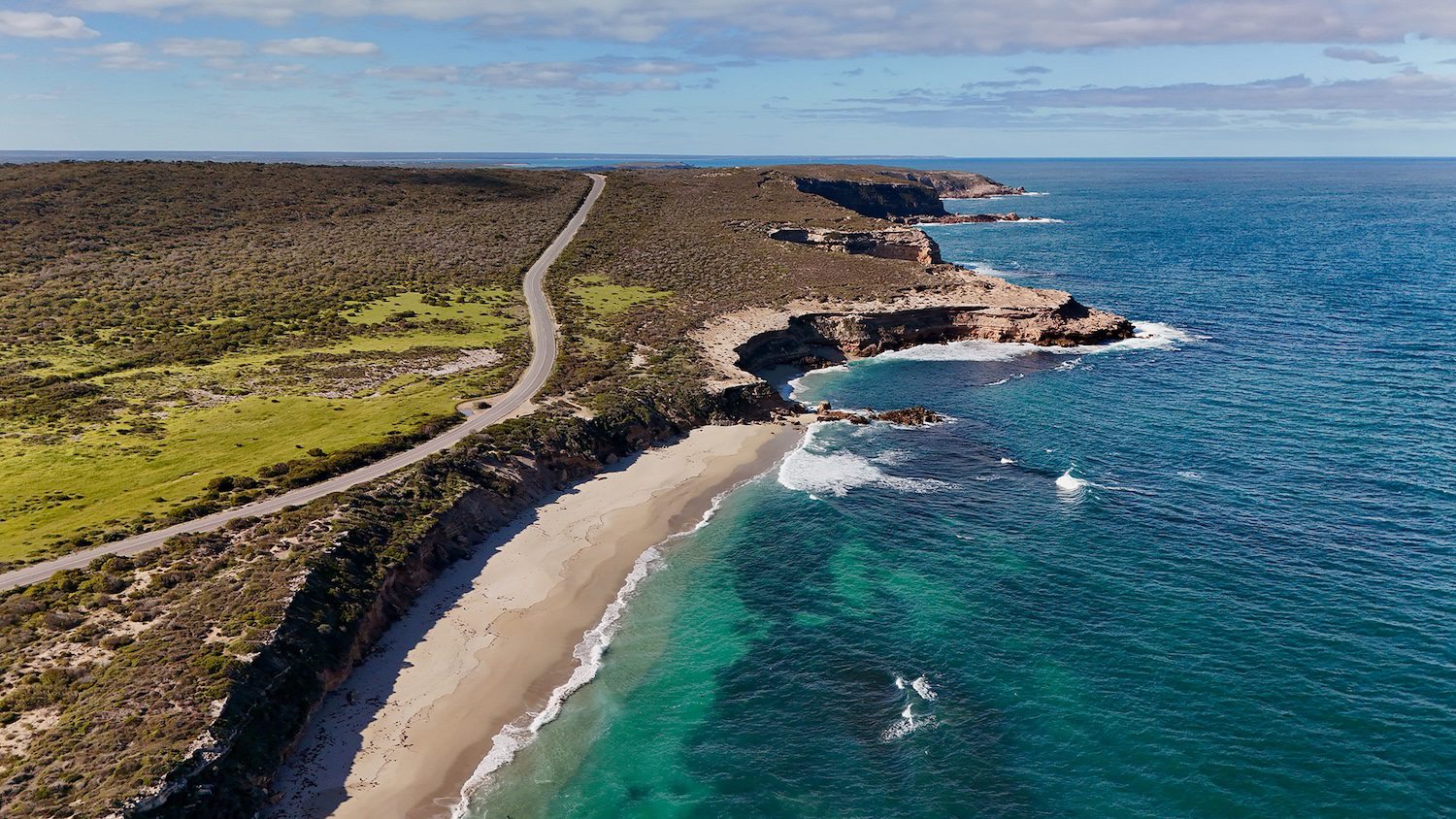

Cape Jervis marks the transition to more demanding conditions. The passage to Kangaroo Island across Backstairs Passage is not intimidating for well-equipped motor yachts, but it deserves attention. Wind against tide creates confused seas quickly, and official forecasts should factor in local currents and the reality that the largest waves often run considerably higher than averages suggest.
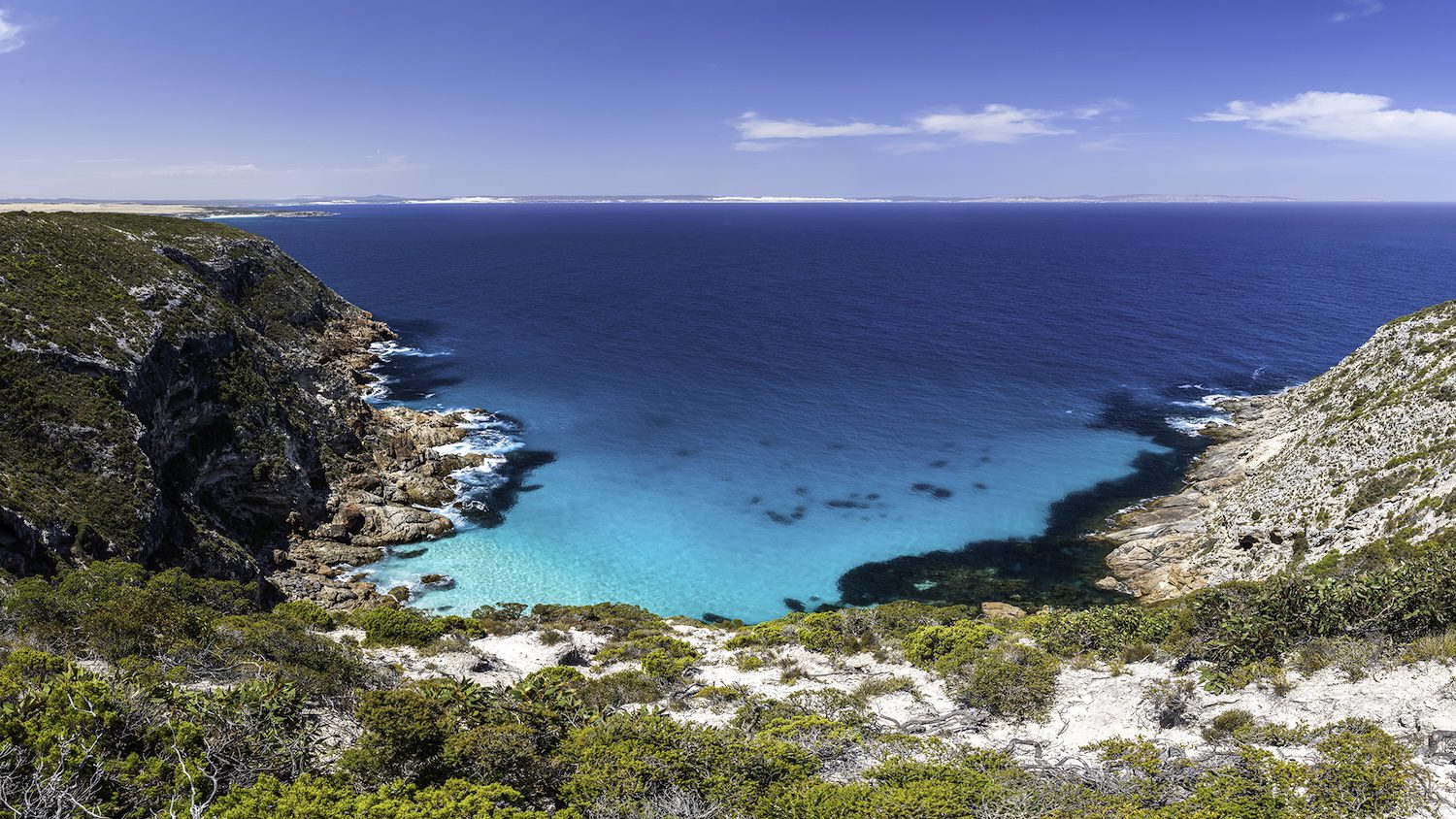
Kangaroo Island from the water is where this cruising ground truly shines. Penneshaw works as a practical landfall and orientation point, but American River on the north-eastern side offers the kind of protected, slower-paced anchorage that rewards longer stays. Pelicans fish the shallows, and the rhythm of tides replaces timetables. Continuing northward reveals the island at its most inviting, with sheltered coves breaking the cliff line and pale beaches where the water clarity lets you see the seabed from the cockpit. Emu Bay and Western River Cove can become destinations rather than overnight stops when conditions allow.
The southern and western coasts belong to the Southern Ocean. These are deliberately wild waters, defined by cliffs, reefs and uninterrupted ocean swell. Marine parks protect important habitats including sea lion breeding areas and extensive reef systems. Approaching here demands good local knowledge and conservative weather reading, though even offshore views convey the island’s sheer isolation.
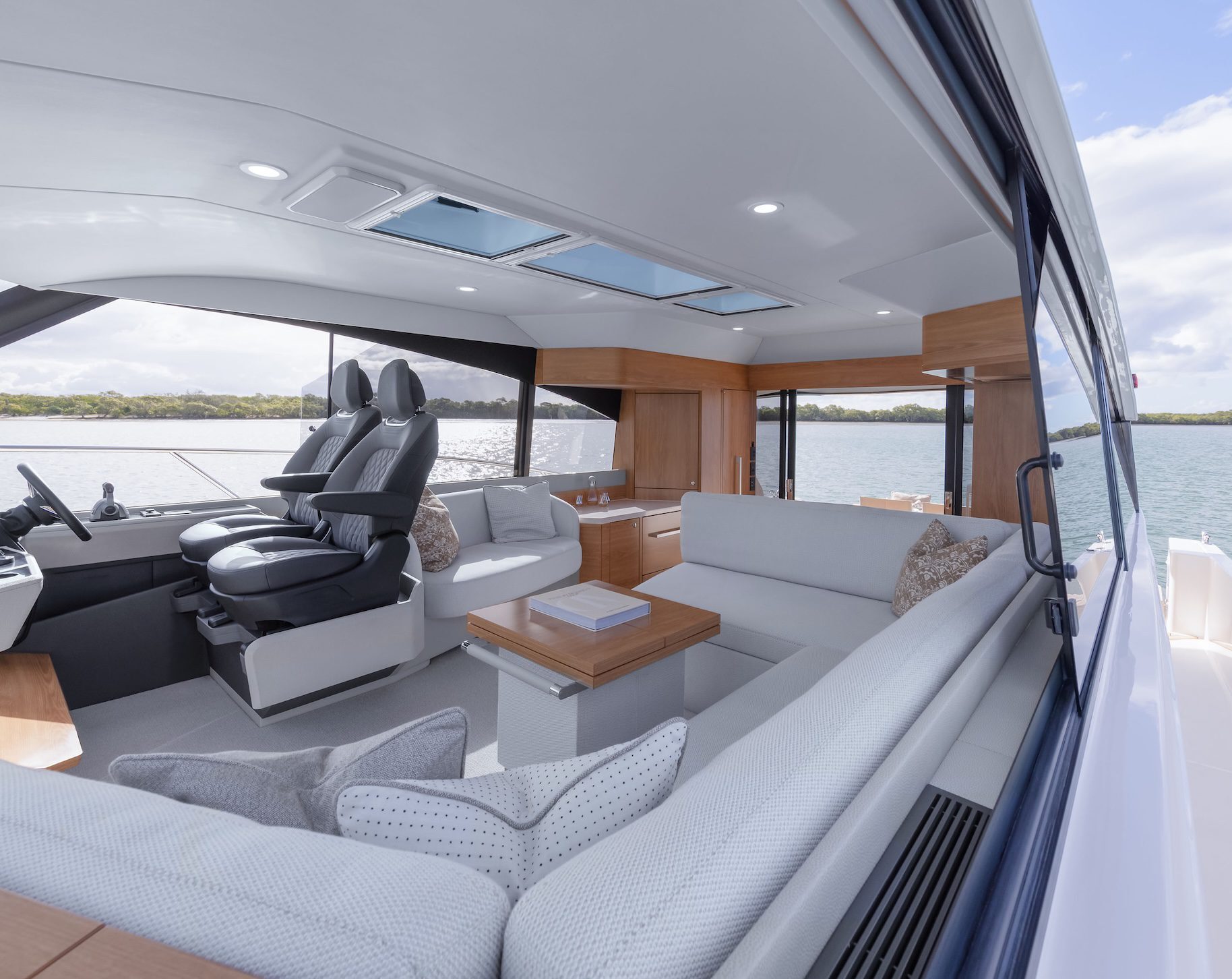
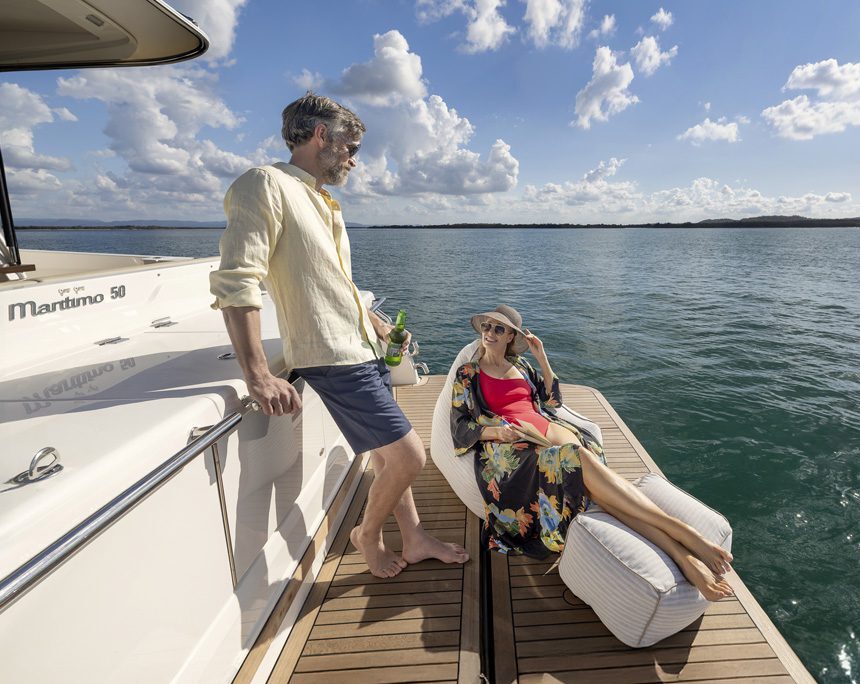
This kind of cruising suits vessels built for range and comfort. South Australia asks owners to embrace proper preparation, respect the marine environment, and rediscover why boat owners venture offshore in the first place: not for the facilities at the destination, but for the passage itself and where it leads.