The Ocean Race is the toughest test of a team in sport – and sailing’s greatest round-the-world challenge. Since 1973, winning the Race has been an obsession for the world’s best sailors – Olympic champions, record breakers and pioneers. With teams racing through the most extreme spots on the planet – closer to the astronauts in the Space Station than anyone else on land – and calling at iconic cities on 6 continents, The Ocean Race is a truly global sporting competition with adventure and sustainability at its heart, and sailors testing the limits of human ambition and performance.
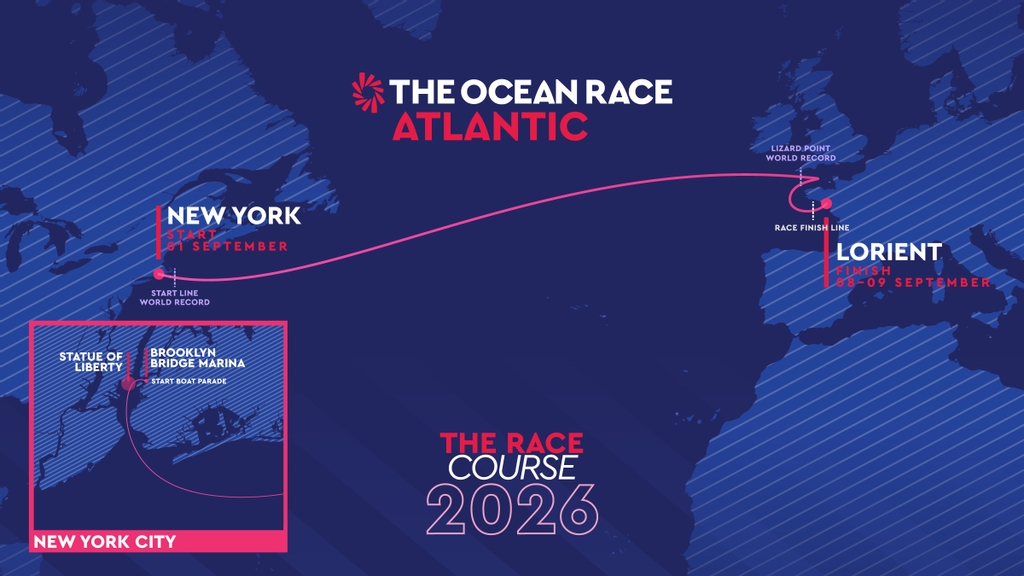
The Ocean Race Atlantic launches next week with a fresh formula that marks a significant shift for one of sailing’s most prestigious offshore competitions. Six teams will depart New York City on 1 September for the transatlantic crossing to Lorient, France, racing across some 3,000 nautical miles in what promises to be a high-speed sprint rather than the traditional marathon format most sailors associate with The Ocean Race.
What sets this inaugural edition apart is the 50-50 gender requirement, which places two women and two men on each of the competing boats. Among the six teams racing are two fresh foiling IMOCAs making their debut, including DMG MORI and Team Malizia. The fleet also includes two New Zealand entries: MSIG Europe, alongside boats from France, Germany, Japan, Switzerland and the United States.
The North Atlantic in early September presents its own challenges. While crews capable of striking the right balance between speed and reliability could threaten the existing 24-hour distance record of 641 nautical miles, powerful weather systems are just as likely to keep them honest. For the two teams racing new boats, the variables multiply. Managing boat speed against navigation demands, weather strategy, crew fatigue and overall reliability becomes doubly critical when you’re breaking in a hull for the first time at this level.

Francesca Clapcich, skipper of the US-flagged 11th Hour Racing team and winner of the last around-the-world race, sees genuine potential for records. “I think we will see some high speeds and if we are lucky with the weather at the end of the summer, we could see a record-breaking transatlantic,” she said. The choice of New York as the departure point also carries weight. Clapcich noted that many of her team’s supporters are based there, making the start “pretty special” and giving fans a chance to experience offshore racing up close.
Paul Meilhat, who won The Ocean Race Europe last summer and now co-skippers the French entry United by the Ocean, emphasised what this race means to those competing. “This is a classic transatlantic route and a race where we have a chance to bring the story of what we experience on the ocean to life,” Meilhat said. The finish in Lorient holds particular significance for the French team. As the heart of the IMOCA community and home to many of these sailors, the arrival carries symbolic weight beyond just crossing a finish line.
Beyond pure racing, The Ocean Race Atlantic is framing this event around sustainability and ocean health. Teams are competing across various metrics as part of the Racing for the Ocean Teams Challenge, with 11th Hour Racing supporting initiatives focused on ocean science, literacy, and inclusivity. In both New York and Lorient, there will be Try Sailing events and ocean health programmes running alongside the competition.
For fans, coverage will be comprehensive. The OnBoard Live Show streams daily at specific times during the race, with each boat carrying an on-board reporter. The Race Tracker, built with PredictWind, offers live boat data and video links. Those in New York can watch Speed Runs on 28 and 29 August at Brooklyn Bridge Marina before the ceremonial start on 1 September in front of the Statue of Liberty. Lorient hosts an Ocean Live Park from 9 to 13 September with free entry, featuring sailor meet-and-greets, ocean health education and family entertainment.