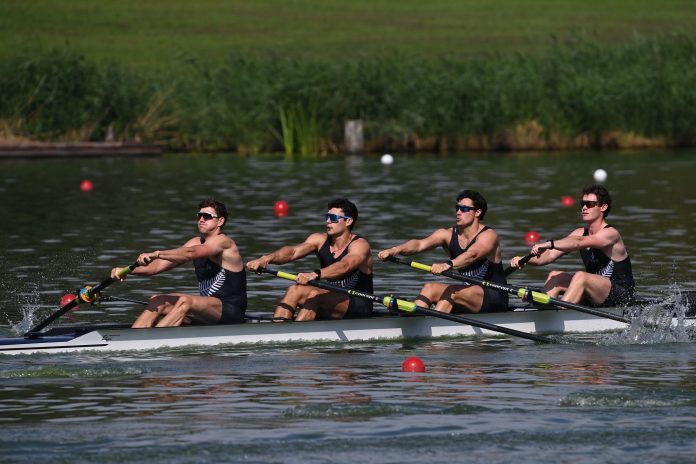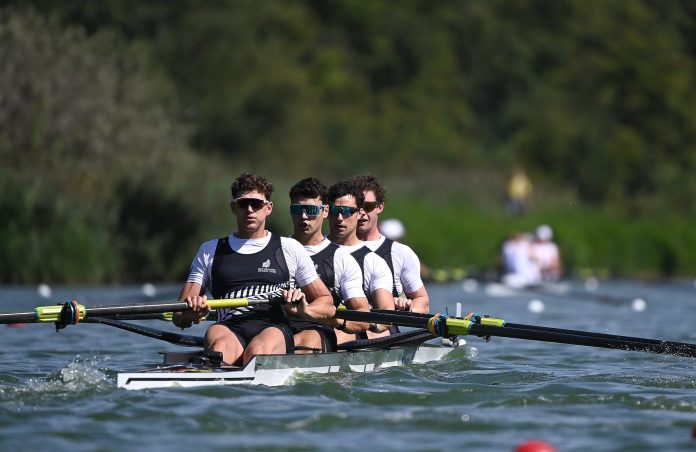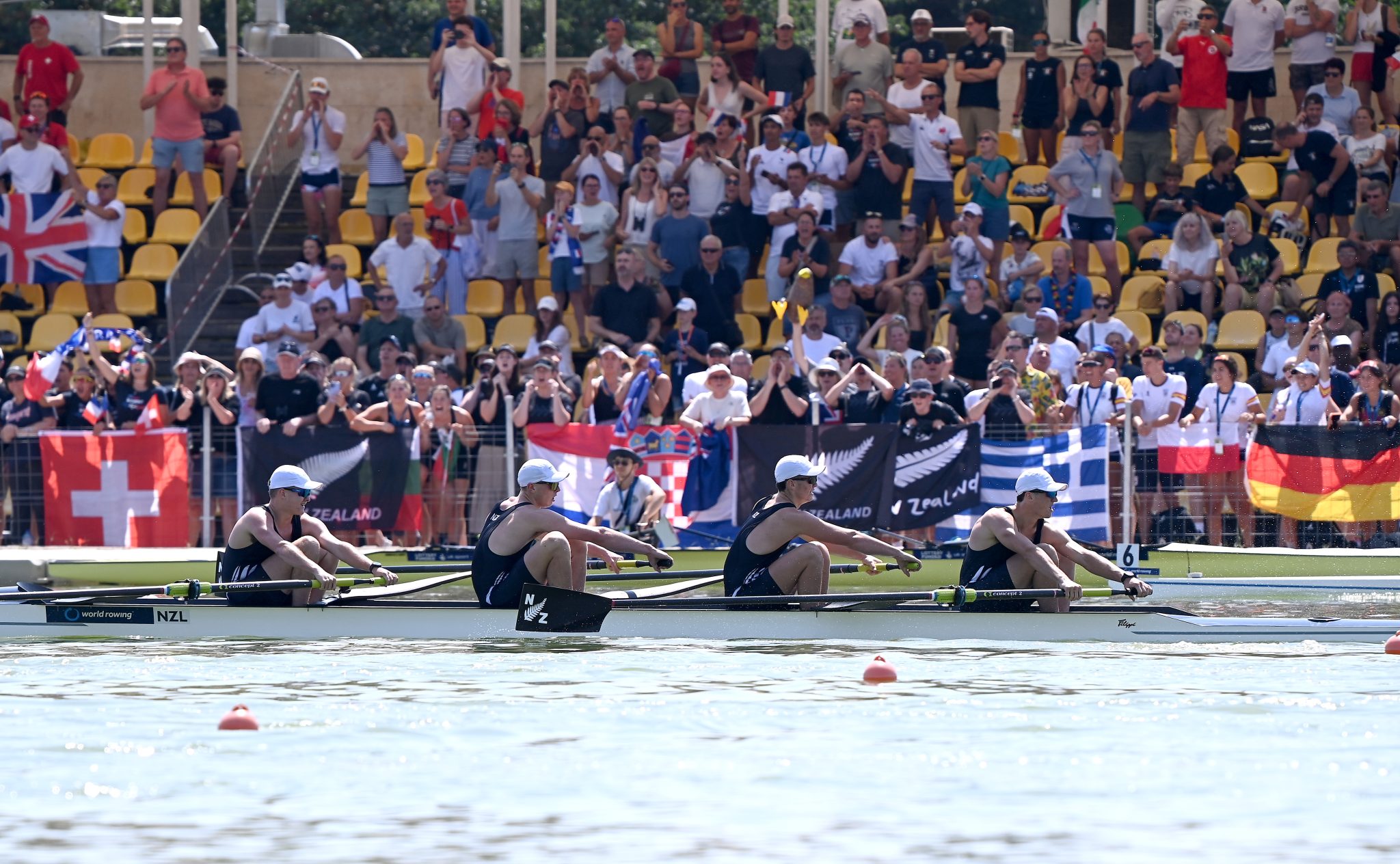
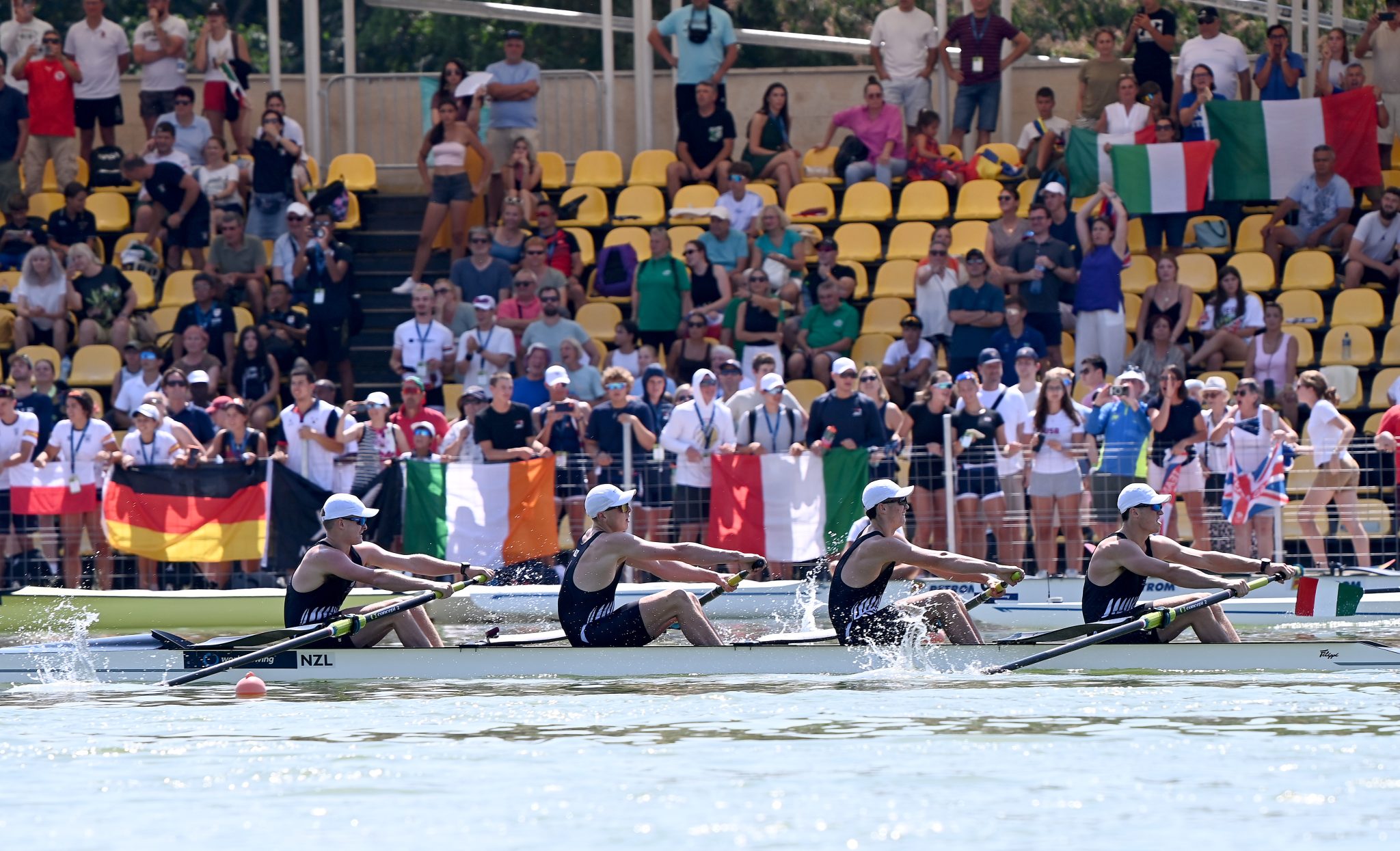
Four rowers from Westlake Boys High powered down the course in Plovdiv just 0.12 seconds behind Great Britain at the 500-metre mark, perfectly positioned for a medal. Spain had other plans. By 800 metres the Spanish crew had bolted into the lead, and though Charlie Field, Sam Bird, Alex Walters and George Langley fought hard through the remaining distance, they couldn’t match the pace required. They touched the line fifth in 6 minutes 7.54 seconds, unable to hold back France in the final quarter-kilometre.
It was a frustrating finish to the Men’s Four at the U19 World Rowing Championships in Bulgaria last week, yet coach Mark Clemo saw something worth celebrating. “They knew that a good performance for them, they were going to win it,” he says. “They’ll be super proud of making the A final and being in a position to be disappointed at the result.”
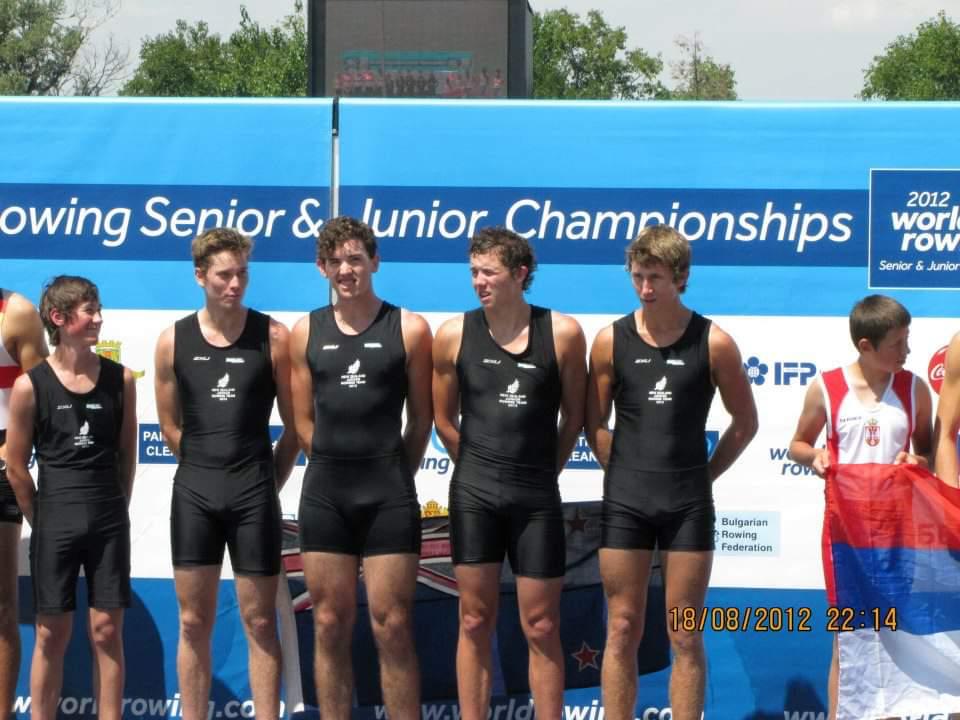
The regatta sits on a peculiar piece of New Zealand rowing history. Fourteen years ago, the same Bulgarian city hosted the U19 world championships. Back then, two Westlake boys raced in the Men’s Coxed Four: Cam Webster, who would go on to skipper an America’s Cup yacht, and Michael Brake, now an Olympic gold medallist. They won gold on the Plovdiv course.
Webster messaged George Langley before the 2026 final: “Get after it.” The continuity felt worth noting to a man who had lived through the intensity of junior racing at that level. “We were confident in who we were and how we conducted ourselves,” Webster reflects on his own experience. “Everything was going pretty well and then we’re off to juniors and it was like, ‘Yeah, this is sick.'”

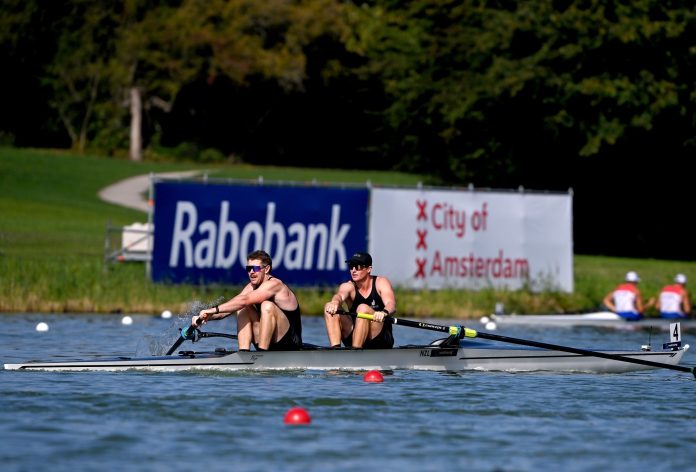
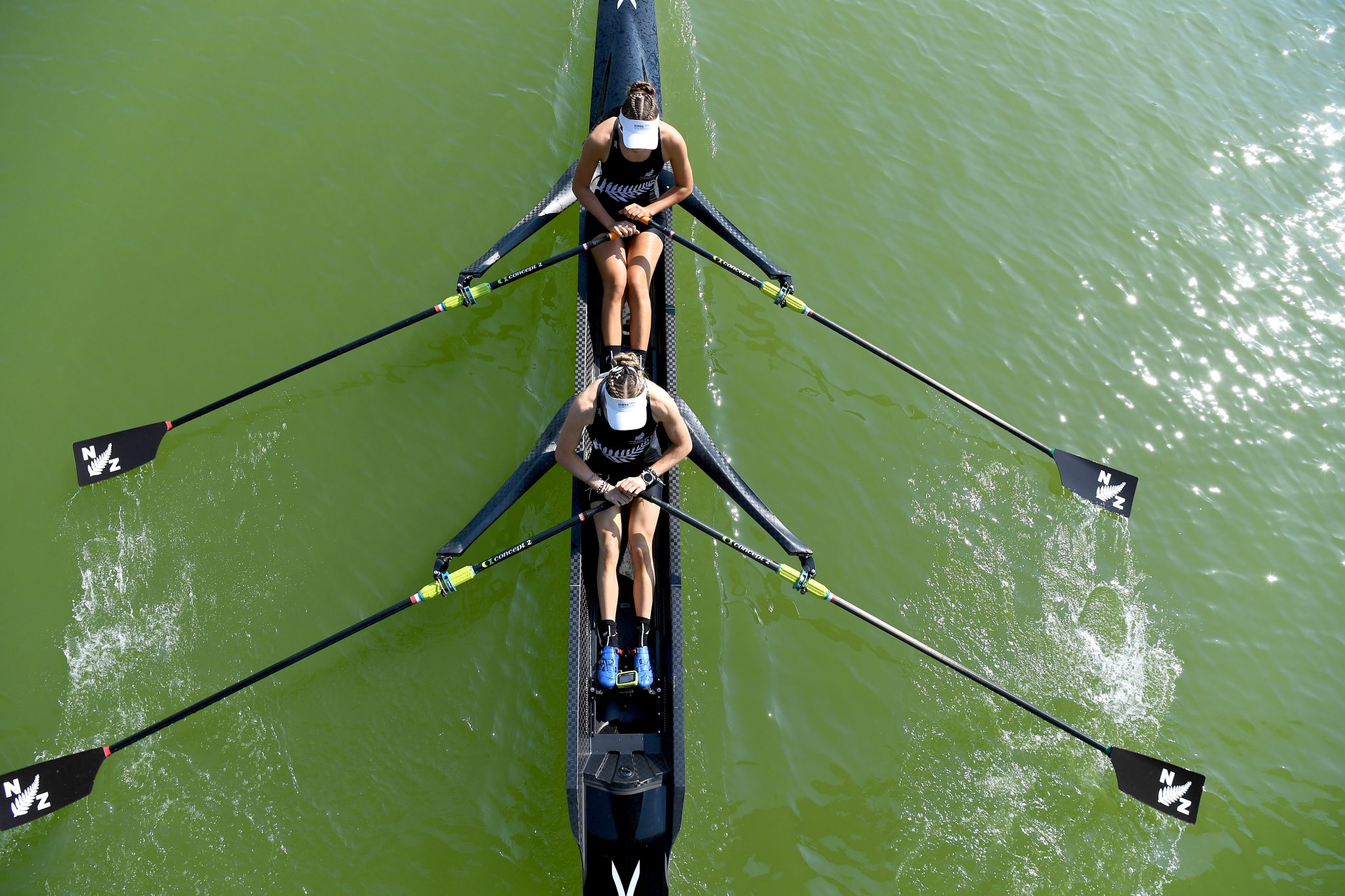
Elsewhere in Plovdiv, Eleri Clare and Zara Blackie earned a tighter result. The pair won their B Final in the Women’s Double Sculls, overpowering Lithuania at the 1000-metre mark and holding a more controlled rhythm to take victory in 7:17.51. Clare, a Cashmere High student, is in her second year in the U19 programme. Blackie, from St Cuthbert’s College, was a novice rower just last season.
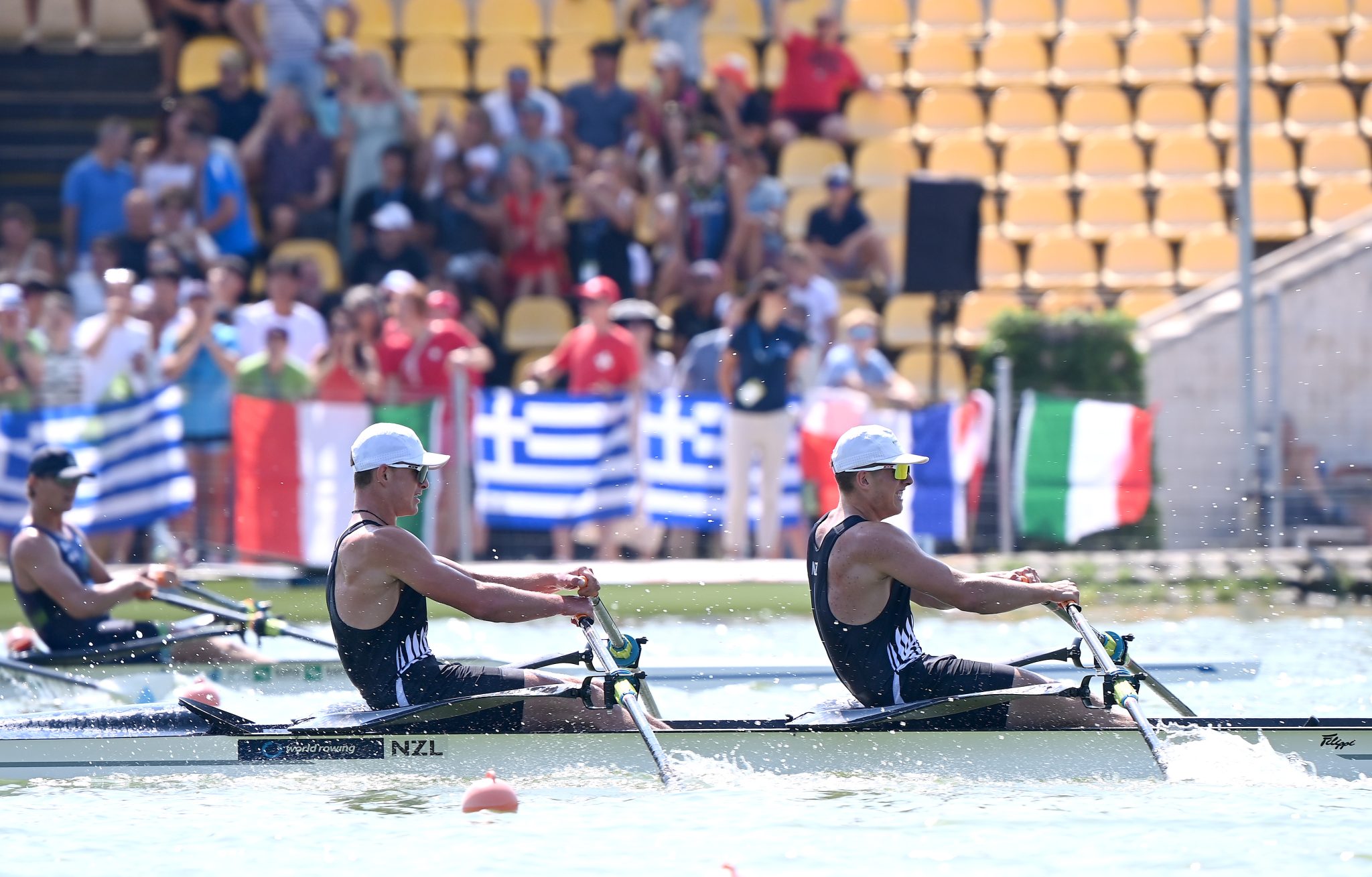
Charlie Manser and Aidan Bennett worked through four races across three days to reach the A Final of the Men’s Double Sculls, only to find themselves outgunned. With 31 entries, the field was the largest on the programme. Estonia won gold in 6:18.60; New Zealand crossed in 6:26.43, finishing sixth.
The 2012 cohort scattered in the years that followed. Some, like Webster and Brake, went deep into high-performance rowing. Others moved on entirely. Russell and Cameron Crampton, twins who raced in the Men’s Quad in 2012, eventually left the sport. Russell met Sophie Shingleton, a Villa Maria College rower who won bronze in the Women’s Four that year, at an RPC weekend at Twizel. They’re now engaged, living in Perth with their four-year-old son, Russell working in mining supervision and Sophie recently qualified as an accountant.
The lesson from Plovdiv, then, isn’t found in the medals. The lesson is that a U19 world championship is just one chapter in a far longer story, whether that story stays on the water or winds toward something else entirely.