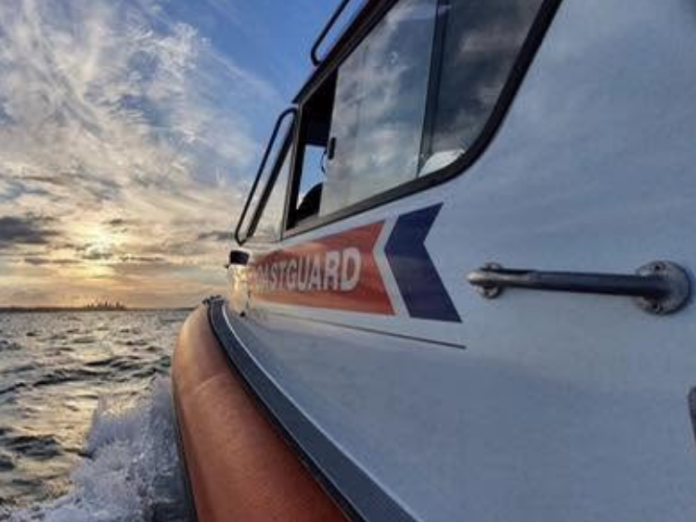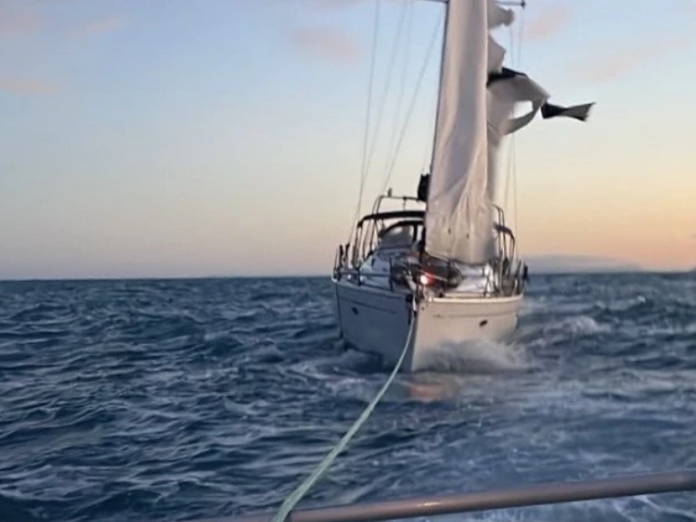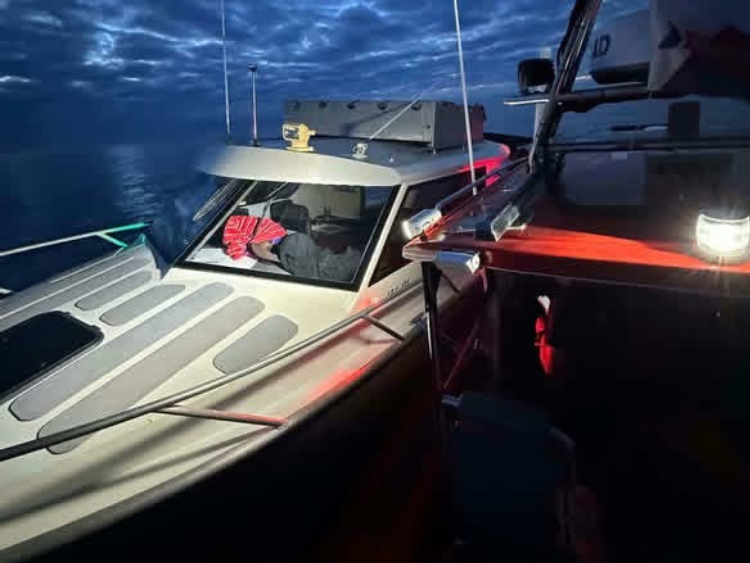
Six volunteers from the country’s northernmost Coastguard unit travelled more than 50 nautical miles to a trailer boat with fuel trouble between Cape Reinga and the Three Kings, then escorted it back to Rangiputa in the dark.
Coastguard Houhora’s crew got the call at about 6.30pm last Saturday. According to the unit, a trailer boat had developed fuel problems about 12 nautical miles offshore, in the open water between Cape Reinga and Manawatāwhi / Three Kings Islands, north-west of Cape Rēinga.
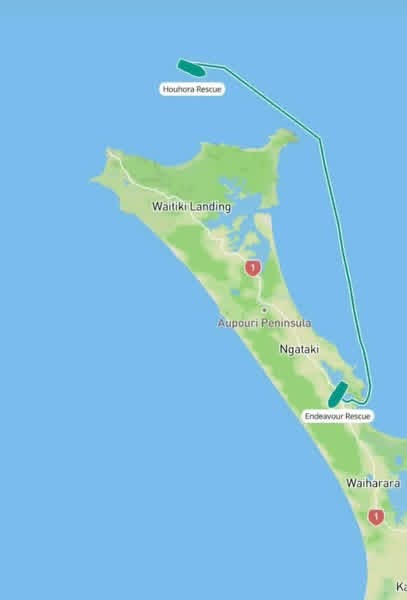
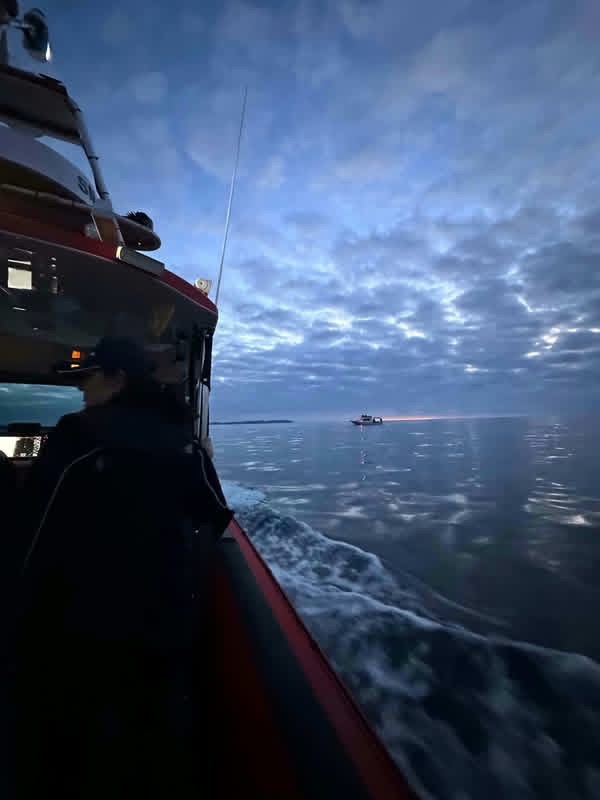
Six volunteers headed out. The unit later described it as one of its longer callouts, more than 50 nautical miles each way, and darkness had set in by the time they reached the boat. Four recreational fishers were aboard.
The weather was on their side. With the sea calm, the crew passed across fuel and helped get the engine running again. Instead of towing the boat the whole way home, they stayed with it as it made its own way back to Rangiputa, on the western shore of the Karikari Peninsula, keeping watch through the night. It was just on midnight when the volunteers finished up.

“It’s a big ask to head that far offshore, especially knowing you’ll be making the return trip in darkness,” the unit said, thanking the six for their commitment, teamwork and night navigation.
A long coast and a local crew
Coastguard Houhora has been part of Coastguard New Zealand since October 2012 and covers the coast from Cape Reinga to Knuckle Pointcovers the coast from Cape Reinga to Knuckle Point, at the entrance to Doubtless Bay. Its volunteers are all locals. In the early years the unit worked from volunteers’ own boats. Today it runs Houhora Rescue, a 10m Rayglass Protector that served as a chase boat at the 36th America’s Cup before being refitted for Coastguard.
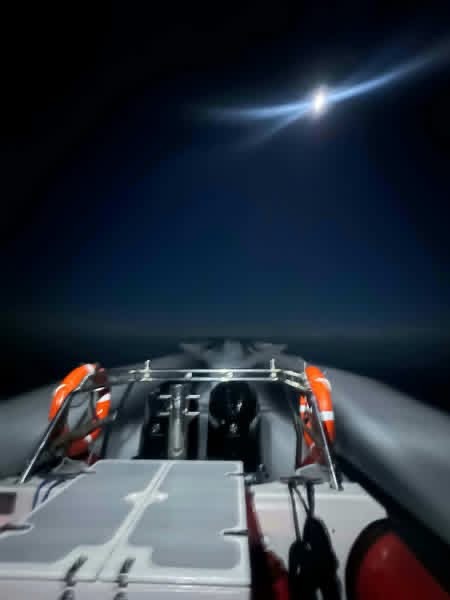
When the boat was handed over, the unit’s then training co-ordinator, Rupert Gates, said it would “increase our fuel endurance for the days when we need to stay out longer or go further afield”.
The unit has needed that reach before. In September 2024 its crew sought special dispensation to go beyond what was then their usual 12-nautical-mile operating limit and reach an 18-metre yacht 20 miles past North Cape. This June, under an exemption from Maritime NZ, they spent 10.3 hours at sea bringing in an international yacht whose steering had failed north of North Cape bringing in an international yacht whose steering had failed north of North Cape.

Fuel before the season starts
The unit closed its post with a reminder for summer: check your fuel before heading out, keep plenty in reserve, and make sure someone knows where you are going and when you expect to be back.
[Coastguard New Zealand puts around 6% of its callouts each year down to fuel problems](https://www.coastguard.nz/our-story/news-and-media/check-your-fuel-before-summer), and its rule of thumb is a third of your fuel to get there, a third to get back and a third in reserve. Its guidance gives petrol in a tank a shelf life of around three to four months, or up to a year with a stabiliser, and notes that diesel can suffer from “diesel bug”, a bacterial growth that clogs filters and fuel systems. Where fuel has gone stale over a winter lay-up, Coastguard recommends draining it before the first trip of the season. Boating NZ has also looked at [fuel planning and where to refuel around the coast](https://www.boatingnz.co.nz/2025/03/know-your-fuel-network/).
Coastguard asks boaties to log a trip report every time they go out. For non-urgent help on the water, call \*500 or 0800 BOATIE (0800 262 843). In an emergency, call 111 and ask for Police, or use VHF channel 16, [as Coastguard’s safety pages advise](https://www.coastguard.nz/boating-essentials/safety-on-the-water).