Sharjah’s Khalid Lagoon has hosted a lot of powerboat racing over the years, but next month’s Grand Prix carries a number that stops you in your tracks: twenty-five. When the world championship fleet lines up to close out the 2026 season, it will be the silver anniversary of F1H2O racing in the Emirate, a run stretching back to November 2000 and a very different sport.
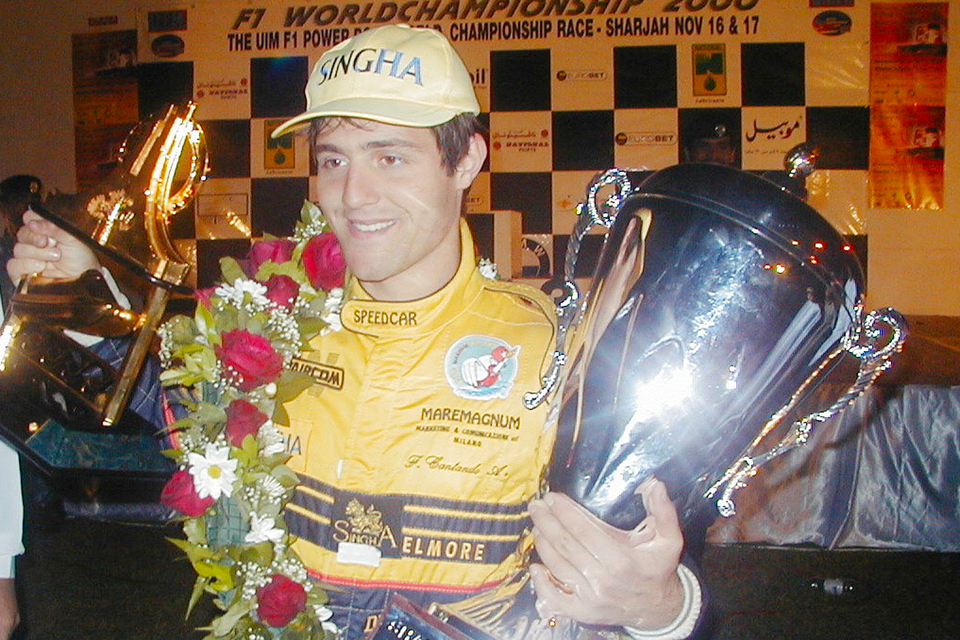
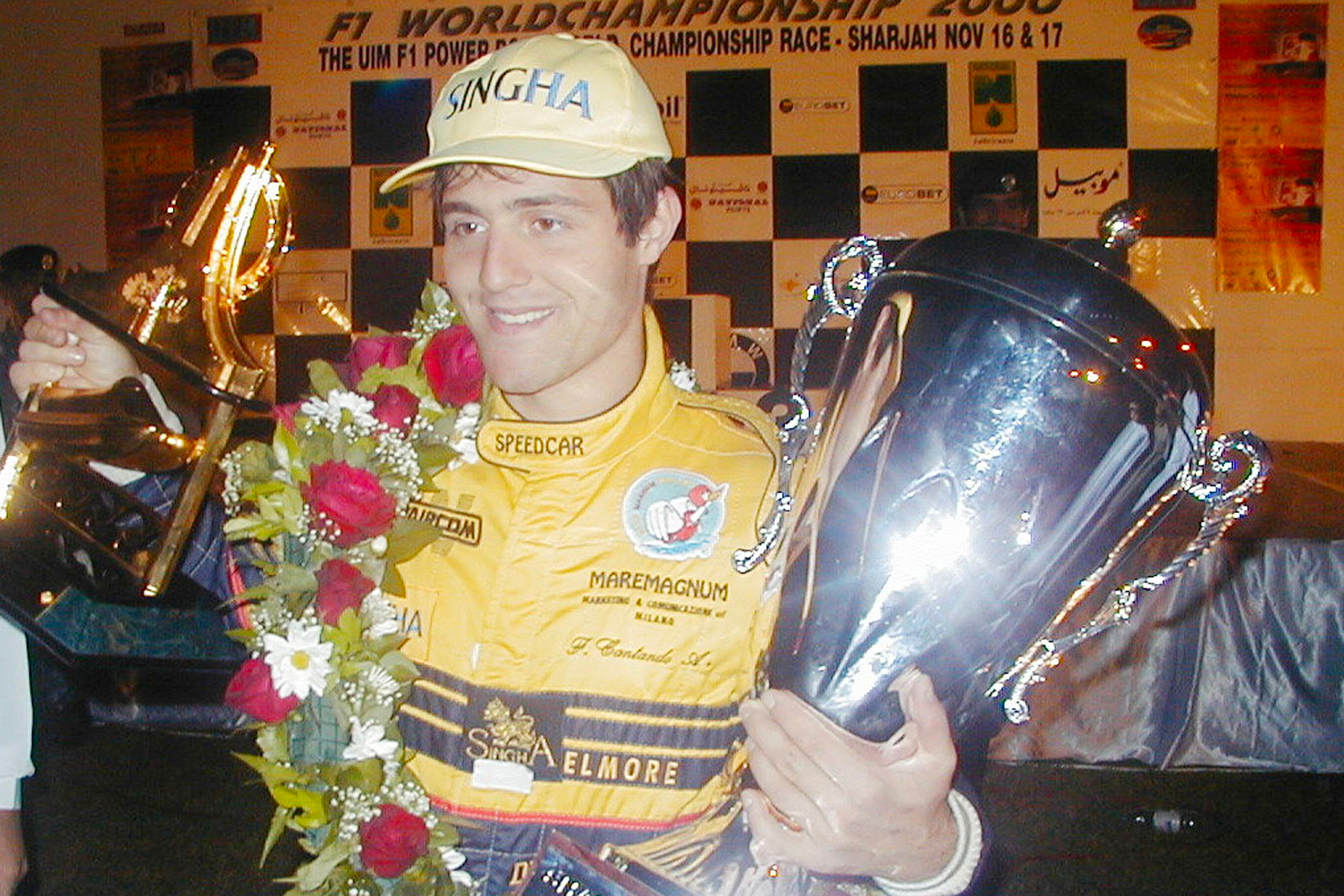
That first race arrived at a similarly tense point in the championship, the penultimate round of the season with the title still up for grabs. American Scott Gillman, who’d won the crown as a rookie in 1997, turned up in the thick of a fight that didn’t even include his fiercest rival, Guido Cappellini, who sat out the entry list that year. Italy’s Francesco Cantando took the win, his second of the season and part of the finest campaign of his career. Gillman finished second for fifteen points, with local hero Salem Al Khattal rounding out the podium on home water.
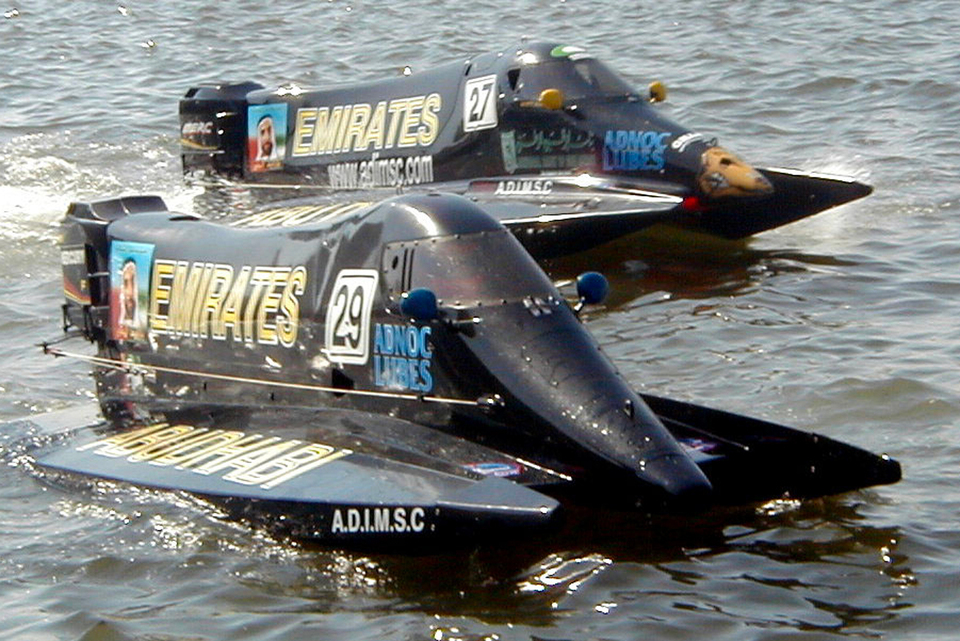
A week later in Abu Dhabi, Cantando won again, but a third-place finish was all Gillman needed. He sealed the title on 158 points, three clear of Cappellini and five ahead of Cantando. Looking back, that Sharjah result turns out to have been one of the hinges the whole season swung on.
One name from that 2000 entry list still shows up on grids today. Duarte Benavente, then a young Portuguese driver in just his second season, finished fifth in that first Sharjah race and sixth overall for the year. His maiden podium was still two seasons away, and he can hardly have pictured himself still racing more than a quarter-century later. Now in his twenty-seventh season, he’s the most experienced driver in the field. Only Sami Selio, who retired early from that first race, was also there at the start.

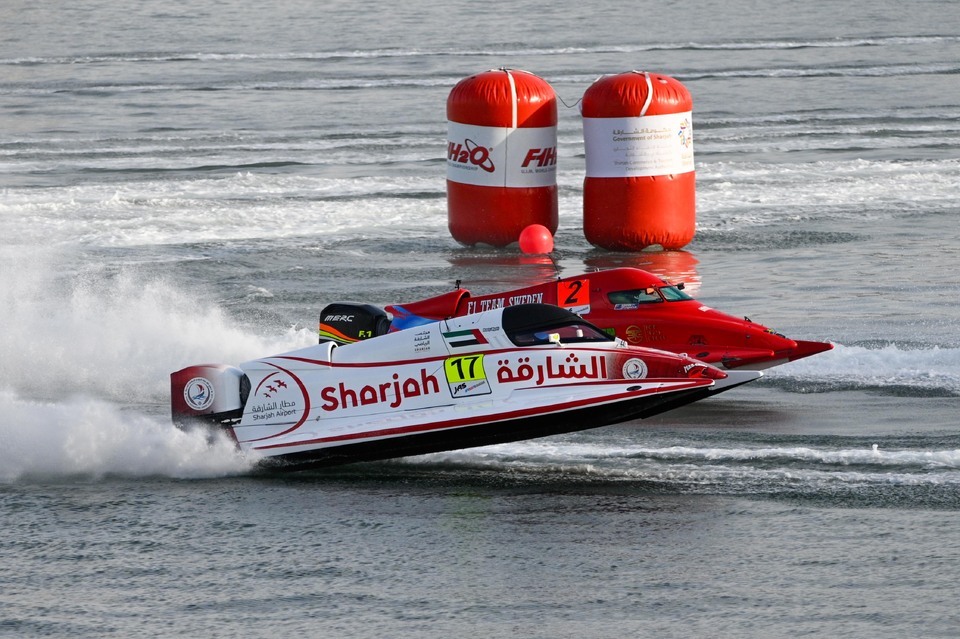
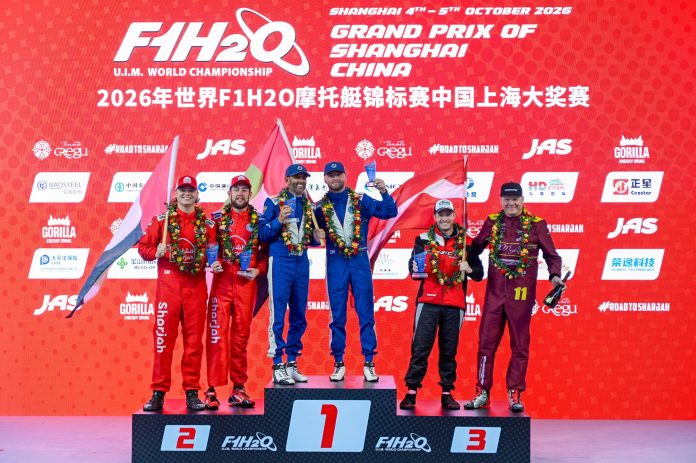
Gillman has gone full circle too. The man who finished second in 2000 now runs Sharjah Team as manager, overseeing Rusty Wyatt, Stefan Arand and Grant Trask. Arand grabbed his first Grand Prix win on home water last season in the finale, the same water where Shaun Torrente claimed his fourth world title in a finish that had everyone on their feet.
“The racing hasn’t lost any of its intensity,” said one longtime observer of the series, pointing to how often Sharjah has decided championships over the decades. Last season alone produced a different winner at every round, and the 2026 grid draws drivers from thirteen countries. Four-stroke engines now share the water with two-strokes, and the calendar has stretched into territory the sport’s early competitors could never have guessed at, Kyrgyzstan hosted its first Grand Prix this year.
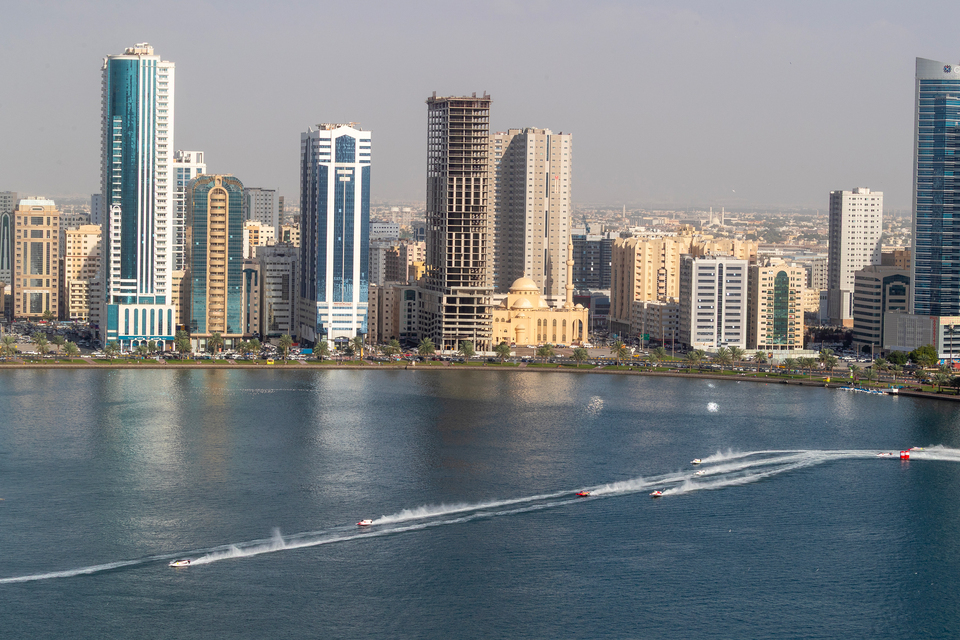
Sharjah has transformed just as dramatically. Photographs from that 2000 race show a waterfront almost unrecognisable today, before the towers and developments that now ring Khalid Lagoon and give the city its skyline. The racing itself, though, hasn’t lost its edge. Twenty-five years on, the lagoon still has a habit of deciding who gets to call themselves world champion.