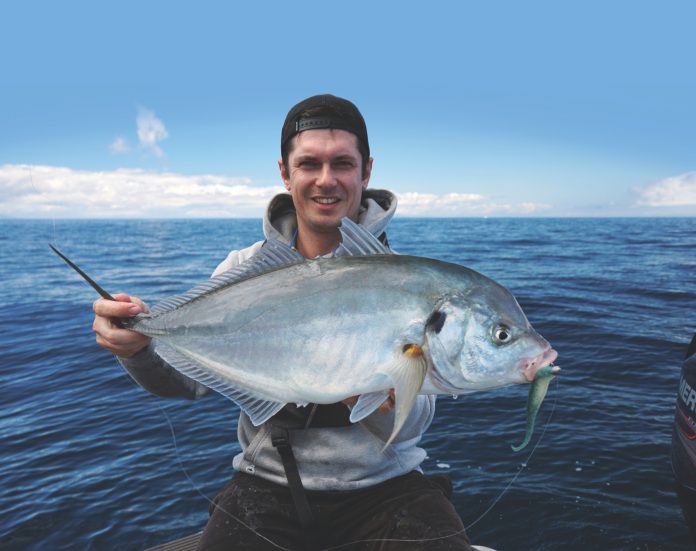
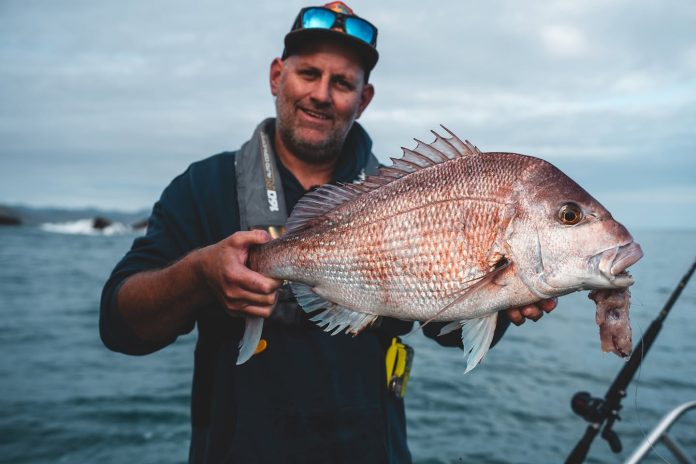
Once the exclusive preserve of those targetting larger gamefish, tagging is now being extended to New Zealand’s inshore species and everyday recreational anglers are being asked to help.
Kiwi fishing personalities and multiple IGFA world record holders, husband and wife team Scott and Sue Tindale, are behind a new fish tagging programme that is gaining momentum around New Zealand. They have the support of a range of organisations, sponsors and volunteers without whom the programme would not be possible.
The Tindales have a long history of fish tagging, having assisted in numerous research projects by leading fisheries scientists like Dr Clinton Duffy and others.
Tagging as a tool to track seasonal movements, preferred habitat and growth rates of marine species has been used successfully in over 100 countries around the world. Game-fishers in New Zealand are already familiar with tagging marlin, kingfish, tuna and sharks, but an angler-driven tagging programme for common inshore fish species is new.

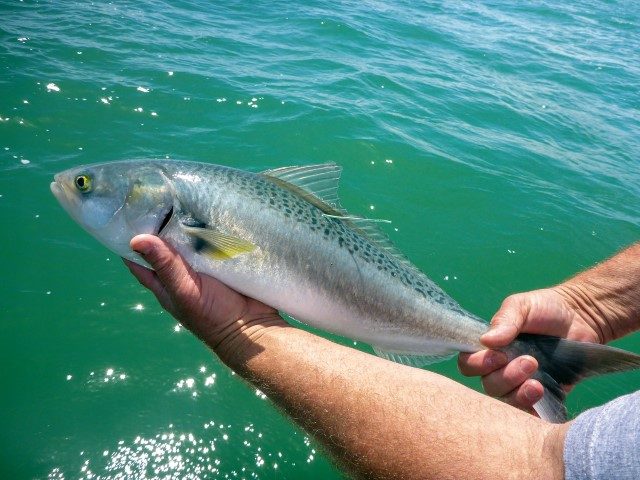
Apart from a long-running, highly-successful tagging programme for kingfish, the fish tagging studies conducted in New Zealand on inshore species such as snapper until now have all been at the behest of the commercial fishing industry. They have also been short term.
Now, through the Tindale Marine Research Charitable Trust, Scott and Sue are driving a citizen science fish tagging initiative that seeks to gather knowledge about the distribution, growth rates and migratory habits of New Zealand’s common inshore fish species. The hope is that tagged fish will be recaptured, re-measured and have their details recorded for a second time at a later date.
The recapture information can then be used to establish how far the fish has travelled since it was first tagged, how much it has grown (or not) and whether its overall condition has changed. It may also provide insights into the effects of water depth on the survival of tagged fish.
Going public
The Trust launched its citizen science tagging initiative last year after a successful pilot study targeting snapper, trevally, kahawai, gurnard and tarakihi. The pilot allowed the Tindales to fine-tune their tagging methodology and refine their data recording, while the successful recapture of fish from the study was the validation they needed.

The next step was to extend the scale of the tagging programme by recruiting ordinary recreational anglers to the cause. The Tindales are confident the data collected by this field research will be useful for scientists, students and educational institutes studying New Zealand’s marine species.
Successful launch
The programme kicked off at the beginning of last summer in an expanded form that includes all common inshore fish species. The results so far have been very encouraging, with numerous fish recaptures across a range of species.
Most of the tag returns have been for snapper, but other species are also turning up. The range of inshore species being tagged is also expanding – 23 so far – as more anglers around the country join the programme. Autumn tag returns have yet to be posted online, but they will be available on the website soon.
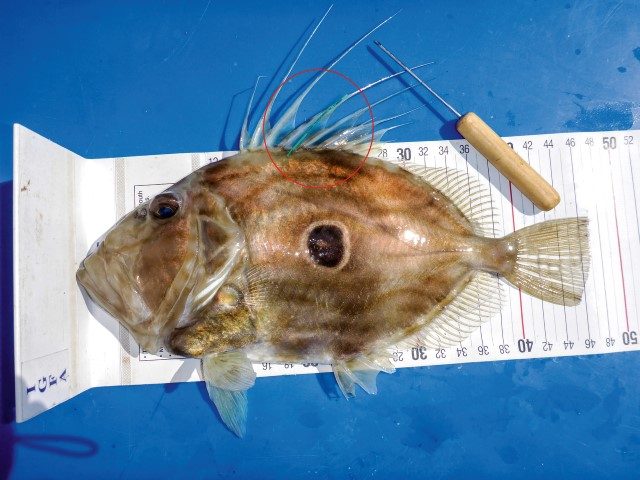
Fish are tagged with a small, non-invasive, serial-numbered metal or plastic dart, which is inserted into the flesh of the shoulder near the dorsal fin. The fish is then photographed and measured. The relevant details – length, GPS location where caught, water depth, angler details and tag number – are then recorded, before the fish is carefully released back into the water to carry on its normal life. Comments such as sea surface temperature or fish condition can also be added.
Tagging should be carried out quickly and methodically, keeping handling and the time a fish spends out of the water to a minimum, to reduce stress to the fish as much as possible.
Join the tag team
Over time, the Tindale Marine Research Charitable Trust hopes to build a dedicated team of trained, experienced anglers keen to tag fish. It is seeking more citizen scientists interested in learning where the fish they catch go and how big they grow. Tindale Marine Research Charitable Trust will supply a tagging kit comprising 10 numbered tags, a tag applicator, a measuring mat, catch recording sheets and tagging instructions neatly packaged in a zipped carry bag.
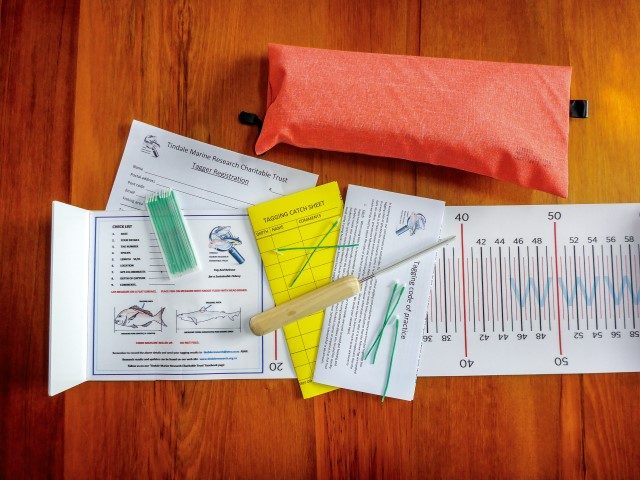
Tagging kits cost $39.50, or individual items can be purchased separately – see the website for details and order forms. Donations received go towards supplying replacement tags and keeping overall costs down. The trust has full donee status, so donations are tax deductible.
Look out for tagged fish
As with all research projects, it is imperative to collect accurate information. Fish recaptures must be reported. If you catch a tagged fish, please record and forward the following capture details to Tindale Marine Research: date; tag number; species; recapture location (GPS coordinates if possible); fork length and your details. See address details below. It is your choice if you wish to keep your catch or re-release it for another chance.

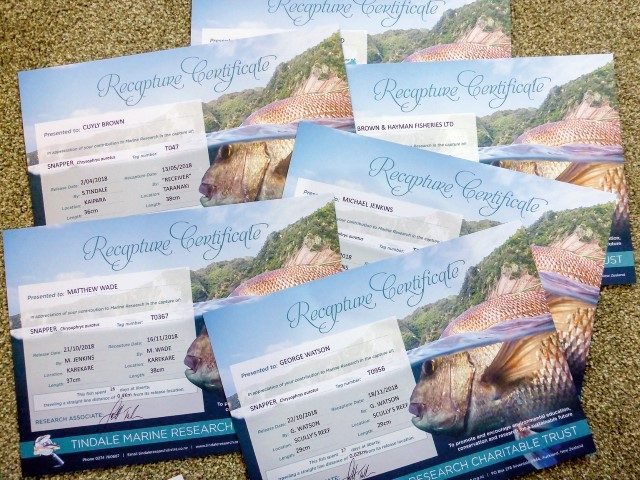
The Trust would also like any comments anglers wish to add and a photo or two if possible, for promotional use. Fish tag recovery forms are also available to download online and recapture certificates are issued to both anglers documenting the catch details.
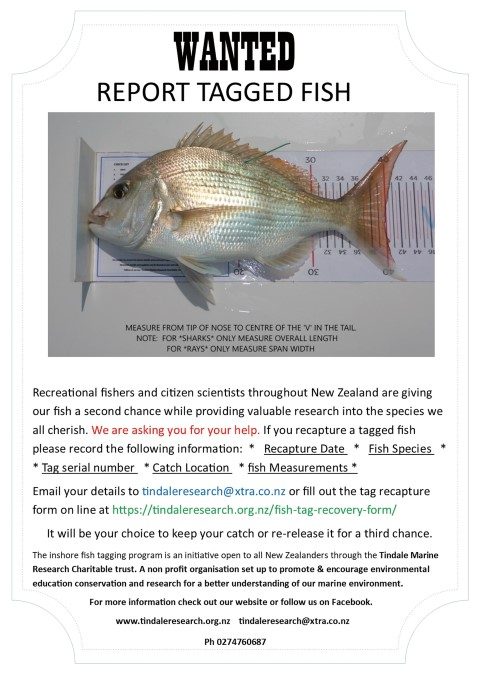
The members of the trust have included a few handy resources on the website for citizen scientists. There has already been plenty of interest in this research programme and the Tindales hope the number of New Zealanders getting involved will continue to grow. With more participants they can gather more data to better understand the dynamics of our inshore fisheries.
Regular tagging and return updates will be posted on the Tindale Marine Research Charitable Trust Facebook page and on the website’s science section.