From coffee ships to carbon foils
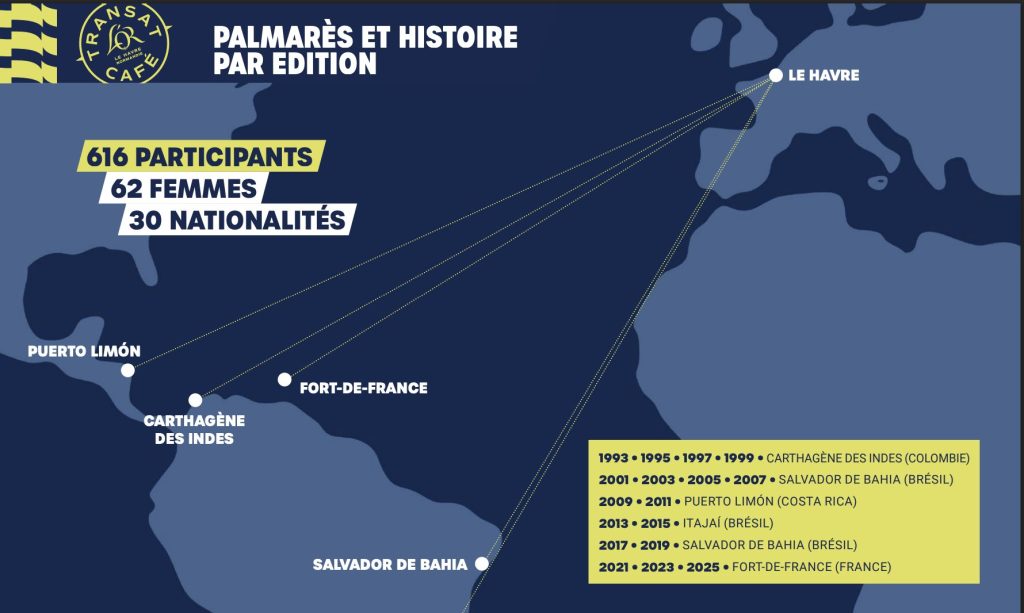
The Transat Café L’OR traces its spirit to the old Route du Café – the trade path linking France’s busiest port, Le Havre, to Martinique. In 1993, the race’s founders revived that link under the Transat Jacques Vabre name, honouring the storied French coffee brand. It quickly became one of the toughest double-handed ocean crossings on the calendar: 3,800 nautical miles of North Atlantic gales, doldrums, and tropical heat.
Thirty-two years later, the race still begins at Le Havre, but its identity has matured. When Café L’OR took the helm as title sponsor in 2023, the event was re-imagined for a new era, one defined by innovation, gender balance, and environmental purpose. The rebranding retained its flavour of endurance and human connection while amplifying its message of inclusivity and responsibility.
Fleet variety is central to the Transat Café L’OR
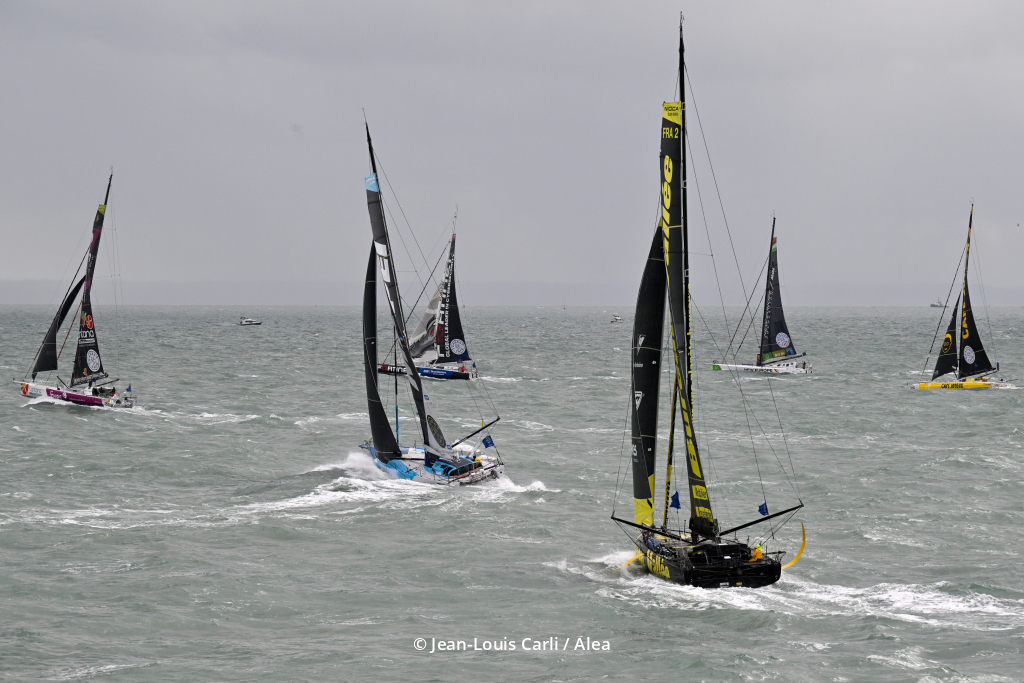
Few ocean races offer such a variety of boats. The 2025 fleet gathers:

- 4 ULTIM trimarans: 32 metre foiling giants capable of 40 knots.
- 10 Ocean Fifty multihulls: nimble 15 metre racers bridging offshore power and manageability.
- 18 IMOCA monohulls: Vendée Globe thoroughbreds.
- 42 Class 40s: affordable performance platforms encouraging new entrants.
Across these classes are 148 skippers from 18 countries, including seasoned legends and ambitious newcomers. It remains the only transatlantic race allowing such a spectrum of technology and budget to compete under one start banner. Each division sails its own course with its own start time, yet all share the same destination: Fort-de-France, Martinique, a symbolic finish linking Europe’s industrial heart to its Caribbean coffee port.
Purpose beyond the Transat Café L’OR race
The modern Transat Café L’OR carries the ethos “Prendre la mer – Agir pour la terre” or “Take to the sea, act for the planet”. Every edition features sustainability programs aligned with the UN Ocean Decade. The Ocean Experience educational village engages schoolchildren in marine science; the Blue Innovation Forum gathers researchers and sailors to discuss low-carbon solutions.
The Cap pour Elles initiative funds all-female duos in the Class 40 division, while adaptive-sailing projects have enabled disabled sailors to take part offshore. The organisers, backed by the City of Le Havre and the Normandy Region, see the event as a showcase of social progress as much as maritime prowess.
Transat Café L’OR legends, lessons, legacy
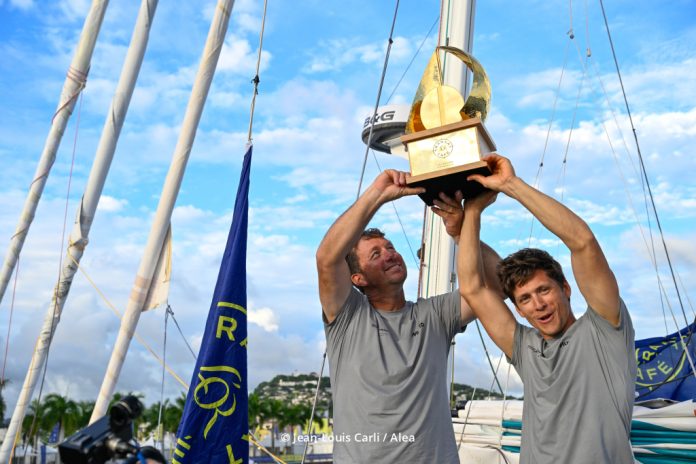
Past winners read like a who’s-who of ocean racing: Franck Cammas, Armel Le Cléac’h, François Gabart, Jean-Pierre Dick, and Thomas Ruyant. The race has been the springboard for Vendée Globe champions and IMOCA innovations alike; canting keels, composite foils, and real-time meteorological routing all gained ground here before spreading through the sport.

But its enduring charm lies not in technology alone. It’s in the shared philosophy of two-handed sailing: trust, discipline, and endurance. Every edition tells hundreds of intertwined stories: professional campaigns with satellite support alongside home-built dreams navigated by amateur pairs.

Transat Café L’OR 2025: a defining edition
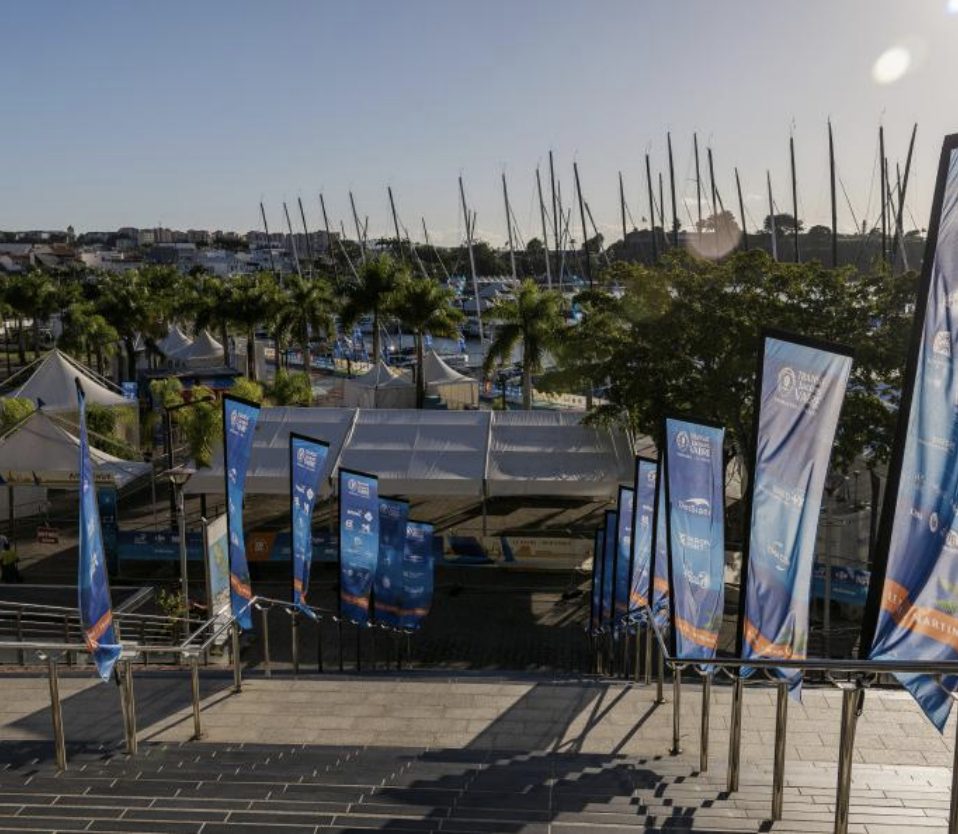
The 17th edition, starting 26 October 2025, sees the largest fleet in the Transat race history. From Le Havre’s bustling Basin Paul-Vatine, four start sequences launched the fleets toward the Atlantic. Over 500,000 spectators attended the ten-day race village, while millions followed online.
This year’s ambassadors, astronaut Claudie Haigneré and explorer Matthieu Tordeur, embody the event’s spirit of scientific exploration and human courage. Their message echoes through every hull crossing the Bay of Biscay: that bold ideas and open horizons can inspire real-world change.
Transat Café L’OR: more than a race
The Transat Café L’OR 2025 reminds us why ocean racing still matters. It connects continents, generations, and ideals through a single act – setting sail. Whether you’re following the ULTIMs slicing through the doldrums, the IMOCAs testing human limits, or the Class 40s forging friendships at sea, the story remains one of perseverance and partnership.
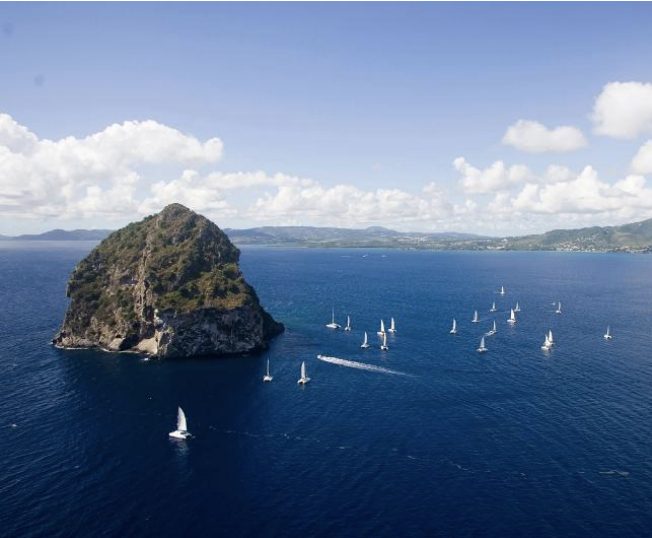
From coffee cargoes to carbon composites, this “Route du Café” has never lost its aroma of adventure.