Summer crowds remain on the water, but rapidly changing coastal weather demands constant awareness and solid preparation.
Although many people are now heading back to work after the Christmas and New Year break, summer on the water is far from over. Across New Zealand, boaties are still making the most of long days for fishing, cruising, and coastal exploring. In many places the queue at the local jetty still resembles an Auckland motorway at peak hour. That bustle is a good thing. For coastal towns, summer boating brings visitors, activity, and a welcome economic lift.
Coastguard Bluff assists three men stranded on island near Bluff
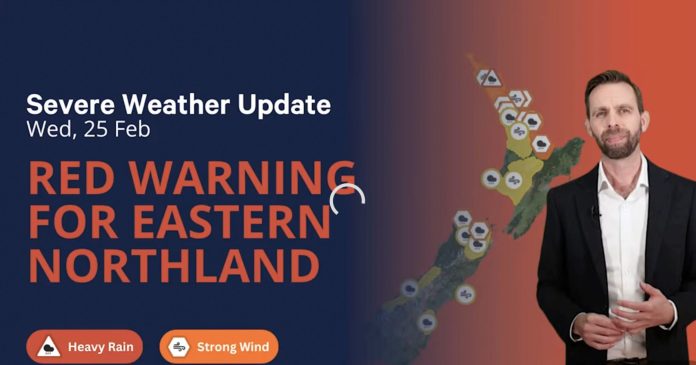
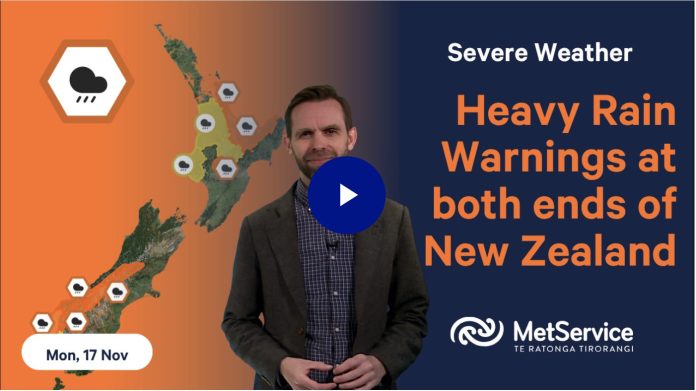
The coastal weather forecast deserves close attention. While the week may begin settled in many areas, forecasts point to fronts and low pressure systems moving across the country as the week unfolds. That shift can bring sudden wind changes, building swell, and a sharp drop in comfort levels on the water. Even during hot, settled spells, local effects can override the wider forecast, particularly along exposed coastlines.
Following our recent article on a nine-party kayaker rescue by Coastguard Kaikōura, one of our readers, Gareth Bailey, highlighted just how quickly conditions can turn in that area:
“I have only been boating in Kaikōura for a few days. In that time, I saw it go from a 5 knot forecast to 25 knots and 1.5 metres of chop in minutes during mid summer. Anyone can get caught here. Great job Coastguard.”
Coastguard Kaikōura rescues nine kayakers as conditions deteriorate
That experience will sound familiar to many boaties. Further north, it is not unusual to see light winds at breakfast, a fresh seabreeze by lunch, and squally conditions by evening, all within the same 24 hour window. Geography, sea temperature, and local wind effects can combine to create conditions that look nothing like the forecast you checked the night before.

Here’s some data from last week that Coastguard New Zealand exclusively shared with us:
- Calls for assistance: The week December 29 and January 4 saw 179 total calls for assistance; this was up 38.7% on the previous week. The majority of these came from the northern regions, Northland and Auckland.
- Responses: In January 2025, the New Zealand Coastguard responded to 488 calls for assistance. Fast forward to this year: in just the first four days of January 2026, they’ve already had 143 calls. If this pace continues, they’re on track for over 1,100 calls this month—more than double last year.
- Busiest day: New Zealand Coastguard’s busiest day of summer 2024/25 was 8 January 2025 with 42 calls for assistance. On 3 January 2026 this number was already exceeded with 55 calls for assistance.
- Trip reports: Trip reports recorded by region in the week of December 29 through to January 4: Northern 5432, Eastern 3517, Central 628, Southern 343 for a total of 9,920 trip reports. Compared to the previous week, notably, trip reports increased 25.1% in the northern region and 104.5% in the central region.
Two experienced Lake Rotoiti boaties shared a stark warning after surviving a near fatal accident that unfolded in seconds. While helping tow a boat taking on water, their own boat was suddenly pulled under and with no time to grab and put on their lifejackets. They were left in the cold lake for over an hour with no lifejackets and only a seat cushion and bags keeping them afloat.
One of the boaties commented, “It happened in seconds. You won’t have time to think; you won’t have time to grab anything. The only thing that will save you is wearing a lifejacket. We’ve learned a lesson, and I have to say it was a lesson we were extremely lucky to survive.”
In many cases, there is no time to react when things go wrong. Wearing a lifejacket is often the only thing that will save you.
The message is clear for anyone heading offshore, whether in a large launch, a trailer boat, a tinny, or a kayak. Plan for sudden changes. Build margin into your day. Carry the right number of people, safety gear, wear your lifejackets, and ensure you have more than one way to communicate back to land if things turn against you. New Zealand’s coastal waters reward preparation, but they punish complacency.
“Accidents can happen even when you’ve got the right gear and done the right planning. By always wearing a lifejacket, carrying two forms of waterproof communication, and making a trip report—especially when crossing a bar—you give our volunteers the best chance to reach you quickly and bring you home safely,” Coastguard CEO Carl McOnie said.
Stay safe out there!