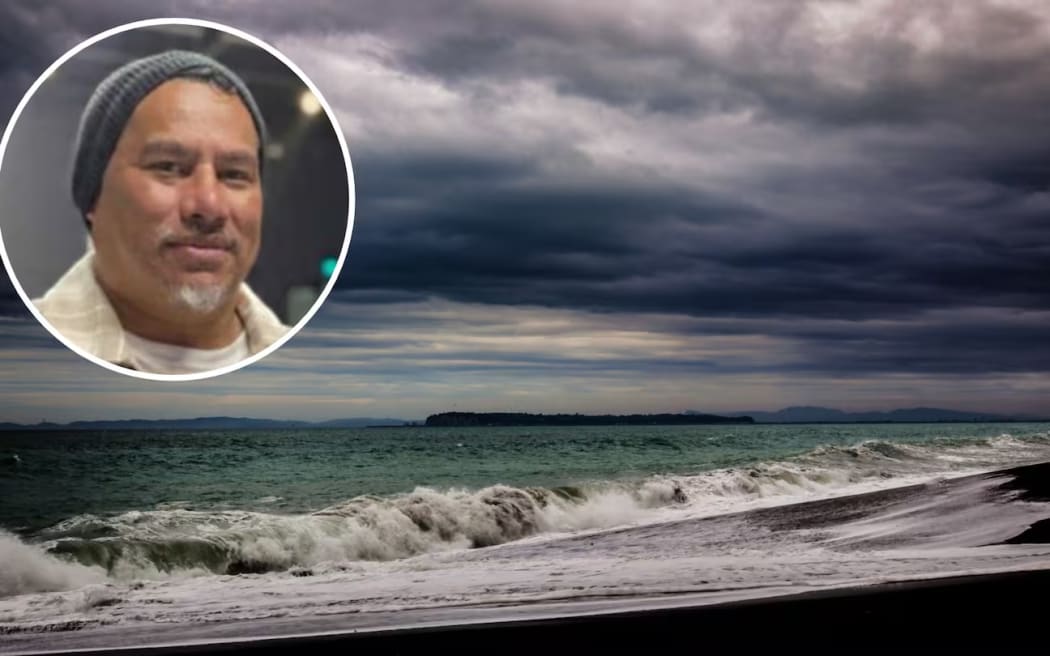
But the 47-year-old father-of-three couldn’t be revived.
Now a coroner is warning middle-aged people who go diving to get themselves checked out by a doctor first.
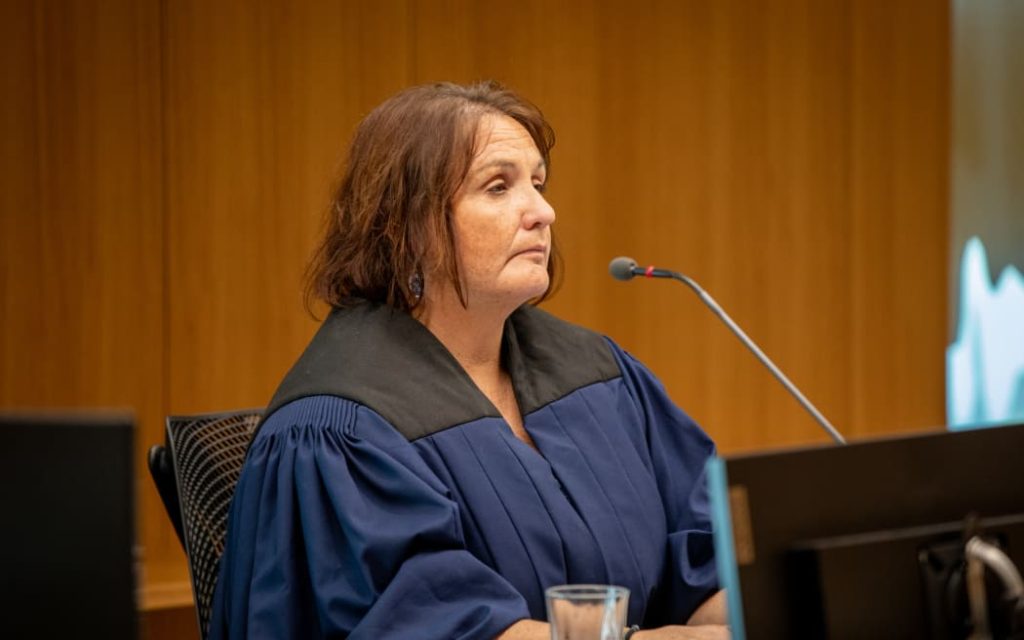
“Recreational divers should continually ensure they are medically fit to dive,” Coroner Rachael Schmidt-McCleave said today.
“[They] should seek specific medical advice when there are any changes in their health, when they change medications, when they turn 45 years of age and at least every five years thereafter.”

Coroner Schmidt-McCleave made her comments in her findings into Sagote’s death while he was free-diving at a Napier beach in December.
She said Sagote, also known as Jack Lemalu, drowned but he had underlying cardiovascular disease, which contributed to his death.
In her findings, the coroner quoted Rob Hewitt, the kaihautū Māori of Water Safety New Zealand, who said: “[The] fact is, Māori men, Pasifika men, men of all shapes and sizes – when we get to a certain age, we can be defensive and overconfident about our ability in the water”.
Struggling in the water

Sagote, a port worker and father of three who lived in Hastings, went free-diving for mussels with friends at Bay View, north of Napier, on 22 December, 2025.
He was wearing goggles, a snorkel, flippers and a wetsuit and, while he knew how to swim, had not dived much.
One of his friends said he appeared a little worried, possibly because he wasn’t that experienced at free diving.
Soon after his friends saw him struggling in the water and pulled him to shore, but he became unconscious before they got there.
A friend started CPR and emergency services were called, but Sagote could not be revived.
A post-mortem examination determined his cause of death to be drowning, with cardiovascular disease a contributing factor.

The coroner said Sagote’s doctor had never discussed diving with him, and Sagote had never undertaken a diving medical at the practice.
“What is clear from the evidence before me … is that Mr Sagote had underlying atherosclerotic and hypertensive cardiovascular disease; conditions which are certainly contraindicative to safe diving,” the coroner said.




“Diving exposes people to many effects, including immersion, cold, elevated breathing pressure, exercise and stress.
“The heart’s capacity to support an elevated blood output decreases with age and with disease, meaning diving of any sort (including free diving) is not recommended for people with underlying cardiovascular disease.”
Last year, the same coroner found that underlying heart disease was a factor in the diving death of Gideon Te Ahuru, 60, in Wellington.
In that case, a police dive squad report also found that Te Ahuru’s second-stage regulator on his diving equipment was faulty, his dive cylinder was out of testing date and it ran out of air.
The coroner extended her condolences to Sagote’s whānau and friends for “their sad loss”.
Published on rnz.co.nz. Written by , This story originally appeared in the New Zealand Herald.