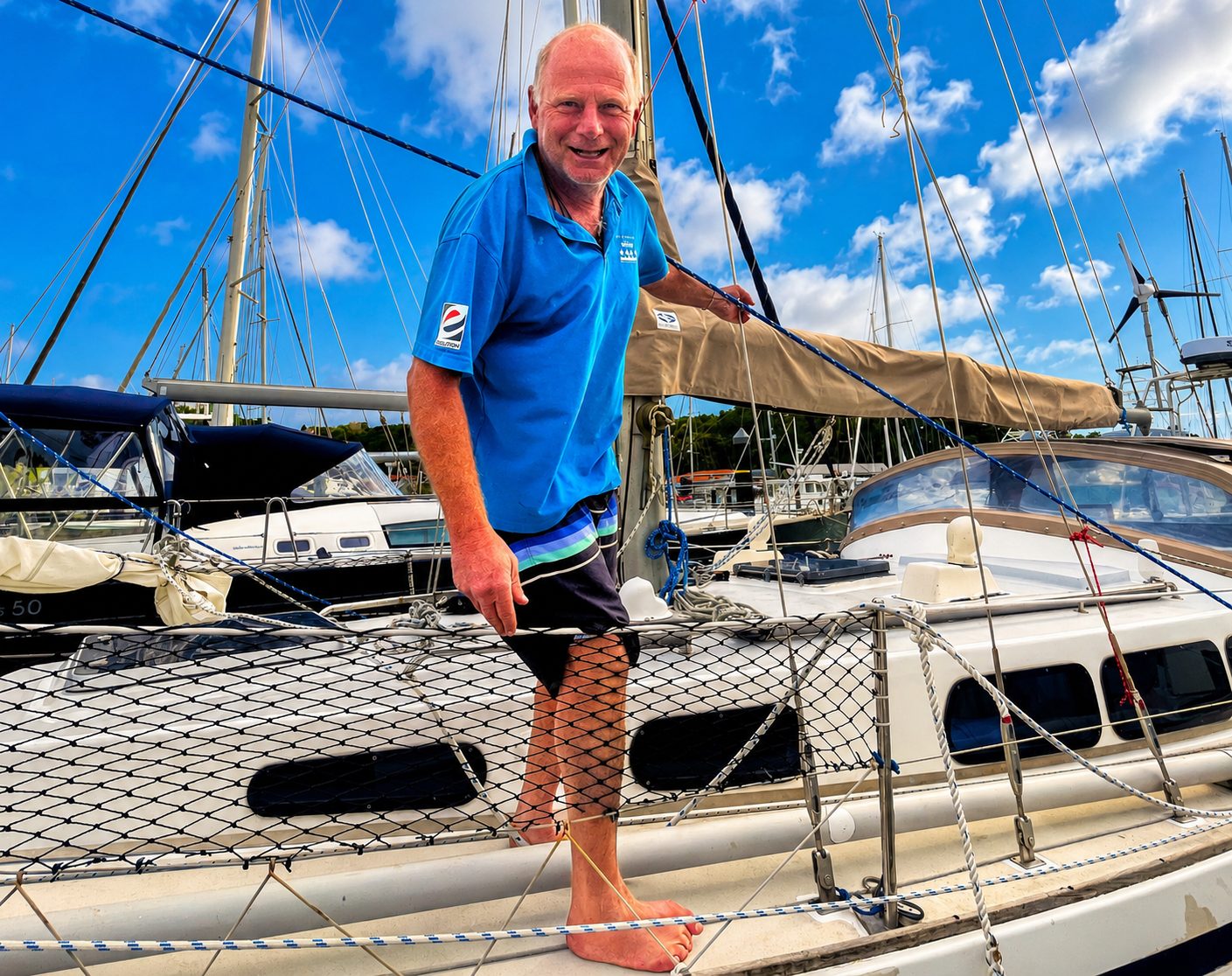
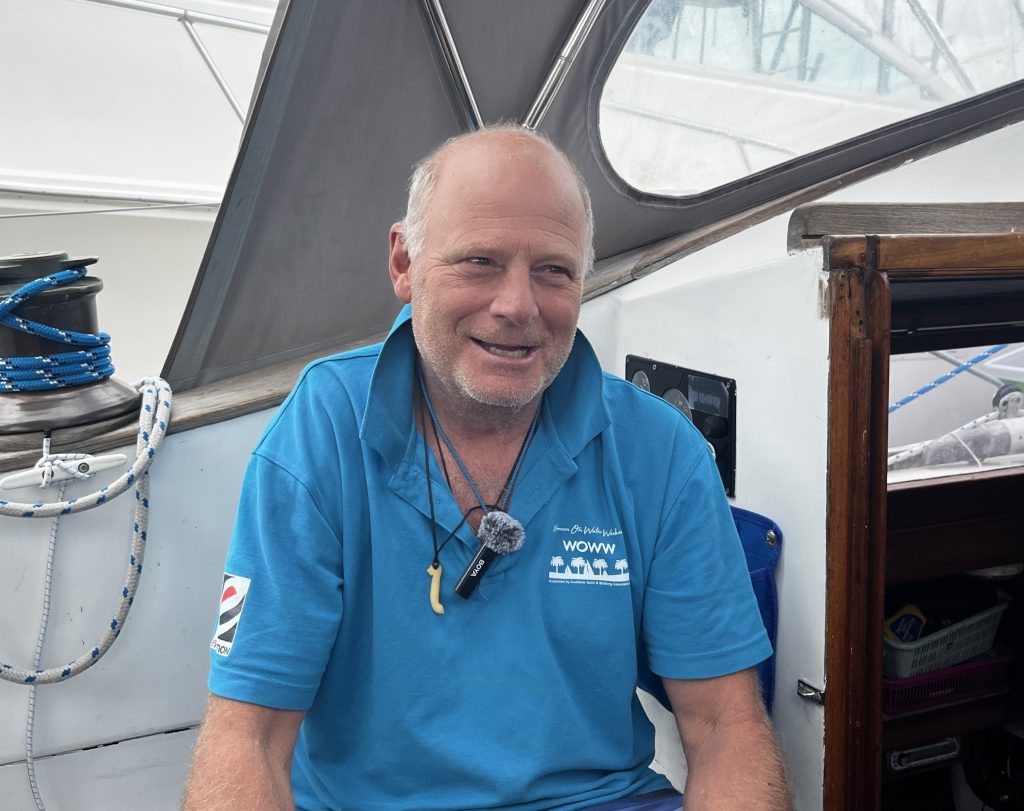
Twelve thousand offshore miles. A lifetime on the water. And not a single solo offshore passage to his name. Until now. That gap in the record says something about Doug Esterman, and it isn’t what you might think. For a man with his experience, the years that might have gone into solo racing went somewhere else instead — into 24 years of Women on Water in Tauranga, into Thursday night fleets of 150 sailors finding their sea legs often aboard his boat, into watching nervous first-timers grow into helmswomen who can goosewing in a breeze. He has a photograph of his daughter, six months old in a sling, on deck at a Women on Water event. She’s 23 now, and she can sail. The journey for Doug has always been about more than his own miles.
T
hat contradiction sits at the heart of Doug Esterman’s entry in the 2026 Solo Trans-Tasman Yacht Challenge, and he’s the first to acknowledge it. At 62, the Tauranga osteopath and lifelong sailor is honest about where he sits in the fleet.

And with it comes a sense of anticipation. It is now time to take on the challenge of his sailing life. A solo crossing of the Tasman.
A boat with a history
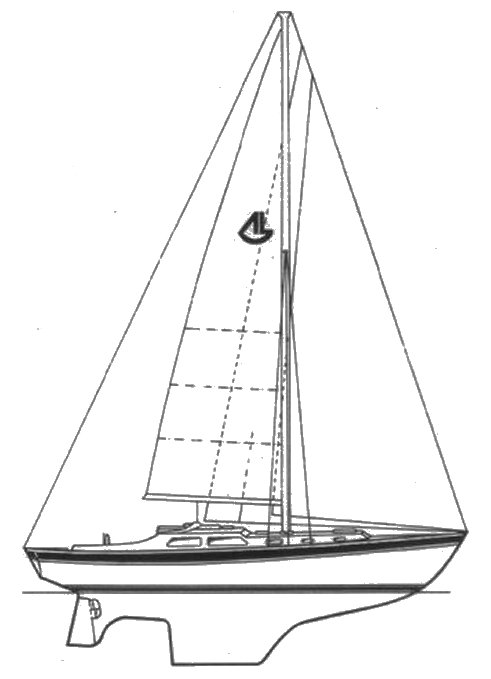
Doug’s mount for the challenge is Fair Seasons, an early 1970s Cavalier 39 designed by Bob Salthouse. She is as much a family heirloom as a racing yacht. Doug’s father bought her in Tauranga in April 1988, and that first delivery trip north to Auckland set the tone for everything that followed.




His father kept the boat until the end of his life, moored at the bottom of his section in Pauanui, a constant presence against the water. Doug has helmed her for fifteen years now, bought off the estate after his father passed, and the accumulated knowledge of the boat, her quirks, where things go wrong and why, is part of what makes her the right vessel for this passage.
The setup
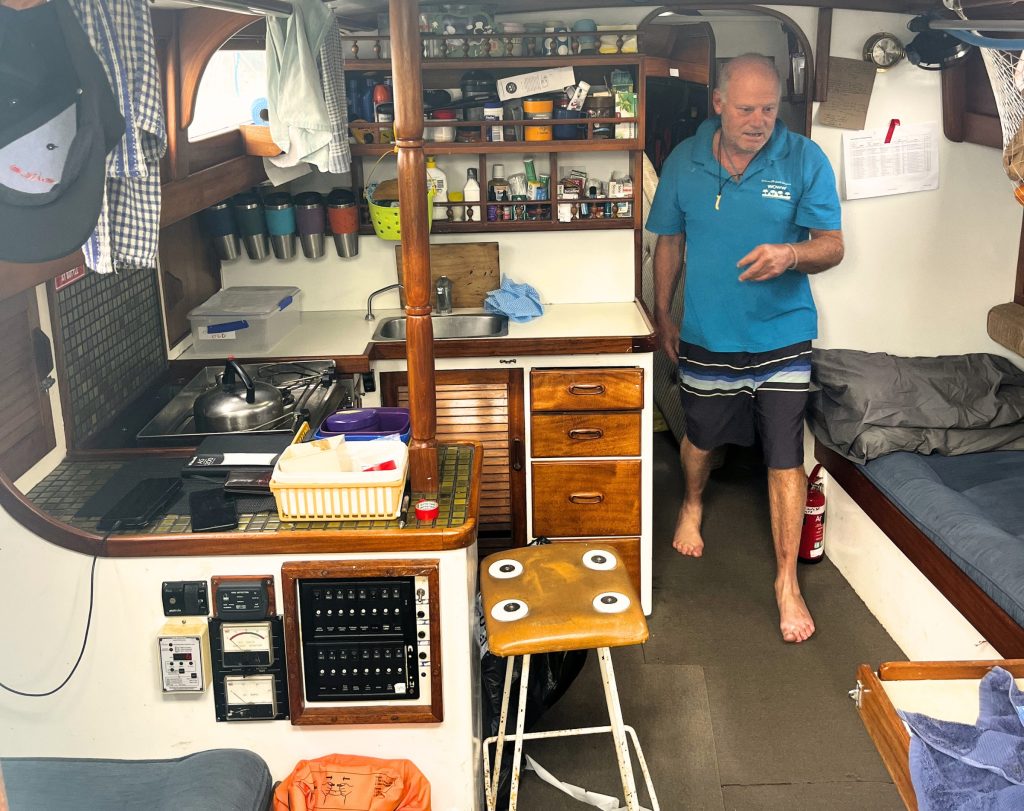
Fair Seasons is a centre-cockpit boat, three-quarter keel, with a motion that smooths out conditions lesser hulls would fight. The layout was thoughtful in ways that proved prophetic: the head is accessible without having to go deep below (important when sailing solo).
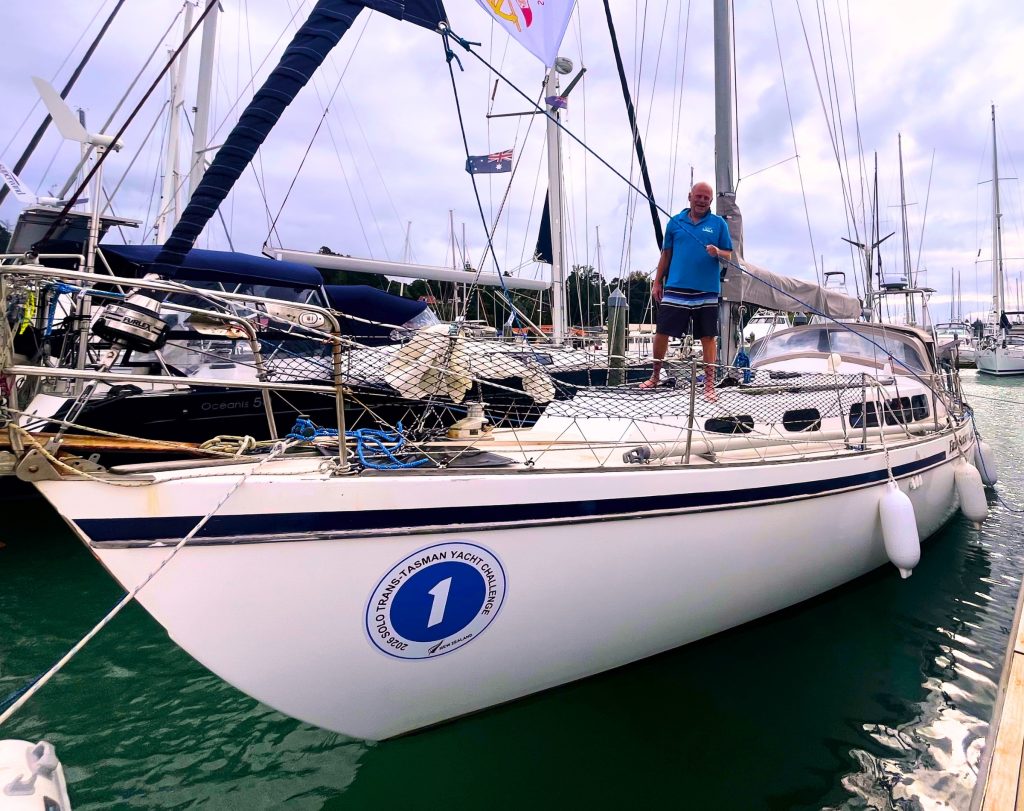
Doug is under no illusions about what solo sailing demands of both skipper and vessel. The cockpit of Fair Seasons has been configured so that most sail work can be done without leaving it. He’s extended the boom to allow full use of the dodger while handling sail, and the bimini and side panels close up to create what amounts to a weatherproof working station. When the Southern Ocean swell is stacking up and the spray is flying, Doug’s plan is to stay inside it as much as possible.
The sail plan has been simplified accordingly. He’s left the furling headsail at home. “It’s too hard to change by yourself,” he explains. Instead, a number one takes him upwind to around 25 knots, then a number three hanked to the staysail takes over from there. The boom furler, an early Leisurefurl, handles the main, and he speaks of it with the affection of a man who’s used it long enough to trust it completely. “I shook a reef out in 20 seconds,” he says. “It’s tidy. It’s easy to manage.”
Two autopilot systems are aboard, one on the wheel, a windpilot on the stern as a backup, after hearing what happened to fellow competitor Bob Wise during the New Plymouth to Malula Bar race, when Wise’s autopilot failed 24 hours out and he hand-steered the remaining 1,100 miles. “I’ve been going, I don’t think I could do that,” Doug says. “If my autopilot blew five days into it, then maybe. But one day from the start…” He shakes his head. “He’d built the boat himself. There was no way he wasn’t going to do it. That’s legendary.”
Looking for a Cavalier 39? See what’s currently on the market.
Find a Cavalier 39 on TradeABoat
Honest about the gaps
Ask Doug about experience and he answers honestly. He’s done Tonga, New Zealand to Fiji and back, coastal miles by the hundred. His first proper solo overnighter, though, came just a couple of months ago, a 500-mile solo loop, undertaken five weeks after a hip operation. He loved it. Two weeks later he went out again overnight and was seasick for 24 hours. Admitting it’s not much fun to be seasick, he does take solace in that he managed to read below in rough conditions on his last passage, which for him is something of a breakthrough.
He calls the Solo Trans-Tasman a challenge rather than a race and means it. “Fair Seasons is not a racing boat, but it’s comfortable. It’s a bit slow.” He’s clear that she isn’t going to be troubling the front of the fleet, and equally clear that he doesn’t need her to be. “You can be canvassed up fully and you’ll do seven and a half, or you can reef right down, and you’ll do 7.49.”
What comes after
Doug has no fixed plan for what happens once he reaches the Gold Coast. No deadline, no flight home booked. He’s wound down his osteopathy practice for the year, and the months ahead are deliberately open. There’s a possible drift north toward Vanuatu, maybe eventually Fiji, where he’s previously volunteered doing osteopathy work in island communities, turning up in villages where access to manual therapy is essentially non-existent. He got so far last time that he spent his time in the customs office training officials instead of making it to the villages. He’s hoping this time, if everything falls into place, that he’ll go further.
For now, though, the focus is the Tasman. Race Number 1, hull number 3242, 11.9 metres of Salthouse craftsmanship, and a skipper who has spent a lifetime sailing and is about to do something genuinely new.
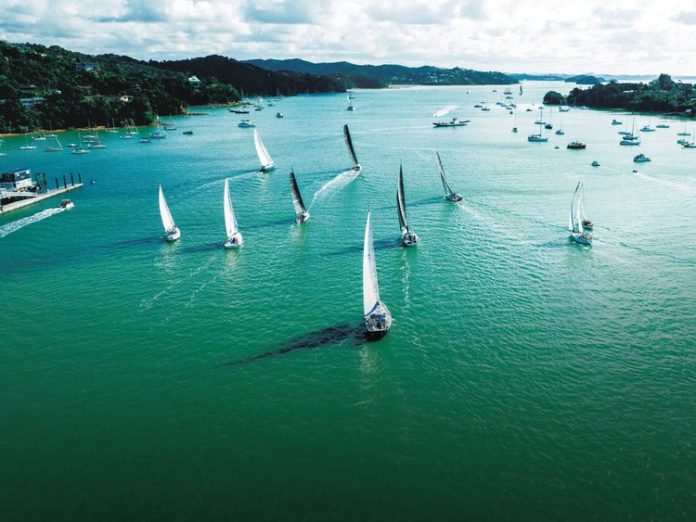
This Saturday at 12noon, that journey begins.
Race Start — Saturday 30 May (12:00pm)
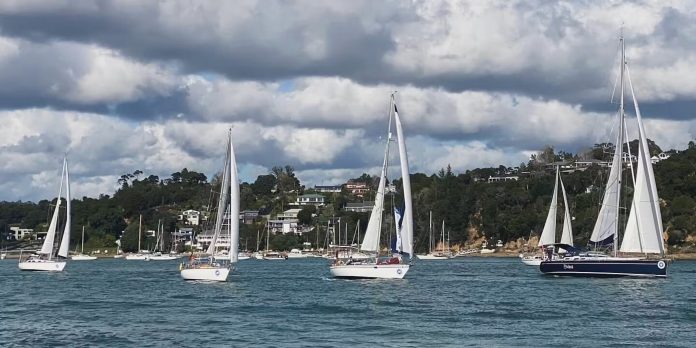
Join the crowd and give the fleet a send-off they will never forget! The best vantage points are Opua Wharf or the Opua Cruising Club.
.