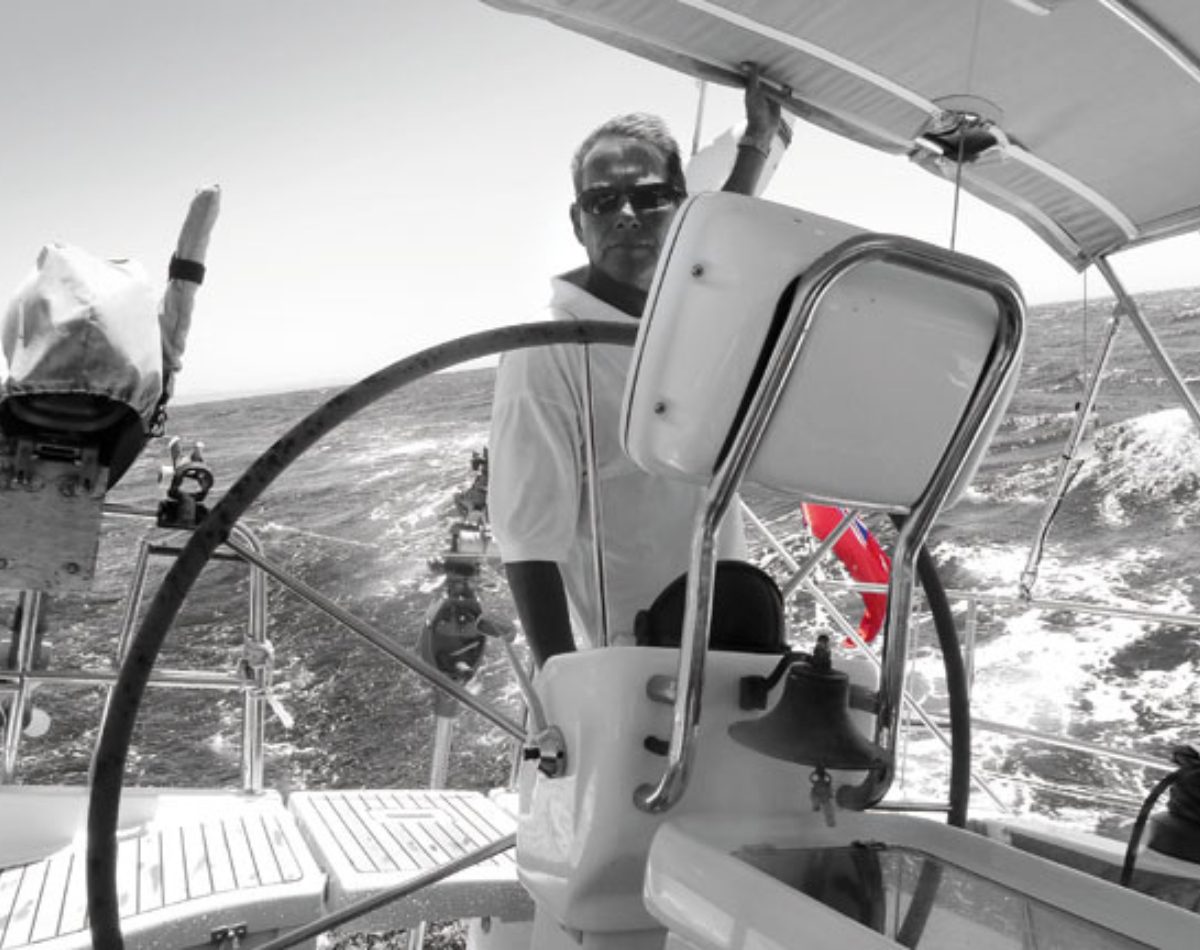
In early 2013, boating journalist Steve Raea returned to Mexico’s west coast to rejoin a yacht he had purchased the previous year and prepare for another Pacific crossing. More than a decade later, his account provides a fascinating snapshot of offshore cruising before Starlink, before widespread weather-routing apps, and at a time when self-reliance remained one of the most important tools aboard any ocean-going yacht.
Originally published in 2013 and written by Steve Raea.
What follows is an adapted version of Raea’s original account, rewritten in the third person while preserving the experiences, observations and circumstances as they occurred at the time.

Déjà Vu in Mexico
For Steve Raea, sitting aboard a yacht in Mazatlán Marina on Mexico’s Pacific coast brought an overwhelming sense of déjà vu.
Five years earlier, he had found himself in almost identical circumstances. Having purchased a yacht in San Diego, he and his partner sailed more than 1,000 nautical miles down the Pacific coast to Cabo San Lucas, arriving on New Year’s Eve before continuing west across the Pacific.
That voyage would take them through the Marquesas, Tahiti, Rarotonga and Tonga before eventually turning south toward Auckland. It was, by Raea’s recollection, close to a perfect ocean passage. Trade winds pushed steadily from astern, seas remained cooperative and thousands of miles slipped beneath the keel in what sailors often describe as “champagne sailing”.
Only the final leg south toward Opua provided a reminder that offshore cruising is rarely without challenge. A succession of fronts delivered the kind of conditions that often accompany New Zealand’s subtropical approaches.
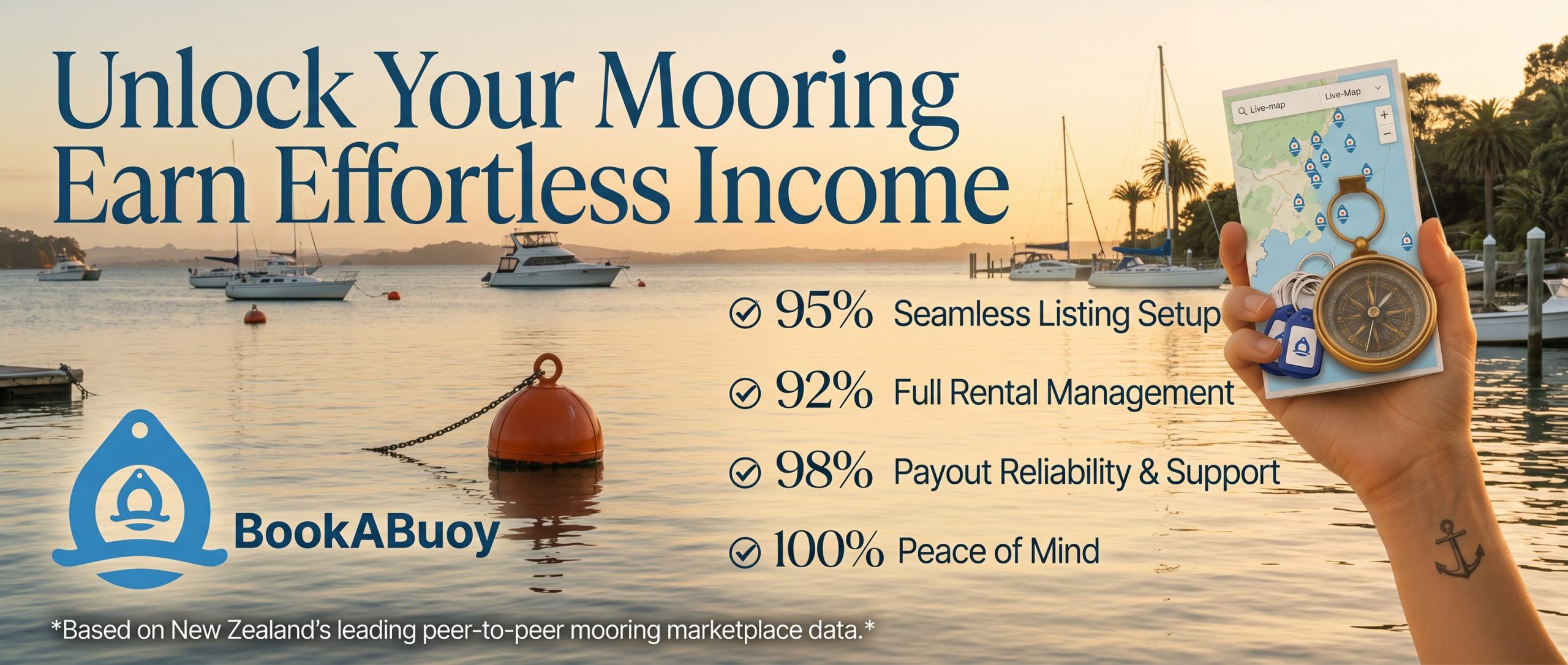
Despite the rougher finish, both yacht and crew arrived safely. The vessel—a heavily built New Zealand three-skin kauri 35-footer—showed little evidence of the nearly 8,000 offshore miles she had completed.
The same could not be said for the relationship.
Once ashore, his sailing partner quickly departed, leaving Raea to complete the customs formalities alone. After paying what he described as substantial import charges to return a New Zealand-built yacht to its home waters, he sold the vessel at a healthy profit.
The experience left a lasting impression. The voyage had been successful, financially rewarding and immensely satisfying. It seemed inevitable that he would one day do it all again.
A plan interrupted
At 45 years of age, however, Raea decided it was time to pursue a more conventional investment strategy.
Having spent much of his adult life living aboard yachts, he purchased his first home, a property located close to Auckland’s Westpark Marina. The move ashore represented a significant change in lifestyle and formed the basis of a five-year plan.
The idea was straightforward. He would build equity, sell the property in 2014 and then return to the United States in search of another offshore cruising yacht.
The plan lasted only a fraction of that time.
After enduring two summers with little meaningful time on the water, the prospect of a third became unbearable. The sailing itch proved stronger than financial discipline, and the decision was made to abandon the timeline and return to boating much sooner than intended.
The house sold at auction in January 2012 while Raea was covering a yacht race in the United Arab Emirates. By the time he returned to New Zealand a few weeks later, settlement was only days away.
Suddenly he faced a familiar problem.
With a house full of furniture, a cat needing accommodation and no permanent place to live, the search for another boat quickly became more than a cruising ambition—it became a necessity.
Searching for the right boat
Experience from his previous offshore yacht purchase provided a clear set of criteria.
The ideal vessel would measure between 40 and 42 feet. Larger boats carried significantly higher marina costs throughout the Pacific, while smaller boats would not offer the comfort and storage capacity he wanted for another long-distance voyage.
He was looking for a production-built yacht less than ten years old and preferably already equipped for offshore cruising. Former charter boats were ruled out because they typically carried lower resale values in New Zealand and often showed the effects of hard commercial use.
The financial objective was simple. At worst, he hoped to recover his investment upon returning to New Zealand. Ideally, there might even be a profit.
Location was equally important. The yacht needed to be on the west coast of the United States or Mexico, allowing a single-season passage home without the expense and complication of transiting the Panama Canal.
After searching listings across California, Washington and Baja California, he found little that matched his requirements. The American market offered plenty of Hunters and Catalinas, but relatively few late-model European cruising yachts.
Mexico proved more promising.
Throughout Baja, numerous cruising dreams had stalled. Well-equipped yachts sat abandoned in marinas and boatyards after owners discovered that long-distance cruising was often far more demanding than they had imagined.
Among the listings, one boat stood out.
The yacht was a 2008 Delphia 40.3, built in Poland.
At first glance, the vessel ticked many of the right boxes. She featured mechanical wind-vane steering, a watermaker, Duogen wind generator, deep lead fin keel and an owner’s two-cabin layout with generous storage throughout. Power came from a 55hp diesel showing fewer than 500 operating hours.
The only uncertainty was the builder.
Like many sailors, Raea knew little about Polish yacht construction. Further research revealed that Delphia produced hulls and decks for several major European manufacturers and enjoyed a solid reputation within the industry.
The more he investigated, the more attractive the yacht became.
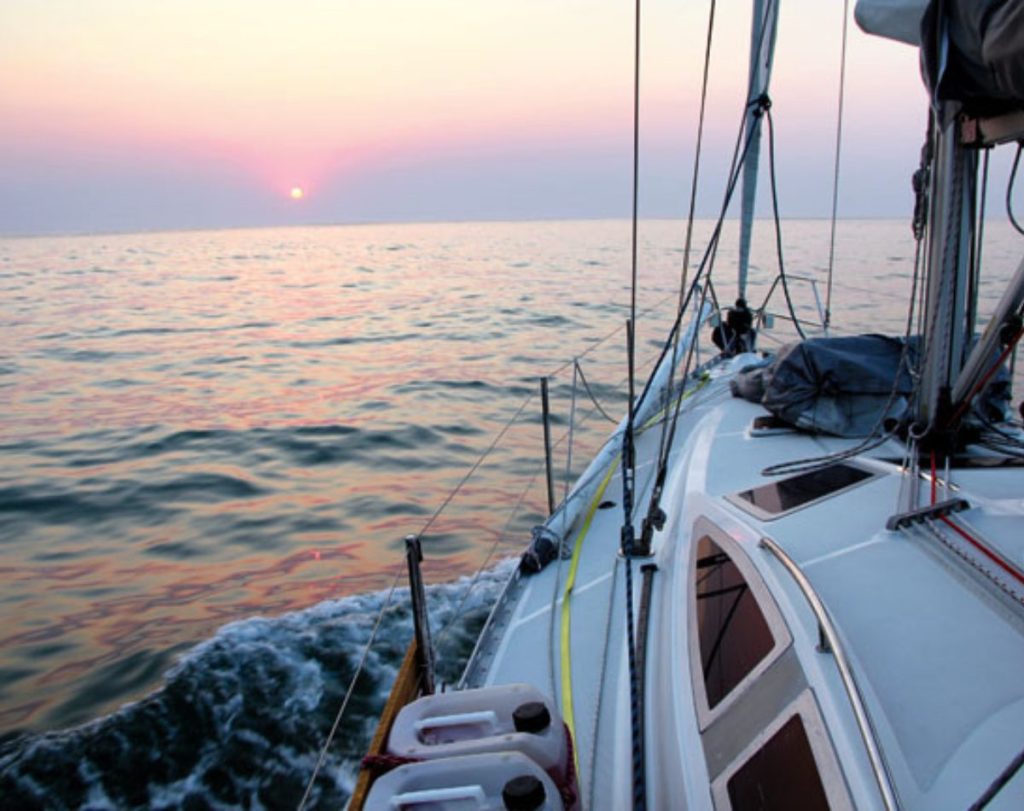
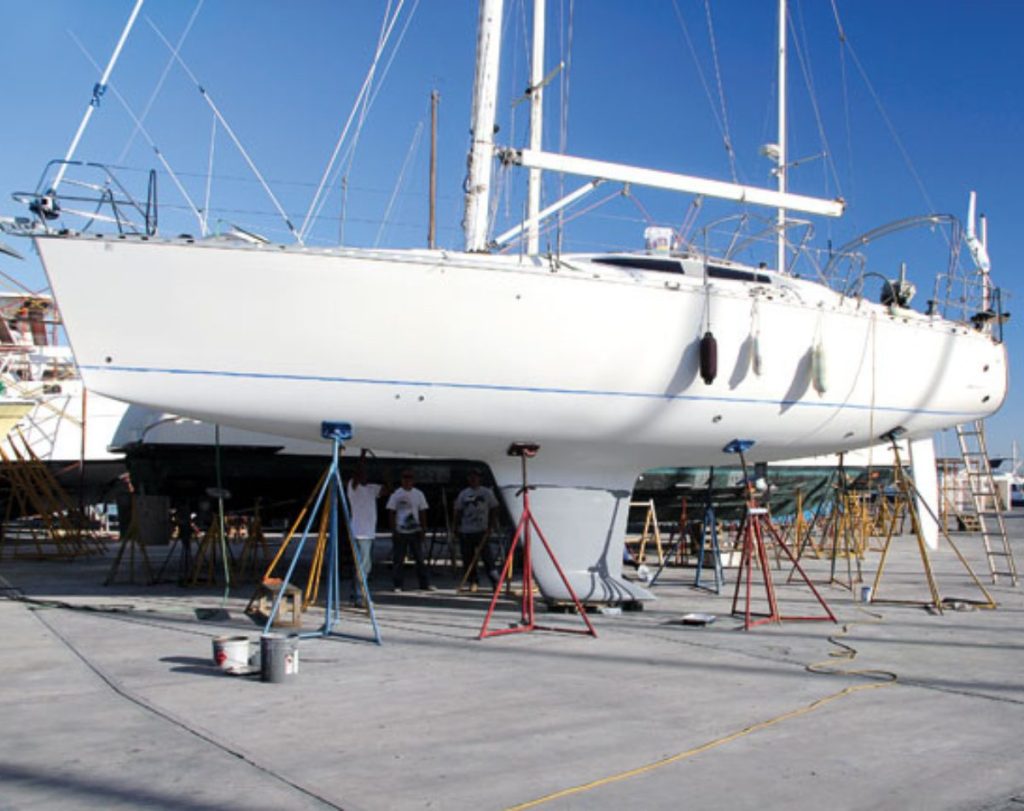
Online cruising blogs and sailing forums revealed traces of the boat’s history and suggested a familiar story. Her owners had embarked on a cruising adventure that had gradually unravelled. The yacht had been placed on the hardstand in La Paz, and after sitting there for nearly a year, remained unsold at what many considered an optimistic asking price.
Armed with that knowledge, Raea submitted a firm offer through the broker.
The owners declined initially.
A week later they accepted.
The timing was remarkable. The acceptance arrived just as the final removal truck carrying his household possessions departed his Auckland property.
His next move was a call to an old acquaintance.
Calling in an expert
During his previous visit to La Paz, Raea had met Cecil Lange, a veteran New Zealand boatbuilder who had spent decades working in Mexico as a marine surveyor.
At 82 years of age, Lange represented an older generation of craftsmen. He openly preferred traditional yachts to modern production boats, but he agreed to inspect the Delphia and provide an honest assessment.
Two days later an email arrived.
The message was brief.
“It’s a good one. Call me.”
That was all the reassurance Raea needed.
The following morning he booked a one-way flight to Mexico and packed five suitcases filled with rigging spares, storm sails and marine equipment accumulated over a lifetime on the water.
This is the end of Part 1. Next: A shakedown in the Sea of Cortez.