In early 2013, boating journalist Steve Raea returned to Mexico’s west coast to rejoin a yacht he had purchased the previous year and prepare for another Pacific crossing. More than a decade later, his account provides a fascinating snapshot of offshore cruising before Starlink, before widespread weather-routing apps, and at a time when self-reliance remained one of the most important tools aboard any ocean-going yacht.
What follows is an adapted version of Raea’s original account, rewritten in the third person while preserving the experiences, observations and circumstances as they occurred at the time.

By early 2013, Steve Raea’s preparations for a Pacific crossing aboard Nereid were gathering momentum, but before committing to thousands of miles of open ocean, he hoped to give both yacht and crew a practical shakedown in the waters of the Sea of Cortez.
A nervous crew
Having rejoined the yacht in Mexico over Christmas, Raea took on two novice crew members, Stacey and Cherie, for what was intended as a shakedown passage across the Sea of Cortez.
The crossing began well enough. With clear blue skies and no wind to speak of, the first hours were spent watching whales. The Sea of Cortez, which separates Mexico’s Baja California Sur from the mainland in a narrow waterway stretching roughly 1,000 miles north to south, is known for the density of its marine life during the Mexican winter. Whales and whale sharks were thick enough between Mazatlan and La Paz to pose a genuine hazard to passing vessels. The crew was delighted.
The mood changed quickly.

As night fell, 30 knots of breeze built on the nose and the yacht began punching into the swell. The easy confidence of the afternoon evaporated as the boat leapt from one sea and crashed heavily onto the back of the next. For two crew members who had never sailed beyond the horizon, the experience was genuinely frightening.
Raea explained the realities of sailing to windward, pointing out that bearing away would bring comfort at the cost of time. The argument held for perhaps an hour. As the last light faded and the prospect of a night at sea in those conditions became real, he recognised the situation was deteriorating beyond what rhetoric could fix.
Turning back
A brief conversation followed. Raea put a scenario to the crew: turn around, run back to Mazatlan with the wind behind them and the boat on her feet, then fly to La Paz.
The response was immediate and enthusiastic.
Deflated but pragmatic, he pushed the helm down, brought the boat through the wind and settled her on a reciprocal heading. Boat speed climbed from six to nine knots as the yacht began surfing the three-metre swell. The crew’s relief was audible.
The return leg, however, brought its own complications.
About an hour after turning back, the autopilot failed. With the wind square and conditions still building, asking the novice crew to steer while he investigated the problem was not a realistic option. Raea chose not to mention it.
By the time the lights of Mazatlan appeared on the horizon, the wind had continued to build well beyond the forecast. The seas had steepened as the water shoaled under the keel. Getting across the bar into the marina, ten miles north, was out of the question. Instead, he set a course for Mazatlan’s Old Harbor, an entrance he had used five years earlier and remembered as narrow but well lit.

A mile from the entrance, he needed the mainsail down. That required someone to steer.
The mast
Cherie volunteered to take the wheel while Stacey handled the reef lines from the cockpit. Raea started the engine, turned the bow into the wind and worked his way forward to the mast.
The conditions made it difficult. Cherie struggled to hold the bow to weather and repeatedly fell off the wind, filling the sail and rolling the boat onto her beam ends. Raea lashed a rough bundle around the boom, got the sail secured and was making his way back to the cockpit when the yacht launched off a crest and went into free fall.
The crash that followed was severe. The sound from the cockpit was worse.
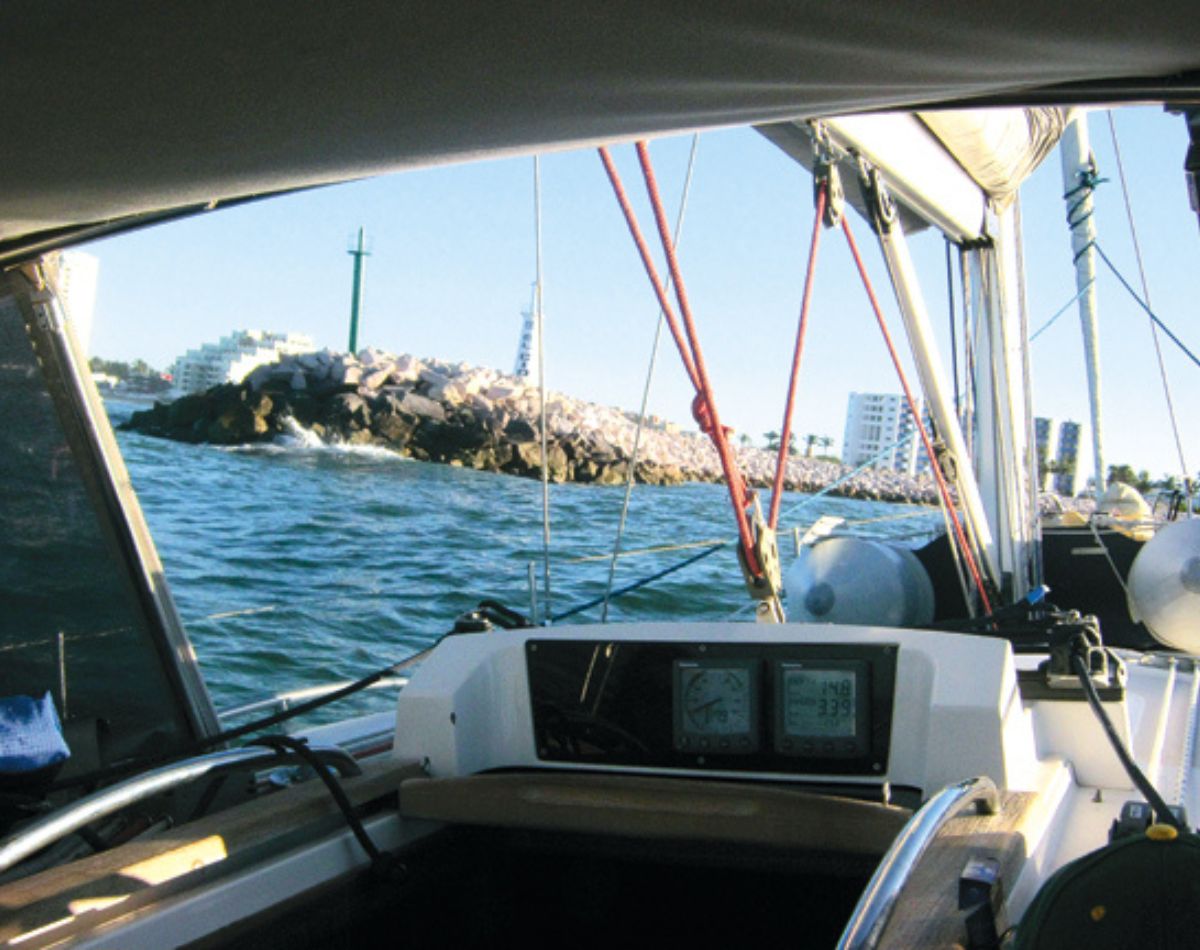
They motored through the entrance with no sail up, the boat rolling hard in the quartering seas. Items broke free of lockers below. Eventually the leads came up in the darkness and Raea turned the bow toward the breakwater. Within minutes they were through, in flat water, and the anchor was down.
The crew’s relief needed no description.
The vodka came out. On this occasion, no one declined.
Old Harbor
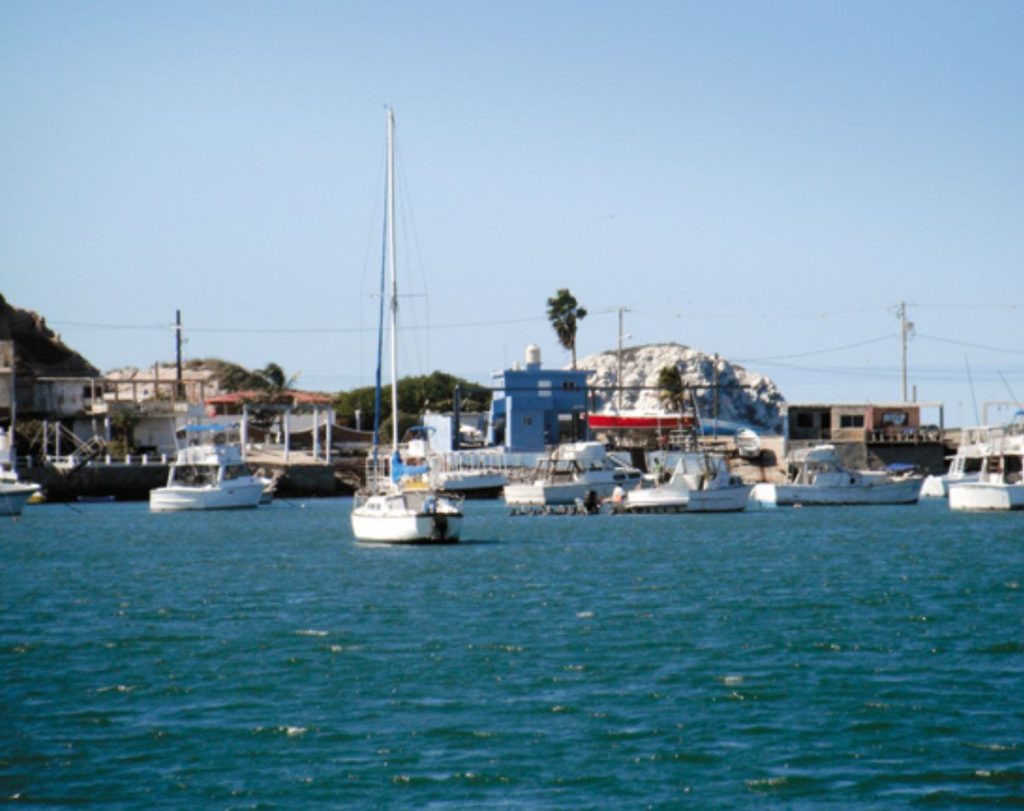
Mazatlan’s Old Harbor is a working commercial port with little to recommend it aesthetically. The water runs a muddy brown and the smell of raw sewage is unmistakable. Panga fishing boats run day and night, most of them without lights. The handful of yachts that anchor there tend to be crewed by seasoned budget cruisers on weathered boats, and their company, Raea noted, invariably proved worth having.
The same winds that had pushed them in kept the marina entrance closed for three days. There was nothing to do but wait, watch the commercial traffic and let the weather settle.
What had been planned as a two-day passage to La Paz had consumed five days and covered less than ten miles of net distance. For Stacey, whose three weeks in Mexico had run their course, there were no regrets. She boarded her flight to Los Angeles, and then on to Auckland, having never made it to the Baja but with a story she would be dining out on for years.
Land-locked
Cherie, having decided that surviving the crossing had largely cured her of fear, immediately sought out a local dentist for work she had been putting off at home.
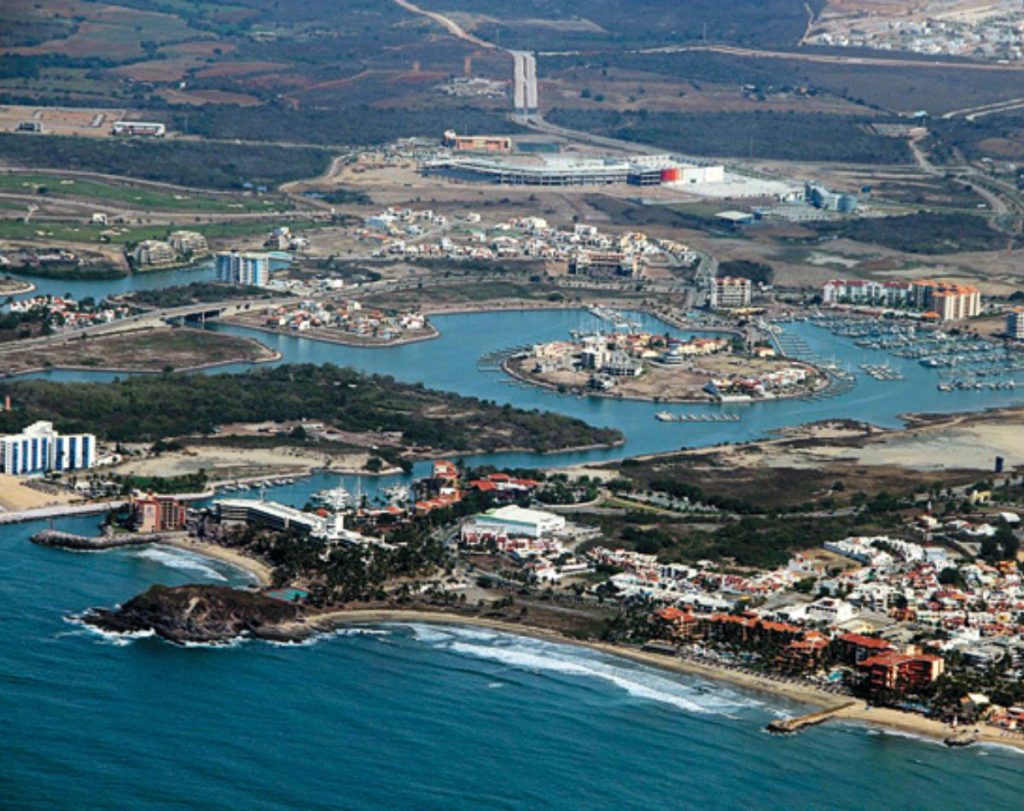
The diagnosis was extensive. Multiple root canals, crowns, caps, veneers and specialist referrals accumulated into a treatment plan running to ten days and beyond. The marina, comfortable enough in short doses, began to wear thin.
To fill the time between appointments, they booked a return flight to La Paz. The irony was not lost on Raea. Having sailed more than 200 miles to avoid flying across the Cortez, he now found himself boarding a single-engine Cessna for the 90-minute crossing. It was, he admitted, a direct confrontation with the fear of aviation in anything smaller than a jumbo jet. He kissed the tarmac when the pilot put the plane down on the other side.
La Paz
La Paz, with a population of around 250,000, remained his favourite Baja destination after three visits. Less developed than Mazatlan and less oriented toward tourism, the city offered narrow paved streets, interesting old architecture and an esplanade that overlooked the yacht harbor and distant islands.
They checked into a cheap hotel on the malecón. The views were fine by day. By night, the Mexicans’ enthusiasm for music after eleven o’clock made sleep largely theoretical. They spent two nights working through the bars before conceding the point and moving to a traditional bed and breakfast three blocks away, where they were adopted by a cat that had claimed the bathroom sink as its permanent residence.
La Paz has long carried the reputation among cruising sailors as a place where people arrive and never quite manage to leave. The marinas hold a resident population of retired American sailors living on pensions, many of whom supplement their income by parting with equipment from their boats. Raea took advantage of this, acquiring a second-hand SSB high-frequency radio for considerably less than its market value.
After four days of fish tacos, tequila, mariachi and dust, it was time to return to Mazatlan for the final round of dental appointments.
Pointing south
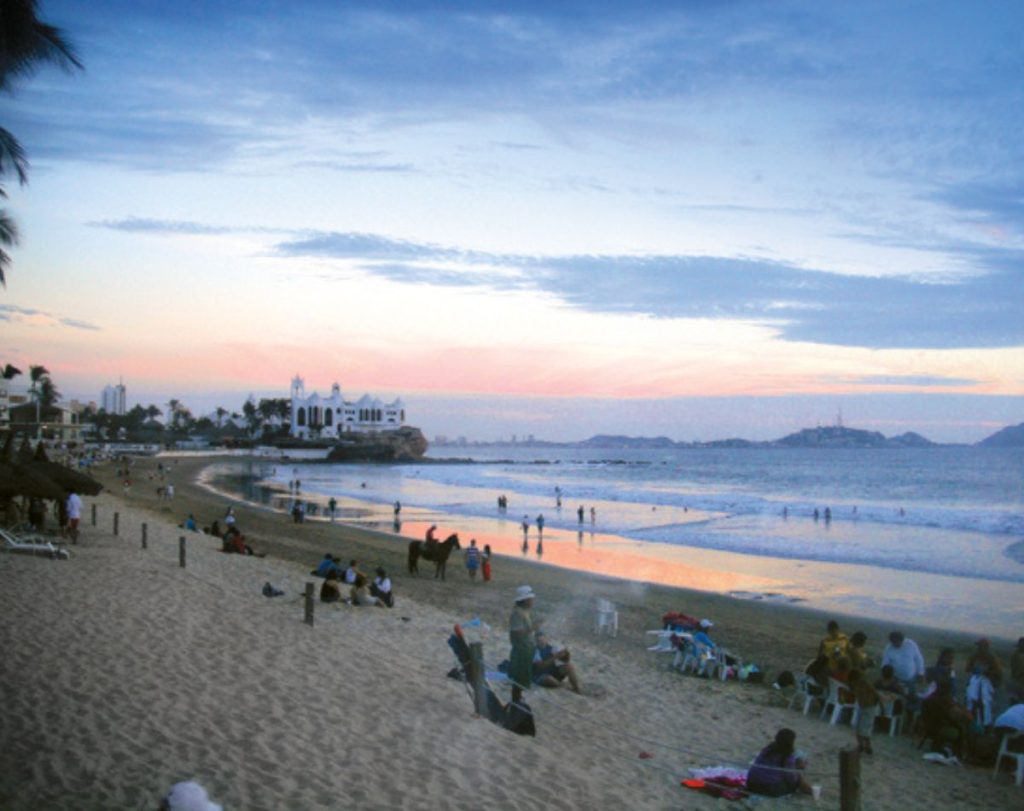
With the dental work finally complete, the yacht was ready to go. The next stop would be Chacala, a small roadstead anchorage and village about 150 miles down the mainland coast, followed by San Blas, one of Mexico’s oldest ports, before the final 50-mile leg into Puerto Vallarta and La Cruz.
Puerto Vallarta would serve as the staging point for the next major preparation. The Marquesas Islands lay 3,000 miles to the west across the North Pacific, and a late April departure was the target.
This time, the crew question had been resolved more successfully than on previous voyages. Two offshore Auckland sailors had agreed to join the boat as far as Tahiti. The adventure, and the inevitable misadventure, lay ahead.
This is the end of Part 2. Next: Mazatlán to Banderas Bay.