What? Twenty bucks for a three-kilo bag of minced rotten fish! And I need two or three of them for a day! Is berley really all that important?
In short, yes, it is. Berley acts in much the same way for fish as does the aroma of freshly ground coffee or newly baked bread for us, stimulating appetite and encouraging us to seek out the source. Over the course of a single tidal phase, a decent berley trail can draw fish in to where we are fishing from far afield. By the time they find our baits they are already hungry and looking for something to eat…
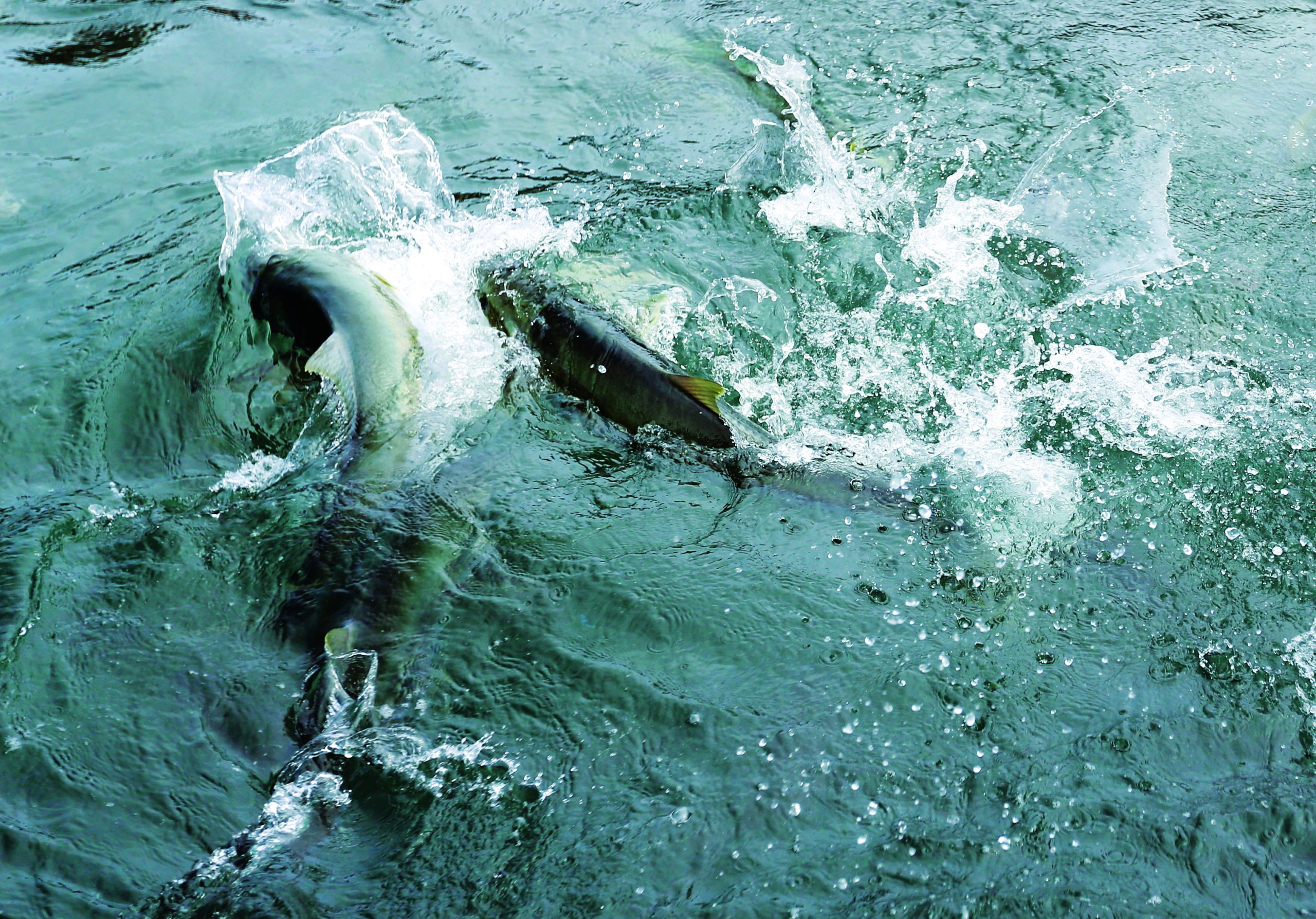
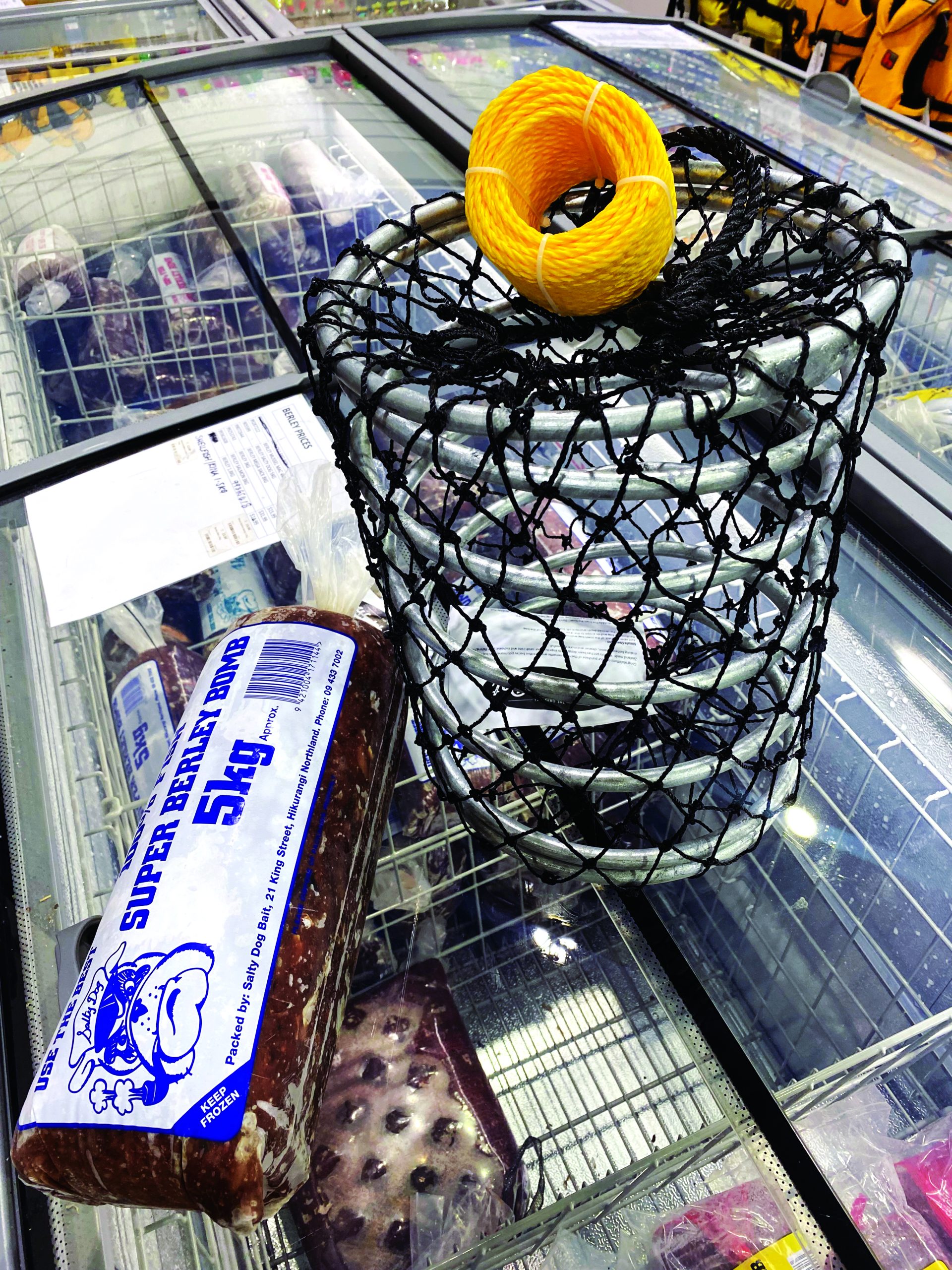
As already noted, berley can be expensive. And while it may consist of ground-up fish/shellfish scraps, intestines and frames, it should never be rotten!
Seek out good quality commercial berley (or make your own), because without it you may well struggle for success, especially in areas with high fishing pressure.
Besides, you’ve spent so much on the boat, fuel and gear, why skimp on the very item that should bring everything together for a successful session?


So, how do we get the best from each precious berley ‘bomb’?
First, buy the biggest berley bomb/s the berley container will hold and put it into the dispensers while it’s still frozen. A bigger berley bomb means the resulting trail will be thicker, more attractive and last longer. And if some berley is left over at the end of the session, you can always re-freeze it.
The warmer the water, the quicker the berley will defrost and disperse, so the more berley you’ll need.
Always use frozen berley, as it takes time to defrost in the water, prolonging the dispersal process for a longer-lasting berley trail. However, berley blocks that have defrosted slightly on the surface will get things going more quickly, which can be good if you have limited fishing time available, but get it wrong and the berley could be gone just as the fish start biting!

Another way to prolong the berley’s life and slow its distribution rate is to leave the plastic wrapping on the block, slashing it with a knife and perhaps removing some of it to limit water access to the frozen block.
Decide whether the berley should be distributed from the surface or down near the bottom. This is determined by the water’s depth and by the target species.
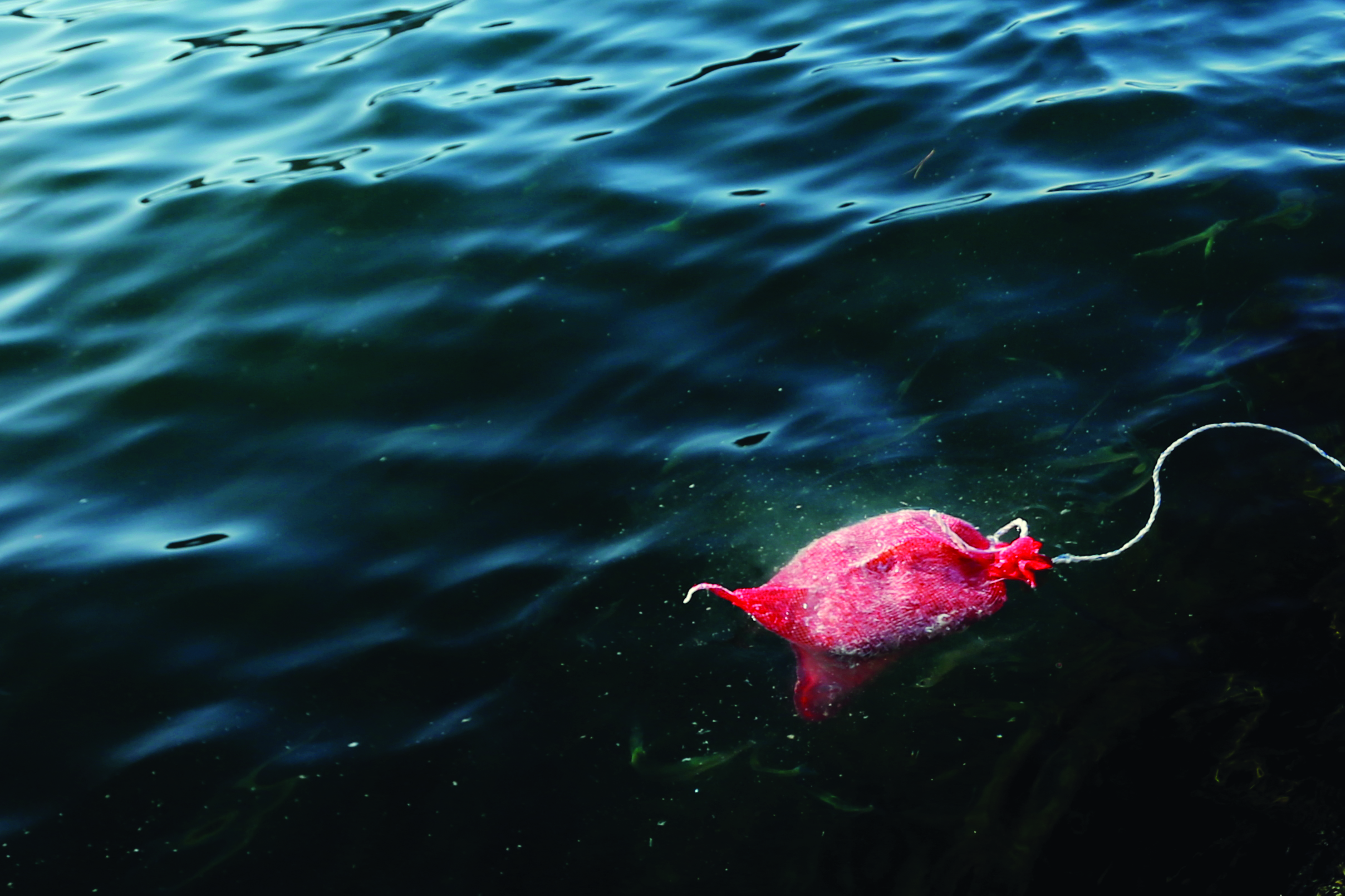
If the water is shallow and/or the fish you’re chasing are pelagic (i.e. kahawai, trevally, kahawai, mackerel), put the berley into a heavy-duty mesh bag, lower it into the water, and suspend it from the boat’s transom with a short length of cord. It’s quite a buzz to see the mix of smaller fish such as maomao, sweep, baby snapper, mackerel, piper and sprats attracted to the berley bag, but the disturbance created by their feeding can attract much bigger predators, such as kahawai and kingfish close to the boat; big snapper tend to be warier and will hang back further.
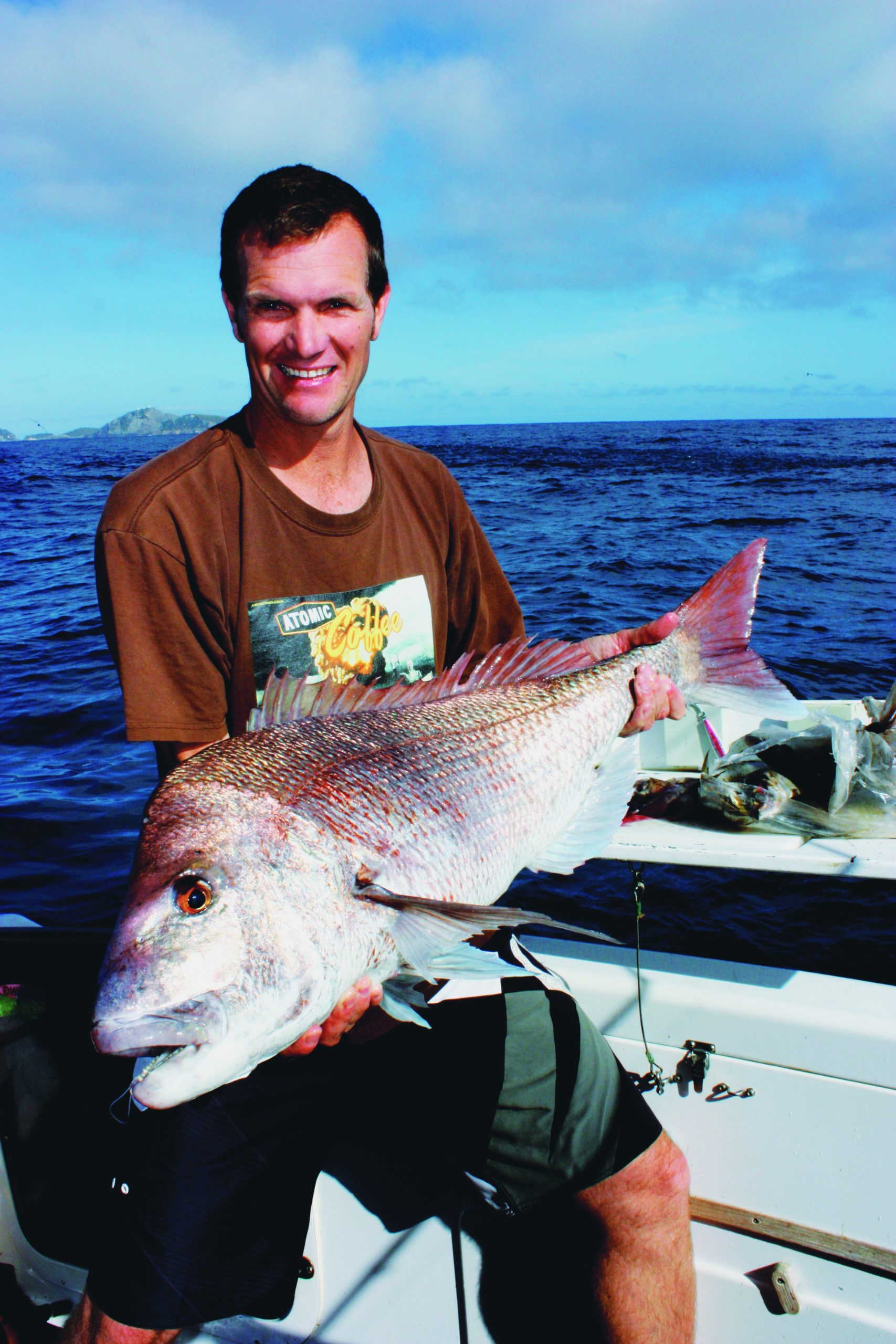
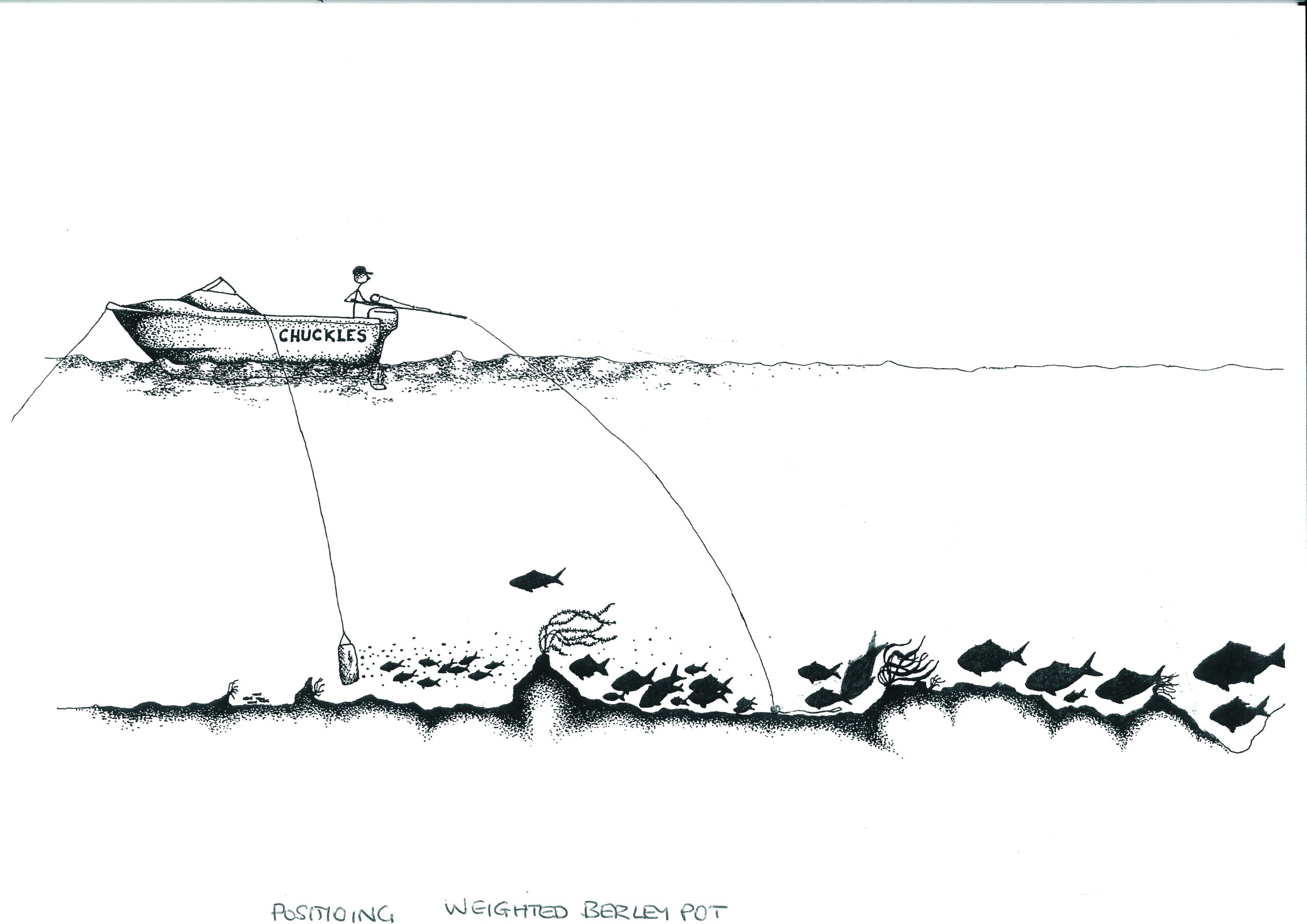
When fishing in deeper water, especially when there’s current present, and/or chasing bottom-dwelling species such as snapper, trumpeter and tarakihi, there’s nothing better than a Wobbly Pot deployed close to the bottom. This device consists of a giant mesh-covered steel coil attached to a length of cord; the big coil is generally heavy enough to hold the berley near the bottom, and the drawstring mesh bag keeps the berley contained as it disperses until it needs to be replaced.
It’s important to position the berley correctly when fishing in deeper water. Do not tie your berley to the anchor chain! The way the boat lies at anchor may not reflect the true direction of the tidal flow, so berley hung off the anchor may actually draw fish away from your baits. Also, there is always the danger of sharks taking the berley bag and becoming entangled in the anchor, which is dangerous, particularly for small craft. So try this tactic instead: First, when the boat settles to the anchor, determine which way the current is heading, as the berley trail needs to flow onto your baits. Sounds simple, but wind often results in the boat hanging at an angle to the tidal flow. Assessment completed, drop the weighted berley pot to the bottom, then lift it up a metre or two. You want the pot to stay safe and clear of bottom structure. Also, the current is always stronger above the bottom, for a better berley trail. Now tie the cord off where it will stay out of the way when fighting hooked fish.
Unfortunately, it’s not a case of set and forget; it definitely pays to bring the berley up every 20 minutes or so to check on it. Sometimes you’ll find very little has dispersed (especially when the water is chilly), in which case some more packaging should be removed so the water has better access and the berley can escape more easily. At other times you may be shocked at how much is gone, suggesting you should take measures to prevent rapid thawing for subsequent berley bombs – fewer slashes/holes in the plastic, for instance.
Better results are usually achieved by regularly jiggling the berley pot, especially at the beginning of a session when the berley is still reasonably frozen and fish well dispersed.
Sure, more berley is released, so the bomb is used up more quickly, but the thicker, more concentrated trail is more attractive to the fish and gets them feeding more actively.
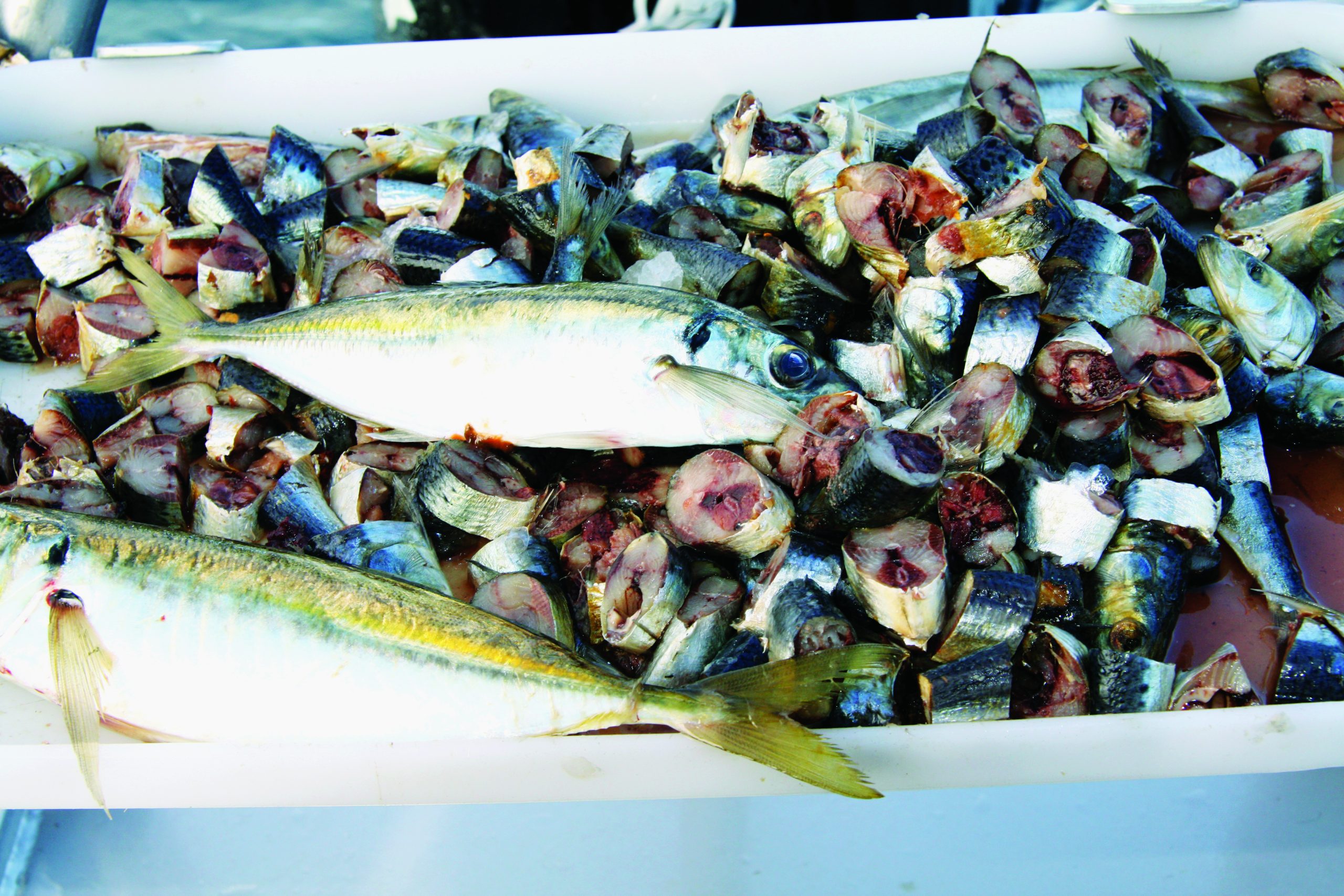
Although berleying is meant to provide a trail of scent and tiny titbits to attract fish and stimulate their appetite rather than to feed them, there’s definitely a place for adding bigger chunks – but only if the water depth and current strength allow them to get down to where your baits are positioned. There’s no point in feeding the fish in Australia. These bigger chunks encourage fish to feed more actively and be on the lookout for more. The chunks can be anything: cubes of old pilchards, bits of kahawai fillet, leftover squid. Turning fish on to chunks can turn a slow day into something amazing!