Sam Goodchild and Élodie Bonafous will cross the Arctic Circle tonight, but nobody—least of all the two leaders—knows exactly where. That uncertainty, far from being a problem, is the entire strategic puzzle that’s consumed the Vendée Arctique fleet for days.
The 2026 edition has rewritten the rulebook. Unlike the Vendée Globe’s fixed waypoints, skippers here must choose their own polar crossing point before turning south toward Les Sables-d’Olonne. The logic seems simple. The execution is anything but.
“The best point to reach the Arctic Circle isn’t necessarily the best point to start your descent,” race meteorologist Christian Dumard explained. The decision hinges entirely on what comes next. A skipper might push east for a marginally faster polar crossing, only to find themselves battling headwinds on the way home—faster than their rivals, yes, but slower in the second half when it matters.
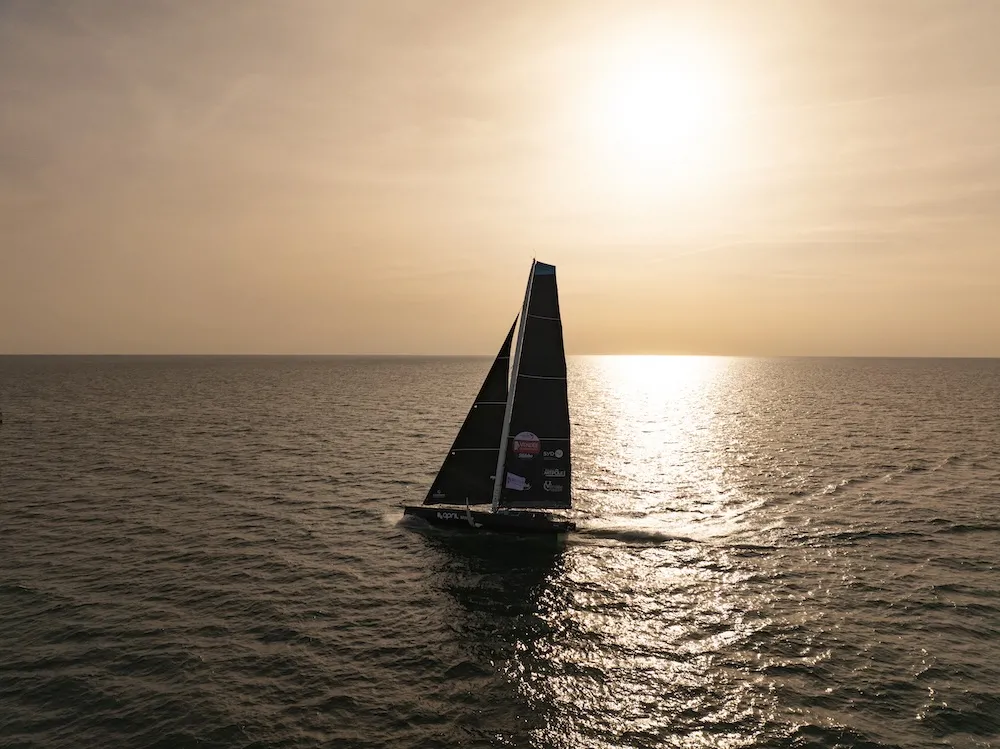
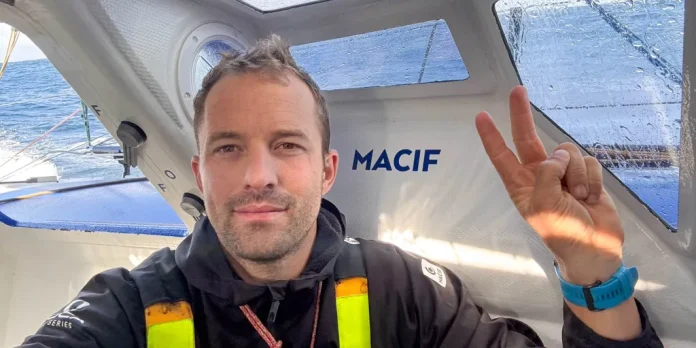
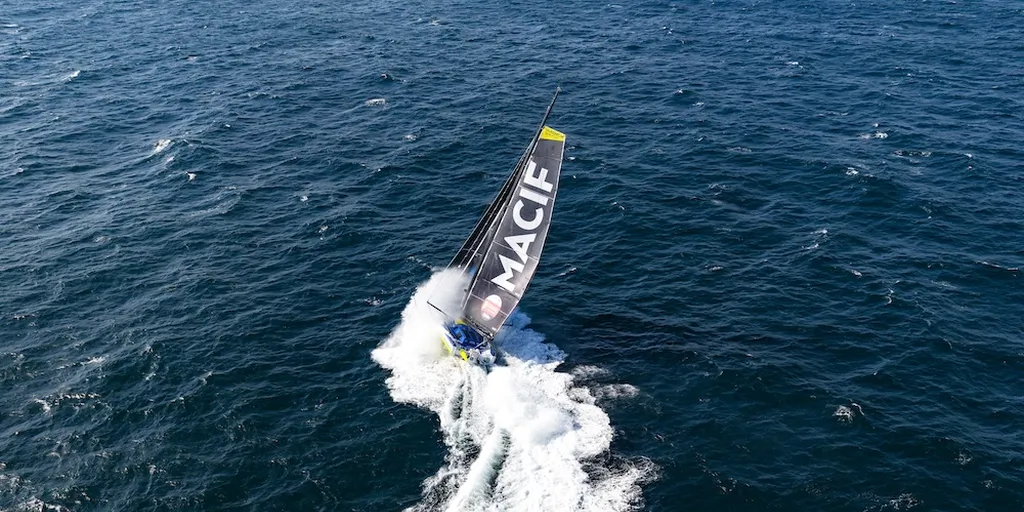
Goodchild, sailing Macif Santé Prévoyance, made this explicit: “I’m trying to keep as many options open as possible.” His strategy is deliberate delay. Each kilometre north remains a choice, not a commitment. Weather systems that look one way at dawn shift by afternoon. A depression that appeared fixed at dawn drifts west by midday. The skippers hunting him know this too, which means backing off the northernmost point could prove cunning or costly.

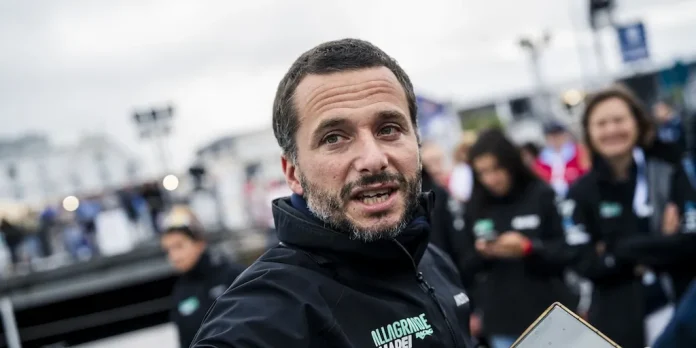
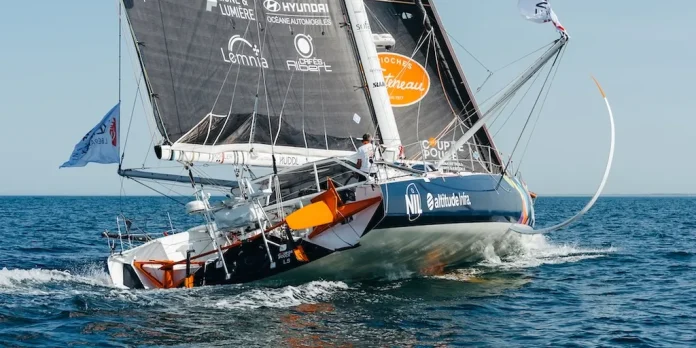
Bonafous, leading on her Association Petits Princes yacht, struck the same tone this morning. “I don’t know yet exactly where I’ll cross. West of Iceland is no longer an option given where we’ve committed ourselves. I’ve decided to keep a biodiversity protection zone on my port side, and now I’ll adapt to whatever small weather systems and depressions come through. I still have time, so I’m keeping good room to manoeuvre.”
That last phrase—keeping room to manoeuvre—is the whole game. Arnaud Boissières, sailing April Marine, explained the calculus yesterday. “It’s important to think about what you do after you turn around. What we’re trying to avoid is coming back down with headwinds. It’s less pleasant and slower. But sometimes deliberately getting headwinds up front can be interesting because it slows down the fleet leaders.”
The fleet behind Goodchild and Bonafous faces the crueller arithmetic. Push hard north in chase, and you might be climbing a ladder your own speed burned. Conservative positions up north might feel safer, but they trap you on a slower descent route locked in by rivals’ positions.

Dumard confirmed that the final call will come late. “They’ll adjust their course through the day. The choice will probably be made at the last moment depending on how conditions evolve.”
For a crew already managing sail trim, boat handling, and the relentless grind of ocean racing, the mental load is its own ordeal. There’s no autopilot for strategy. It lives or dies on the skipper’s call.