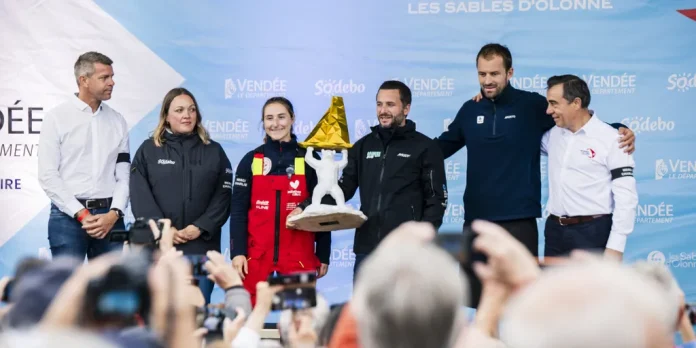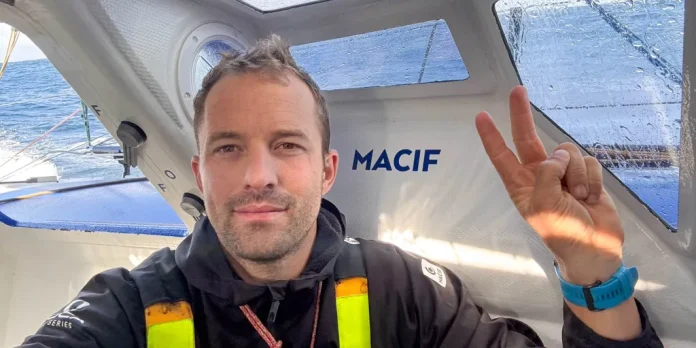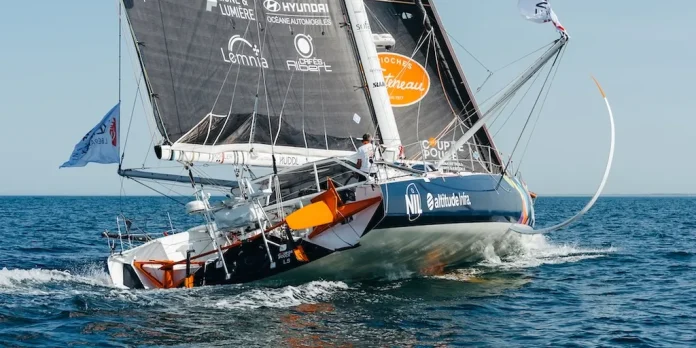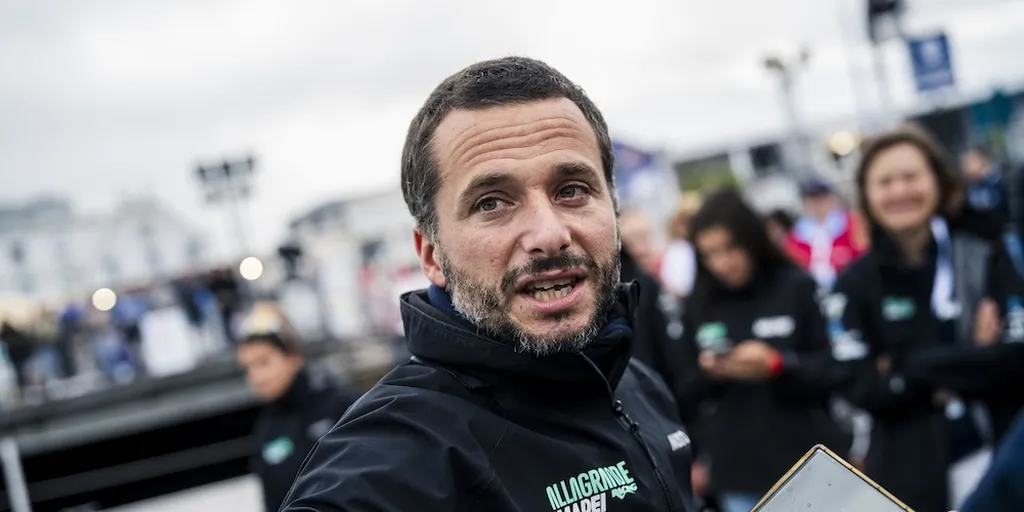
Ambrogio Beccaria crossed the finish line of the Vendée Arctique – Les Sables d’Olonne after eight days and fourteen hours, but the race was decided long before that moment. The Italian skipper endured a cascade of technical failures, went dark in the electronics, and found himself forced to dive beneath his IMOCA in glacial waters. What could have been a withdrawal became instead a grinding comeback that culminated in a finish so tight it will be debated for months. Speaking with characteristic frankness after his victory, Beccaria peeled back the layers of those two gruelling weeks, revealing the mental and physical toll they extracted.
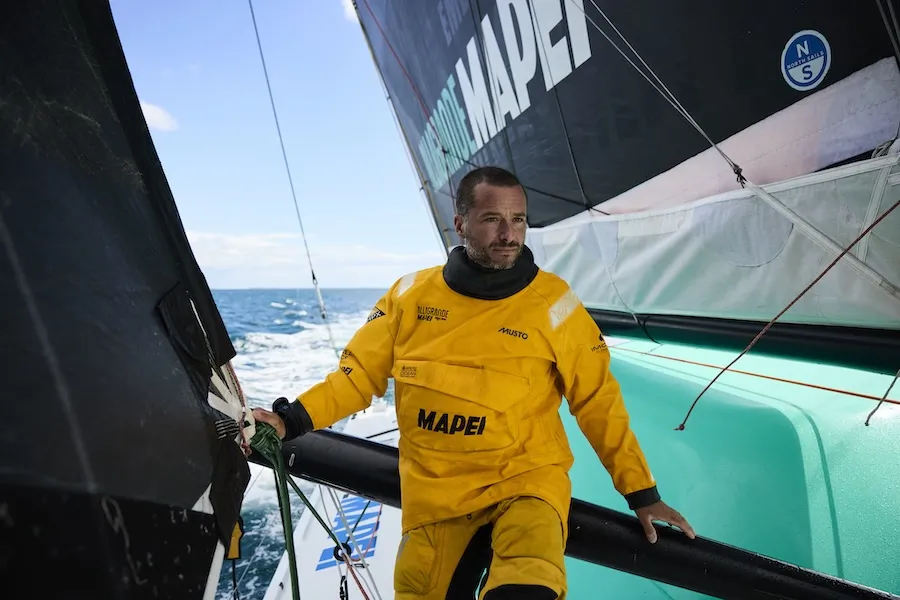
The first thirty-six hours nearly broke him. Beccaria struggled to settle into the rhythm of the race, plagued by the pre-start nerves that never quite lifted. “I had a lot of stress inside me. I’d hardly slept the night before,” he recalled. The boat, however, wasn’t cooperating. An electrical blackout struck early, followed by persistent autopilot failures. Each glitch fed the growing anxiety. The leaders stretched their advantage while Beccaria fought not just his boat but the creeping certainty that he might need to abandon the race entirely.
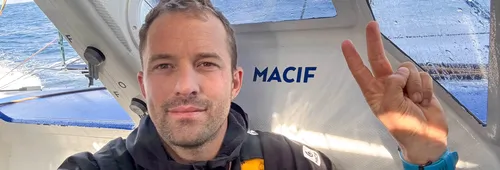
The turning point came with an odd mixture of desperation and relief. A fishing net and buoy had snagged under the keel, and Beccaria had only one option: go over the side. Five times he launched himself into water so cold that his dives lasted only minutes. The physical act of solving the problem—actually succeeding where machinery had failed—shifted something internal. “Once I’d fixed it, paradoxically, I immediately felt more relaxed,” he said. The pressure evaporated. He could sleep again. He could think clearly.
That clarity persisted as the boat drove north into the true Arctic. Temperatures dropped. The sky compressed. Beccaria overtook Francesca Clapcich of 11th Hour Racing Team and pushed toward the polar circle. Crossing that symbolic latitude should have been pure elation, yet Beccaria described the moment as strange—a line on the GPS rather than something tangible in the world. Still, he honoured it. “I have mental preparation, and I know that what’s symbolic matters psychologically,” he said with a slight smile.

The long run home saw him hunting down the leaders with methodical intensity. Beccaria had found something precious in those glacial waters: not confidence born from easy success, but the kind forged through small, deliberate victories. It carried him to the finish, and to vindication.