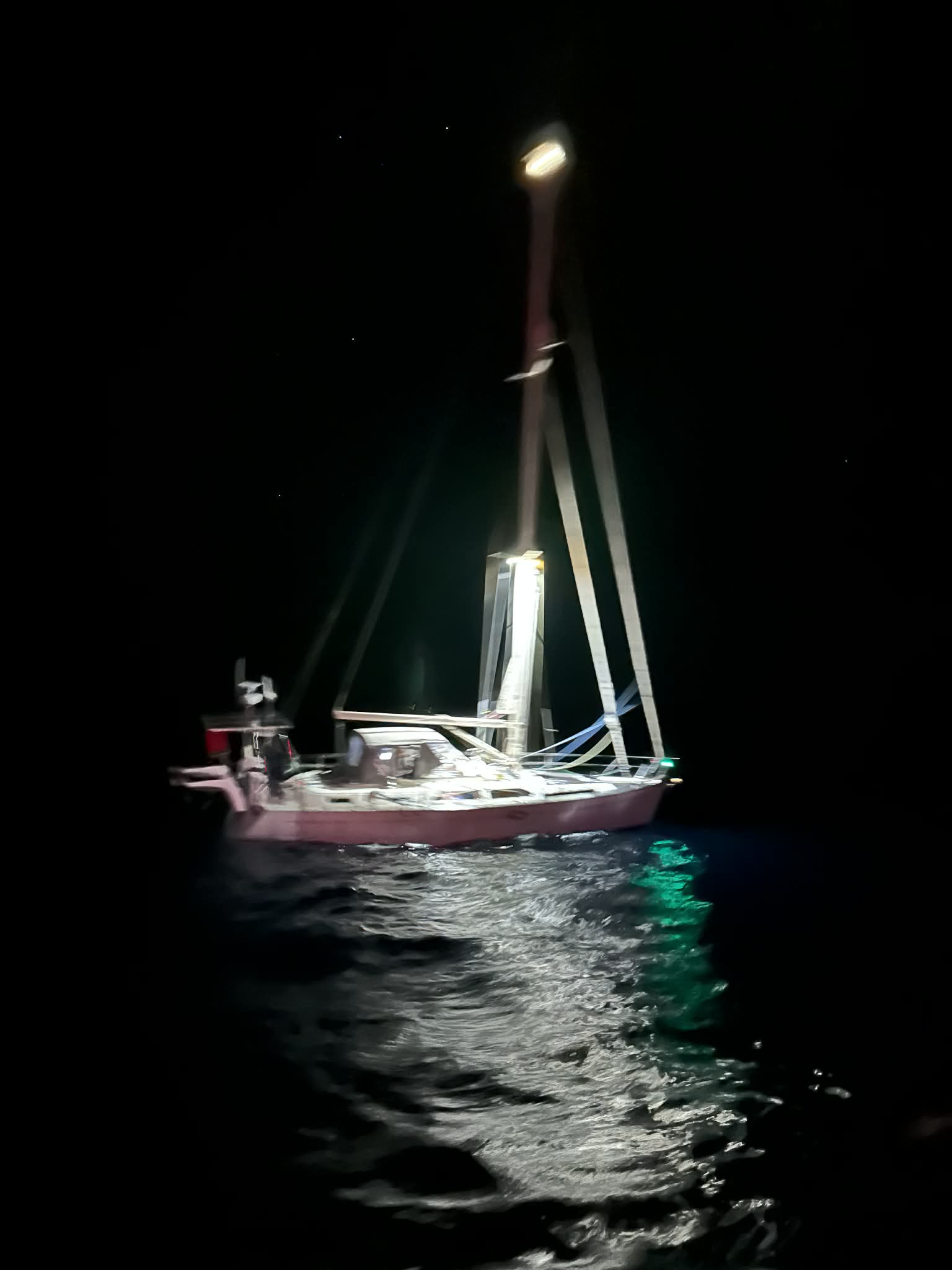
The international yacht was outbound when its steering system suffered a major failure. The crew turned back under a jury-rigged arrangement — then that failed too, leaving the vessel without any meaningful control. With the skipper spent and crew members laid low by seasickness, an urgent call for assistance went out.
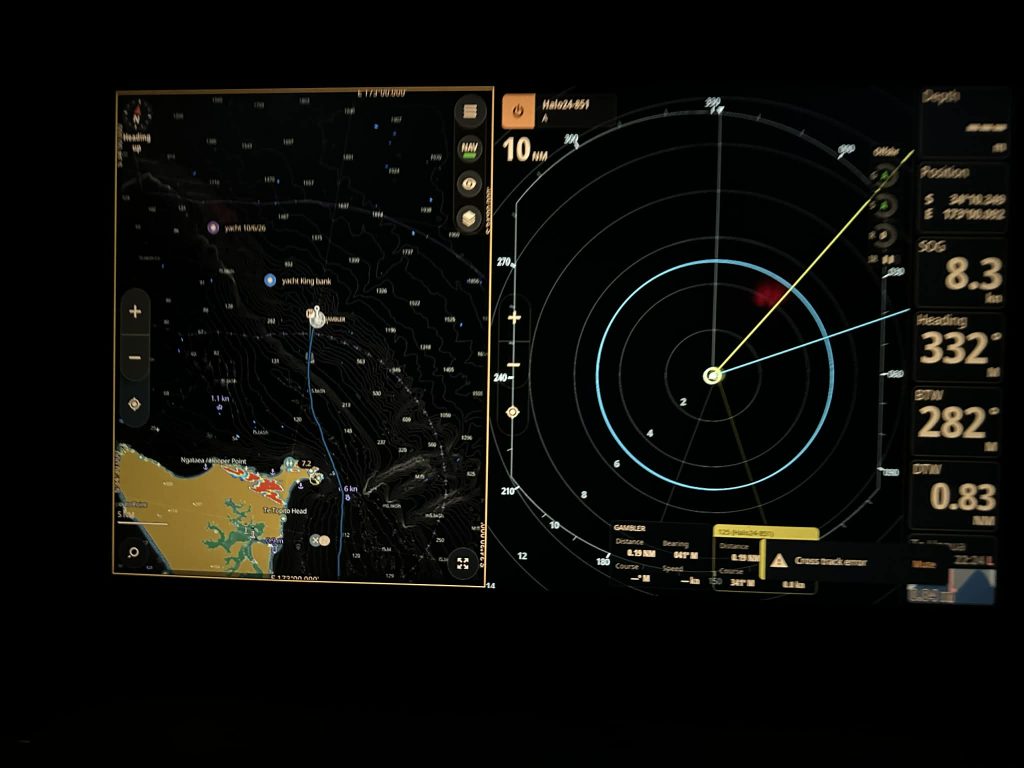
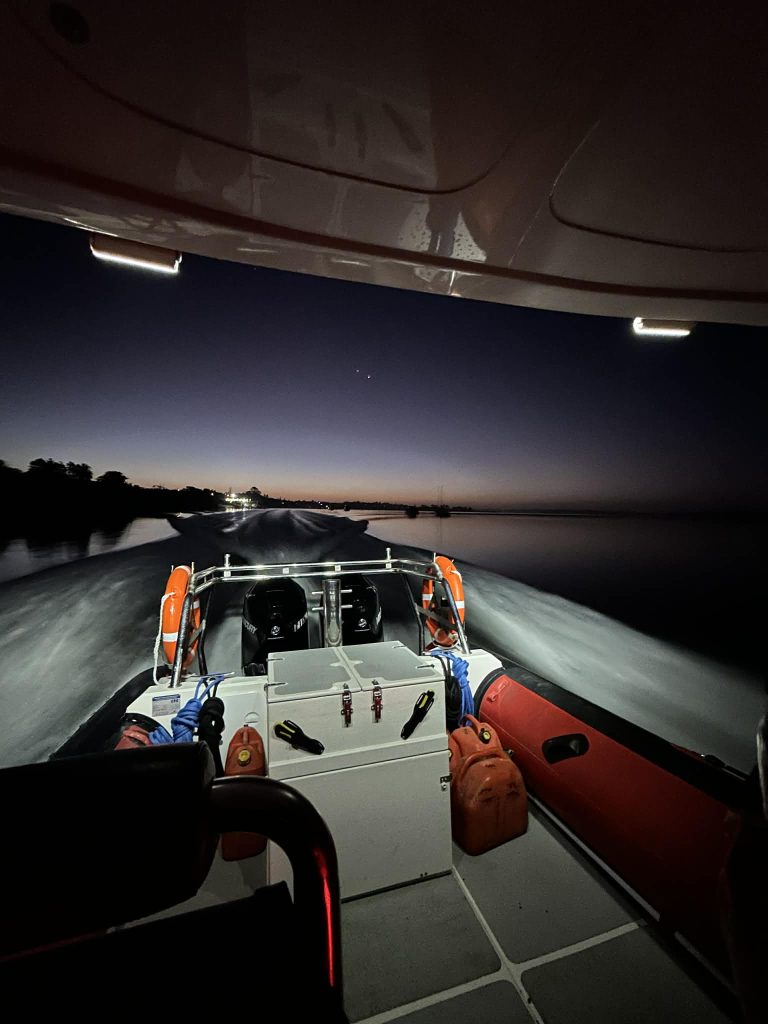
The distance ruled out a quick response. Coastguard’s National Operations Centre and the Houhora unit worked through detailed planning and a formal exemption from Maritime NZ before Houhora Rescue left the wharf just before 6.30 pm. Deploying that far offshore required sign-off — it’s well beyond the usual operating range.
The call that made it work was putting two Coastguard crew members aboard the stricken yacht to take the helm directly rather than attempting a tow. Fresh hands on the wheel, Houhora Rescue alongside, the pair made their way back through open water to the harbour.


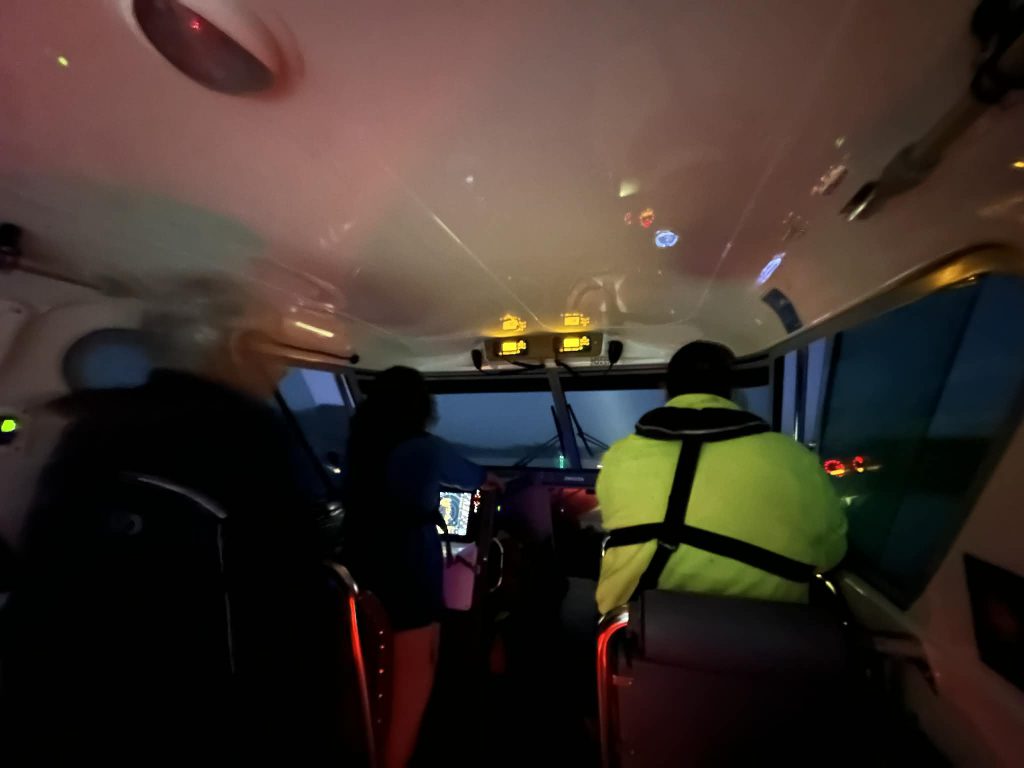
The volunteer crew covered more than 100 nautical miles and spent 10.3 hours at sea.
Houhora Rescue skipper Greg Gemmell said the outcome was built on what happened before departure.
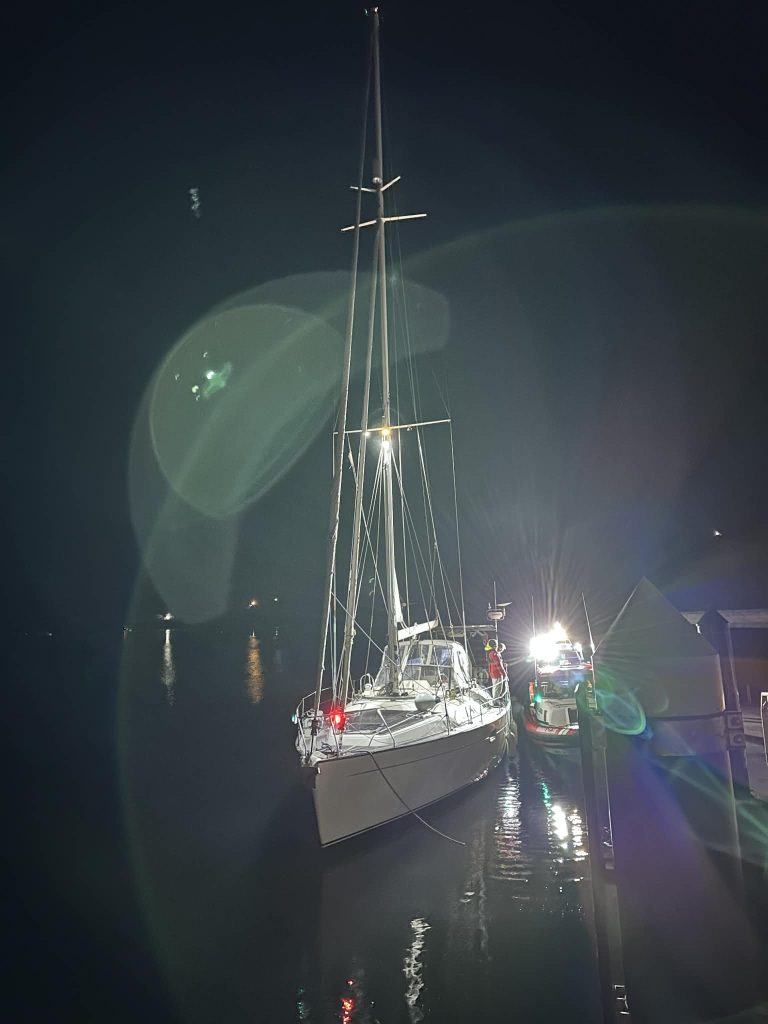
“The success of this mission was down to the intense planning undertaken by CNOC and our unit before we even left the wharf. Putting our own crew aboard to helm allowed us to manage the risk safely and escort them home.”
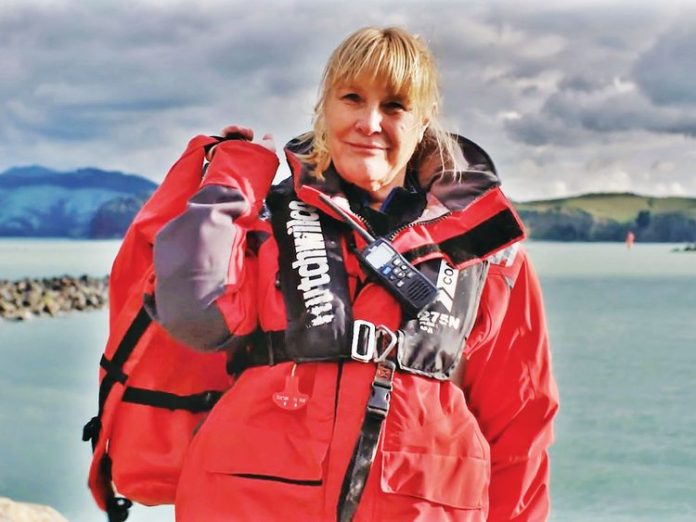
Coastguard is reminding offshore mariners to carry VHF radio, an EPIRB, and satellite communications and to call for help early. Forty miles from land, a rescue takes time to reach you — and mechanical failures at sea have a way of getting worse before they get better.